Hey everyone! The Timeless Meta Tier Lists for both Best of 3 and Best of 1 have just been updated, and I’m writing up this Meta Report alongside it going over the new cards from Outlaws of Thunder Junction that have had the biggest impact, one new archetype in addition to other updates to pre-existing archetypes, discussing decks that have moved up or down the tier list since the last update, and a general look at the overall meta. Let’s get into it!
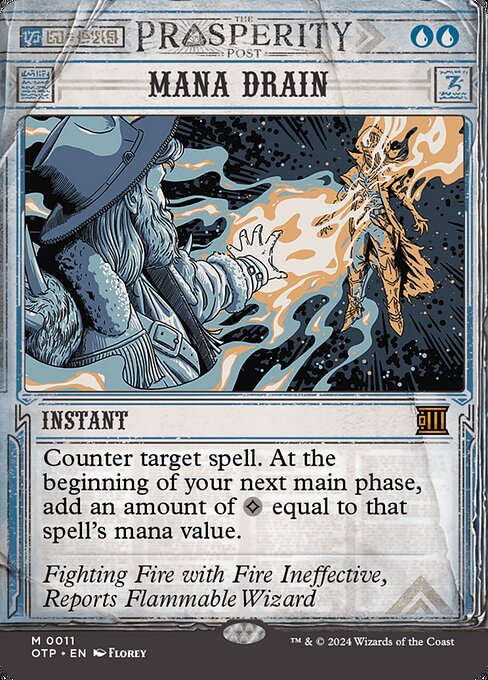
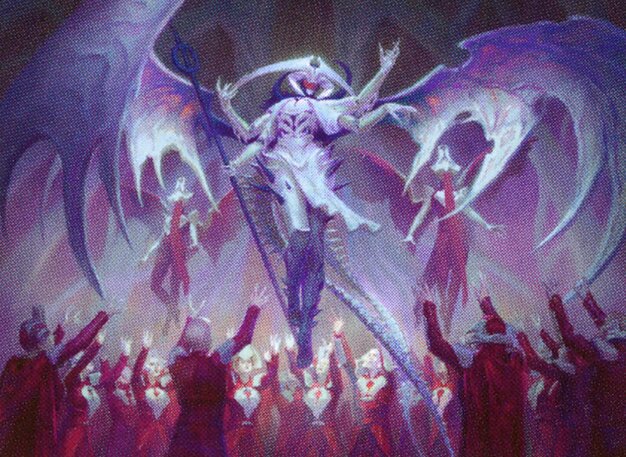
Unsurprisingly this incredibly potent counterspell has definitely been the biggest new addition to the format and has been a big boon to a number of blue decks. Counterspell was already a card that saw play in Timeless and this is essentially just Counterspell with a pretty significant upside.
Lurrus of the Dream-Den tempo and control decks were already the decks that could utilize Counterspell the best, and Mana Drain fits perfectly into these shells since having Lurrus of the Dream-Den as your companion guarantees you’ll always have a mana sink for the excess mana from Mana Drain regardless of what else is in your hand, whilst not having to dilute the quality of the rest of your deck.
As a result of this, tempo decks like Grixis Shadow and control decks like Dimir Control are two of the biggest winners of the addition to Mana Drain and have both moved up to tier 1.
If you chose to forego Lurrus of the Dream-Den there are a number of other cards that work very nicely alongside the excess mana from Mana Drain such as Wilderness Reclamation, The One Ring, or Shark Typhoon so running a control variant with these is definitely more viable than it was previously, but you end up running slightly worse cards on average when you don’t resolve Mana Drain which is why I think the Lurrus of the Dream-Den variants have generally performed better so far.
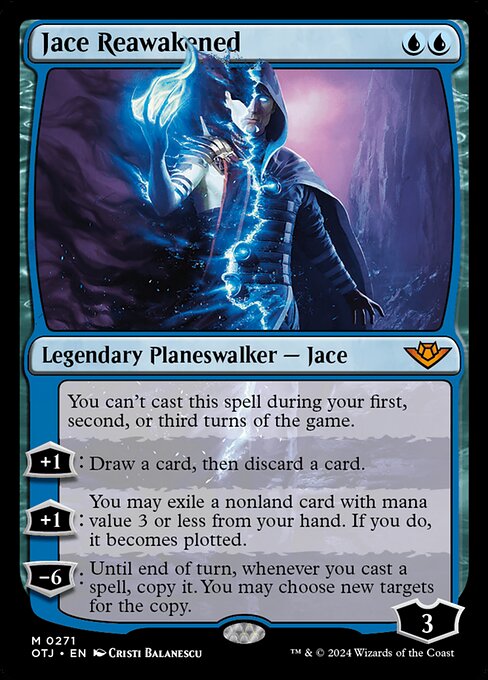
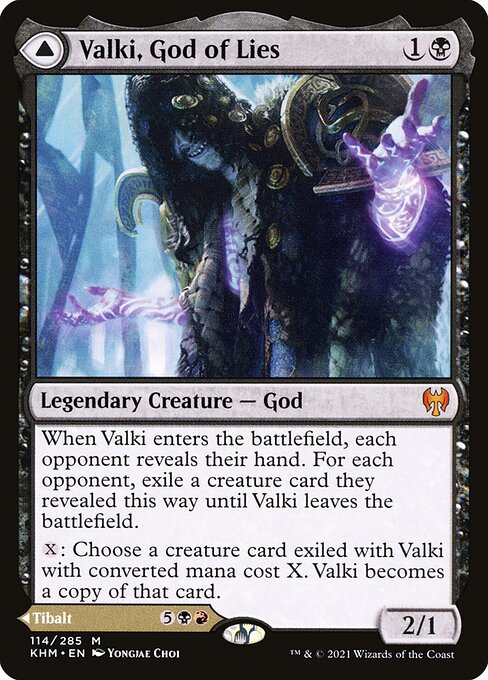
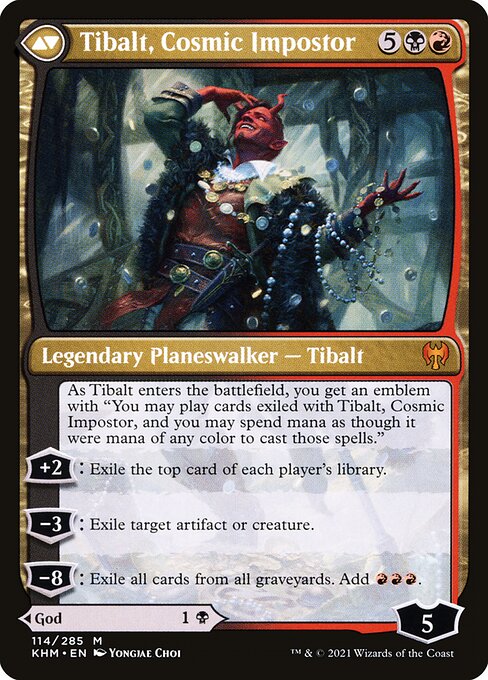
Dimir control also picked up another nice addition from OTJ in Jace Reawakened which gives you a planeswalker that you can run alongside Lurrus of the Dream-Den that also gives the deck somewhat of a combo angle since if you use it to plot Valki, God of Lies, you can cast it on the Tibalt, Cosmic Impostor side the following turn for free as highlighted in this list by Omri (who also has a video coming out on the list soon so keep an eye on his YouTube channel).
A turn 5 Tibalt, Cosmic Impostor might not sound like the most powerful thing to be doing in Timeless but the big deal here is that this is a free turn 5 Tibalt, Cosmic Impostor without ever going shields down since you can consistently hold mana open for counterspells, removal, and card draw every turn.
This is a big deal for Dimir Control since the big weakness of the archetype in the past was that your proactive gameplan to actually close the game out was pretty slow and low-power level usually relying on attacking the opponent with Orcish Bowmasters and Lurrus of the Dream-Den which meant you were both slow to capitalize on early advantage, and often struggled to recover from behind.
Having access to Tibalt, Cosmic Impostor gives you a great way to cement your position when you’re ahead as well as a way to recover from behind. Jace Reawakened also provides you with reasonable card selection when you don’t draw it alongside Valki, God of Lies.
Having to run Valki, God of Lies is a bit awkward since it’s a pretty terrible card to draw without Jace Reawakened but you can run it as a 2 of and still consistently find it due to the good card selection control has, and you can also sometimes hardcast it via the excess mana from Mana Drain since there’s a Steam Vents you can fetch in the manabase.
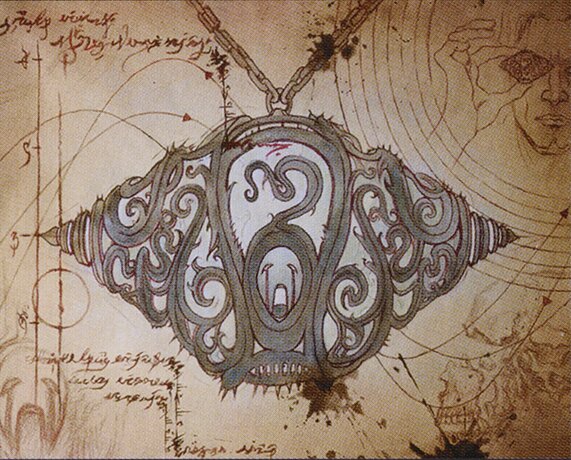
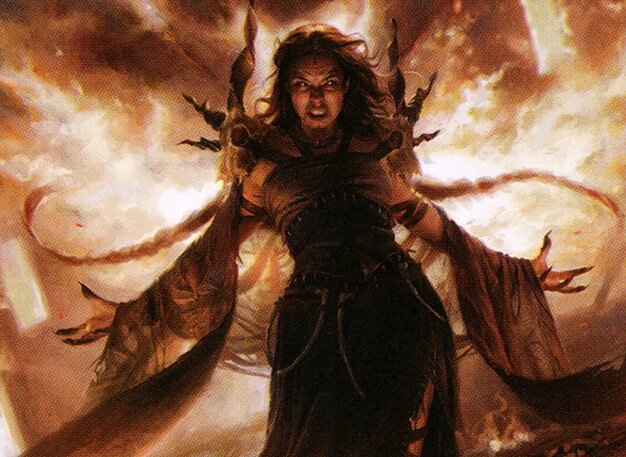
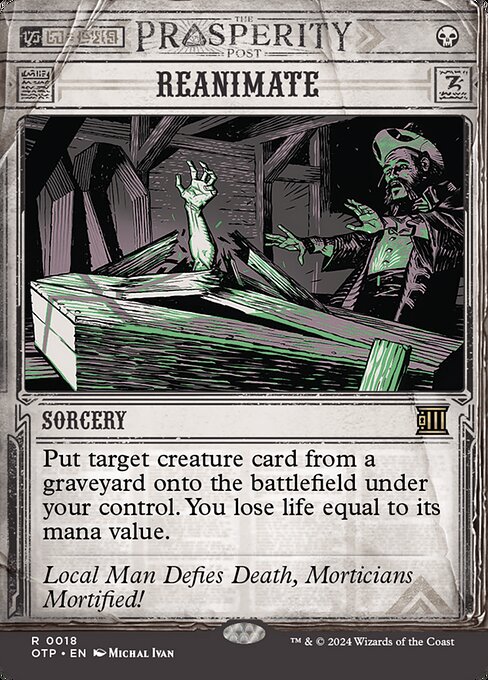
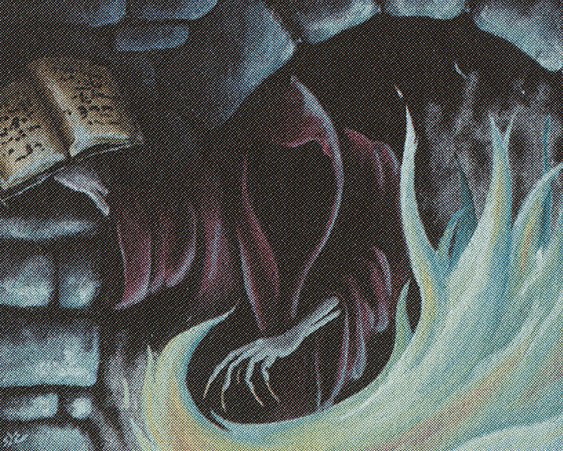
This is a really interesting card in that it’s definitely one of the most powerful cards in the format right now but not too many decks are running it.
A full reanimator deck is very difficult to build at the moment since you need more than 4 reanimation spells for your proactive gameplan to be consistent enough and the next best options such as Priest of Fell Rites or Victimize are just nowhere near as good, plus it’s very vulnerable to Surgical Extraction which is seeing a decent amount of play in sideboards right now.
Because of this Reanimate is mainly seeing play as a small package in decks alongside Troll of Khazad-dûm which can pitch itself to the graveyard to Reanimate, and is also being used fairly to Reanimate smaller creatures too so we’re unlikely to really maximize the power of Reanimate until we get more reanimation support in a future set like Modern Horizons 3.
The most natural home for the Reanimate package is alongside Death's Shadow where you can turn the life loss downside into a benefit leading to some fast starts where you can Reanimate a Troll of Khazad-dûm and get Death's Shadow down very early which applies a ton of pressure.
Running this package does come at a cost of losing Lurrus of the Dream-Den though which is a big deal, and you give up some amount of consistency in order to do so since drawing Reanimate without Troll of Khazad-dûm can be clunky if your other early creatures don’t get killed, and you lose out on Lurrus of the Dream-Den as a guaranteed mana sink for Mana Drain and a guaranteed way to grind into longer games.
Overall the Lurrus of the Dream-Den variants have been performing better from what I’ve seen and tested, so that’s the version I’m using as the sample list on the tier list, but this is definitely a good alternative if you wanted to give up some consistency for extra speed.
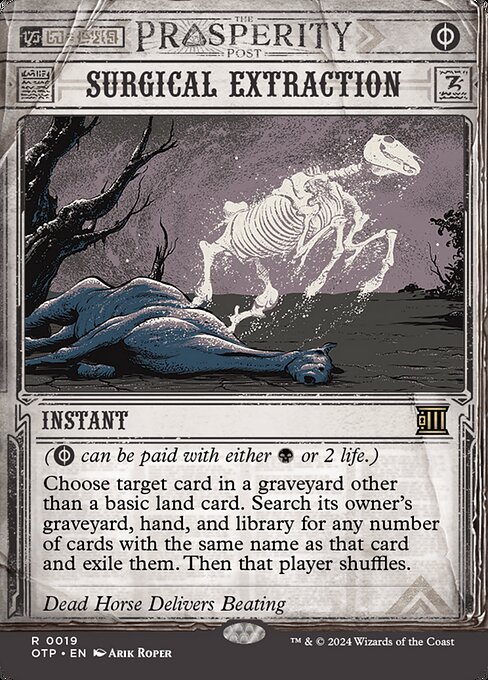
This has been a nice addition to sideboards as a way to fight against graveyard decks, a way to fight combo decks like Show and Tell in discard heavy decks, and is a great addition to Mill which I’ll go over in more detail later.
Very graveyard-centric decks like Phoenix and Dredge aren’t seeing much play right now so this has mainly been used against graveyard synergies such as the aforementioned Reanimate package, as well as a way to extract combo pieces such as Show and Tell (I personally think this is generally more risky than specific hate pieces like Roiling Vortex though since you need quite a lot to go right for it to be effective such as drawing it alongside a discard spell and the opponent then having a combo piece in hand as well as not having Veil of Summer or Leyline of Sanctity, but it being more flexible and having uses in other matchups is a nice upside).
Overall this is a great sideboard option to have access to in any color, and is likely to become more relevant in future as more all-in graveyard decks emerge.
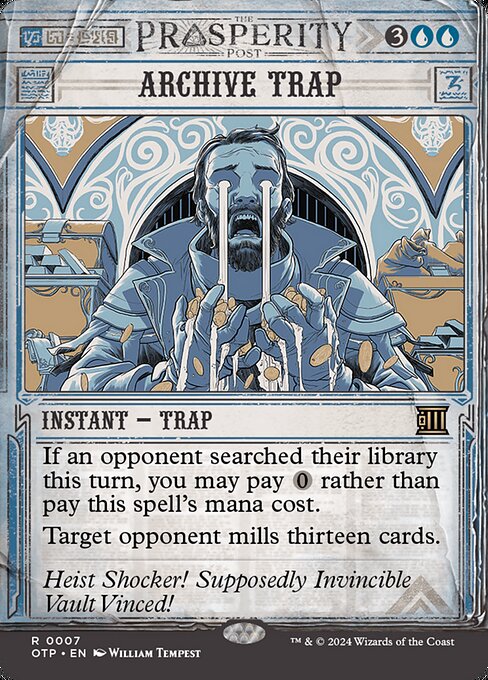
The only real brand new archetype we’ve seen emerge from OTJ is Dimir Mill which has largely been enabled by Archive Trap and Surgical Extraction. Archive Trap specifically is a huge boost to the speed of the mill deck, essentially milling a quarter of the opponents deck after they’ve drawn their opening hand, and can be fairly consistently cast for 0 mana due to fetch lands being very widely played.
Mill has been fairly polarizing where you tend to have a great matchup against decks that are slower to commit to the board like Show and Tell and Dimir Control, but can struggle against the faster creature decks like Domain Zoo and the various Lurrus of the Dream-Den tempo decks (although Tasha's Hideous Laughter is a great tool in those matchups).
Lurrus of the Dream-Den is definitely a potential option in this archetype too especially if you choose to run it alongside Founding the Third Path or Mishra's Bauble but there didn’t really feel like there were enough good cheap instants and sorceries to consistently have something to cast off chapter 1 of Founding the Third Path and having to run sub-par cards like Maddening Cacophony to enable it didn’t really feel worth it.
Because of this I’m choosing to forego it in order to run a couple of copies of Jace, the Perfected Mind which gives the deck a higher density of good quality mill, but Lurrus of the Dream-Den are definitely viable. Because of the somewhat polarizing matchups for mill I’ve put it into low tier 2 on the tier list, but I could see it becoming more of a contender if you can figure out a solid sideboard plan for the faster creature decks.
It’s also very flexible and gives you a great way to slow down the tempo decks like Grixis Shadow that have been on the rise since it can also be used to answer any of their creatures and it can’t be stopped by Spell Pierce or Mana Drain. Because of this I’ve been liking 4 copies in the sideboard but I could see moving some number to the maindeck depending on how the metagame shifts.
Another new change to the list is running a single copy of Gaea's Blessing to the sideboard as a great tool against mill. This is a very narrow use of a sideboard card but you only really need 1 copy so the opportunity cost is fairly low and it can flip what is otherwise a very difficult matchup on its head assuming the opponent doesn’t immediately have Surgical Extraction or you draw it.
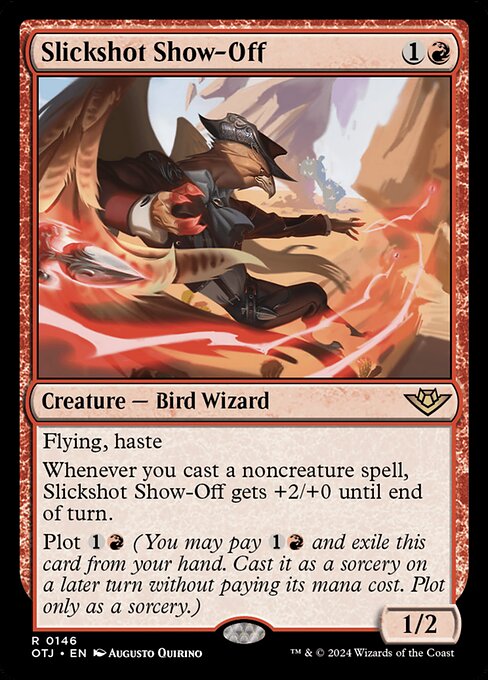
This is a card that has been incredibly strong in a ton of other formats and although it hasn’t really seen widespread play yet in Timeless, it has been putting up decent results in Rakdos Burn which has always been a reasonable deck in the format. This is capable of forcing through an incredible amount of damage if the opponent doesn’t have a piece of removal for it, and if you suspect they do then the ability to plot it plays around that fairly effectively, often forcing the opponent to continuously hold open mana every turn to answer it in case you play it.
Another new card that I’ve been running in the sideboard of Titan is High Noon. I was previously running Rule of Law in the sideboard as a hate piece against both Show and Tell and storm-based combos that’s much more difficult to interact with than alternatives like Boromir, Warden of the Tower and Archon of Emeria and High Noon is basically a strict upgrade on that so it slots right in.
I’m also still choosing to run a single copy of Boromir, Warden of the Tower in the maindeck to fetch with Archdruid's Charm against Show and Tell just because that matchup is so bad for you otherwise so it feels worth the slot but you can obviously swap that out for something else if you feel it isn’t worth it.
Another small change I’ve made to Winota is replacing the maindeck Boromir, Warden of the Tower (which weren’t great in most non-Show and Tell matchups) with Anointed Peacekeeper (which is generally much better across the board and is still reasonable against Show and Tell). This is predominantly because of the increase in popularity of other decks but I’ve still got the Boromir, Warden of the Tower in the sideboard for the Show and Tell matchup.
Conclusion
The main changes since Outlaws of Thunder Junction has been the rise of blue decks thanks to the power of Mana Drain, predominantly Grixis Shadow and Dimir Control. Show and Tell has fallen from the top of the format but I still believe it’s tier 1, and there’s also some other decks that have moved further down due to their weakness to counterspells and controlling decks in general such as Yawgmoth and Winota.
Overall I’ve been enjoying the metagame so far and I’m incredibly excited for the addition of Modern Horizons 3 in the not too distant future. Thanks a lot for reading!
Alth is an MTG Arena grinder who has been #1 on the ladder multiple times and is always looking to bring new ideas and archetypes to the format and push them to the top spots on the ladder. You can follow him on Twitter and YouTube.