The best MTG Arena Traditional Best of Three Timeless (Bo3) decks in our meta tier list comes with the latest up to date decklists and descriptions, their weaknesses, and when it is good to play.
Discover the best Magic: The Gathering Arena Timeless decks and archetypes that the players are using to climb the ranked ladder and win tournaments. Our MTG Arena Best of Three (Bo3) Timeless Meta Tier List regularly reviews and ranks the top decks in the format, carefully curated by our expert Altheriax. We also follow up our choices based on a variety of factors and sources, with a comprehensive analysis of the data available.
Meta Overview and Changes
For Premium members, here’s a meta report detailing all of the changes in the format over the past few months including new decks, new innovations in existing archetypes, and a look at some of the decks that have dropped off entirely since last time and why:
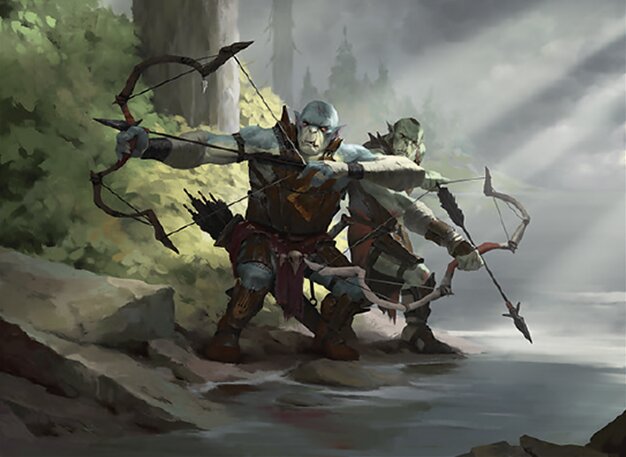
This is a low to the ground aggressive deck which runs the same core package as Boros Energy but is splashing black for discard effects which help to improve the combo and control matchups, and generically powerful cards like Orcish Bowmasters and Chthonian Nightmare. The core Boros package includes very cheap creatures that are essentially must-kill threats in the form of Ocelot Pride, Guide of Souls, Ragavan, Nimble Pilferer, and Ajani, Nacatl Pariah which all snowball the game if left unchecked and really tax the opponent’s removal.
Then post-sideboard you have a lot of good tools to pivot depending on the matchup such as additional discard against control and combo, Unlicensed Hearse against graveyard and combo decks, additional removal against opposing creature decks, and hate cards such as Deafening Silence for Show and Tell.
This is a combo control deck that is looking to win by cheating either Omniscience or Atraxa, Grand Unifier into play with Show and Tell as early as turn 3. Omniscience is generally the stronger of the two enabling you to cast all of your spells for free, and with a lot of card selection and digging spells you can find your 1 of Mastermind's Acquisition very consistently to fetch Approach of the Second Sun as your win condition.
Additionally since this deck is also a control deck you can often just lock the opponent out of the game with Hullbreaker Horror alongside Omniscience enabling you to bounce any problematic permanents and stop all of their spells on the stack which diversifies your win conditions and makes the deck more resilient.
Hullbreaker Horror is especially useful against hate cards that counter spells cast for free such as Vexing Bauble or Lavinia, Azorius Renegade since you can cast Hullbreaker Horror for free off Omniscience which resolves since it can’t be countered, then you can cast your worst spell which gets countered but triggers Hullbreaker Horror enabling you to bounce their hate card and then combo off.
As I mentioned this particular list is leaning more towards control with dedicated spots for interaction which helps you in combo mirrors thanks to your counterspells, and aggro decks thanks to cheap removal like Fatal Push. Mana Drain in particular is really powerful in this list since you have good ways to utilize the excess mana such as hardcasting Atraxa, Grand Unifier (which is why there’s a Hallowed Fountain in the manabase), Dig Through Time, Hullbreaker Horror, Show and Tell plus counterspell backup, or even hardcast Omniscience in longer games.
The majority of the rest of the deck is card selection and advantage spells to help assemble the combo whilst also helping you combo off with Omniscience in play, and playing well with the controlling gameplan. Brainstorm is arguably the best card selection spell in the deck thanks to a decent number of fetch lands, Assemble the Team and Demonic Tutor are very consistent at finding one of your two combo pieces or way to protect the combo if you’ve already got it, Dig Through Time is very easy to get online early and is great at finding whatever missing pieces you need.
On top of that all of these cards are crucial to being able to win once you have Omniscience in play since they can find key cards like Mastermind's Acquisition, Atraxa, Grand Unifier, Dig Through Time, or other card selection spells to keep looking, which is important or you risk fizzling and losing even with Omniscience in play.
The final two cards of note in the main deck are Veil of Summer and Borne Upon a Wind. Veil of Summer is a really important tool in fighting against the types of interaction which are best against you in discard and counterspells, and is really strong as a way to force through the combo if the opponent tries to fight on the stack with counterspells of their own, or to protect your hand pre-emtpively from a discard spell.
Finally Borne Upon a Wind is important as a 1 of which enables you to win at instant speed under Omniscience which is really important if the opponent cheats a card with an enter the battlefield into play that can remove Omniscience, or in the mirror where both players have Omniscince in play, and it can also be found with Waterlogged Teachings to find it more consistently (whilst also being able to find Dig Through Time in other spots).
This is essentially the Dimir Tempo core we’ve seen run for a while now with a light white splash for better interaction and hate pieces with maindeck Swords to Plowshares, and Prismatic Ending and Deafening Silence in the sideboard. This is a tempo deck that pairs cheap efficient threats that either apply pressure fast or snowball the game with cheap interaction and counterspells to keep the opponent off the board and clear the way for your threats to keep connecting.
Deathrite Shaman provides early mana acceleration, maindeck graveyard hate, plus incremental lifegain or direct damage, Tamiyo, Inquisitive Student provides repeated card advantage thanks to the clue generation and is relatively easy to flip thanks to Brainstorm at which point it doubles up as a win condition thanks to the ultimate, and a way to rebuy your interaction to defend your board, Psychic Frog snowballs advantage, can grow quickly, and give itself evasion fairly freely since you fill the graveyard very quickly, and Orcish Bowmasters provides you with a threat that’s strong against other Brainstorm decks as well as Boros Energy, and enables you to hold open other interaction since it has flash.
The rest of the list is largely cheap interaction to let these threats snowball such as Swords to Plowshares to keep the opponent’s creatures off the board, and Mana Drain and other cheap counterspells like Spell Pierce and Spell Snare to stop combos, card advantage engines, and key creatures. On top of that you have good quality card advantage or card filtering in the form of Brainstorm and Treasure Cruise, and Lurrus of the Dream-Den to help grind into longer games.
Since this deck’s manabase is comprised entirely of MDFCs it means that Goblin Charbelcher will almost always deal lethal when you activate it, and it’s actually possible to win with Goblin Charbelcher on turn 1 if you evoke Solitude, sacrifice it to Sacrifice, then cast Dark Ritual since that produces 7 mana.
Necropotence and Necrodominance are also very strong turn 1 plays enabling you to refuel, undo any mulligans you may have done, and helping you find other combo pieces and acceleration to set up a win. Finally you also have Sorin, Imperious Bloodlord which can be cast on turn 1 thanks to Dark Ritual and Sacrifice, and can be used to put Saint Elenda into play the same turn which snowballs the game very quickly, and also provides you with outs to problematic permanents thanks to Faith's Fetters against creatures and Invoke the Divine against artifacts and enchantments like Omniscience or Goblin Bombardment.
For Sacrifice to work as early acceleration we’re also running the full playset of both Grief and Solitude which can both be evoked on turn 1 and then sacrificed to Sacrifice before it dies to its own ability which produces 5 mana and ramps into all of your top end.
The effects of both pitch elementals are also very useful especially Grief which allows you to pre-emptively remove a card like Spell Pierce that may otherwise disrupt your follow-up play (plus we also have Malakir Rebirth as a way to ‘scam’ Grief into play on turn 1 as another powerful opening), and Solitude also provides you with some creature interaction to slow decks like Mardu Energy down.
It’s important to note that this is a deck you should mulligan aggressively with and ensure you have a strong proactive plan before keeping – the deck can also get away with mulliganing more thanks to Necropotence and Necrodominance replacing the lost resources.
Outside of that you also have The One Ring which provides some breathing room against aggressive decks like Mardu Energy, gives you ways to pull ahead in longer games, and provides the deck with more good topdecks which is important against decks utilizing discard spells.
You also have Fallaji Archaeologist and Thundertrap Trainer which both can find all of your combo pieces as well as interaction like Flare of Denial which can be cast for free by sacrificing either creature too which gives you even more efficient ways to fight on the stack, plus Mana Drain where we have great ways to utilize the excess mana such as The One Ring and Goblin Charbelcher.
The rest of the list is largely comprised of MDFCs for your manabase although a few of them are worth discussing for the spell side too. Waterlogged Teachings can help you find Dig Through Time if you have Omniscience in play and need to keep comboing, or Commandeer if you need to interact as well as being playable as a land, and Sink into Stupor is really nice as unconditional removal to answer hate cards once you have Omniscience in play.
This is an aggro deck that is also capable of grinding well into longer games with incredible overall card quality which makes it difficult to outrace or outgrind with fair decks.
Goblin Bombardment is also excellent with Ajani, Nacatl Pariah (allowing you to flip it at instant speed and then counting as a red permanent to get the damage off the planeswalker’s 0 ability which can often kill the opponent in conjunction with Goblin Bombardment), and Ocelot Pride (which can create tokens very quickly if it’s not answered allowing you to deal a lot of direct damage with Goblin Bombardment).
This build is choosing to run Jegantha, the Wellspring over Lurrus of the Dream-Den in order to gain access to Phlage, Titan of Fire's Fury (which is excellent against opposing creature decks and doubles up as a powerful win condition, especially when paired with Arena of Glory), The One Ring (which enables you to go over the top of very interactive decks, and is excellent in energy mirrors), and Blood Moon in the sideboard (which is solid against a variety of multicolored or MDFC heavy manabases).
Assembling a 4 card combo might seem like a tough ask in Timeless but all of the cards serve a purpose on their own and synergize well with each other so you don’t always need to go infinite in order to win, and you also have Necropotence and Diabolic Intent as ways to dig towards missing combo pieces if you do need to go infinite.
Speaking of which getting to run Dark Ritual + Necropotence is a really strong engine that can often single handedly win you the game but has often struggled with the issue in the past that drawing one without the other can be a bit awkward, but there are a lot of other good fast starts that Dark Ritual can enable in this list (including a turn 2 win), and you can ramp into Necropotence on turn 2 via Shambling Ghast or Greedy Freebooter + Phyrexian Tower so this is one of the best Dark Ritual + Necropotence deck we’ve seen in Timeless so far.
This is a deck that’s attacking from a lot of different angles – you have both Grief and Solitude alongside Ephemerate which give you decent maindeck interaction against combo and creature decks, a reanimator gameplan with Psychic Frog, Diviner of Fates, and Overlord of the Balemurk as generically powerful cards that also enable you to pitch reanimation targets like Atraxa, Grand Unifier and Abhorrent Oculus as well as the pitch elementals since they send themselves to the graveyard.
Splashing green also gives you access to Malevolent Rumble which is an extremely strong set up card in this deck, allowing you to find missing combo pieces whilst also filling the graveyard for Underworld Breach, and immediately giving you a mana back too. Additionally you get access to some useful sideboard cards like Veil of Summer against discard and counterspell heavy decks, Abrupt Decay which gives you a flexible out to the majority of hate cards, and Culling Ritual as a tutor target that’s great against Lurrus of the Dream-Den decks and multiple pieces of hate.
The real strength of this deck is that it isn’t one dimensional, and having a fair midrange plan B means that combo hate cards only slow you down, and don’t shut you out of the game entirely which makes the deck very resilient and difficult to shut off both angles of attack, since if the opponent is very focused on shutting off Underworld Breach, they leave themselves vulnerable to getting beaten down by Dragon's Rage Channeler and Orcish Bowmasters instead.
This is another Show and Tell variant but this one is choosing to forego speed and interaction in orer to be more resilient thanks to Shifting Woodland which helps to improve your matchup against discard and counterspell heavy decks like UBx Tempo.
Since we often need Ulamog, the Defiler and delirium for Shifting Woodland, we’re running looting effects like Tempest Hart and self mill like Malevolent Rumble to set this up, whilst also being important cards at filtering through our deck once we have Omniscience in play to ensure we don’t fizzle.
This is a control deck that is looking to slow the opponent down with cheap efficient interaction in the early game, and then take over the mid-late game with cards like The One Ring, Dig Through Time, and Phlage, Titan of Fire's Fury.
Stifle is a really useful card in this list as well allowing you to counter the opponent’s fetch lands in the early game, as well as ‘scamming’ Phlage, Titan of Fire's Fury into play as a creature with 4 mana, and countering the damage trigger from The One Ring (since you can activate it in response to draw with the damage trigger on the stack and then counter it if you draw a Stifle).
You can also pivot relatively well by tweaking your interaction depending on the matchup such as extra counterspells against control and combo, extra sweepers against energy, as well as hate cards like Disruptor Flute for combo decks and Teferi, Time Raveler against counterspells.
Premium
Enjoy our content? Wish to support our work? Join our Premium community, get access to exclusive content, remove all advertisements, and more!
No ads: Browse the entire website ad-free, both display and video.
Exclusive Content: Instant access to all exclusive articles only for Premium members, at your fingertips.
Support: All your contributions get directly reinvested into the website to increase your viewing experience!
Discord: Join our Discord server, claim your Premium role and gain access to exclusive channels where you can learn in real time!
Special offer: For a limited time, use coupon code L95WR9JOWV to get 50% off the Annual plan!
Alth is an MTG Arena grinder who has been #1 on the ladder multiple times and is always looking to bring new ideas and archetypes to the format and push them to the top spots on the ladder. You can follow him on Twitter and YouTube.