Hey all. Last week I provided decklists for the Bo1 Play-In to help folks prepare to take it down, and as the Bo3 Play-In is today, Friday the 22nd, and the actual qualifier is tomorrow, Saturday the 23rd, and also Bo3, I wanted to once again provide some decklists to help anyone participating prepare.
Back in the day (last spring) I would try to provide a unique deck that other players weren’t prepared for to help y’all take the tournament by surprise. But I’ll be honest, Standard has kind of beat me down, and while I think there is a lot of interesting stuff going on in this Standard format, it is not super brew friendly.
Between brutally fast aggro decks, crushingly efficient midrange decks, and big mana decks that go over the top of you, it is really hard to find something new to do. It’s not impossible, one of the decks I’ll review was a new brew that a team brought to the World Championship, but alas, I am but one man who cannot dedicate enough time to crack the code and break open Standard.
All that said, today I will be presenting my picks for the top decks of the weekend, so you can either choose to take one of them into the fray, or at least be aware of what your opponent’s will be bringing so you feel prepared.
Dimir Midrange will absolutely be one of the most played decks this weekend, and you have to have a plan to beat them.
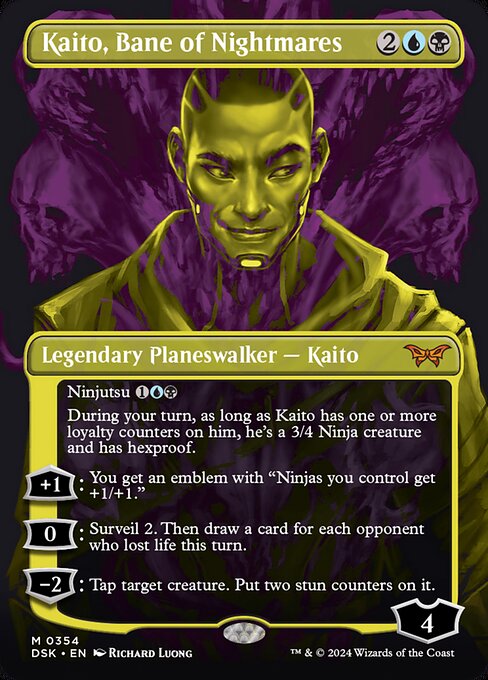
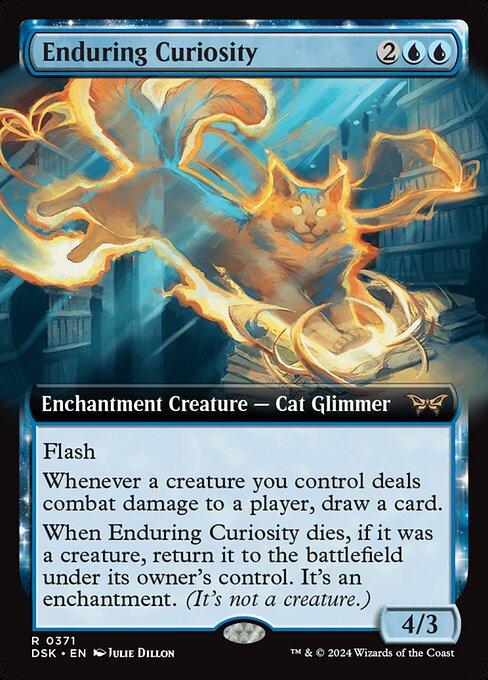
Dimir Midrange is great at grindy, drawn-out games, making use of cards like Kaito, Bane of Nightmares and Enduring Curiosity to keep the cards flowing, so it feels like they always have the right answer to stop you.
If you decide to play it: If you go with Dimir Midrange this weekend, practice knowing when to be patient and when to be more proactive. The deck has endless options thanks to so many of the cards having flash or being an instant. In some games, you will need to slow down, take your time to counteract what the opponent is doing, and then deploy your own game plan. In other matchups you will need to let a spell resolve and flash in that Enduring Curiosity to get the cards flowing.
Of course you should practice any deck before taking it to a tournament, but I cannot stress enough how many extra little percentage points you will get if you have mastered the patience to proactive scale.
If you are preparing to play against it: If you are playing something else this weekend, you have to have a plan for Dimir Midrange. If you are an aggro player, learn their removal suite and flash threats so you know what they could possibly have in any given situation and what you can and can’t play around.
Golgari Midrange is another deck that I guarantee a lot of players will be playing this weekend. Golgari is one of the few decks that got several quality upgrades from Foundations, so let’s go over them.
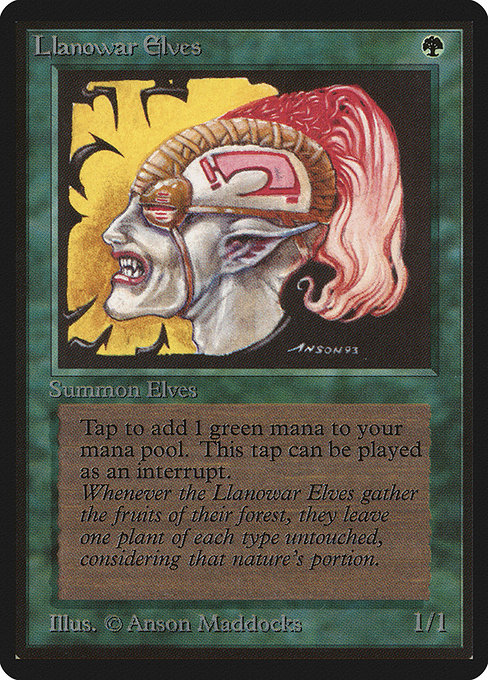
Llanowar Elves may not seem like an obvious choice for a midrange deck, but thanks to the high number of three drops the deck plays, Llanowar Elves is right at home. The deck also has access to Scavenging Ooze to attack graveyard decks, and Vivien Reid as a source of card advantage.
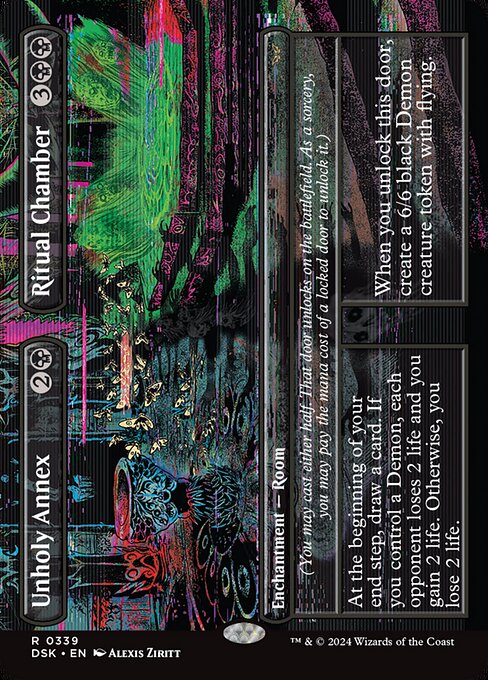
The best new card may be Soulstone Sanctuary. Not only is it a powerful creature land, as you only need to activate it once, but it has vigilance so you can still make use of its mana, and it has all creature types. That last bit might sound irrelevant, but that means that you have two more Demons for your Unholy Annex to switch from life loss to life drain.
If you decide to play it: If you take up Golgari Midrange, spend some time learning how to best use Soulstone Sanctuary. It can be activated on turn four (or three if you have an elf) but isn’t always best to make it a creature as soon as possible because then that opens it up to removal spells and sweepers. Activating it after Unholy Annex is a nice curve to get the drain started.
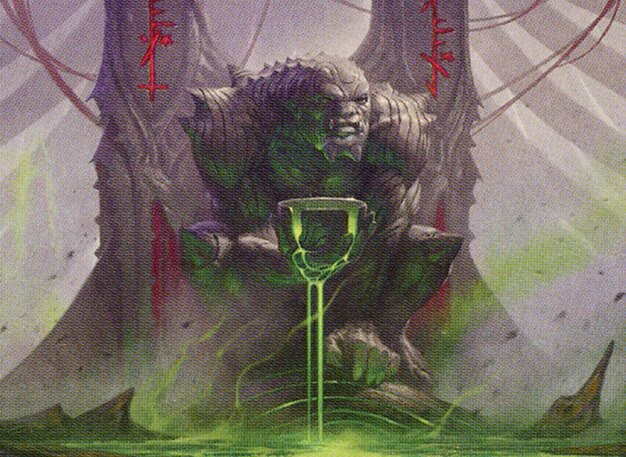
Also, be wary of just jamming Archfiend of the Dross if you don’t have other pressure in play. This deck will have some draws where Archfiend has to play defense and you won’t have enough pressure to kill the opponent before those oil counters all slip away.
If you are preparing to play against it: The most problematic permanents from Golgari are Unholy Annex, Archfiend of the Dross, and Glissa Sunslayer. Most decks will have removal spells that can take out Glissa, but Archfiend is out of reach for Red decks. Pawpatch Formation is a great choice as it can take out either Unholy Annex or Archfiend.
Regardless if you are a fast deck or a slow deck, you always kill Llanowar Elves when given the chance. An elf left alive will do more than just pump out a three drop on turn two. It means a four drop on turn three, or a double spell on turn four/five. It means an extra mana to activate a map token or a Scavenging Ooze. Just use your Cut Down or Shock on that elf, and you won’t regret it.
Mono-Red Aggro is still the top dog when it comes to aggro decks in Standard, and you have to be ready for it.
This deck only really got one upgrade from Foundations, and that was the addition of Burst Lightning to replace Shock. It is going to play functionally the same in most matches, but occasionally the Mono-Red Player will flood out and be able to pay the kicker to make Burst Lightning better.
If you decide to play it: If you decide to play Mono-Red Aggro you need to learn about your creatures. What is the best curve with the hand you have? When do you deploy which creature? When do you use Hired Claw’s activated ability? Good sequencing of creatures, baiting out opponent’s removal spells on less valuable creatures like Monastery Swiftspear, and making the most of your mice synergies can be the difference from finishing off an opponent and them living on a few life points.
Sometimes, less is more, and taking a turn to use Rockface Village and activate Hired Claw may be right if you are expecting a sweeper from the opponent. Rockface Village can be used to give all of our creatures that don’t already have it haste, meaning that we can sometimes afford to be patient and then hit the opponent once they tap out for that sweeper or big spell.
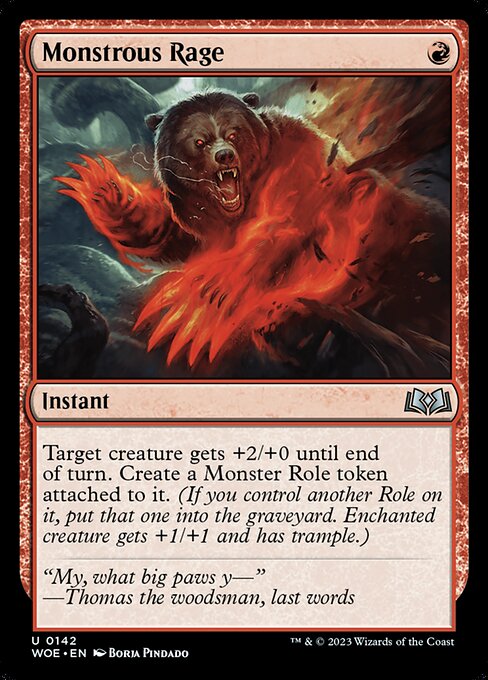
If you are preparing to play against it: I’d give the same advice: learn about their creatures. This build of Mono-Red is so good because they have so many creatures that are all incredibly powerful. Learn their creature base so you know how to use your removal spells in the best way. Blocking is tough against this deck because they have so much burn to remove creatures as well as Monstrous Rage to force through damage. Be patient and make them use their spells first so you have as much information as possible before using yours.
There is a new hotness in town, and its Boros Burn. This deck may not be as big of a player this weekend, but I wanted to shout it out just so it was on everyone’s radar.
The main reason to play this deck over Mono-Red Aggro is Boros Charm. Four damage for two mana is nuts, and occasionally giving your permanent indestructible, or a Slickshot Show-Off double strike, will make a big difference. Otherwise, the play pattern is quite similar to Mono-Red Aggro, as several of the threats and burn spells overlap.
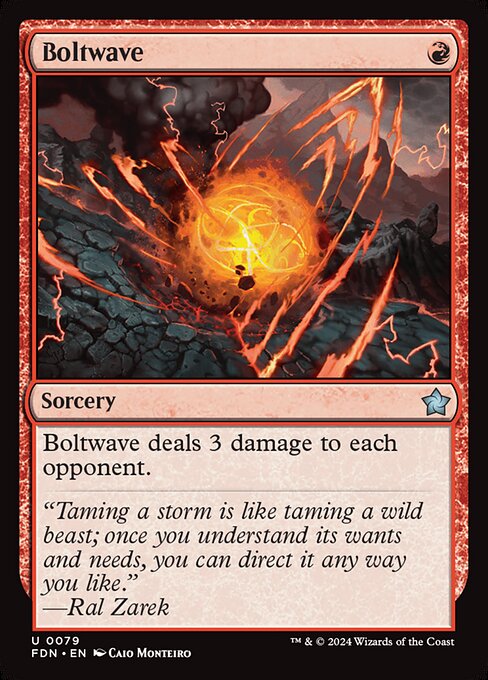
Boltwave is our other new Foundations card. Three damage for one mana is big game in a deck full of prowess creatures.
If you decide to play it: Burn haters think that it is a braindead deck, but that really isn’t the case. Sequencing is very important, as is trying to use all of your mana every turn. Like I said above, learn the other corner case uses of Boros Charm. With big prowess creatures, especially Slickshot Show-Off, there will be times where the double strike mode is actually worth five damage instead of just four damage. Of course, that does open you up to a removal spell, so it depends on the game state. Only practice will help you learn when to do what with it.
The other tough part with burn is when to use your burn spells on opposing creatures versus when to just go at your opponent. Burn decks are basically a constant math problem. You need to think about how much damage you have versus their life total, as well as your life total compared to their clock. Does removing their creature help your creatures get in? Do you need to remove it because their clock is faster than yours? These are the thoughts that need to be going through your head as you decide how to use your spells.
If you are preparing to play against it: Despite their high number of burn spells that go at your face, you still need to use your removal efficiently to prevent their creatures from getting in a lot of extra damage. These burn decks don’t have a ton of longevity, meaning they don’t have much card advantage, so a little bit of life gain can go a long way to stabilizing the game for you.
You should also learn about the other corner case uses of Boros Charm so you are prepared for them to grant indestructible or double strike instead of just using it for four damage.
Mono-White Token Control has had a small resurgence as of late, and I wouldn’t be surprised to see a decent number of players decided to play it this weekend.
The deck didn’t really get many new toys from Foundations but it did get one big one for the sideboard in Authority of the Consuls This one mana enchantment solves a lot of their weakness against decks like Mono-Red Aggro that are full of haste creatures. That extra turn granted by the creature entering tapped means that we can use sorcery speed removal like Lay Down Arms and sweepers to take out creatures when previously we might have just had to take the hit to the chin.
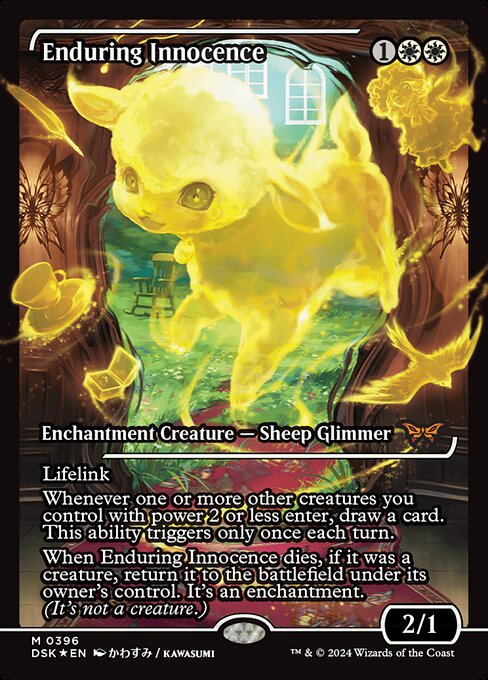
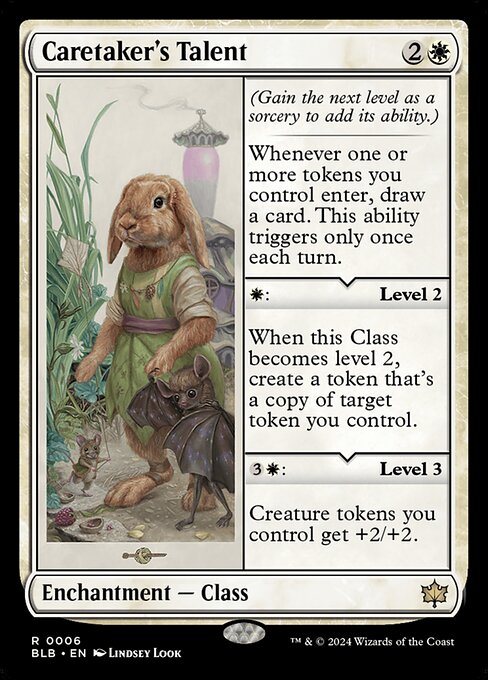
If you decide to play it: The deck plays very differently when you have Caretaker’s Talent or Enduring Innocence in play versus when you don’t. Most games you should be trying to buy time until you can find one of them and then start the card advantage train. Until then, focus on using your removal spells proactively, and put yourself in a position to smoothly transition into the mid and late game.
Carrot Cake, Virtue of Loyalty, and Fountainport are all very valuable in this deck because they can make tokens on your opponent’s turn. Our card advantage engines only trigger once a turn, so being able to also draw cards with them on our opponent’s turn is going to give us a huge advantage and access to a lot more resources.
If you are preparing to play against it: Enchantment removal is a must as both of their card advantage engines are enchantments. Tear Asunder is the best option since it can exile Enduring Innocence, but a Tranquil Frillback that is kicked twice, once to destroy the innocence and twice to exile their graveyard, can also deal with it. Without their sources of card advantage, the deck is pretty low on card quality.
A lot of their removal is sorcery speed, or sweepers, so don’t overextend into sweepers and be aware if they are representing one of their few pieces of instant speed removal like Get Lost.
The new default build of Domain, Zur Domain packs more of a punch in the mid game and is well equipped to fight the various aggro and midrange decks in the meta.
This build of the deck isn’t playing any new cards from Foundations, but I do think they should consider playing Authority of the Consulsin the sideboard, as it is just so good at buying time against Mono-Red Aggro.
For those unaware, the goal of this deck is to play a normal Domain gameplan, but the twist is that Zur, Eternal Schemer can turn your overlords that were cast for their impending cost into creatures for just two mana, making them big creatures with lifelink, deathtouch, and hexproof. This can occur as early as turn four if Overlord of the Hauntwoods was cast on turn three, and it gives the deck a much faster clock, lifelink to help stabilize against aggro decks, and helps the scaling into the late game start much earlier.
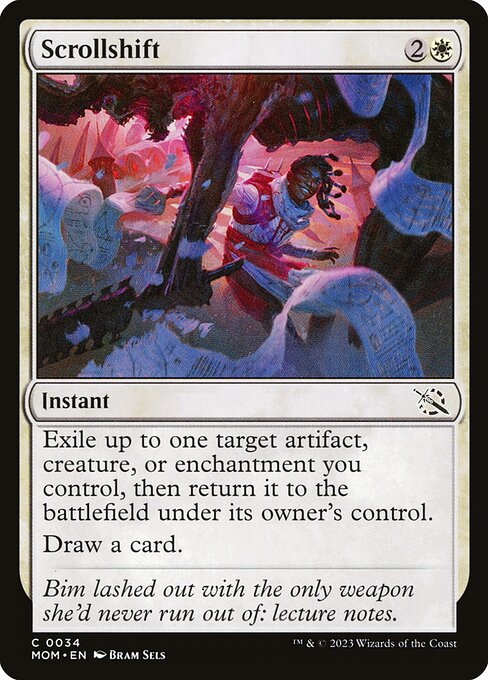
The other part of this plan is Scrollshift, which can exile an overlord that was cast for their impending cost and return it to play as a full creature.
If you decide to play it: If you are used to Atraxa builds of Domain, you have to get used to playing with Zur. Zur is pretty fragile, and even dies to Cut Down, so only deploy it when you also have the mana to turn an enchantment into a creature right away. Zur isn’t just good with overlords, but can turn Leyline Binding into a 6/6 with lifelink and hexproof, and even a 2/2 Up the Beanstalk is a great blocker thanks to Zur also giving deathtouch.
This deck has the tools to fight against aggro but is still playing a lot of tapped lands and less sweepers than previous builds of Domain. Focus on controlling the board when you can, but your best tool against aggro is to get big lifelink creatures into play via Zur, meaning your first priority should be getting your overlords into play and following them up with a Zur as soon as you can.
If you are preparing to play against it: I’m starting to sound like a broken record, but you need enchantment removal against this deck. Pawpatch Formation, Tear Asunder, etc. are all good here. The problem is that Zur gives the enchantments he animates hexproof, so also have a plan to remove Zur. For aggro decks this is especially important as Zur is the source of lifelink, so while removing Zur won’t get rid of the enchantment creatures, it will remove lifelink.
This deck is still pretty slow, so try to establish a clock and keep them off their gameplan. Don’t overextend into sweepers though!
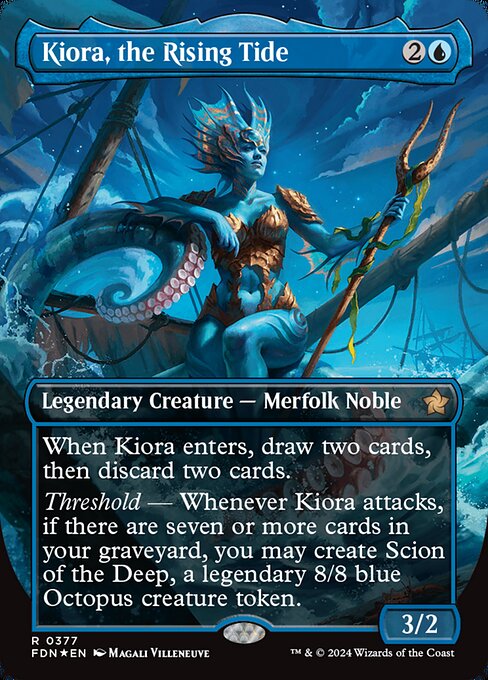
Azorius Oculus also has had a bit of a comeback thanks to Kiora, the Rising Tide breathing new life into their game plan.
Kiora is one of those rare cards that is both an enabler and a payoff. It can help you get key cards into your graveyard for reanimation, but is also a threat itself, as attacking with Threshold will give you an 8/8 token. It is worth noting that the token is legendary, so don’t think you’ll be able to keep attacking with Kiora and keep getting more and more tokens.
On top of Kiora, these decks have started to play Founding the Third Path as a way to fill the graveyard and then cast a milled copy of Helping Hand or Recommission to reanimate a creature.
If you decide to play it: Kiora adds a new dimension to this deck, but it doesn’t solve all of its problems. Be prepared for graveyard hate, especially in the post sideboard games, and have a plan to deal with them. Get Lost, Exorcise, and Into the Flood Maw can be used to deal with cards like Rest in Peace, Leyline of the Void, and Ghost Vacuum. Plan to use them on an opponent’s end step, and then use your turn to “go off” refilling the graveyard and reanimating a threat.
You don’t have many tools to fight against aggro decks so focus on executing your own game plan. A copy of Abhorrent Oculus and its army of manifests can help hold the fort for a while, but you need to kill the opponent before they can kill you.
If you are preparing to play against it: Graveyard hate is key, but as discussed above, it is not guaranteed to stick. Have multiple sources or be prepared to fight their creatures with answers like Anoint with Affliction. They don’t have good tools to fight against aggro, so establish your own game plan and then try to keep them off balance.
Temur Prowess was the surprise deck of the World Championship, and I don’t expect a lot of players to play it this weekend, but it is worth knowing about so you aren’t caught off guard.
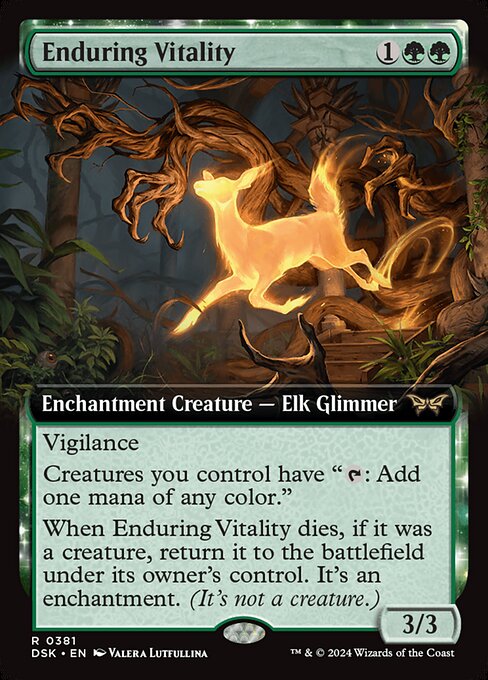
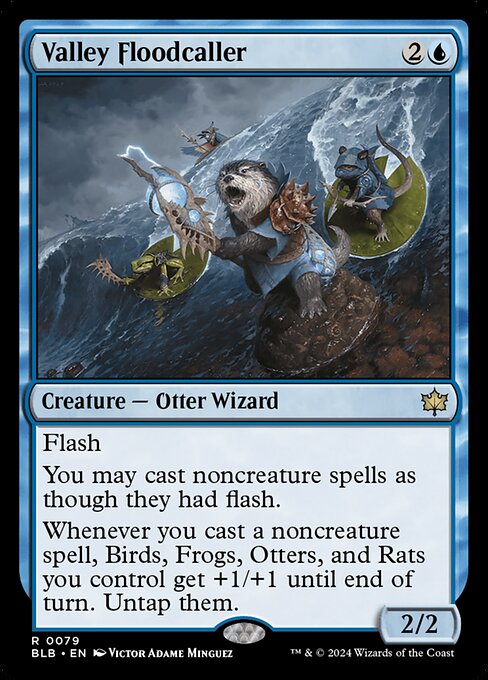
The goal of this deck is to have Enduring Vitality in play as well as Valley Floodcaller and some number of otters. Thanks to Enduring Vitality, all of your creatures can tap for mana, so tap them to cast a noncreature spell. They will then untap thanks to Valley Floodcaller. Loop this as much as you can and then get in for a big attack. If you are floating mana along the way you can build up to cast a big Song of Totentanz. You can also use the song or Bitter Reunion early on to give creatures haste so you have access to more mana.
If you decide to play it: This is a very tricky deck and I would not recommend just trying to give it a spin without putting hours into testing it and getting a feel for how the combo turns play out. Nothing is worse than trying to go off and then realizing you don’t have enough and coming up short. I haven’t personally taken the time to learn this deck so I don’t have a ton of specific advice. I’m sure a search on Youtube will reveal some gameplay of this deck to help you learn.
If you are preparing to play against it: Removal is key, as taking out Valley Floodcaller in response to their first spell can straight up fizzle their combo turn. If you are able to exile Enduring Vitality then taking that out can also help, as that will severely limit their mana.
Wrapping Up
I hope this article was helpful as you prepare to take on the Qualifier Play-In or the Qualifier itself. While you are absolutely going to run into other decks outside of the eight covered in this article, I do think that these are the most common decks you will see, and you 100% need to know what they are about and how to fight against them.
If there is once general piece advice for this Standard format: pack enchantment removal in the sideboard. Almost every non-aggro deck is using enchantments in some way or another. Flexible enchantment removal like Tear Asunder is even main deckable in my opinion.
To those of you participating in the events this weekend, best of luck! And to everyone else, hopefully this article gave you some ideas of what to try on the ladder next.
Premium
Enjoy our content? Wish to support our work? Join our Premium community, get access to exclusive content, remove all advertisements, and more!
No ads: Browse the entire website ad-free, both display and video.
Exclusive Content: Instant access to all exclusive articles only for Premium members, at your fingertips.
Support: All your contributions get directly reinvested into the website to increase your viewing experience!
Discord: Join our Discord server, claim your Premium role and gain access to exclusive channels where you can learn in real time!
Special offer: For a limited time, use coupon code L95WR9JOWV to get 50% off the Annual plan!