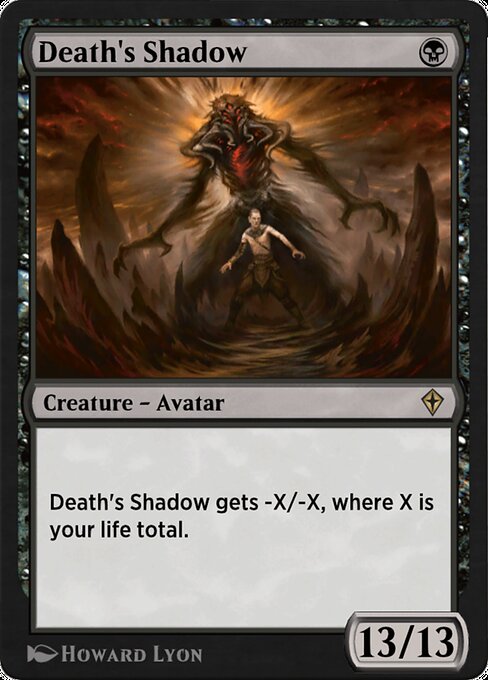
I find a specific kind of joy in revisiting an old menace with a new toy in hand. Not nostalgia for its own sake, but the quiet confidence that the shell still works. There’s been a few different shells I had toyed around with off stream involving Death’s Shadow, but none of them really felt new or exciting.
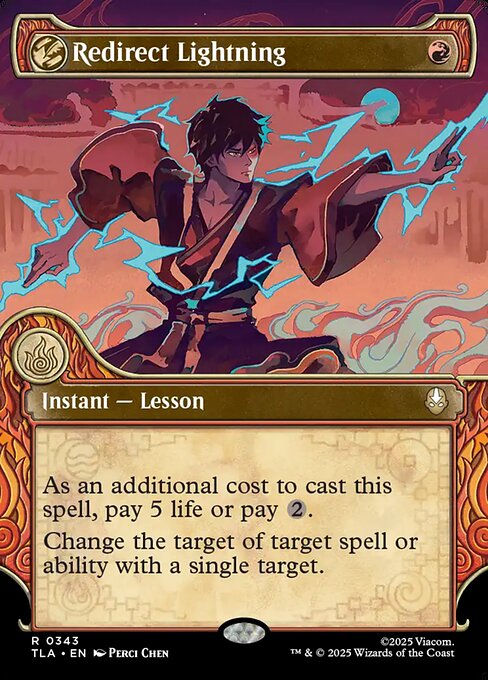
But as one does, I was scrolling through Japanese tournament lists (they have some tech over on Hareruya), and came across a fun take on the shell: Mardu Shadow. I already had a build bouncing around my Big Brewer’s Brain™, and thought “If we’re already splashing red, why not lean into it and try something weird?” Luckily for me, I had yet to play Redirect Lightning from TLA, and this seemed like the perfect brew for it!
History
Death’s Shadow has always been a deck about weaponizing a low life total. From early “Suicide Zoo” shells to Modern-era staples, the card has thrived whenever players were willing to pay life aggressively and treat it as a resource rather than a liability. Fetch–shock manabases, free spells, and Phyrexian mana made this archetype particularly strong in enteral formats.
What’s changed over time isn’t the core idea, but the environment. Historic doesn’t give us everything Shadow had in its glory days. No Mishra’s Bauble. No Street Wraith. Fewer free ways to dig or self-harm at will. That means modern Shadow lists have to get more creative about two things: how they lose life efficiently, and how they protect a threat once it finally hits the table.
That’s where this list pivots from “known quantity” into actual Fun & Jank territory.
New Toy: Redirect Lightning
This card is just a blast to play! This is the cheapest “redirect” spell we’ve gotten in a long time, and you’d be surprised at how many uses it has in Historic. The good news is that we also get to take advantage of the drawback, losing 5 life, as an efficient and quick way to turn on Death’s Shadow.
First, it’s interaction. Redirecting a single-target spell or ability is quietly brutal in Historic. Counterspells, removal, even oddball triggered abilities all become liabilities when they can be pointed back at the Lightning itself and fizzle or something on the opponent’s side of the board.
Second, its protection in a roundabout way. Redirecting a removal spell to another less important creature, or even one of your opponent’s makes this act as decent piece of interaction as well.
Third, and this is the part Death’s Shadow actually cares about, it can chunk you for 5 life. Early on, this gives you an easy way to lower your life total for both Scourge of the Skyclaves and Death’s Shadow, while also providing utility. It feels like it plays a very similar role to Stubborn Denial in previous shells, but with the self-harm baked in.
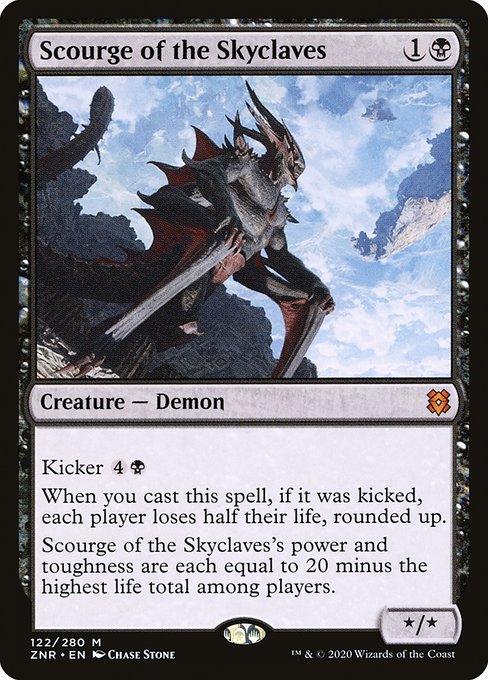
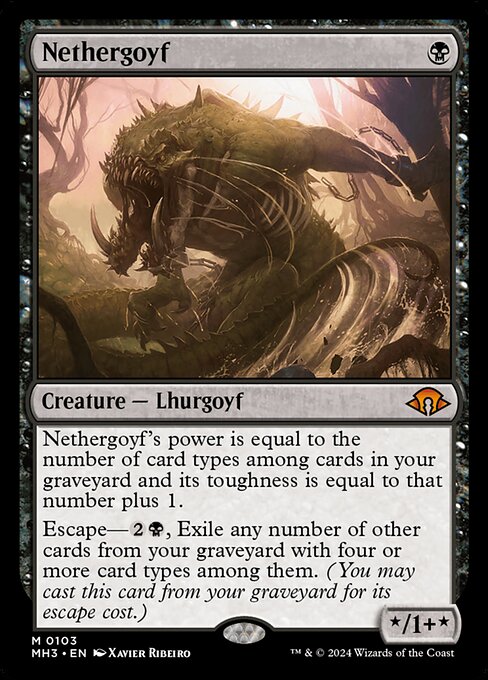
At its foundation, this list starts somewhere very familiar. You’re playing a classic Shadow pressure suite: Death’s Shadow, Scourge of the Skyclaves, and Nethergoyf. Shadow and Scourge scale brutally once both life totals drop, and Nethergoyf fills the gap as a one-mana threat that naturally grows while you trade resources and interact.
Where this deck diverges is in how it chooses to enable that suite. Instead of leaning on the old crutches like Bauble, Street Wraith, or pure burn, I’m using a collection of ideas I’ve been circling for a while: self-inflicted life loss stapled to interaction, and threats that double as disruption. My goal wasn’t just to turn on Shadow quickly, but to do it while answering what the opponent is trying to do.
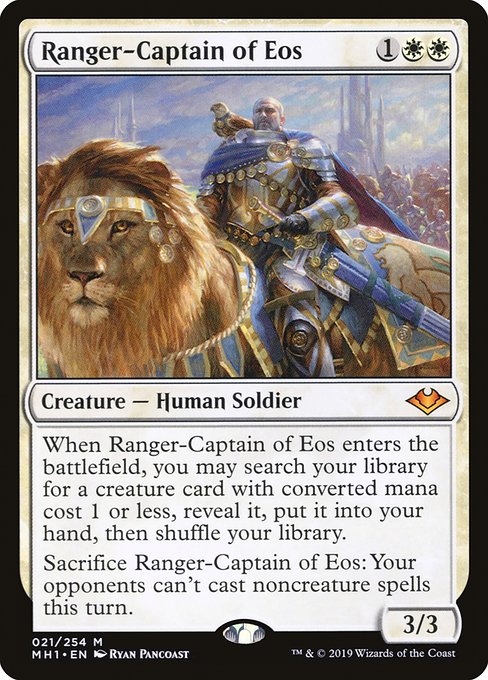
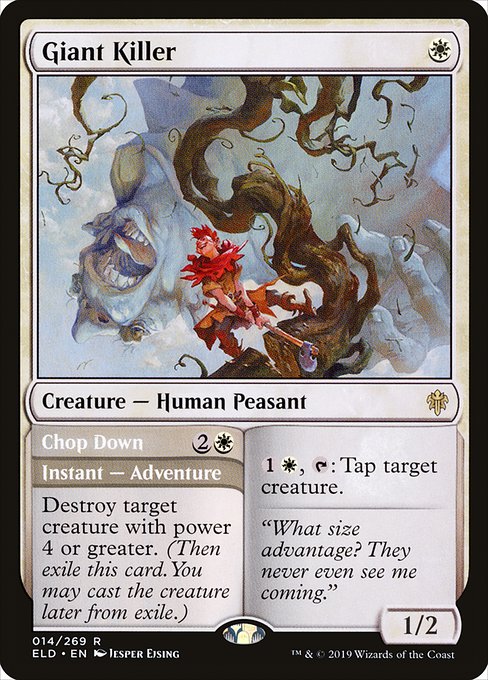
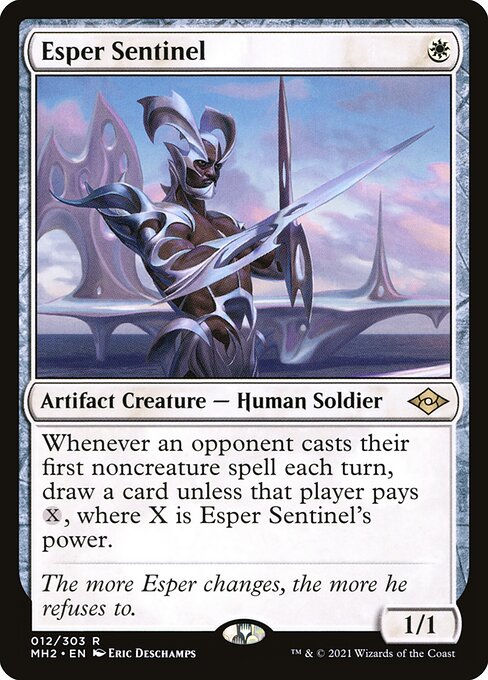
That philosophy carries directly into the second pillar of the deck: the Ranger-Captain package. Ranger-Captain of Eos does a lot more here than it might look like at first glance. Yes, it tutors up additional copies of Death’s Shadow or Nethergoyf, which gives the deck real redundancy and consistency. But the real value is flexibility. Being able to find Esper Sentinel gives you incidental card advantage against spell-heavy decks, while Giant Killer acts as tutorable removal that also scales into the late game.
Then there’s the sacrifice ability. Shadow decks live and die on timing—those one or two turns where the opponent needs to interact or they lose. Ranger-Captain lets you proactively shut the door on noncreature spells during those windows. Against combo, control, or even midrange decks trying to line up a key answer, this will win you games.
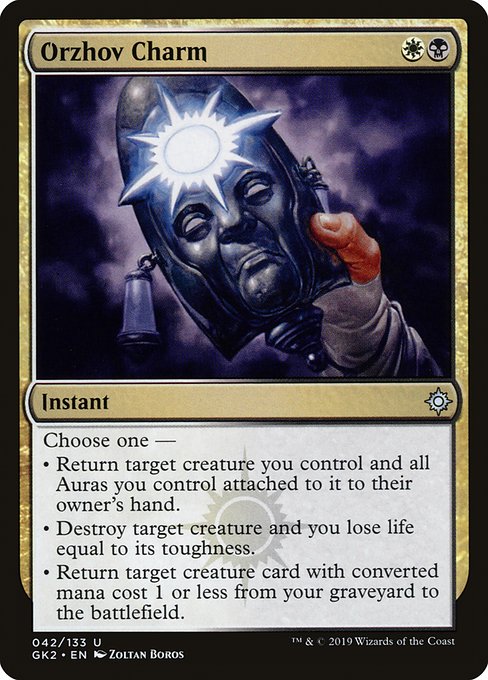
The final piece is the glue: the tech cards that make the whole thing cohere instead of feeling like a pile. Orzhov Charm and Redirect Lightning do an enormous amount of work here, and importantly, they do it in ways that line up perfectly with the Shadow plan.
Orzhov Charm pulls triple duty. It’s removal that costs life, which is exactly what Shadow wants. It rebuy threats at instant speed after sweepers or trades, letting you stay dense on pressure without overextending. And in corner cases, it even protects your own creatures by bouncing them. It’s flexible and rarely dead.
Redirect Lightning is the weirder piece, but it might be the most important. It acts like a pseudo-counterspell in red. You’re turning on Shadow and Scourge at instant speed, sometimes mid-combat, while also invalidating removal or counterspells. I was always happy to draw it during our matches.
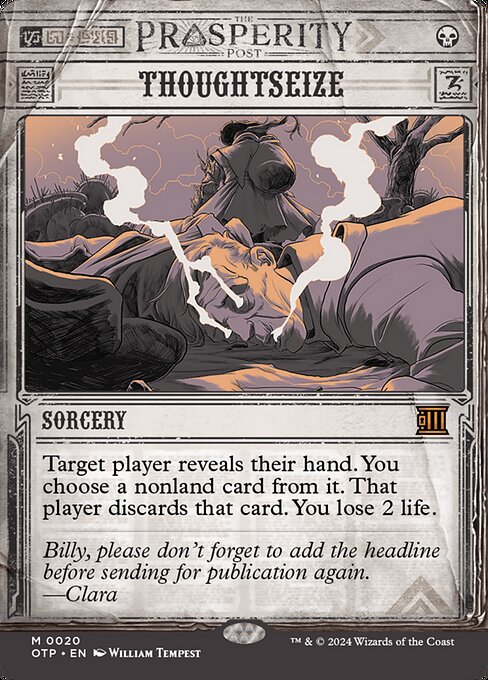
Thoughtseize is a non-negotiable staple of the archetype, and its still doing a lot of heavy lifting here as well. Discard gives us important information at the start of the game, and this one specifically sets us off to the races in terms of dropping our life total below 13.
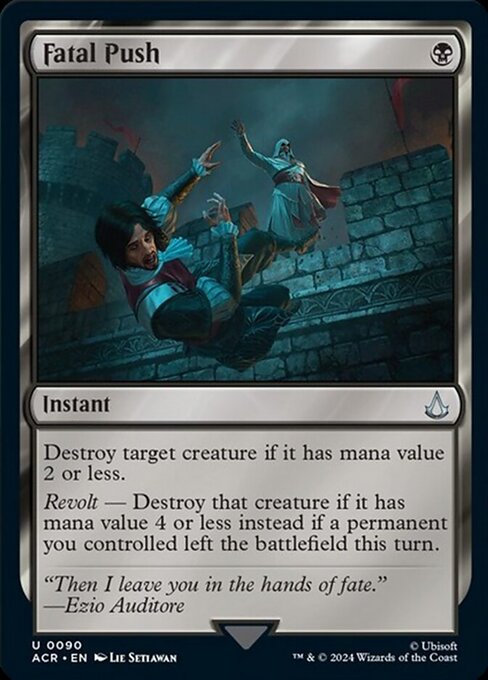
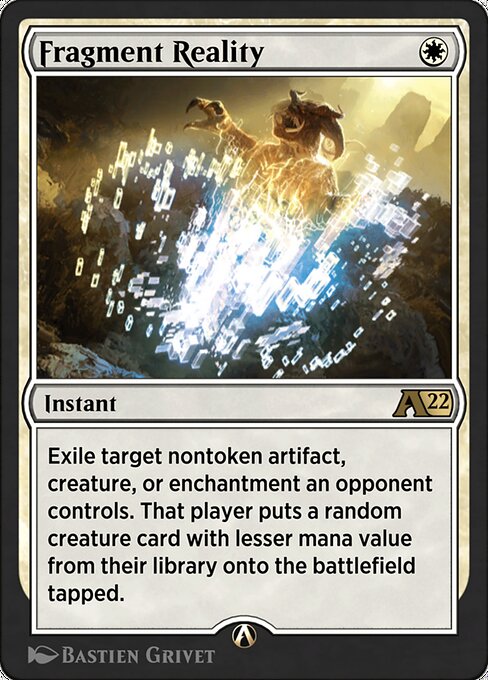
Our removal is intentionally flexible rather than maximal. Fatal Push handles the cheap creatures that can get under you, while Fragment Reality plays a very different role. Fragment is powerful but can be a gamble, but I opted for a couple copies for its flexibility in answering permanents as well as creatures, which is something Shadow decks don’t often have clean answers to.
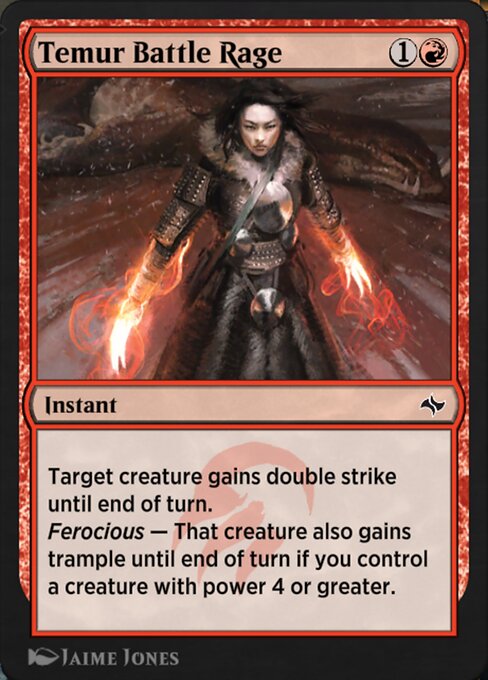
Temur Battle Rage remains one of the cleanest ways to end things immediately once Shadow or Scourge hits critical mass. You’re not all-in on it, but having access to that angle forces opponents to respect combat math at all times.
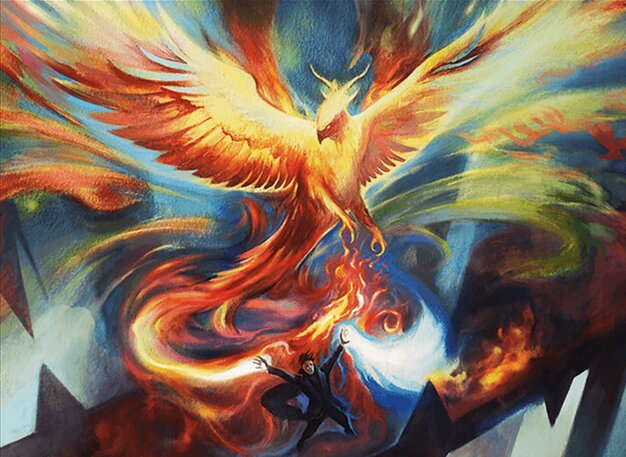
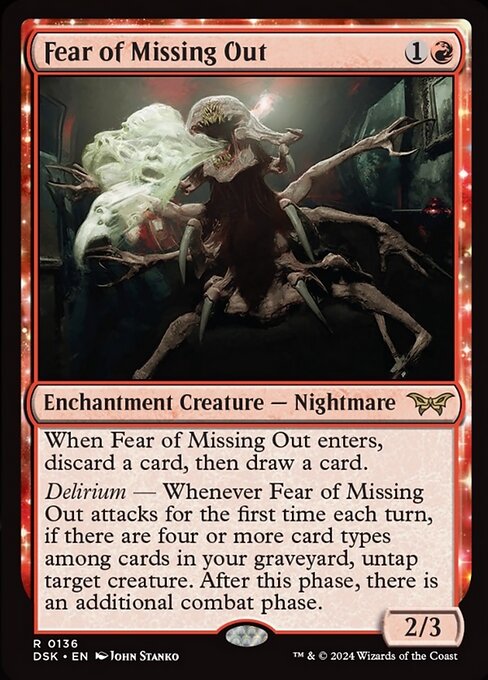
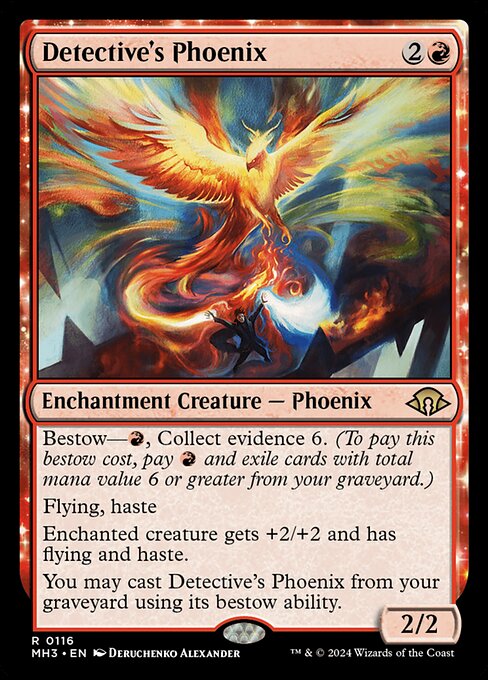
Detective’s Phoenix and Fear of Missing Out are the flex spots in the list. Phoenix helps punch through clogged boards and rewards you for naturally filling the graveyard, while Fear of Missing Out does a little of everything: filtering, enabling delirium, and occasionally letting you swing more than once with a massive threat. Neither is mandatory, but both give the deck play in bogged down board states.
I did my best to respect the “tried-and-true” ideas behind a shadow list while also pushing it towards some new tech. The result was something that feels familiar but still exciting to play.
Gameplay
In practice, the deck did what I wanted it to do. Most games follow a familiar rhythm—early disruption to slow the opponent down, followed by a sharp pivot into pressure once your life total drops low enough for your threats to matter. Even without the more controlled life loss of a shock/fetch manabase, I felt deliberately in control of hemorrhaging my life total in most games. You’re rarely waiting for the game to naturally put you in Shadow range.
Early turns are often about information and positioning. Thoughtseize, removal, and mana sequencing do a lot of quiet work while you decide whether the game is going to be about racing or grinding. t’s common to spend the first couple turns trading resources, then suddenly deploy a Shadow or Scourge that’s already large enough to demand an answer.
Once a threat is on the table, the deck becomes very punishing. Ranger-Captain creates these pseudo-“safe turns” where opponents simply can’t interact the way they want to. Sacrificing it before a key attack step or follow-up threat often forces awkward lines—either they answer something too early, or they don’t get to answer it at all.
The coolest moments tend to come from the life-loss decisions. Paying five life to Redirect Lightning mid-combat to both blank a spell and suddenly grow a Shadow or Scourge felt absurd. The same is true of Orzhov Charm lines. Killing a creature, rebuying a Shadow after a sweeper, or deliberately draining yourself just enough to turn lethal on felt great for just two mana.
Combat math is another recurring theme. Opponents often misjudge how safe they are because the deck can change the board at instant speed. Temur Battle Rage, surprise life loss, or a flashed-back threat from the graveyard creates turns where we were able to threaten lethal from very little on the board.
Overall, the deck feels proactive without being reckless but you’re still encouraged to take risks.
Closing Thoughts
This deck ended up being far more cohesive than it looks at first glance. I honestly just wanted an excuse to play Redirect Lightning, but we ended up with a pretty solid record at the end of stream. It still punishes stumbles the way Death’s Shadow always has, but it does so with better tools for interaction, better recovery after disruption, and more agency over when the game truly turns the corner.
It’s not without flaws. Small, go-wide creature decks and hyper-linear aura strategies are real stress tests, and the mana base will always demand respect. But the upside is meaningful. The deck rewards tight sequencing and patience.
Most importantly, it’s fun in the way Shadow decks are supposed to be fun: every decision matters, every point of life counts, and every game feels like it could swing in either direction until it suddenly doesn’t. I was very impressed by both Redirect Lightning and Orzhov Charm in this list, and it was even more fun to be able to play them together.
There’s still room to innovate inside even the most well-worn archetypes, and sometimes all it takes is being brave enough to pay five life and see what happens.
Thanks for reading!
As always, feel free to comment and leave any questions you have below. And make sure to come back next week for even more Fun & Jank!
If you want to see these decks in action, come hang out with me on stream where we test, refine, and have a ton of fun together.
Happy Brewin’!
Premium
Enjoy our content? Wish to support our work? Join our Premium community, get access to exclusive content, remove all advertisements, and more!
No ads: Browse the entire website ad-free, both display and video.
Exclusive Content: Instant access to all exclusive articles only for Premium members, at your fingertips.
Support: All your contributions get directly reinvested into the website to increase your viewing experience!
Discord: Join our Discord server, claim your Premium role and gain access to exclusive channels where you can learn in real time!
Special offer: For a limited time, use coupon code L95WR9JOWV to get 50% off the Annual plan!
Plum is the creator of the Jank Tank.
He started playing at the ripe old age of 12 and immediately fell in love with the infinite possibilities that deck building could lead to.
He truly understands that jank is a mindset, and spends most of his free time brewing and concocting new and exciting deck lists to help inspire and promote creativity within the MTG community.