Build With Intention, Win With Purpose – Best of One vs. Best of Three Magic
The MTG Hero is back breaking down the differences between Best of One and Best of Three Magic! Learn to become a master of both popular Arena formats.
Hello my fellow Planeswalkers! I am The MTG Hero and one of the most common questions I get from newer Arena grinders or longtime paper players making the digital jump is:
“How should I build differently for Best of One (Bo1) versus Best of Three (Bo3)?”
So today we’re breaking down my philosophy, a bit of math, and practical deckbuilding principles that separate good lists from great ones in each format.
Let’s dive in!
What Makes Bo1 and Bo3 Feel So Different?
Best of One and Best of Three aren’t just different queue options. They are fundamentally different gameplay experiences.
Bo1 is faster, swingier, and more punishing. Explosive starts and high-variance cards thrive in this format. Miss a land drop? Keep a sketchy opener? Mis-sequence? These things can be the entire match. There’s no Game 2 to recover.
You also don’t have access to a sideboard. That means if your deck has a miserable Game 1 against a certain strategy in Bo3, you don’t get the luxury of fixing it post-board like in Bo3. Sometimes that means hedging in the main deck with cards that would normally live in the sideboard.
Bo3, on the other hand, is more forgiving. You get two or three games to stabilize, adapt, and execute a plan. Sideboard strategy, matchup awareness, and consistency matter more than raw explosiveness. You can afford to trim narrow cards from the main and let the sideboard do the heavy lifting unless you have a strong read on the expected field.
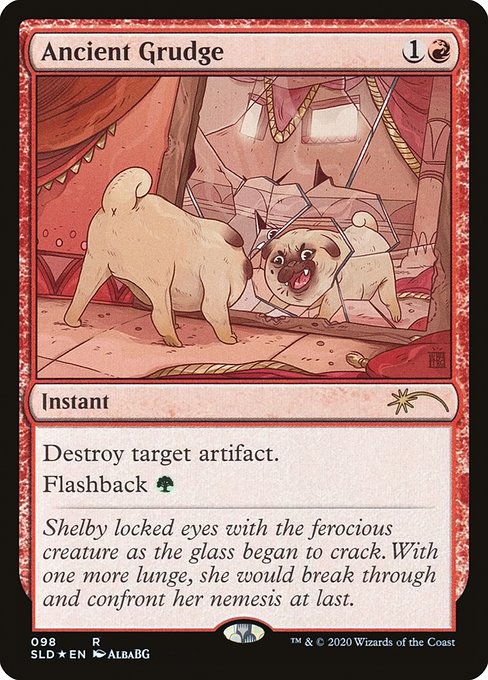
During Dark Ascension Standard. I entered a state championship tournament and got into top 8 with two main-deck copies of Ancient Grudge in my Wolf Run Ramp list. Because I predicted a sea of Tempered Steel decks and mirror matches who ran Everflowing Chalice and Sphere of the Suns.
This unconventional maindeck call carried me through multiple rounds. Yes, I eventually lost in Top 4 to control after bricking on those copies in a dead matchup. But I never would’ve made it there without them. Sometimes intentional deckbuilding wins tournaments. Even if it looks wild on paper.
Deckbuilding for Best of One
Lean Into Consistency and Immediate Impact
In Bo1, you don’t get a reset button. Your deck needs:
A smooth mana curve
Minimal dead cards
Proactive threats
Immediate board impact
I strongly favor cards that affect the battlefield right away. Tempo matters. Early pressure matters. Efficiency matters.
Embrace the Right Kind of Variance
While consistency is king, certain high-variance cards are correct in Bo1 because the payoff outweighs the risk.
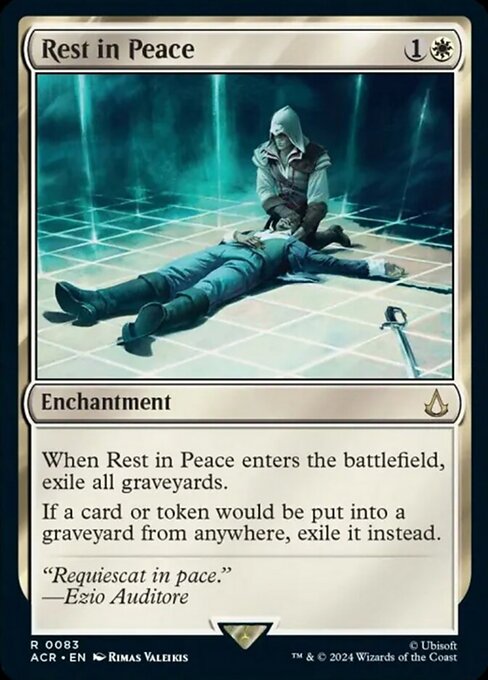
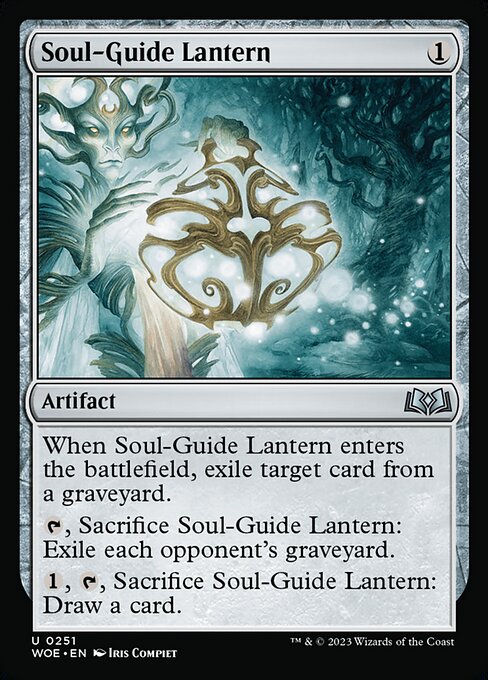
I’ve even seen white-based midrange run one or two copies of Rest in Peace when Reanimator was everywhere and other decks playingSoul-Guide because even in dead matchups, it can draw a card.
Bo1 isn’t just about reliability. It’s about expected value across a chaotic field.
And let’s be clear:
Bo1 is NOT just Bo3 without a sideboard.
I’ve seen high-level players import their finely tuned Standard lists into Arena Bo1 and immediately get steamrolled because their answers live in the sideboard.
When building for Bo1, remember:
Cheap threats > answers
In a high-variance format, it’s better to present the problem than hope to have the answer. That’s why aggro dominates Bo1.
If you aren’t playing aggro, then it shifts to:
Cheap interaction > slow setup
You must survive the early turns before your late-game engine matters.
My Bo1 Deck Checklist
Strong early curve
Minimal dead cards
Flexible spells across archetypes
A few high-variance game-stealers
Smooth, reliable mana
Deckbuilding for Best of Three
In Bo3, you’re really building two decks: your main deck and your sideboard.
Early in my Magic career, I was told the sideboard is the most important 15 cards in your 75. Because you might play two games with your sideboarded configuration and only one with your original main deck.
Build With the Long Game in Mind
Your sideboard should:
Patch up weak matchups
Contain flexible, efficient answers
Include artifact/enchantment hate
Offer graveyard interaction
Provide targeted disruption
Well-built sideboards turn 40/60 matchups into coin flips—or better.
Bo3 games also tend to go longer. Because of that:
Consistency matters more than spike power.
Land drops matter more.
Strategic interaction matters more.
You can afford to react as much as you attack.
I personally tend to play slightly more lands in Bo3 lists because hitting land drops across multiple games is critical.
My Bo3 Deck Checklist
Clear sideboard plans for top matchups
Interaction and disruption tools
Higher land consistency
Cards that improve in longer games
Answers that swing mid-to-late game tempo
The Math Behind It All
Variance is the invisible force shaping both formats.
In Bo1:
You have one sample game.
Variance defines the match instantly.
A great hand wins immediately. A stumble ends everything.
In Bo3:
You play 2–3 games.
Variance in one game can be corrected in another.
That means:
Bo1 decks can lean into high-risk, high-reward strategies.
Bo3 decks must be structurally sound and resilient.
Over multiple games, consistency beats chaos.
Wrap-Up
Bo1 rewards boldness. Bo3 rewards discipline.
Neither is “better,” but each demands a different mindset.
In Bo1, your goal is short and decisive while in Bo3, your goal is adaptive and resilient.
When you understand those differences and build with intention and understanding of the meta and how you need to approach it. You stop playing decks and start “piloting well-oiled machines. That, my fellow Planeswalkers, is how you win with purpose. Until next time Planeawalkers, Hero out!
Links
youtube.com/themtghero
Twitch.tv/themtghero
patreon.com/themtghero
x.com/themtghero
Premium
Enjoy our content? Wish to support our work? Join our Premium community, get access to exclusive content, remove all advertisements, and more!
No ads: Browse the entire website ad-free, both display and video.
Exclusive Content: Instant access to all exclusive articles only for Premium members, at your fingertips.
Support: All your contributions get directly reinvested into the website to increase your viewing experience!
Discord: Join our Discord server, claim your Premium role and gain access to exclusive channels where you can learn in real time!
Special offer: For a limited time, use coupon code L95WR9JOWV to get 50% off the Annual plan!
My name is The MTG Hero. I have played Magic for over 15 years. I am a consistent high Mythic ranked player. Follow me on Twitch and subscribe on YouTube!