Hello, fellow Planeswalkers! I’m The MTG Hero, and today we’re jumping straight into Lorwyn Standard to break down one of the format’s premier decks: Simic Ouroboroid. This archetype was already a menace before Lorwyn arrived, and with the influx of new tools from the set, it’s somehow gotten even scarier.
One of my absolute favorite things to do in Standard is ramp with reckless abandon and force my opponent to answer the question, “Can you deal with this in time?” If you enjoy snowballing advantage, drowning your opponent in resources, and finishing games with a single, jaw-dropping combat step, this is absolutely the deck for you.
At its core, Simic Ouroboroid is doing what green decks have always done best: get ahead on mana and convert that advantage into an overwhelming board state that ends the game quickly. The plan is simple, powerful, and brutally effective.
This deck comes out of the gates blazing thanks to a critical mass of acceleration. Our early plays are all about producing mana as quickly and consistently as possible, jumping from one to three mana (and beyond) before the opponent has time to stabilize.
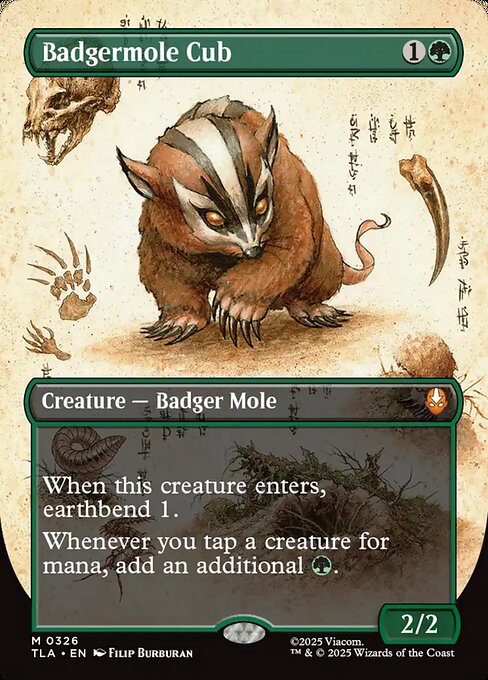
Badgermole Cub deserves special recognition here. This card is essentially super ramp. If you untap with it, things spiral out of control fast—which is exactly where this deck wants to be. Mana dorks that tap for two mana enable some truly unfair sequences.
Nature’s Rhythm is the glue that holds the entire deck together. Rhythm effectively tutors up whatever payoff or toolbox piece we need in a given matchup. Without it, the deck loses a huge amount of consistency.
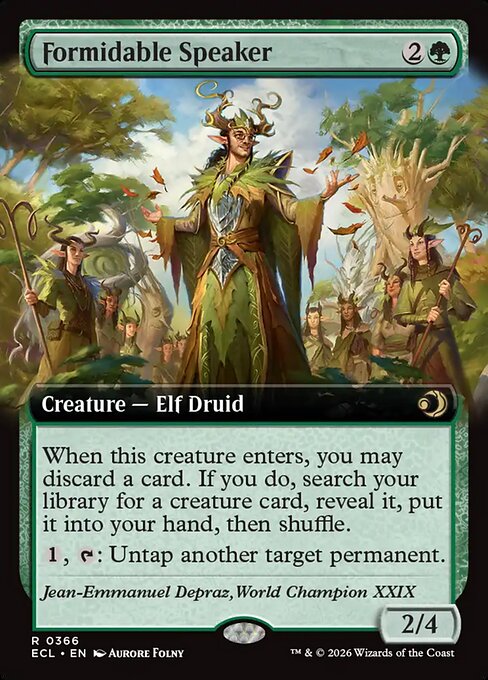
Backing that up is the new Formidable Speaker. While it isn’t always as powerful as Rhythm, it still gives us another way to find the right threat or answer at the right time. You can also do some cool tricks with untaping mana dorks while you control a Badgermole to produce more mana or untap a large blocker.
The Payoffs: Big, Dumb, and Glorious
Once we hit the midgame, this deck becomes downright oppressive.
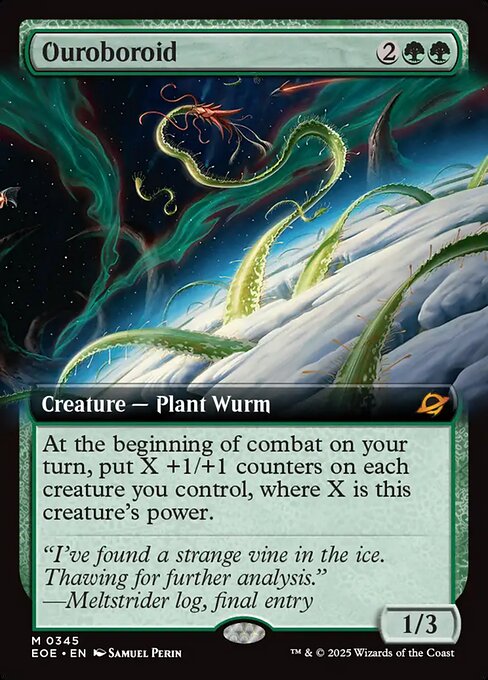
The namesake and centerpiece of the strategy. Ouroboroid turns a battlefield full of small mana creatures into a lethal, game-ending threat. It’s the fastest, cleanest, and most common way this deck closes out games.
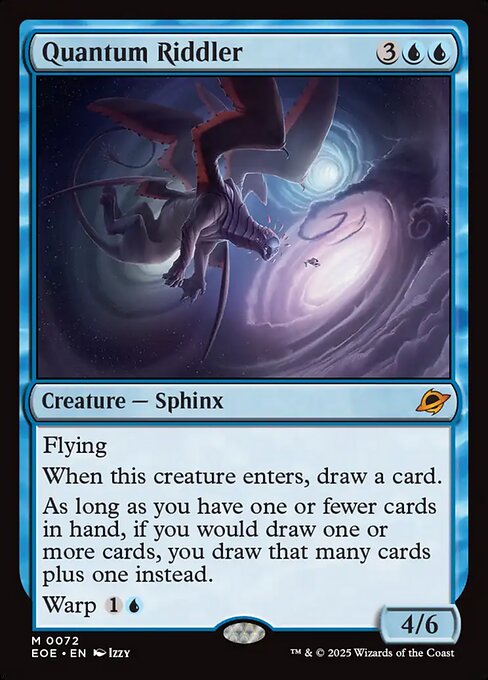
Riddler doesn’t immediately end the game, but it ensures we never run out of gas. This is the payoff we want against grindy or removal-heavy decks, allowing us to draw cards and fight through interaction.
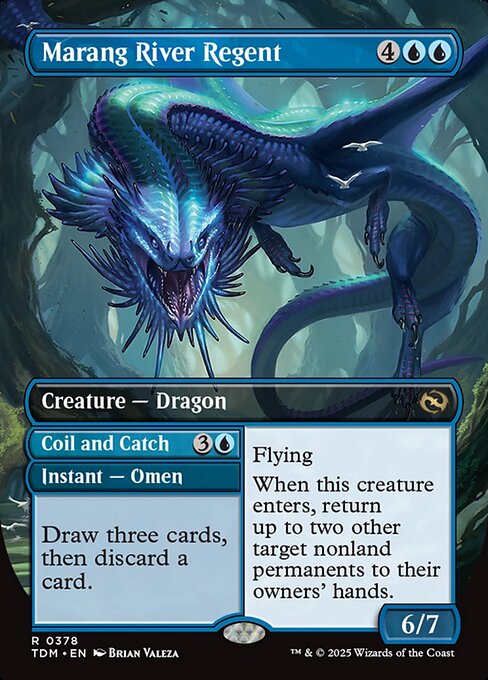
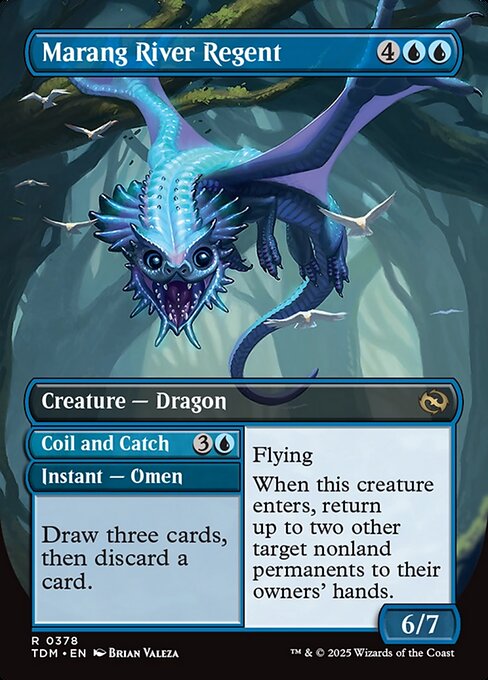
While not a true finisher, Marang is excellent at swinging tempo back in our favor. Bouncing two opposing threats forces the opponent to spend time and mana recasting them, buying us breathing room. Its omen mode can also refuel our hand, and since it shuffles back into the deck, it remains a valid target for our tutors.
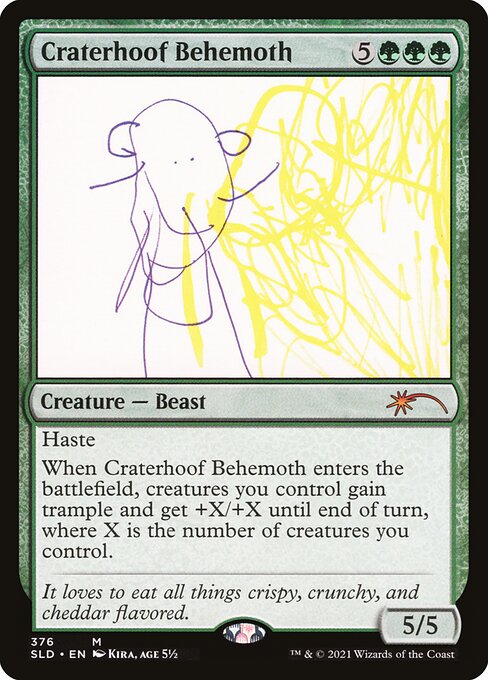
The ultimate closer. If we have even a remotely reasonable board, Craterhoof simply ends the game on the spot. It has been a finisher in every format it’s touched, and Standard is no exception.
Interaction Without Losing Momentum
One of the biggest strengths of this list is that it can interact without sacrificing its proactive game plan.
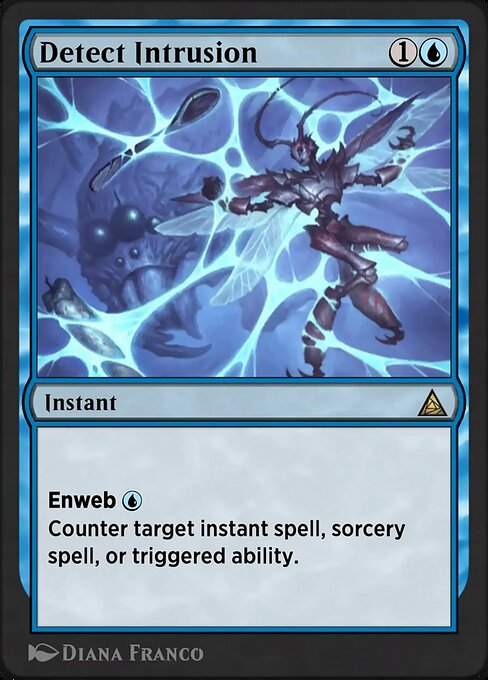
This is cheap, efficient disruption against combo and control. It sits somewhere between Spell Pierce and Tishana’s Tidebinder, and while countering board wipes is the obvious use, stopping things like opposing Craterhoof triggers or Bringer of the Last Gift can easily buy the single turn we need to win.
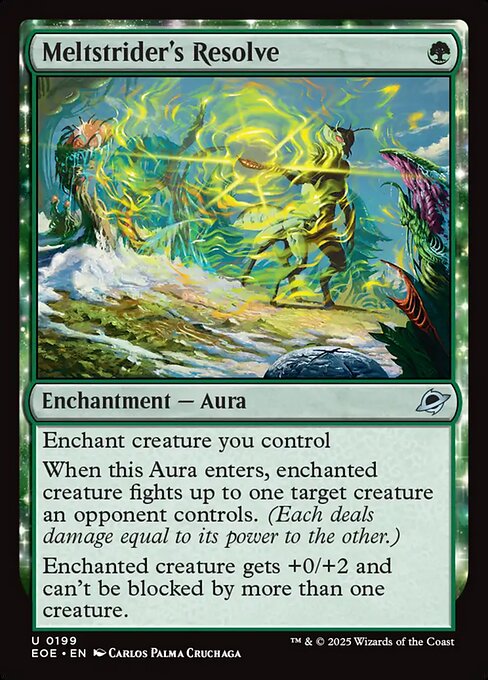
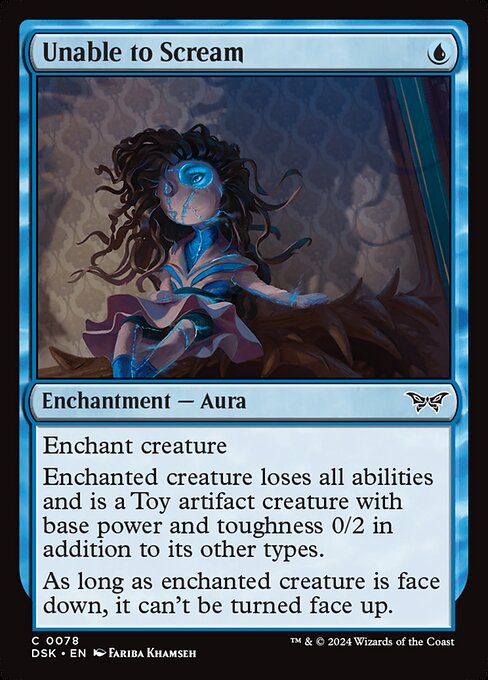
These are our primary anti-aggro tools. Resolve permanently removes a creature and upgrades our blocker, but it does open us up to potential two-for-ones and requires a larger creature. Unable to Scream is safer and more versatile, shutting down a threat until the enchantment is removed. Both have their place depending on the matchup.
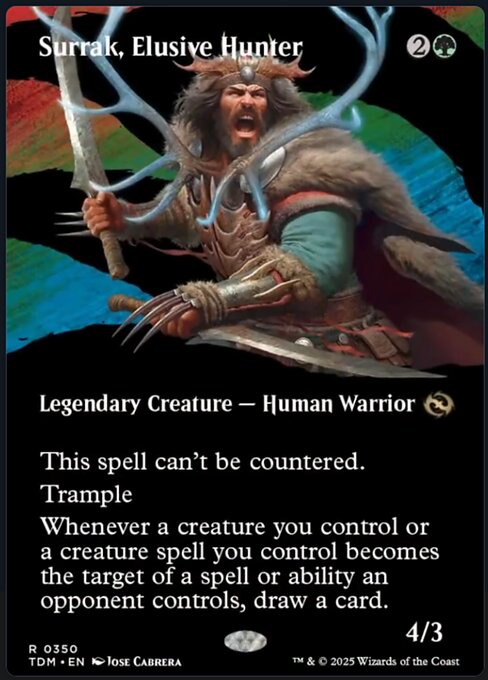
Surrak is a nightmare for midrange decks, letting us pull ahead in removal wars until it’s answered. It’s a green staple and earns its sideboard slots easily.
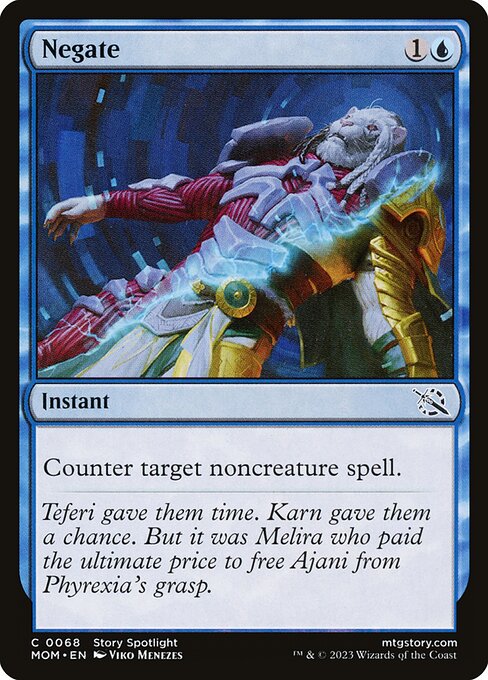
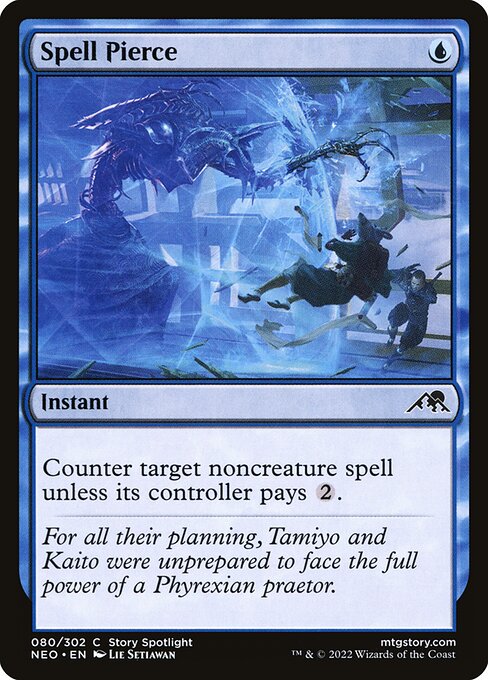
Some players opt for additional Detect Intrusions here, which makes sense, but I prefer Spell Pierce or Negate for their broader coverage. Pierce is cheaper but scales poorly into the late game, while Negate costs more but is a hard counter—the choice is yours.
Tidebinder is one of the best tempo tools Simic has access to. It answers problematic triggers while adding to the board, and in the mirror match, shutting off an opposing Ouroboroid can be absolutely back-breaking.
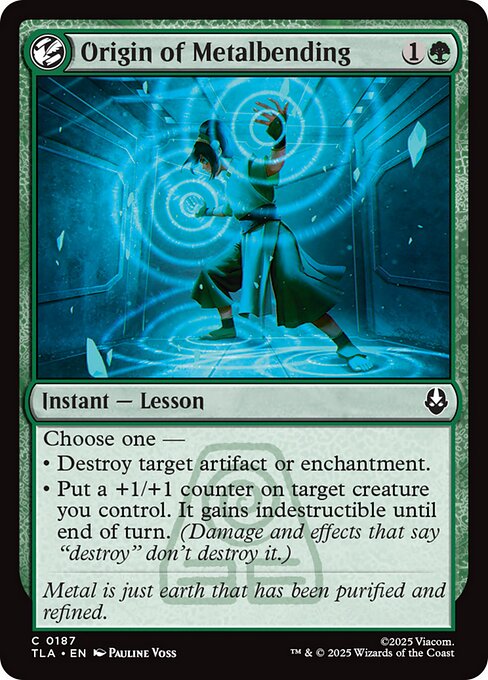
Origin of Metalbending might be the best artifact-based interaction in Standard. It removes threats, can grant indestructible in a pinch, and the pump mode pairs beautifully with Ouroboroid to speed up our clock.
Every sideboard slot has a clear purpose, and none of them dilute the deck’s primary plan.
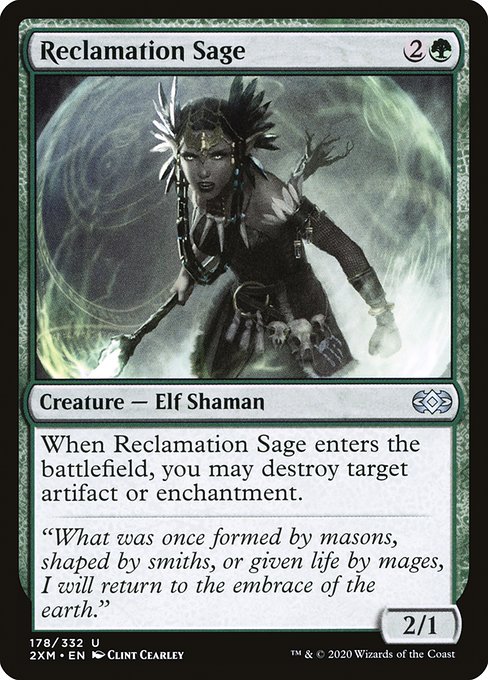
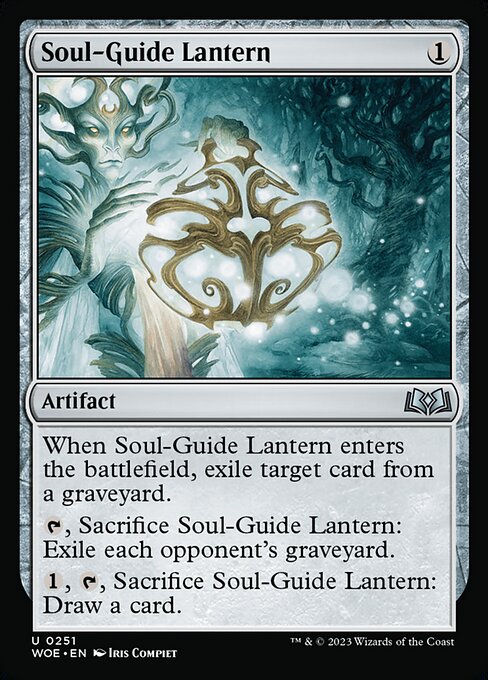
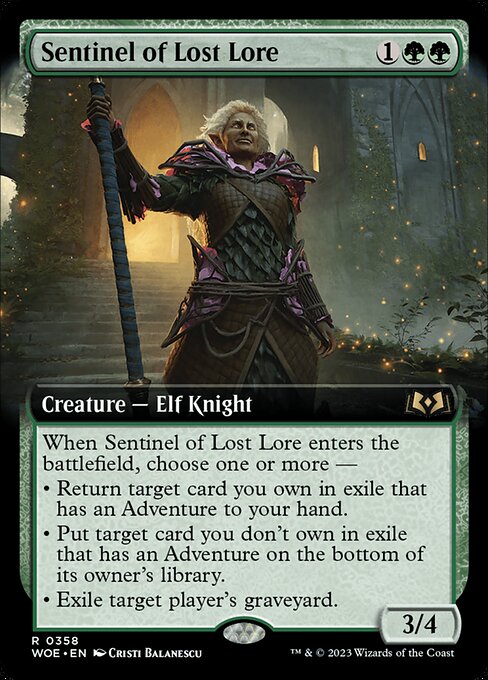
Sentinel looks appealing as graveyard hate, but in practice it’s either too early or too late. The dream scenario rarely happens, and decks like Sultai Reanimator can rebuild quickly anyway. Curator is simply more consistent.
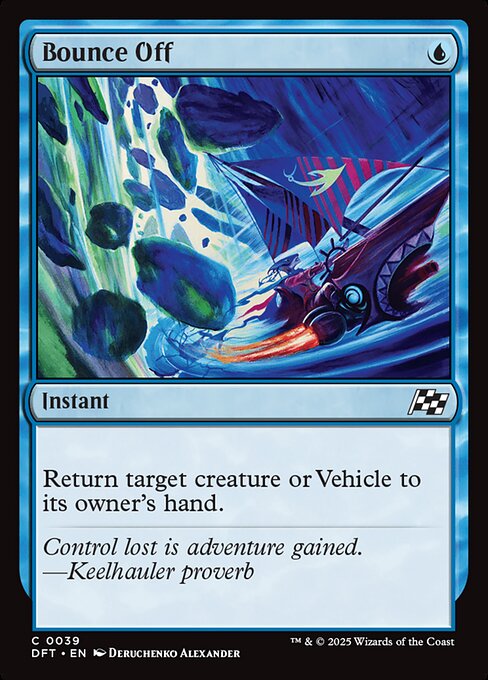
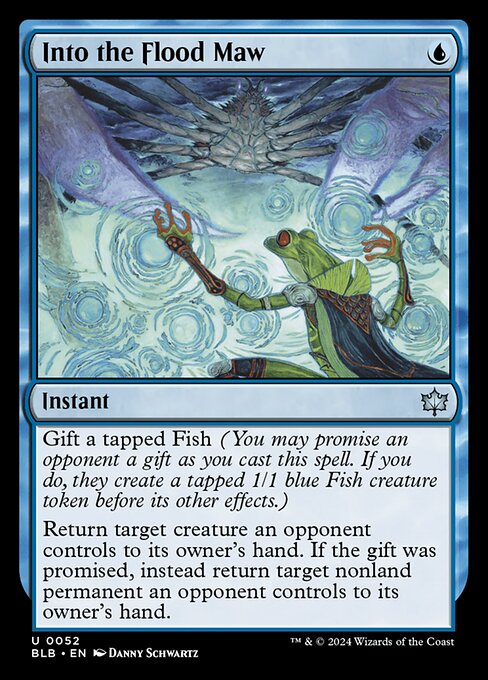
Bounce Off or Into the Flood Maw just don’t do enough right now. Current top decks have moved away from these effects, and Marang usually covers our needs.
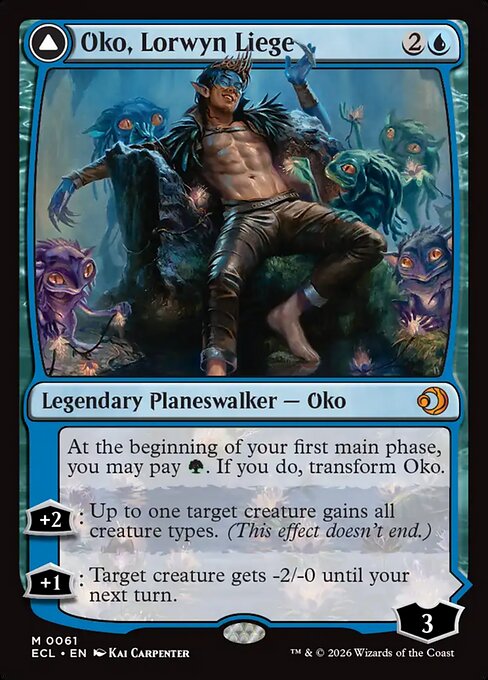
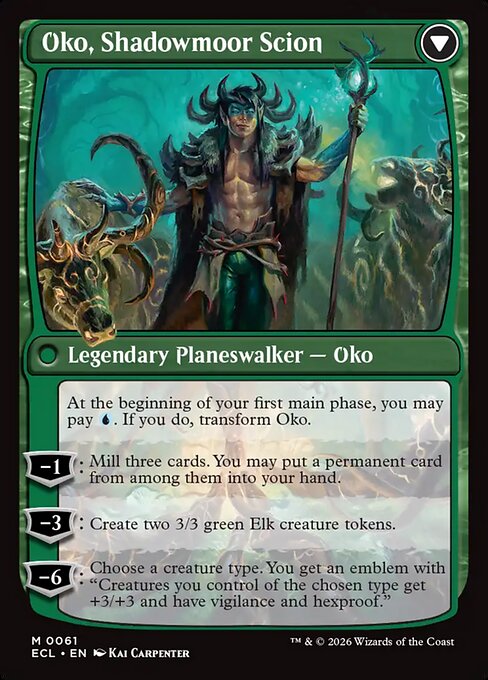
Oko has been underwhelming in my testing. Against aggro it’s slow and fragile, and while the backside shines against control, it hasn’t been enough to earn a slot—though more testing may change that.
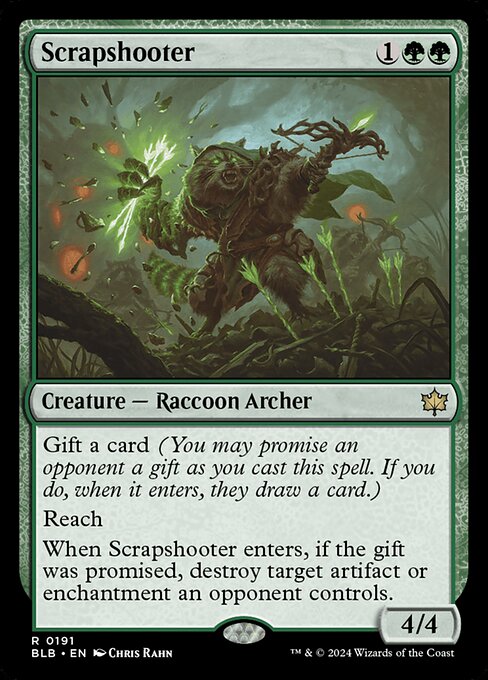
I also strongly dislike Scrapshooter. Trading a removal spell for a card draw for the opponent is not where I want to be. If it made a token or could target our own permanents, I’d be more interested.
Tips and Tricks
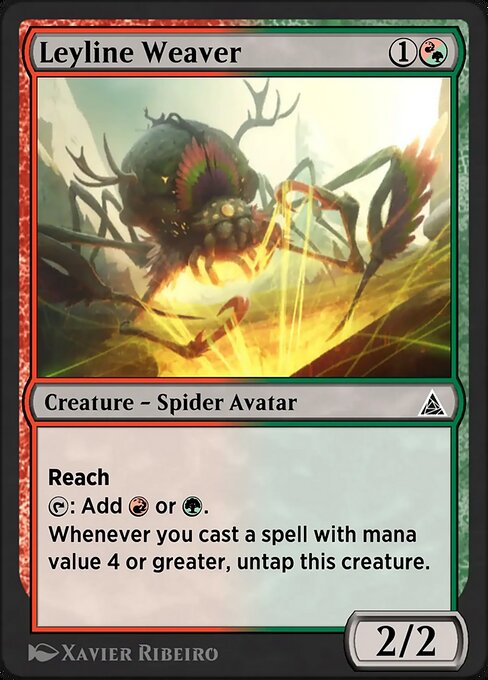
Leyline Weaver untaps itself when you cast a large spell. Keep this in mind when casting Craterhoof or tutoring for it with Rhythm. Ouroboroid also untaps it, enabling surprise attacks even after tapping out.
Weaver is often the best creature to tap for Rhythm’s harmonize cost if its power exceeds the mana it produces, since it untaps anyway.
With Quantum Riddler in play, casting Marang’s omen with one or fewer cards in hand draws five cards instead.
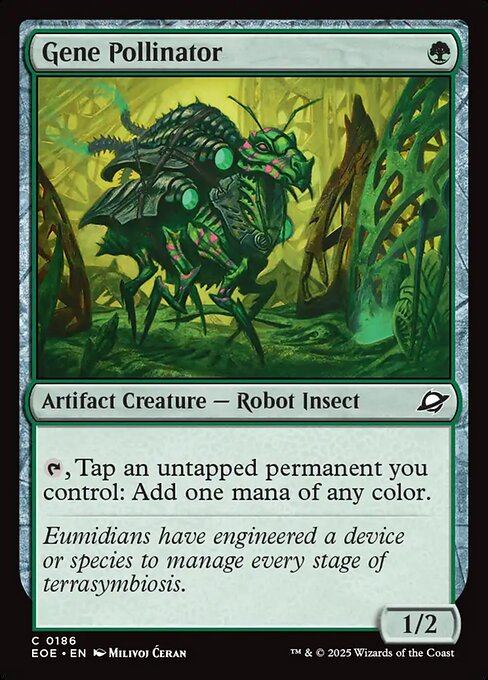
You can exile your own cards with Keen-Eyed Curator to reach the required card types for +4/+4. This is especially useful with Gene Pollinator being an artifact and Formidable Speaker discarding a card as part of its effect.
Mockingbird can copy opposing creatures, but don’t forget it can also just be played as a flier when needed.
If you control Badgermole Cub and Formidable Speaker, you can tap a mana dork, spend one mana, tap Speaker to untap it, and then tap it again—netting an extra mana in the process.
You can also use Speaker to untap a creature for a bigger blocker or save a creature from an effect that only targets tapped creatures.
Ba Sing Se is a great way to not only pressure control decks by making a stream of attackers, but if we have Badgermole Cub in play, or play one after we have a few man-lands set up, we can generate a ton of mana.
Final Thoughts
Simic Ouroboroid Ramp is everything I want a Standard deck to be right now: powerful, proactive, flexible, and downright fun to play. If ramping into absurd board states is your idea of a good time, this deck should absolutely be on your radar.
If you’re tired of playing fair Magic and want a deck that forces your opponent to answer your questions every turn, I cannot recommend this archetype enough. It rewards tight sequencing, punishes hesitation, and ends games in spectacular fashion.
As always, let me know what you’re brewing and how this list performs for you. Until next time, Planeswalkers, Hero out!
Links
youtube.com/themtghero
twitch.tv/themtghero
patreon.com/themtghero
x.com/themtghero
Premium
Enjoy our content? Wish to support our work? Join our Premium community, get access to exclusive content, remove all advertisements, and more!
No ads: Browse the entire website ad-free, both display and video.
Exclusive Content: Instant access to all exclusive articles only for Premium members, at your fingertips.
Support: All your contributions get directly reinvested into the website to increase your viewing experience!
Discord: Join our Discord server, claim your Premium role and gain access to exclusive channels where you can learn in real time!
Special offer: For a limited time, use coupon code L95WR9JOWV to get 50% off the Annual plan!
My name is The MTG Hero. I have played Magic for over 15 years. I am a consistent high Mythic ranked player. Follow me on Twitch and subscribe on YouTube!