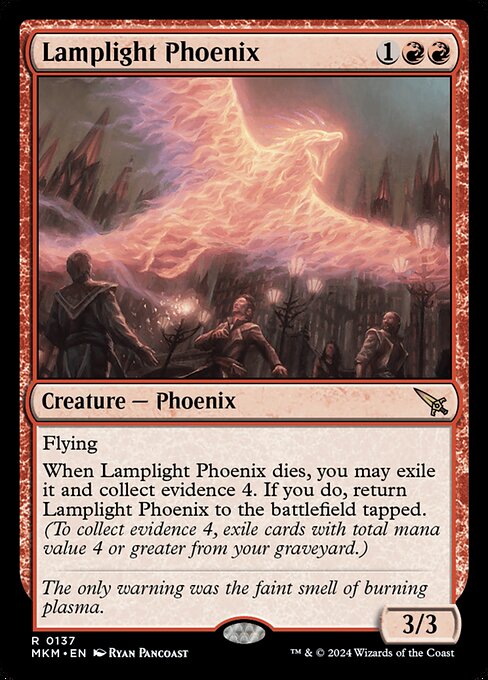
Not too long ago, Lamplight Phoenix had its moment in the sun. This was a flavor-of-the-week combo that briefly set Modern, Timeless, and Historic Twitter ablaze before quietly crashing back to the bulk bin. Folks like Saffron Olive, AspiringSpike and half of YouTube tried to make it work in every shell imaginable, with some moderate success. However, the fascination around these shells eventually dwindled.
Today, though, we’re lighting that lamp again (get it?).
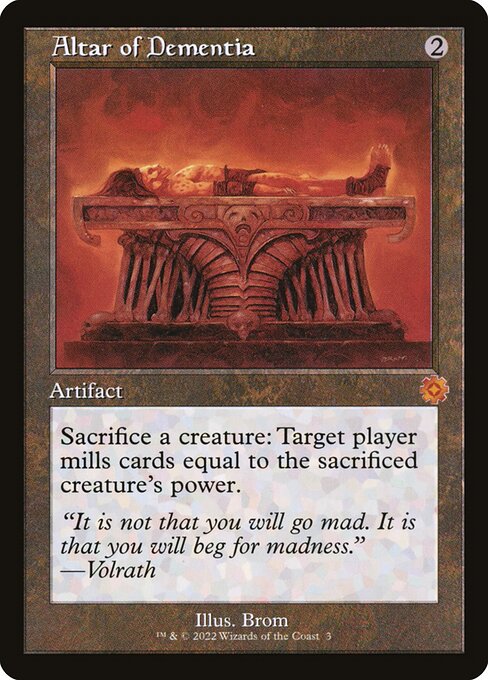
This is Gruul Lamplight Combo, brewed and piloted by Discord user grippingbeasts in a recent Historic community event — and it’s an absolute beauty. The deck cuts all the fluff and focuses on the purest expression of the combo: Altar of Dementia and Lamplight Phoenix, which we’ll talk about in just a moment.
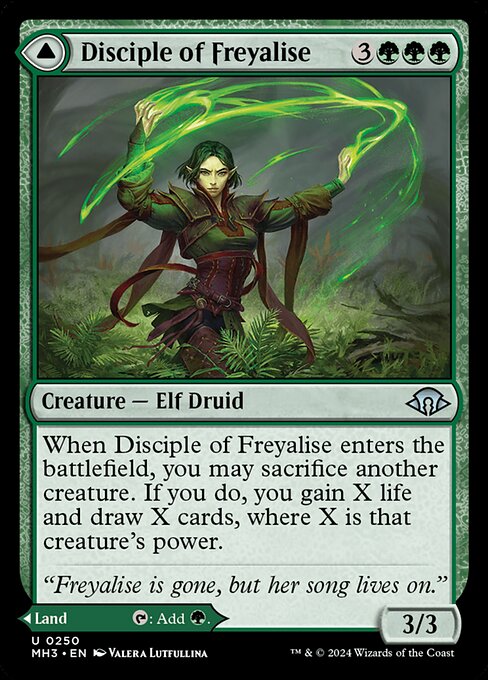
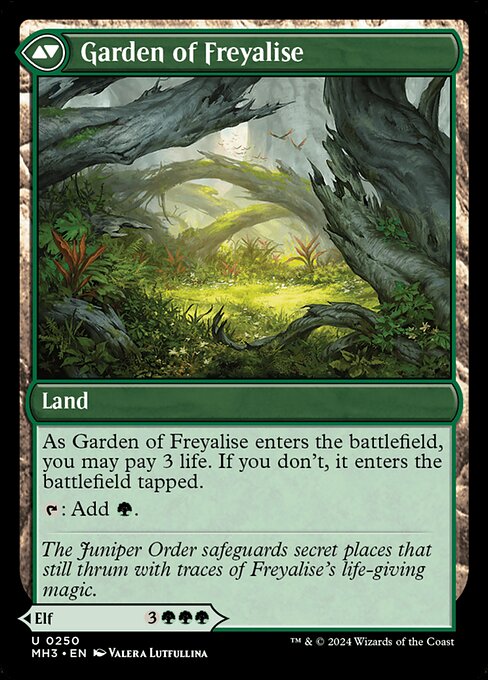
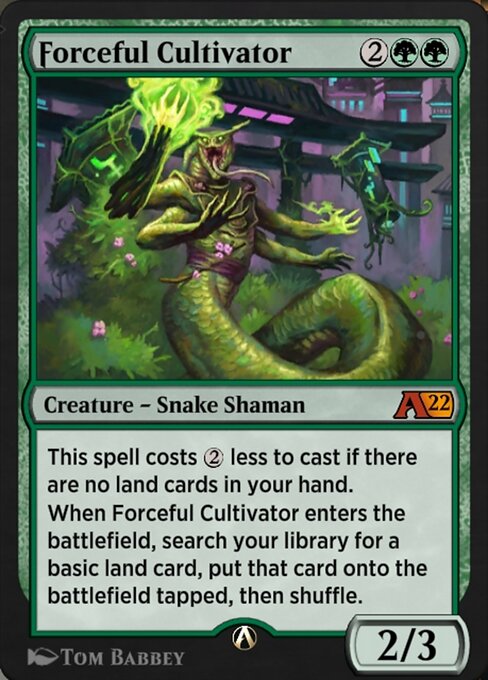
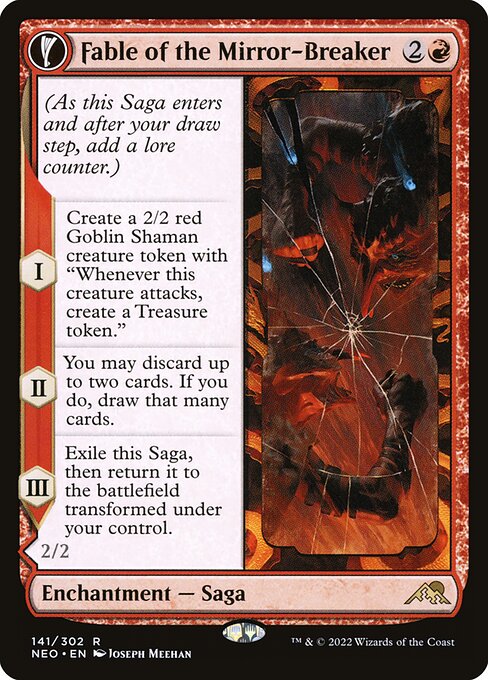
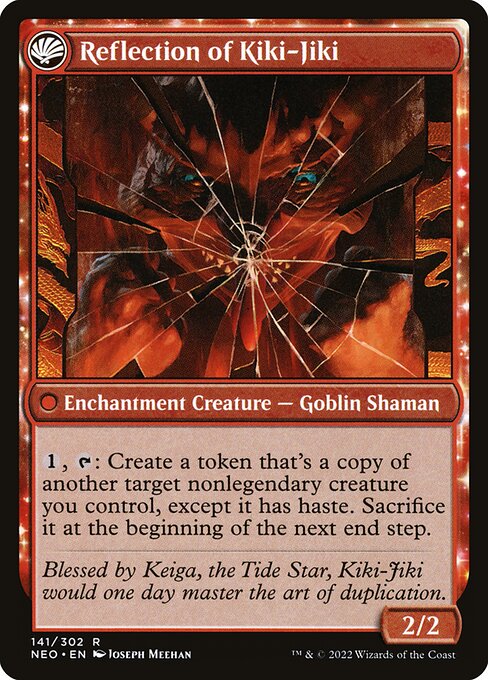
It’s a two-card combo that can win as early as turn 3, and this build maximizes consistency with smart touches like Forceful Cultivator, Fable of the Mirror-Breaker, and modal double-faced lands that double as five- and six-mana fuel for Collect Evidence. Between ramp, redundancy, and a surprisingly potent Plan B of beating face, this deck has enough versatility and power to bring some heat to the Historic ladder.
This is super straight forward and only requires a couple things. 1.) Altar of Dementia on the board. 2.) Lamplight Phoenix in your hand or on the board 3.) At least 4 mana worth of cards in your graveyard.
You sacrifice Phoenix to Altar, milling yourself for three. Because the list runs only eight real lands, nearly every milled card has a mana value — which means you can Collect Evidence 4 almost every time, bringing Phoenix right back to repeat the loop. You’ll usually mill your whole library, then flip the switch and start milling your opponent three cards at a time until they’re empty.
After playing the deck on stream through a “league” of 5 matches on the ranked ladder, I got a pretty good handle on how the deck plays.
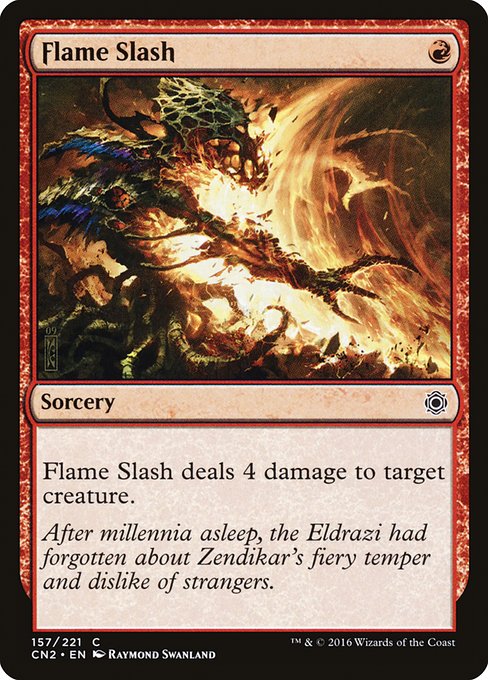
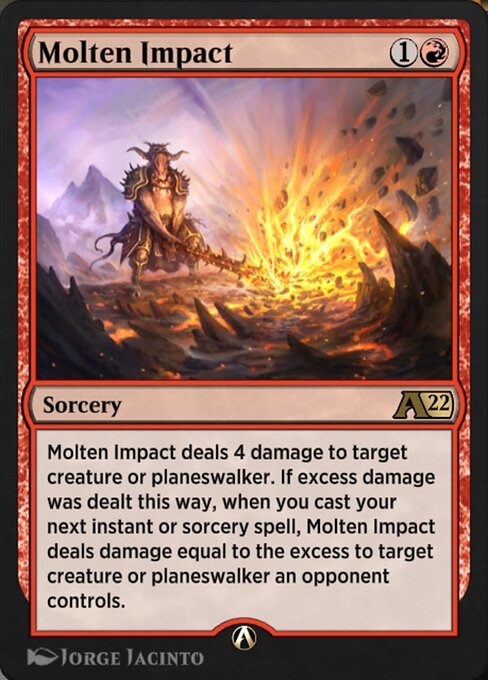
This build doesn’t waste slots. Every nonland card either executes, finds, or protects the combo, with most of them doing more than one of those jobs. Fable of the Mirror-Breaker filters dead hands and ramps. Forceful Cultivator finds your early mana while also being enough evidence to bring back Phoenix on its own, and a dent blocker. Even your removal suite, Flame Slash and Molten Impact, slows down your opponents and then fuels the combo later on.
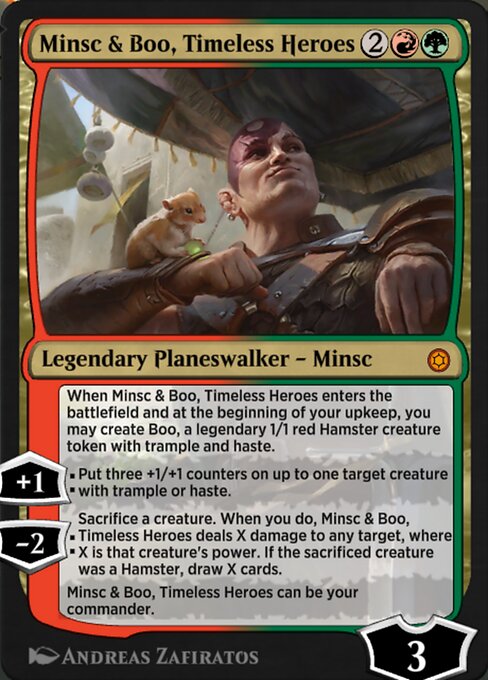
While it can pivot into a legitimate beatdown plan thanks to Phoenix recursion, Fable of the Mirror-Breaker, and planeswalkers like Minsc & Boo, Timeless Heroes, this list stays laser-focused on combo efficiency, but the cards it sues to do so provide a ton of value overall.
This deck is intentionally running a low number of lands. In order to combo consistently this deck has to maximize cards with mana values, because that’s what powers Lamplight Phoenix. Dead draws like basic lands also slow a deck like this down quite a lot.
To fix the mana without compromising consistency, the deck leans on:
Forceful Cultivator does double duty. It fixes mana in a list that technically plays only eight lands, and because it’s a four-mana creature, it’s also perfect evidence fuel. It almost always costs two mana here, since you rarely have extra lands clogging your hand.
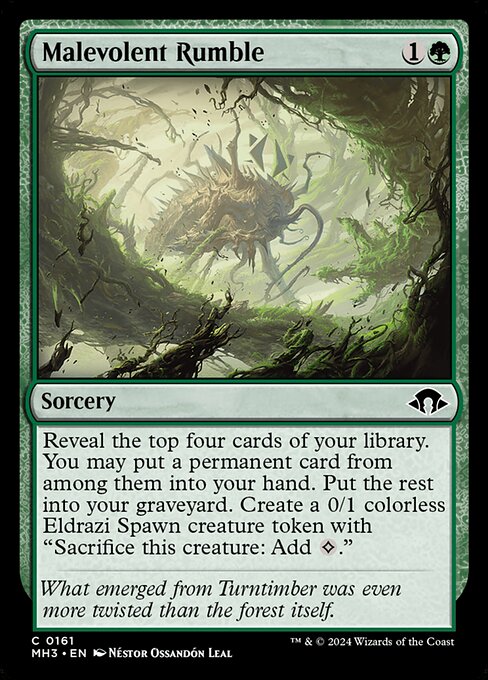
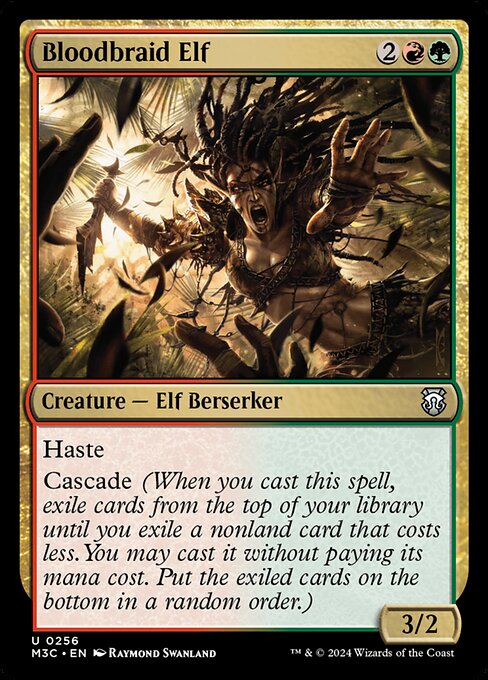
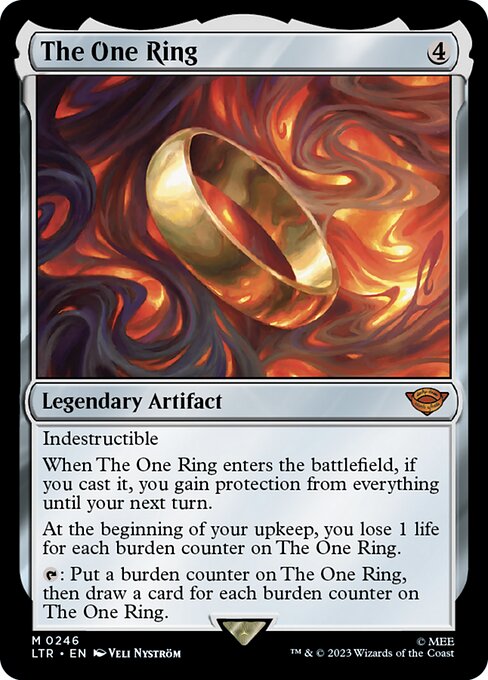
Bloodbraid Elf and The One Ring are mainly there for general power. Bloodbraid provides immediate value and pressure while cascading into nearly every relevant spell in the deck, often hitting Altar, Phoenix, Rumble, or Fable. The One Ring, meanwhile, buys you time, digs toward the combo, and conveniently adds another high mana-value permanent to exile for evidence.
These two are just efficient and cheap removal. We don’t have a ton of instants/sorceries to take advantage of Impact’s boon, but it still happens often enough that we can get a 2-for-1 to warrant the inclusion.
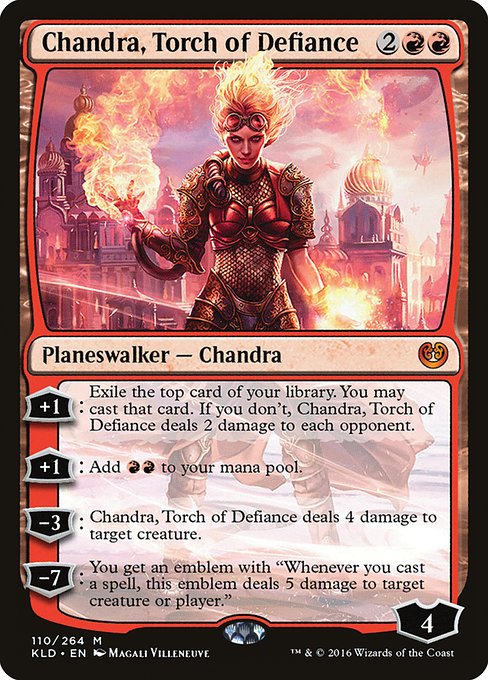
Finally, the planeswalkers tie the whole strategy together. Minsc & Boo, Timeless Heroes offers a fast clock and card draw, making it a perfect secondary win condition when the graveyard plan stalls. Meanwhile, Chandra, Torch of Defiance acts as a flexible bridge — removal, ramp, card advantage, and a backup finisher all in one. Both turn your post-combo leftovers into real threats, ensuring that even if your graveyard gets shut down, you’re still in the game.
Gameplay
Even though this deck looks a little fragile on paper, especially with a low land count and the major fact that it’s a graveyard based combo, it was surprisingly consistent. The deck curves out cleanly and builds resources very fast.
Most games start the same way: develop early mana and fill the graveyard. Cards like Forceful Cultivator, Malevolent Rumble, and Fable of the Mirror-Breaker set you up to pivot seamlessly between the combo and the beatdown plan. You’ll often look like a midrange deck for the first few turns, throwing out cheap removal and incremental value until the window opens.
Once Altar of Dementia hits the battlefield, everything changes. Opponents suddenly have to decide between answering your board or holding up graveyard hate, and most don’t have time for both (except Kozilek’s Command, the bane of my existence).
In my experience you really don’t need to rush the combo. Instead, we were able to play it like a Gruul midrange deck that happens to have a “mill you for 60” button hidden in the back pocket.
Across all matches, the deck’s consistency stood out.
Closing Thoughts
This deck is hot.
It’s fast, consistent, and a bit unexpected. During testing, I had multiple opponents misplay into the combo simply because they didn’t recognize what was happening. Some would waste removal on Forceful Cultivator instead of Lamplight Phoenix, others would ignore Altar of Dementia entirely when they could have sniped it off the board.
When you have a combo that can go off as quick as this one, I think its always worth taking another look at. It’s fast enough to pressure control, resilient enough to recover from hate, and cleanly built enough to feel like a “real” deck without losing its chaos-core identity.
Huge shoutout to grippingbeasts for putting together this version—it’s one of the most impressive iterations I’ve seen of the Lamplight engine so far. If you’re looking for a deck that can burn bright, hit hard, and leave opponents asking “what just happened?”, this one’s worth sleeving up.
Thanks for reading.
As always feel free to comment and leave any questions you have below! Make sure to come back next week for even more Fun & Jank!
If you want to see these decks in action, come hang out with me on stream (also streaming on youtube now!) where we test, refine, and have a ton of fun together!
Happy Brewin’!
Premium
Enjoy our content? Wish to support our work? Join our Premium community, get access to exclusive content, remove all advertisements, and more!
No ads: Browse the entire website ad-free, both display and video.
Exclusive Content: Instant access to all exclusive articles only for Premium members, at your fingertips.
Support: All your contributions get directly reinvested into the website to increase your viewing experience!
Discord: Join our Discord server, claim your Premium role and gain access to exclusive channels where you can learn in real time!
Special offer: For a limited time, use coupon code L95WR9JOWV to get 50% off the Annual plan!
Plum is the creator of the Jank Tank.
He started playing at the ripe old age of 12 and immediately fell in love with the infinite possibilities that deck building could lead to.
He truly understands that jank is a mindset, and spends most of his free time brewing and concocting new and exciting deck lists to help inspire and promote creativity within the MTG community.