Stop importing and start creating. This week Plum breaks down the science of the brew, and explains how to test, refine, and iterate on your own ideas.
Hiya! I’m Plum, and this week we’re going to talk about the reason I love this game.
Brewing.
In the modern era of Magic, brewing is often treated as a lost art or a hobby for the “Against the Odds” crowd. With high-powered sites (like this one!) providing Tier 1 decklists within hours of a set release or pro players dropping guides on the new hotness the day after it puts up results, it’s easy to feel like the work has already been done. But let’s set the record straight: A brew is any deck you built, or heavily modified, yourself instead of clicking Import on a 5-0 list.
It doesn’t matter if you’re focusing on something janky (like me!) or a spicy refinement inspired by a well known deck, you are participating in what I consider to the most fundamental part of the game. You may have heard or already practice of these concepts, but it’s always good to revisit them whether you’re a novice or a veteran.
So why Brew?
There’s quite a few reasons to brew your own deck:
1.) There’s no feeling in Magic quite like winning with a deck that came out of your own Big Brewers Brain™
2.) Competitive Magic is a game of information. If you’re playing a meta deck, your opponent is more likely to know exactly how and why that decks works, If you’re playing a brew they are force to play sub-optimally because they don’t know if they need to hold up a counterspell for a combo or a removal spell for a finisher. AKA the element of surprise is on your side and you can keep them guessing.
Iterating on a deck, regardless of whether the first version works, is the single fastest way to level up as a player. Every failed version teaches you something about the format’s speed, the mana requirements of certain colors, or why a specific card is underperforming. Each failed brew is just a necessary step toward the version that’s successful.
Section 1: Fundamentals
Before we get into the wombo-combos and the anti-meta decks, we have to talk about the mechanics of deck building. If you ignore these fundamentals, even the most brilliant idea will collapse under its own weight. Most of them are rather straight forward.
Gameplan
You need a clear goal in mind when you sit down to brew a deck. -What are you trying to do? -How are you going to do it? -Why are you going to do it?
This is basically your mission statement for the list. Here’s an example:
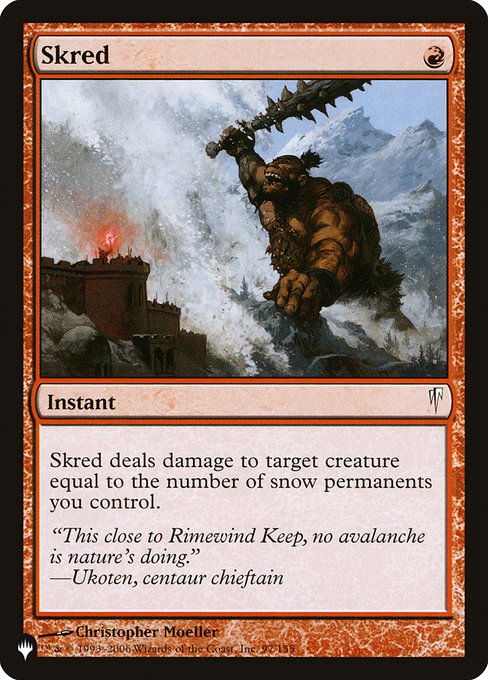
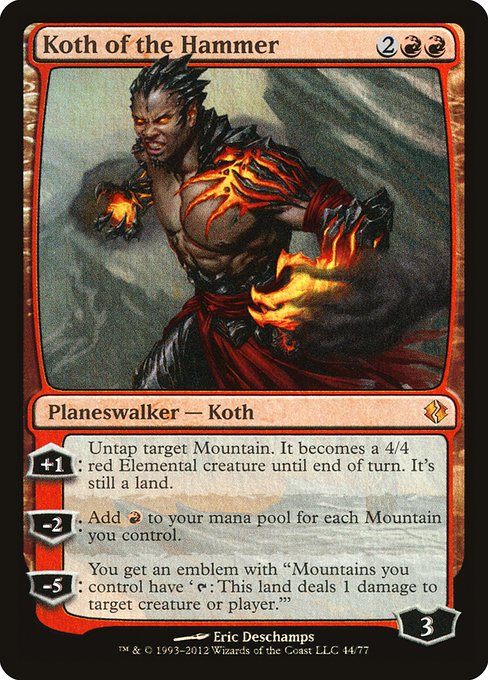
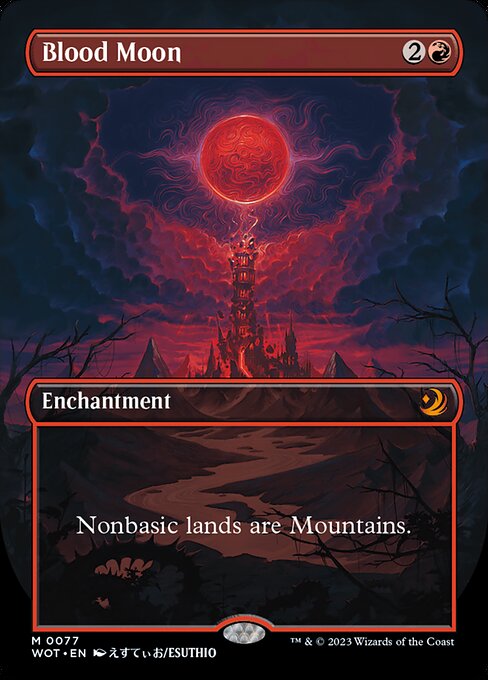
Skred Red: To achieve absolute board superiority through the use of the namesake card (Skred) and symmetrical land destruction before landing a game ending threat like Koth or Stormbreath Dragon. This deck is good in an aggressive meta with greedy manabases.
Every single card you add must serve this mission. If you find yourself wanting to add a copy of Storm Crow “just because it’s a good card,” ask yourself: Does this help the mission? If the answer is no, it stays in the sideboard or the collection.
Rule of 9
The most common mistake new brewers make is running too many 1-ofs. If you want your deck to be competitive, you need consistency.
A standard deck is 60 cards, and if we start with he most basic manabase containing 24 lands. that leaves 36 slots for spells. Which means a good starting point for any deck is to just pick 9 cards that support your gameplan and play 4 of each.
Once you have this Skeletal Nine, you can start trimming. You might drop to 3 copies of a high-mana finisher so you don’t draw two in your opening hand, or go to 2 copies of a legendary to avoid the “Legendary Rule” logjam.
Obviously the mana base will be adjusted to suit the deck archetype like Aggro, Control, Midrange, etc. But I generally use this first iteration to get my idea on paper, and at least get an outline that I can adjust and build on. I’d also like to mention that it’s usually worth it to come up with a few different versions with whatever ideas you think might be good. I recently had an itch to brew tokens in Historic on stream the other day, and we ended up making 4 different rough drafts before we started to play test any of them.
Section 2: The 5 Paths of Brewing
Inspiration is a fickle thing. I love browsing my collection in Arena and just seeing what strikes me in the moment. But there’s also times where I end up brewing out of pure spite because I keep losing to the same deck over and over. Depending on where you start, your brewing process will look different. Here are the five most common routes to a successful deck, with modern examples to guide you.
Build-Arounds
This is the classic “Against the Odds” style. You find a card with a unique, powerful, or high-variance ability and decide that your only goal is to make it work. We actually talked about these way back in Episode 7. This generally involves identifying what a specific cards needs to be viable, and devoting most of your deck to supporting that idea.
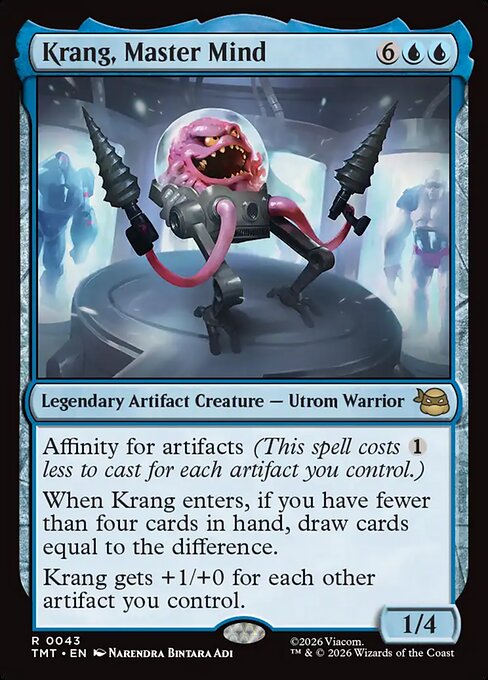
Krang is a beast, but you don’t just put him in any blue deck you can. It’s very easy to see what kind of shell he’d be good in. To brew this, you don’t just add “good artifacts”; you add 0-mana artifacts and Springleaf Drums to ensure you can dump your hand fast enough to make his Draw 4 trigger a reality.
Synergy and Mechanics
Rather than one specific card, you’re looking at how a specific keyword or mechanic interacts with the rest of the format. This mainly involves finding a balance of enablers and payoffs.
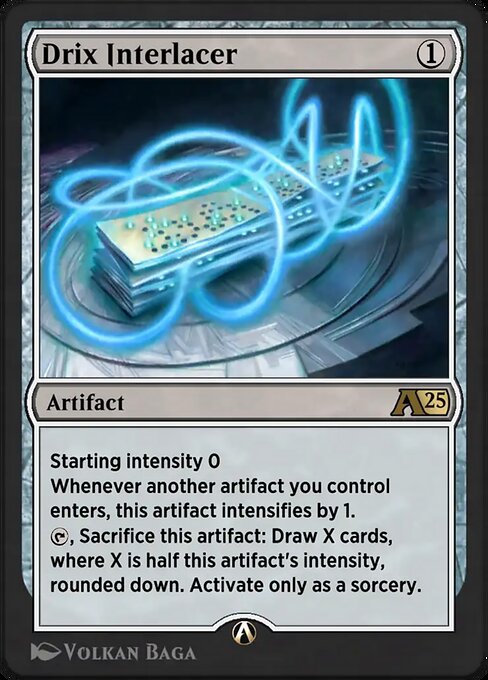
With cards like Drix Interlacer, you aren’t just playing an artifact deck; you’re playing a “velocity” deck. Your goal is to see as many artifacts enter the battlefield as possible in a single turn. This leads you to cards like Pinnacle Emissary, which turns that same velocity into a board of 1/1 flyers.
Themes and Tribes
You start with a tribe, Elves, Wizards, or even Ninjas, and try to find a competitive edge within those constraints. These are usually a little more underpowered but can still be competitive with the right tools or card pools. You don’t want to just play every card with the creature type. Focus on the cards that provide kindred bonuses (Lords) or that allow the tribe to ignore the meta’s usual rules (e.g., Ward, Haste).
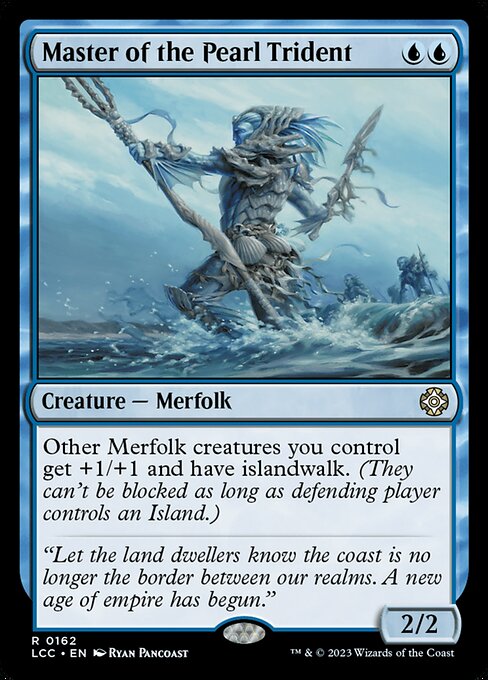
Merfolk is the ultimate tempo tribe. To brew a modern version, you don’t just want a pile of fish; you want to exploit their natural evasiveness (Islandwalk/Protection) and their ability to interact with the stack.
Attacking a Meta
This is for the Spikes who love to brew. You look at the top deck(s) in a metagame and design a deck to attack those specifically. Identify the choke points of the top decks. Does the meta rely on the graveyard? Run grave hate mainboard. Is everyone playing Izzet Lessons and bouncing your permanents? Look for cards with Hexproof or Phase out effects. This can be card by card specifics, or archetypal hate. Sometimes you want to target a single deck, or a whole metagame. Popular cards, archetypes, strategies are all things that can be targeted. Everything has a weakness.
If the most popular deck is Mono-Red on the ranked ladder. I want to either pick a deck that can keep up, or one that actively negates their gameplan. That could mean I play a combo deck that goes off on turn 3 consistently, a removal heavy midrange deck, or something like Mono-W lifegain to keep my life total high.
Creative Exercises
Sometimes the best way to find a new deck is to give yourself a weird restriction. You may set yourself up to use only certain colors, a certain mana curve, or anything that helps you think outside of the box.
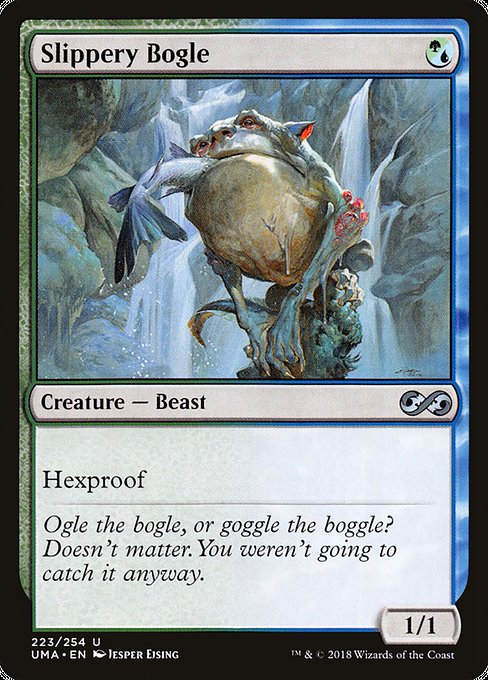
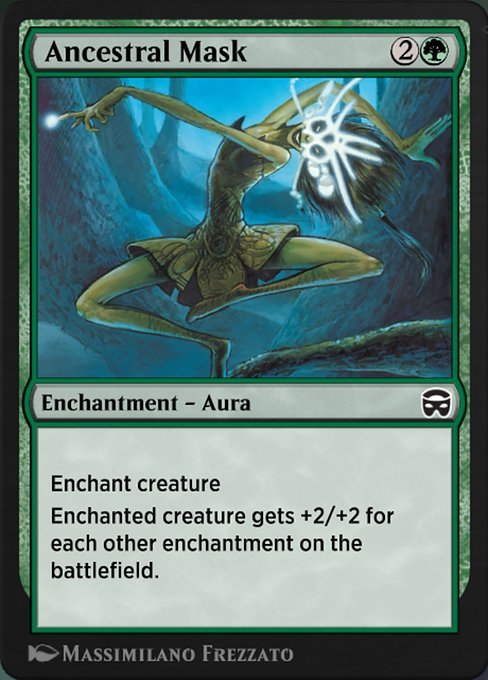
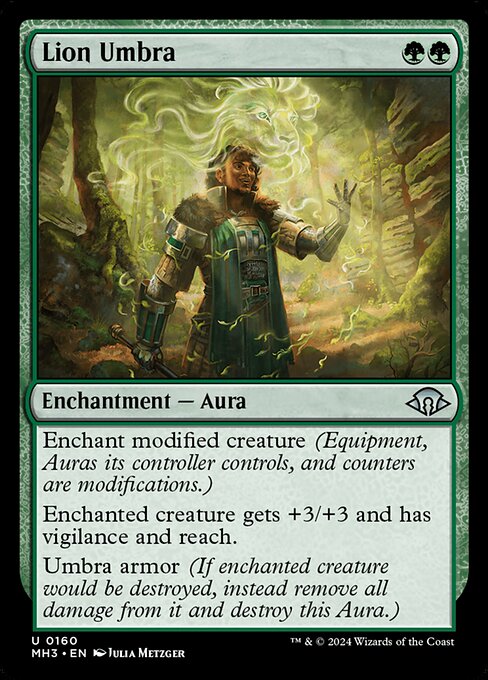
We brewed a green bogles list not too long ago on stream, despite knowing that RW Auras is a strong and tiered archetype in Historic. Not only did it let us paly with Slippery Bogle (a new card at the time), it also let us explore and play with some cards that are good, but might have been forgotten about like Lion Umbra or Meltrsider’s Resolve. It may not turn out to be better than the other decks at the time, but it can help expand your knowledge of the card pool, meta, and tools that certain colors or archetypes have.
Section 3: Inspiration
The hardest part of brewing isn’t picking the cards; it’s finding the seed—that one interaction or observation that justifies building a new deck instead of playing an established one. In 2026, the data moves at light-speed. If you’re only looking at the “Top Decks” tab on a meta site, you’re already behind. To be a true brewer, you have to look where others aren’t.
Card Databases.
Could be any card database really, even just the deck builder in Arena works here. Using syntax while brewing is very helpful and sometimes you just need to browse everything in the card pool to see what matches your idea.
If you have a deck with Soulherder and Ephemerate, search for everything that has an intersting ETB effect. Maybe you’ll use scryfall like this:
This will find every card in the format that cares about your gameplan. I often find myself just looking at older sets or searching for relevant cards that got some new support from being printed in a recent set. This helps you find weird, older interactions that may have flew under the radar.
Foreign Metagames & Old Tournaments
The US and European metas often become self fulfilling, where everyone is just teching against the same three decks and then designs decks to be those deck, Creating a rock/paper/scissors-esque loop
Japanese GPs and Asian Opens: Historically, these regions favor Rogue strategies and heavy synergy decks. A 3-2 list from a Tokyo Open might contain a “package” of 4-6 cards that you can transplant into your own brew to solve a problem the Western meta hasn’t even noticed yet.
The Bottom 5-0’s: Don’t just look at the top winners. Scroll to the very bottom of the League results on MTGGoldfish or AetherHub. Look for the deck that went 5-0 while playing 0 copies of the format’s top three cards.
This also applies to social media! I’m active on x.com and reddit, where people constantly post interesting ideas and concepts. I often save things I find interesting and fun to come back to later.
Personal Ideas
Inspiration comes at any moment, but you can’t always brew it then and there. I used to have a page on the original Jank Tank spreadsheet that was just for ideas. (These are old, don’t make fun of me)
Point is to write down any cool interactions or ideas you come across so you don’t forget them.
Along that same plane, browsing old threads such as TappedOut, MTGSalvation, and others can be a great source of inspiration. Many brews are competitive decks are just a re-hashed or re-skinned version of classic archetypes. Failed decks from a few years ago may be viable now when new tech drops from a more recent set. Sometimes failed ideas are only a card or two away from being viable.
Section 4: Brewing
Ok so you found some inspiration and now you’re ready to brew up a first draft. Now we move from the “Aha!” moment to the “How-To.” You have your idea, you’ve identified your core engine, and you’ve got a rough pile of 60 cards.
Refining a list can be hard because it requires honesty and self-interrogation of your card choices. One way to go about actually testing your list is to set yourself into a deck list and keep notes about how your games went. Sometimes you’ll paly a game or twon and just know by the vibes that something isn’t working, but its good to get a decent sample size to back up your conclusions too.
I personally run all my brews on stream through a “league”. Meaning I take a deck and play 5 Bo3 matches on the ranked ladder with it before I revisit the deck builder and make changes. While doing this I often chat with viewers about what we like and don’t like during our matches.
Things like: Non-Games : Did we lose because we didn’t have the right colors or enough lands? (Fix: Tweak the mana base).
Speed/Velocity: Did we have the right cards but were simply too slow to cast them? (Fix: Lower the mana curve).
Interaction Failure: Did our opponent play a threat we simply couldn’t answer? (Fix: Change your removal suite).
Core Failure: Did our “engine” actually work, but it just wasn’t powerful enough to win? (Fix: This is the hardest—you may need to pivot your Mission Statement).
If a card feels “dead” in your hand for five games in a row, cut it. Even if it’s the “coolest” card in the deck, if it isn’t helping you win, it’s a liability.
Collaborative Brewing
Unless you are brewing for a top-secret professional tournament, do not brew in a vacuum. Magic is a community game for a reason.
A Second Pair of Eyes: You might be so focused on your Mutagen Man combo that you miss a simple 1-mana common that breaks the deck wide open.
Discord & Social Media: Join format-specific Discords (like the mtgazone or MTG Arena communities). Post your Moxfield link and ask: “What am I missing?”
LGS Vibe Check: Take your early concept to your Local Game Store. Lay the cards out on the table and ask the regulars for their take. You’ll be surprised how often a casual conversation leads to a “Silver Bullet” sideboard idea you never would have found on your own.
Pro Tip: When asking for feedback, always share some info about the deck. It helps people give you advice that fits your goals, rather than just telling you to play a different deck entirely. Be open and honest.
Brewing is kind of like a scientific experiment. You cannot determine the viability of a brew based on three games on the ladder. In science, a small sample size leads to “outlier” data. In Magic, that means you might think a deck is “broken” because you drew the perfect hand twice, or “trash” because you got mana-screwed once. Discords and social media are your research colleagues. When you share a list, you are submitting your hypothesis (“I think this UR Krang shell is faster than this UB one) to peer review. Others will find the variables you missed, like a specific interaction with a new set or a common sideboard card that shuts you down. They can can “fact check” you and make sure your results are repeatable. This is the hallmark of a competitive deck. If your deck only wins when you draw exactly one specific card by turn two, your results aren’t repeatable—they’re a fluke. A truly competitive brew is one where the “experiment” (the game) can be run 100 times, and the deck achieves its Mission Statement consistently across different opponents and opening hands.
External verification can be another useful tool during this process. This is where streaming or recording your matches comes in. Sometimes you think a card is bad, but a viewer might point out that you simply sequenced it incorrectly. Having another set of eyes helps separate your personal playstyle from the deck’s actual raw power.
Section 5: Brewer’s Mindset and Tips
Sometimes my brain gets overwhelmed during the brewing process. Whether it’s nbot knowing where to start, having too many directions to take a deck, or just playing slogfest after slogfest while testing, it can get tiring and demoralizing. But sometimes you just have to suck it up. The sweet spot in brewing is often taking a stupid idea and applying rigorous testing and deck-building math to it. The mana base should be professional, even if the win-con is ridiculous.
Not every deck will be a Tier 1 powerhouse. Many will fail. But like I mentioned above. keeping “Brew Folder” of these failed experiments or ideas you haven’t quite gotten to yet is important. Failing is good. Even if you go 0-3 at FNM, if you successfully pulled off your “Mission Statement” even once, you’ve succeeded as a brewer.
Closing Thoughts
Brewing isn’t about people who copy lists; it’s about being the person who creates the next list everyone wants to copy. Start with your one idea, build a solid foundation, test relentlessly, and don’t be afraid to ask the community for a hand.
We’ve really only scratched the surface of deck building today, covering the foundational basics to get your gears turning. There is an entire world of advanced theory out there, and I highly encourage you to seek out the work of other qualified content creators, people like SaffronOlive, Reid Duke, and the various data-wizards on Discord, who have spent years deconstructing the math and psychology of the brew.
The most important thing I can leave you with is this: Don’t be afraid to fail. This is just a game after all, and its supposed to be fun!
That’s it for me!
Thanks for reading!
As always, feel free to comment and leave any questions you have below. And make sure to come back next week for even more Fun & Jank!
If you want to help me brew, come hang out with me on stream where we test, refine, and have a ton of fun together.
Happy Brewin’!
Premium
Enjoy our content? Wish to support our work? Join our Premium community, get access to exclusive content, remove all advertisements, and more!
No ads: Browse the entire website ad-free, both display and video.
Exclusive Content: Instant access to all exclusive articles only for Premium members, at your fingertips.
Support: All your contributions get directly reinvested into the website to increase your viewing experience!
Discord: Join our Discord server, claim your Premium role and gain access to exclusive channels where you can learn in real time!
Special offer: For a limited time, use coupon code L95WR9JOWV to get 50% off the Annual plan!
Plum is the creator of the Jank Tank.
He started playing at the ripe old age of 12 and immediately fell in love with the infinite possibilities that deck building could lead to.
He truly understands that jank is a mindset, and spends most of his free time brewing and concocting new and exciting deck lists to help inspire and promote creativity within the MTG community.