Plum wants to talk about Smallpox. He shows off the first couple builds he's tested on stream, and takes a deep dive into the theory behind the archetype.
Heyo! Welcome back to another episode of Fun & Jank! We’ve had a lot of fun brewing with the Mystical Archives from Secrets of Strixhaven since its release just the other week. Although I don’t think I’ve found my preferred list, I was giddy as a little school girl playing Living End again!
But now I’m turning my attention to another iconic card that I’ve spent a lot of time playing in the past to see if has chops in Historic.
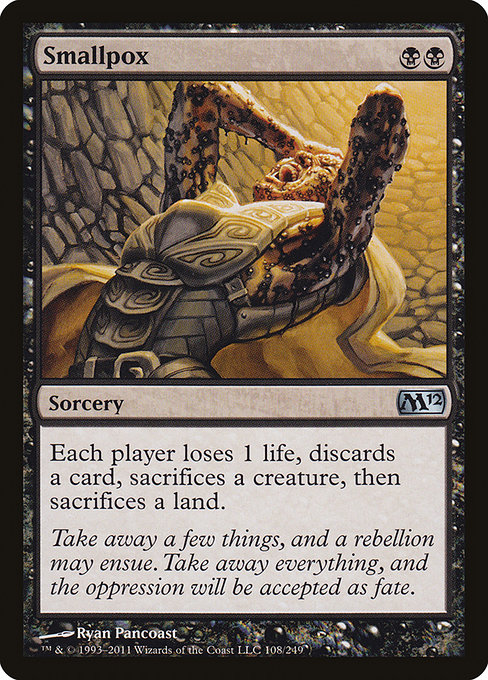
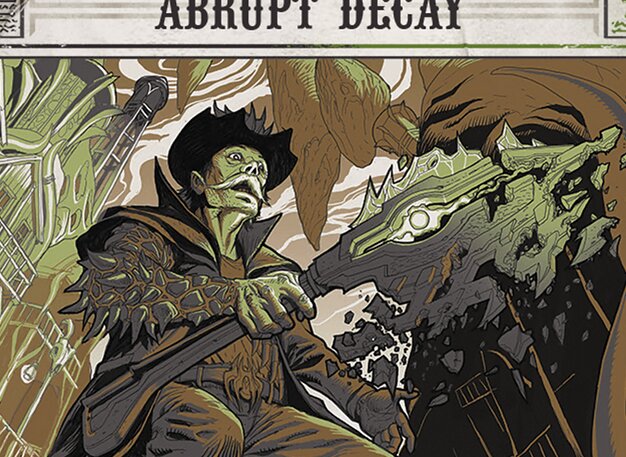
Smallpox is one of the main players when it comes to attrition based strategies. Since its printing in Time Spiral, its been a part of numerous decks that aim to grind the game down to a halt and out-grind your opponent by either keeping them off resources, or rebuilding faster than they can.
Although the card is symmetrical, making both players lose life, lands, cards, and creatures, every strategy revolves around breaking that parity in one form or another. While your opponent is struggling to rebuild their board state, Smallpox decks try to take advantage of other ways to keep things moving, like playing out of their graveyard or using highly recursive engines and cards.
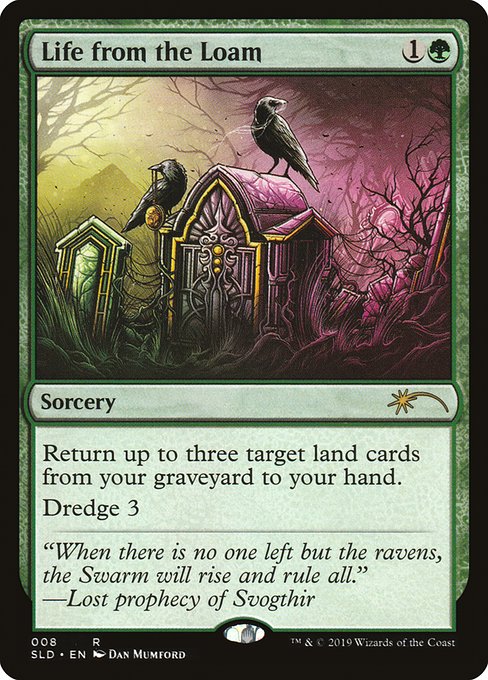
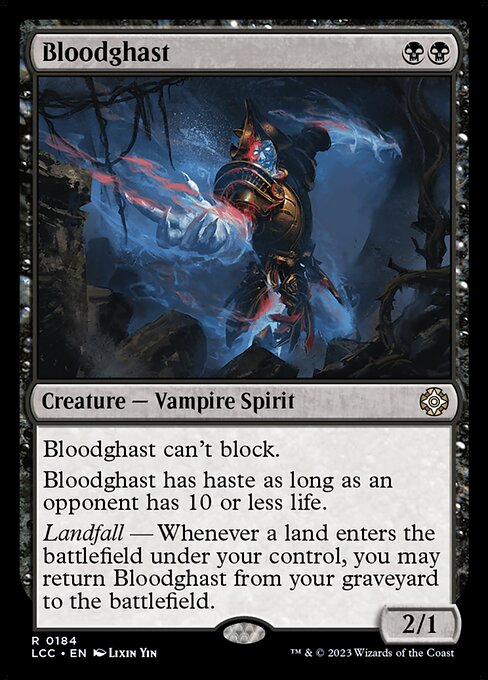
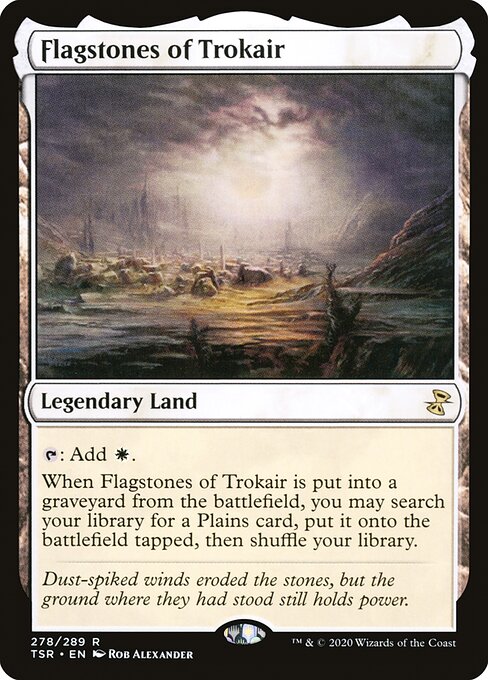
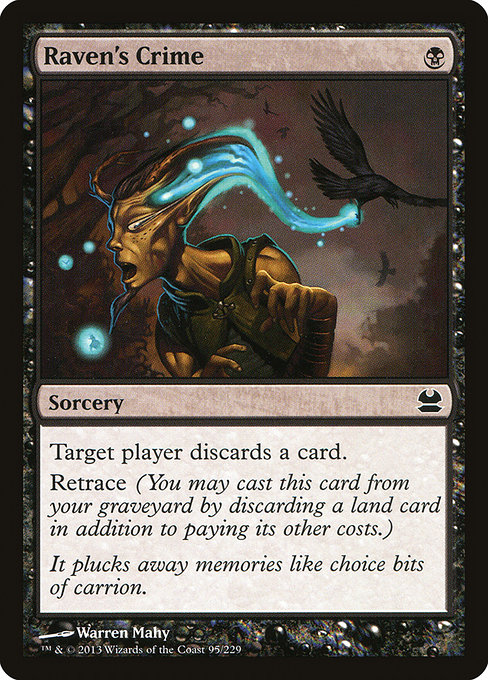
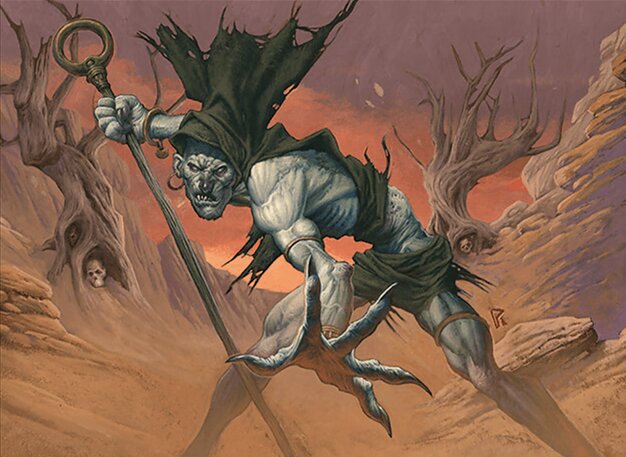
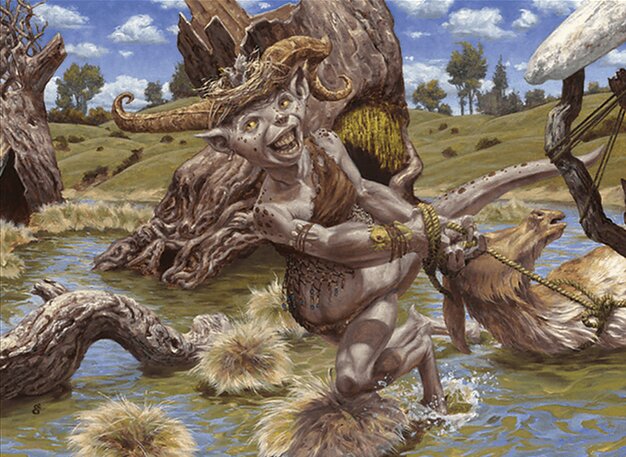
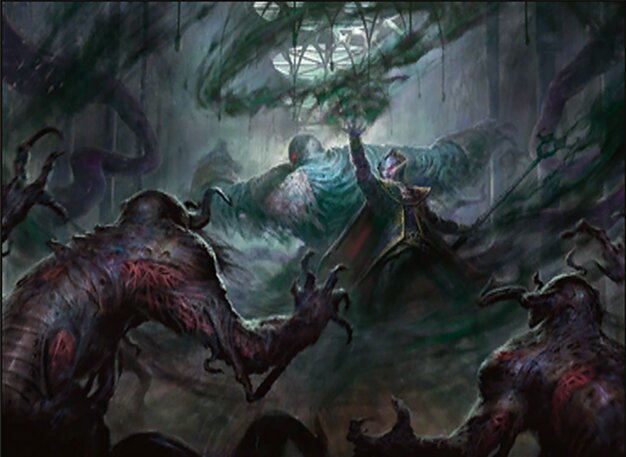
The cards pictured are just a few of the common ways this archetype makes Smallpox an asymmetrical effect. Flagstones keeps you up on lands, Bloodghast is a recurable threat from the graveyard, and Loam allows you to constantly hit land drops and fuels other common disruption like Raven’s Crime.
Now, we will definitely be talking about some lists that I’ve tried on stream over the last week, but I also want to spend some time theorycrafting and talking about other ideas and shells we can slot Smallpox into in the context of the Historic. Historic is missing a lot of the essential cards that make the Modern and Legacy version tick, but we also have a lot of other interesting tech that could prove to be just as strong.
The Foundations
During my time brewing with Smallpox, I’ve looked at hundreds of lists to get a general overview of how people generate value from Pox and use it to their advantage. It seems to come down to three main questions.
1.) How do you break parity and create an advantage? 2.) How do you keep that advantage? 3.) How do you win?
In a vacuum, Smallpox is a 3-for-3 trade. Land, Card, Creature. To break that parity, the deck must ensure that any “lost” resources aren’t actually gone. This can be done through a few different avenues.
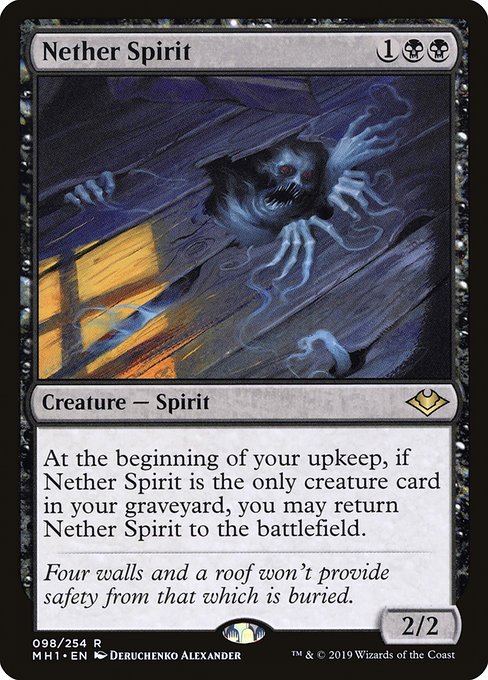
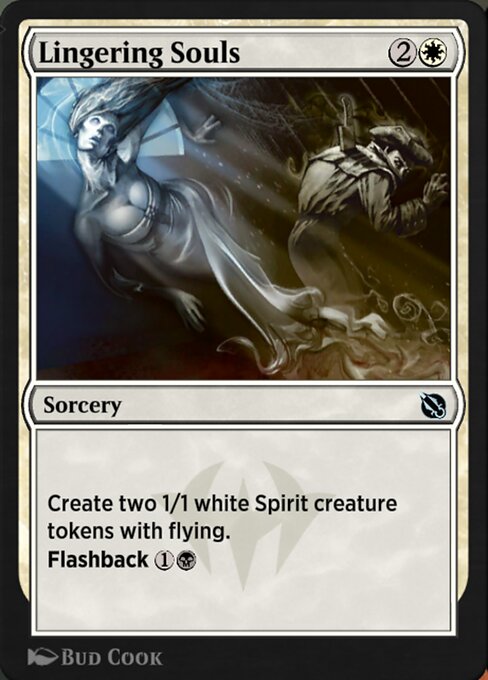
Creatures: In Modern and Legacy, you’ll see things like Bloodghast, Nether Spirit, or Lingering Souls. You discard them to the Smallpox trigger, and you can cast them or return them to paly for free. You’re not necessarily losing a card; you’re just using Smallpox as a discard outlet to put a threat into play.
Lands: In my opinion there’s three big contenders here, Life from the Loam, Flagstones, and Eumidian Hatchery. Flagstones of Trokair is the classic Legacy pairing—when you sacrifice it to Smallpox, it fetches a Plains to replace itself. In Modern, Life from the Loam allows you to dredge back the lands you just destroyed, ensuring you hit your drops while your opponent is stuck on one land.
Cards: This can be literal card advantage, like Castle Lochthwain, but more often than not you leverage what I call “virtual” card advantage. By playing a deck with almost no “dead” cards (like late-game mana dorks or counterspells), every card you discard hurts you less than the opponent, who might be forced to pitch their only win condition or a crucial piece of interaction.
This leads to our second question, once we establish even the slightest advantage over our opponent, how can we maintain it?
Once both players are low on resources, the goal is to keep the opponent from ever recovering. This is the “lock” phase.
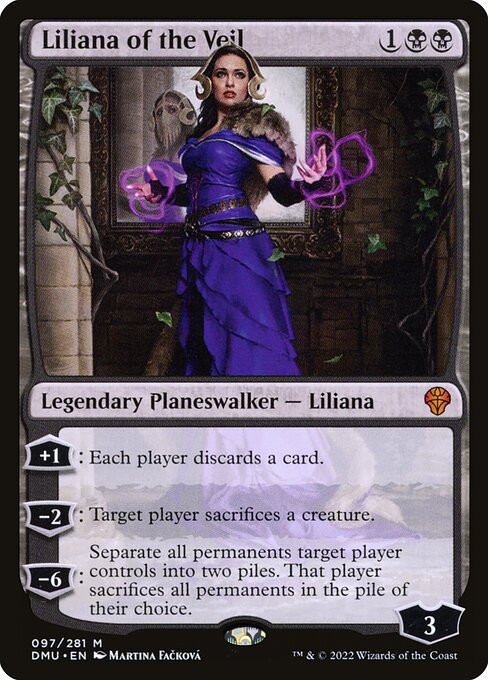
Hand Denial: Liliana is the queen of this strategy. Allowing us to keep our opponent (and ourselves) at 0 cards and the essentially splitting our opponent’s resources in half with her ultimate. She also works quite well if we’re you play graveyard centric threats.
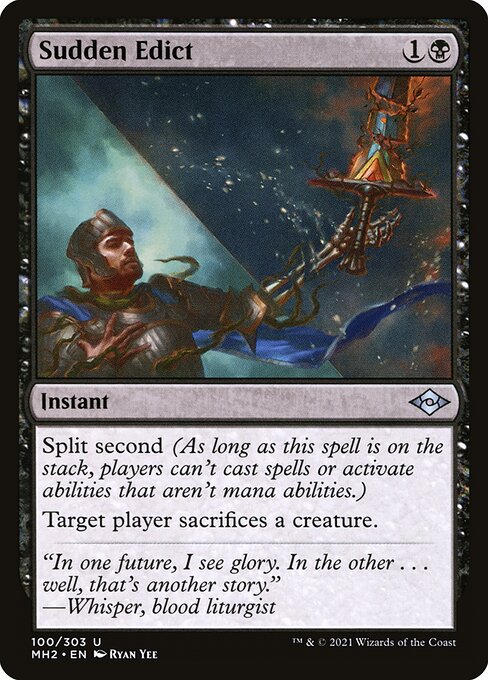
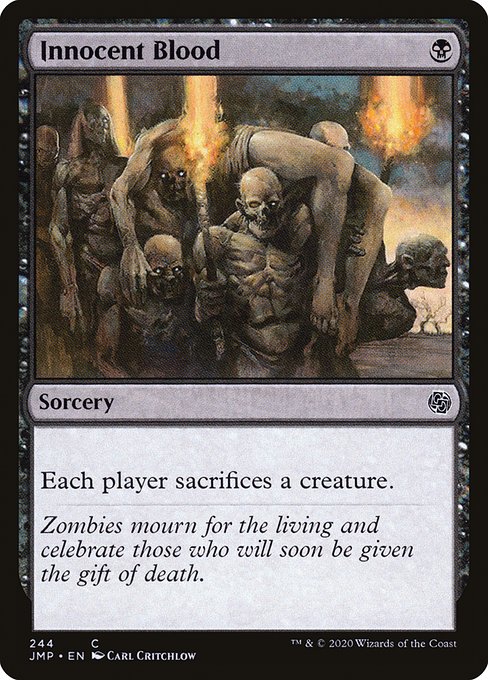
Sacrifice: Most of the Pox lists I looked at play spot removal, but make it a point to play Edict effects as well. They help answer hexproof, indestructible or other sticky creatures, and are generally cheaper than spot removal because it gives the opponent a choice. But if we keep their board clear they’re just as strong, if not more so, than cards like Fatal Push.
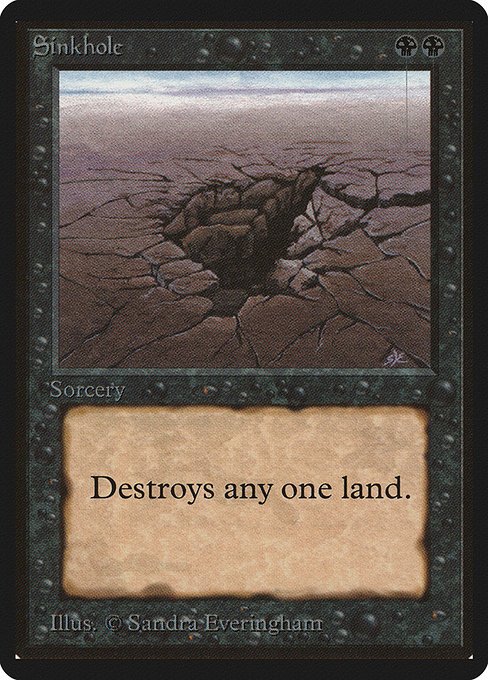
Throttling: The complimentary picks to this strategy are usually repeatable discard or land destruction. Raven’s Crime can be cast with retrace (in Loam strategies) to keep your opponent’s hand empty, and cards like Wasteland or Sinkhole (in Legacy/Vintage) keep them off lands.
That leads us to our third and final question, how do you win?
Well you take your pick. Players have been successful with all sorts of win-cons since the deck’s conception.
This includes cards such as:
The Rack
Myth Realized
Mutavault
Bitterblossom
Urza’s Sage
Sorin, Solemn Visitor
Eumidian Hatchery
Tarmogoyf
I think you get the idea. You can basically play any sort of win-con you want, as long as its something that’s hard to interact with and/or provides a repeatable advantage once its online. Nowadays, most Legacy Lists opt to win via Urza’s Saga tokens, or another variant of the deck that plats The Rack and Shrieking Affliction to take advntage of the opponent having no cards in hand.
Translating to Historic
I started my testing relatively simple, mainly modeling my first couple builds off of the traditional lists that have seen success in other formats. Let me give you the general gameplan for them before we talk more.
This list is all about Looping. It doesn’t care if it loses a land or a creature because it treats the graveyard as an extension of the hand. We’re using Pox, Rumble, and Supplier to get things in the yard and then use Chthonian Nightmare or Unearth to bring them back for cheaper.
Nightmare and Eternal Witness felt disgusting in the games we got it up and running. It allowed us to rebuy anything we wanted from the yard over and over. Smallpox, removal, whatever. It felt incredibly grindy and I appreciated how much we got to use the graveyard as a source of value.
This list is much more aggressive and focuses on the Hand Denial aspect of the archetype. I wanted to test a more convicting threat in the form of Levitating Statue, aka Myth Realized at home.
We could play it early, and it would gradually accrue counters as we played the game as normal until we were ready to animate it and swing in with a giant flyer when the coast was clear. Since we were mono-black, this was also a way for me to test Eternal Student over Lingering Souls. It gave us great discard fodder that could turn into some evasive threats at instant speed.
You’ll also notice a pet card of mine, Mind Rake. We don’t have Hymn to Tourach on Arena, but when we don’t care about our own hand, an overloaded Mind Rake does a damn good impression of it.
Gameplay
Firstly, casting Smallpox is so freakin’ fun. But after putting both lists through their paces on stream we started to realize that going the traditional route wasn’t quite cutting it in Historic. We just don’t have tools with a high enough power level to break the parity of the card. No Mox Diamond, no Life from the Loam, no Dark Ritual, etc. If we try to play a 2018 Modern list in a 2026 Historic meta, we’re just going to get run over while we’re busy feeling nostalgic.
But Historic is a wacky format for a reason. We have access to some weird digital cards, random anthology cards, and other tech that can actually bridge that parity gap in ways the older formats can’t.
I don’t have proper lists for these yet, but they’re on my radar to test in the coming weeks to see if they can give the deck a boost.
If we can’t play Mox Diamond, we play the cards that let us start the game on turn two.
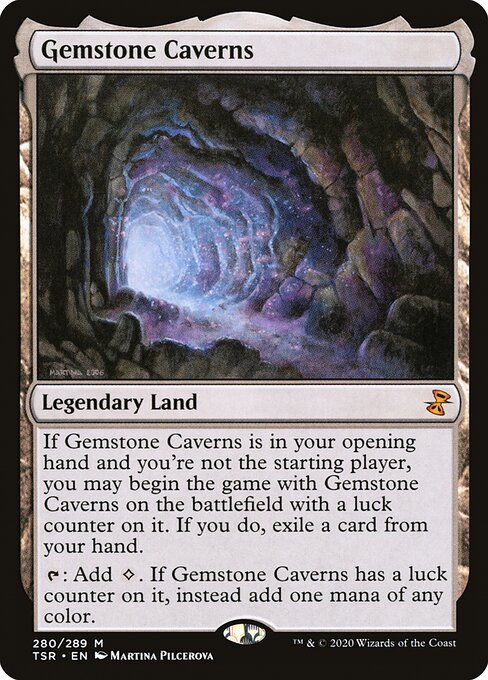
Gemstone Caverns: This is the closest thing Historic has to a true fast-start engine. Being on the draw is usually a death sentence for attrition decks, but a turn-zero Caverns lets you hit a Mind Rake, or more importantly, a Turn 1 Smallpox.
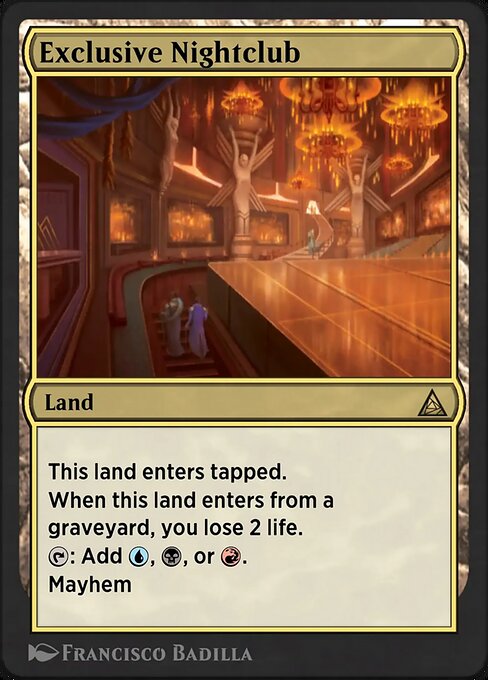
Exclusive Nightclub: This is some interesting tech. We’re most likely not splashing blue or red, so this is basically just a tapped swamp most of the time, but the Mayhem ability makes it stand out in my mind. Being able to discard this to a Pox, Lili, or Collective Brutality and then immediately put it into play can help make sure we hit our land drops.
If we don’t have Dark Ritual, we can borrow some packages from Jet Storm.
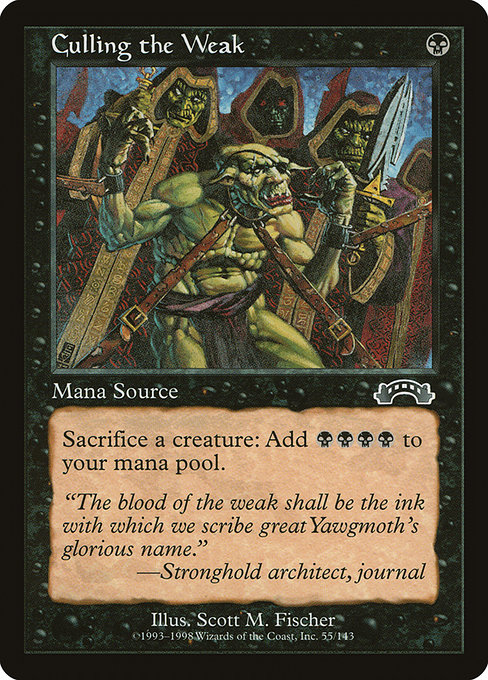
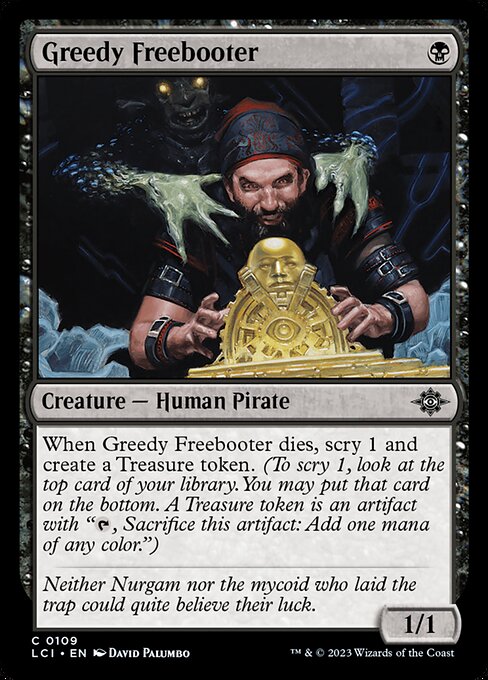
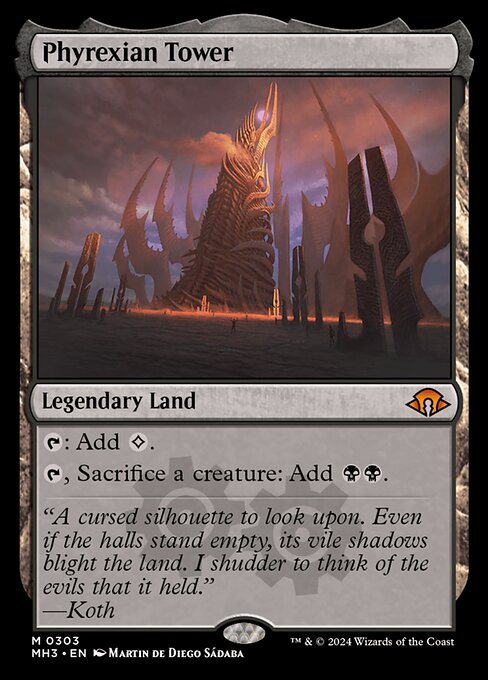
Culling the Weak: We can play a fun package with Treasure makers, Culling the weak, and Phyrexian Tower. Allowing us to make make 4-6 mana on turn 2 letting us dump our hand without worrying about dwindling our own resources. A turn 2 Liliana plus a Smallpox can be back breaking against a lot of the field.
This is how we “replace” Life from the Loam. If we can’t dredge lands back to our hand to rebuild from a Pox, we can try to frontload instead. Playing 3-4 lands by turn 2 making a Smallpox ineffective at slowing us down.
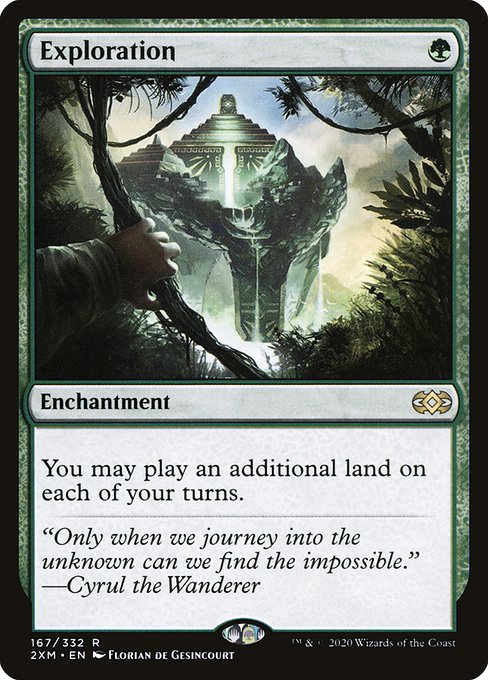
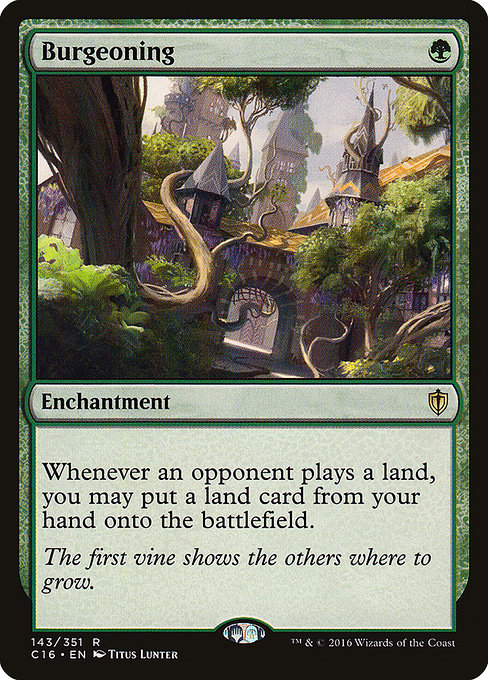
Exploration/Burgeoning: Both of these are cheap and redundant options to each other when it comes to dumping lands on the field. Even just getting one extra land into paly before firing off a Smallpox is beneficial at widening the gap between our opponents resources and our own.
These cards can do some crazy stuff, an although I don’t think you’d play all of them together, they’d enable some crazy sequences.
Turn 0: Gemstone Caverns Turn 1: Land, cast Exploration, Second Land, Thoughtseize Turn 2: Smallpox, discard Bloodghast, play land for turn to bring back Ghast
and so on.
Now, this is the part of the article where I’m supposed to give you a polished, 75-card masterpiece that I’ve used to sweep the Mythic ladder. I should be showing you a sideboard guide and telling you exactly which matchups to fear.
But uh….I don’t have one.
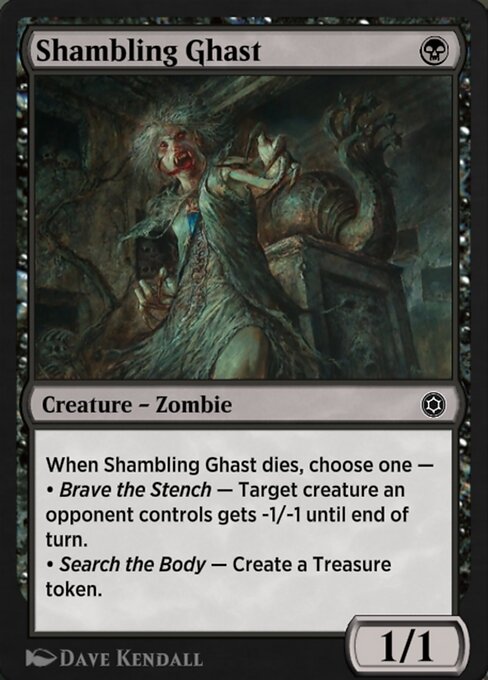
Usually, by the end of a week of testing, I’ve settled on a coherent list that I like, and will continue to streamline off stream. But my takes on Smallpox in Historic are currently a chaotic mess. Every time I think I’ve found the cool shell, I realize I haven’t tried Culling the Weak with Shambling Ghast, or I lie awake wondering if Burgeoning is actually the secret tech to break it.
And that’s why I spent so much time in today’s article talking about the general philosophy of successful Smallpox decks, and how we now need to apply those ideas to the Historic cardpool. It feels likes there a million ways to take the deck, and I want to make sure I have a list that I can really stand behind before I present it to y’all.
Closing Thoughts
So that’s where I’m at. Hopefully you enjoyed the theorycrafting rather than just a showcase of a deck today. I’m very eager to continue working on a variety of shells with the cards I believe will best break the symmetry of Smallpox like I mentioned above. There’s a few archetypes in Historic, like attrition or prison, that don’t have a strong presence in the format. Mainly because they just don’t have the right tools to compete. But I think I can make Smallpox work somehow, and based on the initial concepts we played it feels like a streamlined build could do pretty well!
That’s it for me!
Thanks for reading!
As always, feel free to comment and leave any questions you have below. And make sure to come back next week for even more Fun & Jank!
If you want to help me brew, come hang out with me on stream where we test, refine, and have a ton of fun together.
Happy Brewin’!
Premium
Enjoy our content? Wish to support our work? Join our Premium community, get access to exclusive content, remove all advertisements, and more!
No ads: Browse the entire website ad-free, both display and video.
Exclusive Content: Instant access to all exclusive articles only for Premium members, at your fingertips.
Support: All your contributions get directly reinvested into the website to increase your viewing experience!
Discord: Join our Discord server, claim your Premium role and gain access to exclusive channels where you can learn in real time!
Special offer: For a limited time, use coupon code L95WR9JOWV to get 50% off the Annual plan!
Plum is the creator of the Jank Tank.
He started playing at the ripe old age of 12 and immediately fell in love with the infinite possibilities that deck building could lead to.
He truly understands that jank is a mindset, and spends most of his free time brewing and concocting new and exciting deck lists to help inspire and promote creativity within the MTG community.