Hello, my fellow Planeswalkers! I am The MTG Hero, and last week we looked at a fun deck I wanted to build around one of my all-time favorite cards, Tarmogoyf. While I continue brewing more decks for Fractured Reality, I wanted to take a break and talk about a deck I absolutely love playing: Mardu Discard.
There is something special about this deck. The high-roll potential creates some of the most fun games I have played in a long time. When everything comes together, our creatures grow out of control, our graveyard becomes another resource, and we can turn a seemingly useless hand into a flurry of damage that ends the game out of nowhere.
Most decks want to hold on to their cards. Every card in your hand represents another option, another answer, or another threat your opponent has to worry about. Mardu Discard looks at things a little differently.
What if discarding cards wasn’t a drawback at all? What if every card we threw away made our creatures bigger, brought threats back from the graveyard, and put our opponent closer to defeat?
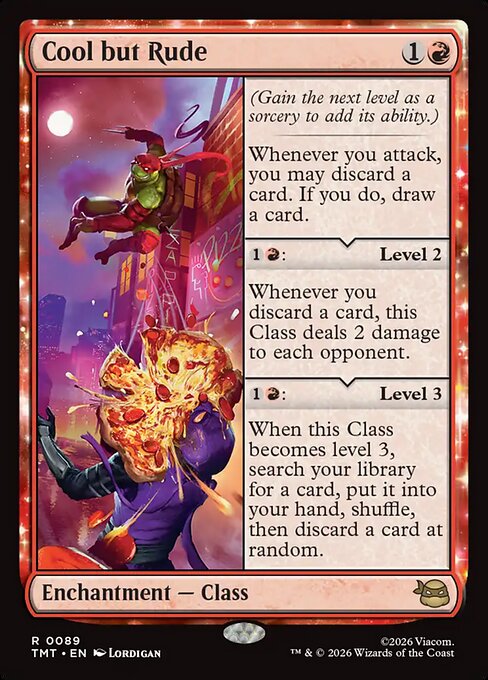
Featuring aggressive creatures like Marauding Mako and Moonshadow, recurring threats like Bloodghast, and a discard engine built around Cool But Rude, this deck can put an incredible amount of pressure on the opponent before they have time to get comfortable.
What I particularly like about this build is that it doesn’t rely on a single threat to win. Instead, it combines efficient creatures, repeatable discard effects, graveyard value, and a little disruption to keep the pressure coming. You can make combat miserable for your opponent while generating value from cards that would otherwise be sitting in your hand.
Let’s break down how this deck works and why this aggressive strategy has developed such a dedicated following among its niche group of players.
The Discard Engine: Making Every Card Count
The heart of this deck is turning discarded cards into an advantage. We aren’t simply emptying our hand and hoping our creatures get there. We are building a board where every discard can contribute to our game plan.
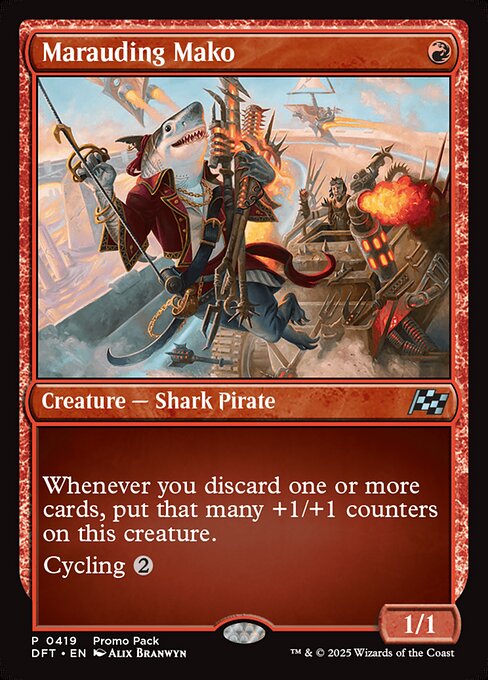
Marauding Mako is easily our best creature to start with. Every card we discard helps grow this beast into a game-ending threat, and it reminds me a lot of Sazh's Chocobo from Landfall. Both cards reward us for doing something our deck already wants to do, allowing us to turn normal game actions into additional pressure.
The real strength of Mako is how quickly it can get out of hand. With so many discard outlets in our deck, we can grow it while developing our board and setting up future plays.
Even better, Mako doesn’t have to become a massive creature to be useful. Sometimes, forcing our opponent to spend removal on it is enough to clear the way for our other threats.
In the late game, we can also cycle Mako to get a discard and draw a fresh card, triggering our discard synergies while digging for additional gas. That flexibility is a big part of what makes this creature so good in the deck.
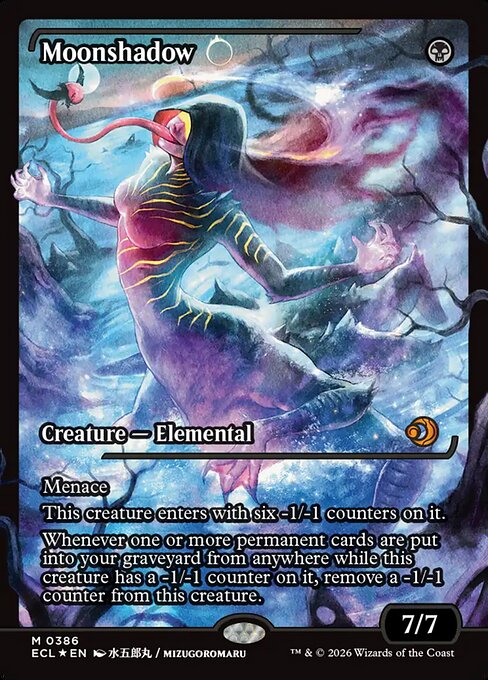
Moonshadow serves as our backup to Mako and helps make the deck more consistent. Like Mako, it rewards us for putting permanent cards into our graveyard, but Moonshadow gives us additional flexibility because those cards don’t have to come directly from our hand.
As we put permanents into the graveyard from different zones, Moonshadow can gradually remove its negative counters and grow into a much more threatening creature.
That overlap is important. We don’t want to build a deck that only functions when we draw one particular card. Having multiple threats that benefit from our discard and graveyard synergies means we can keep applying pressure even when our opening hand isn’t perfect.
Mako might be our favorite creature to start with, but Moonshadow gives us another way to make our opponent regret letting our engine get established.
Hardened Academic gives us another solid discard outlet while providing a way to gain life and stay competitive in races.
The Academic also puts counters on our creatures whenever cards leave our graveyard. That makes it particularly interesting alongside Bloodghast, which can repeatedly return to the battlefield as we make land drops.
This is where the deck starts to get ridiculous. We aren’t just growing one creature through discarding cards; we can also develop another threat by moving cards out of our graveyard. If the Academic sticks around, it can grow alongside our other creatures while its lifelink helps us recover life.
Against other aggressive decks, that life gain can make a huge difference. Sometimes, the difference between winning and losing a race is whether we can gain enough life to survive one more attack while setting up a lethal swing of our own.
The Academic gives us a way to do exactly that while continuing to advance our primary game plan.
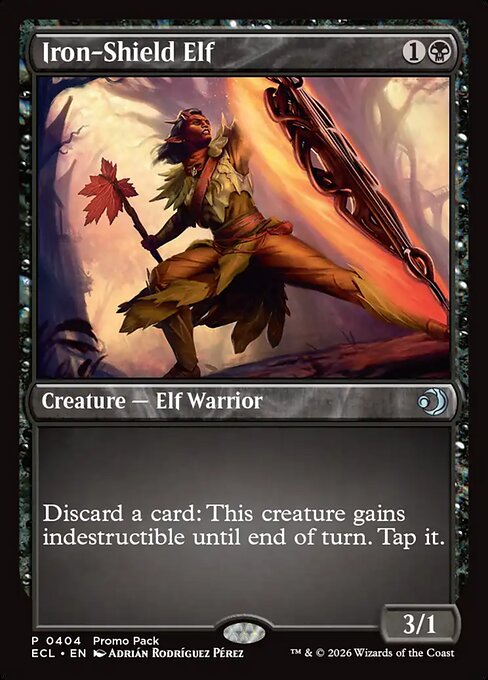
Iron-Shield Elf is another redundant discard outlet that helps us trigger our various synergies. It might not provide the same upside as Hardened Academic, but its ability to protect itself makes it a solid threat that can be difficult for opponents to answer efficiently.
Redundancy is one of the most important parts of this deck. We don’t want to spend the first few turns hoping to draw a specific card before our strategy becomes functional. We want multiple ways to discard cards so our payoffs are consistently relevant.
If you have ever played an Aristocrats deck, you know how important sacrifice outlets can be. Drawing all your payoff cards without a way to sacrifice creatures can make an otherwise powerful hand feel completely useless.
Mardu Discard has a similar problem if we don’t draw our discard outlets. Thankfully, between Mako, the Academic, the Elf, and our other discard effects, we have plenty of ways to get things moving.
Having eight solid discard outlets between our creatures and the broader engine makes this deck far more consistent than it might look at first glance.
I think the centerpiece of this deck is Cool But Rude. This card gives us another way to turn discarding into an advantage while helping our aggressive game plan remain relevant into the middle and late game.
Not only is it an effective discard outlet when we attack, but once it levels up, it turns every card in our hand into a Shock, allowing us to finish off opponents with a flurry of discards.
That is where this deck gets really fun. Sometimes our opponent thinks they have stabilized, only to discover that the cards in our hand represent a whole lot more damage than they expected.
I rarely level Cool But Rude all the way up to level three immediately. I generally save that investment for when I need the extra damage from its burn ability or the additional power to push my board over the finish line.
Otherwise, I prefer to wait until I have a specific reason to level it up. If I already have a great hand, it doesn’t make much sense to rush into an ability that forces me to discard cards at random. I would rather keep my options available until I know what I need.
Knowing when to hold back is important because this deck can reward patience just as much as it rewards aggression. We want to maximize our damage, but we don’t want to throw away a winning position by discarding the wrong cards at the wrong time.
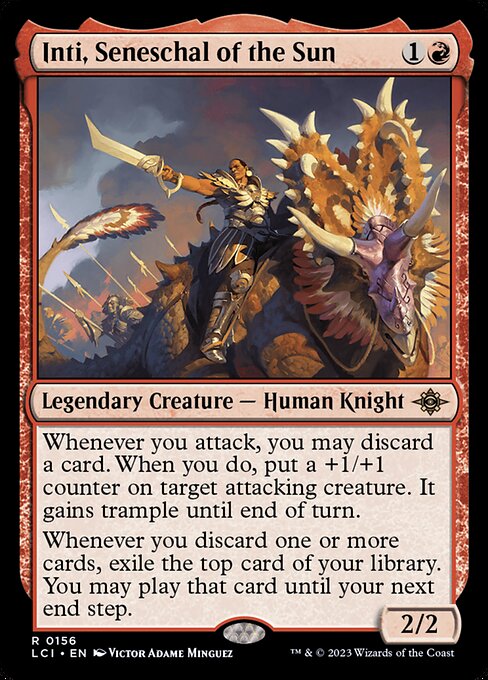
Inti, Seneschal of the Sun gives us another way to turn attacking into value. Inti lets us discard a card when we attack and replace it with a fresh card from the top of our deck, while also buffing an attacking creature and giving it trample.
That combination is excellent here. We get to improve our combat step, trigger our discard synergies, and potentially replace a dead card in our hand with something more useful.
Trample is especially important because our opponent can’t always solve the problem by throwing a small creature in front of our biggest threat. If Mako or Moonshadow has grown beyond what they can comfortably block, Inti can help push even more damage through.
There are also situations where I want to unload my hand at the end of my opponent’s turn, depending on which discard outlets I have available. If I’m holding a bunch of cards that aren’t helping me close out the game, I can use those outlets to turn them into value and potentially untap with a completely different hand.
The catch is that some of the cards we see this way may only be available to play for a limited window. That means I want to use this line when I’m confident I can convert those cards into damage or another meaningful advantage.
Sometimes, we aren’t looking to build a long-term resource advantage. We are simply trying to slam the door shut before our opponent gets another turn.
The Graveyard Is Just Another Hand
One of my favorite things about this deck is getting to play Bloodghast.
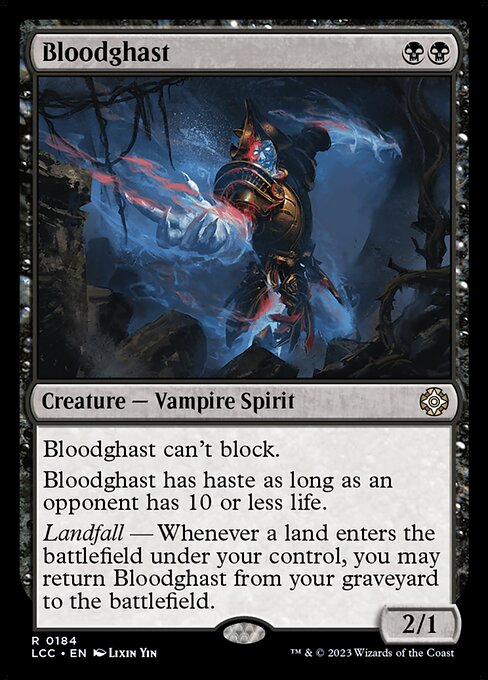
Bloodghast is an excellent fit for a strategy that wants to discard cards because it can return from the graveyard whenever a land enters the battlefield under our control. Instead of permanently losing a creature when we discard it, we can bring it back and get additional value from the discard itself.
That creates some excellent sequencing opportunities. If we have Marauding Mako on the battlefield, discarding Bloodghast can help grow our threat before we bring Bloodghast back with a land drop. We might also use Inti to replace a card in our hand and get additional damage out of Cool But Rude.
Suddenly, one discarded creature has helped advance several parts of our game plan.
The other thing I love about Bloodghast is its late-game potential. When our opponent is at 10 life or less, Bloodghast gains haste, meaning we can bring it back with a land drop and immediately put more pressure on them.
That can create some nasty surprises. A land drop that looks harmless can suddenly represent extra damage from the graveyard, especially when we already have creatures on the battlefield and our opponent is trying to calculate whether they can survive another attack.
Bloodghast is one of those cards that makes the deck feel like it has more resources than it should. Our opponent can answer it, we can discard it, and we can still find ways to bring it back. That is exactly the kind of threat I want in a deck built around throwing cards away.
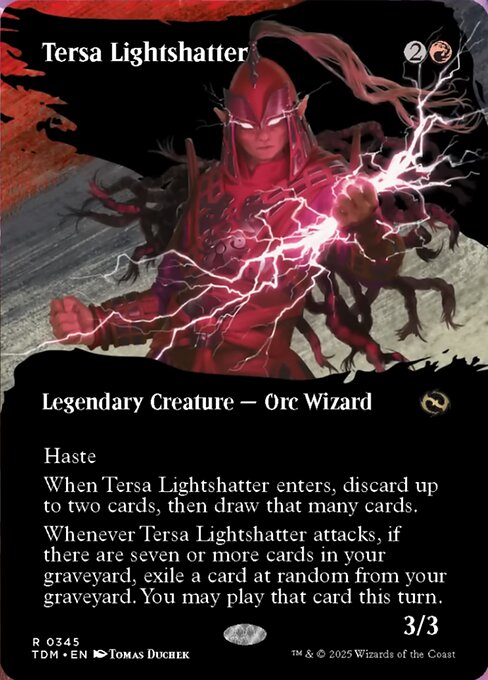
We also have two copies of Tersa Lightshatter, giving us another aggressive threat that can turn our graveyard into an advantage.
Tersa fits naturally into a deck that wants to discard cards and fill the graveyard. She can help us get rid of two cards that aren’t doing much for us and turn them into fresh resources, which is particularly useful when our hand is full of cards we would rather put to work elsewhere.
When Tersa attacks, she also gives us the opportunity to recast a random card from our graveyard. That can generate a surprising amount of value over the course of a game.
Sure, the random selection means we don’t always get the card we want most. But I’ll take a free card over getting nothing any day, especially when the card we recover can help us continue applying pressure.
Tersa is another great example of why I enjoy this deck. We have so many ways to turn cards that would otherwise be dead resources into something useful. Even when our hand isn’t ideal, we have ways to keep the game moving in our favor.
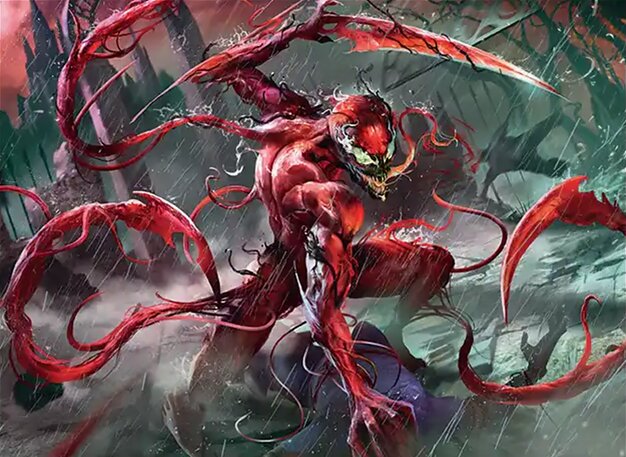
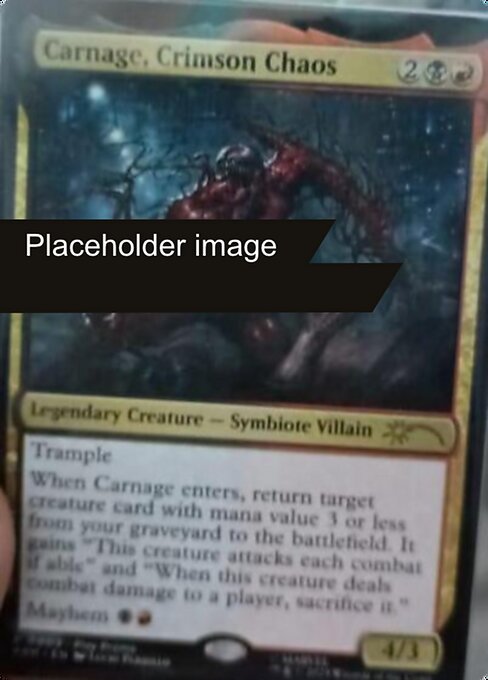
The two copies of Carnage, Crimson Chaos give us another powerful threat that rewards us for filling the graveyard.
Carnage adds a different dimension to the deck by letting us capitalize on creatures that were discarded to our effects or removed by the opponent. We might only get one attack with the creature we bring back, but that single attack can still generate a ton of value.
For example, bringing back Tersa can give us access to additional cards and potentially another opportunity to recast something from our graveyard, all while putting a decent body onto the battlefield to attack.
Generally, though, I find Carnage is at its best when it brings back one of our discard outlet creatures. Sometimes, we need another way to trigger our synergies, and getting a creature back that helps keep our engine running can be more valuable than simply bringing back the biggest threat available.
That flexibility makes Carnage a useful tool for recovering from removal and maintaining pressure through the middle turns of the game.
Other Spells
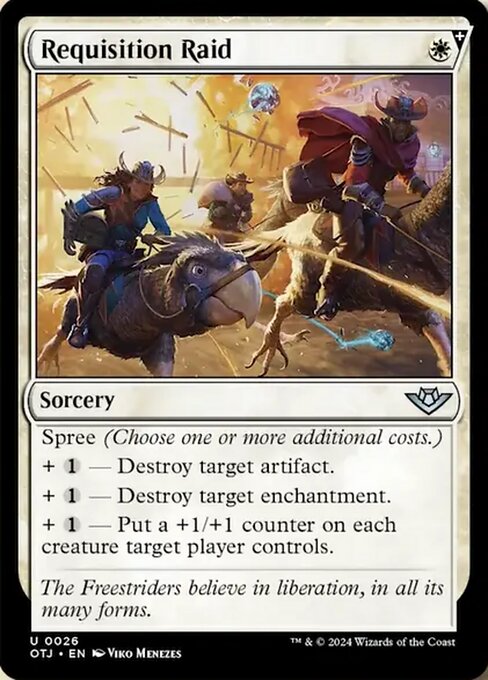
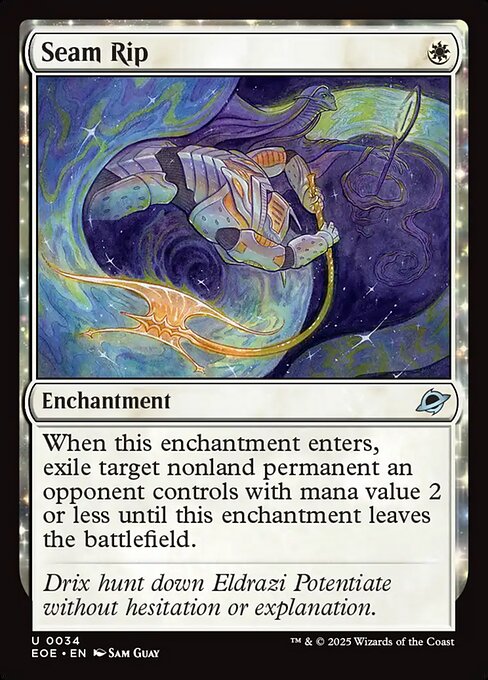
While our creatures and discard engine do most of the heavy lifting, we still need a few ways to interact with our opponent’s board.
Requitting Hex is one of the best one-mana removal options we have access to. It isn’t Fatal Push, but it tries hard! Cheap removal is important because we don’t want to spend an entire turn answering a threat when we could be developing our board or setting up a big attack.
Some lists play Erode, and I can understand the appeal. It is mana-efficient and gives us another way to answer opposing creatures. However, I really don’t like giving my opponent an extra land if I can avoid it. Helping them accelerate into their more powerful spells can be a real problem, particularly when we’re trying to end the game before they stabilize.
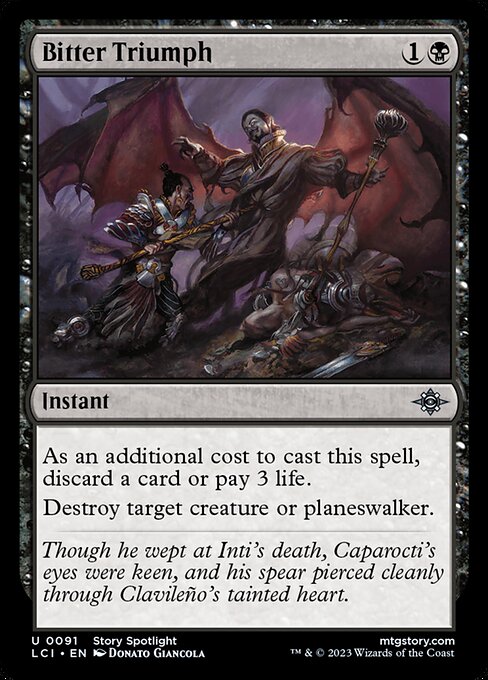
That is where Bitter Triumph comes in. For just one more mana, it gives us a way to remove the threat we need to answer while also allowing us to discard a card. In this deck, that discard can be an upside rather than a cost, making the spell a natural fit for our strategy.
Finally, Practiced Offense is an incredible way to turn our entire board into a lethal force. Giving one of our creatures double strike can make combat extremely difficult for the opponent, especially when we’re targeting something with evasion or trample.
Imagine giving Moonshadow or another evasive threat double strike when it is already large enough to deal significant damage. We can potentially gain a ton of life through our lifelink synergies or simply end the game on the spot.
The important thing is knowing when to pull the trigger. We don’t want to waste our combat tricks on an attack that doesn’t accomplish much, but when the opportunity presents itself, Practiced Offense can turn an ordinary combat step into a game-ending swing.
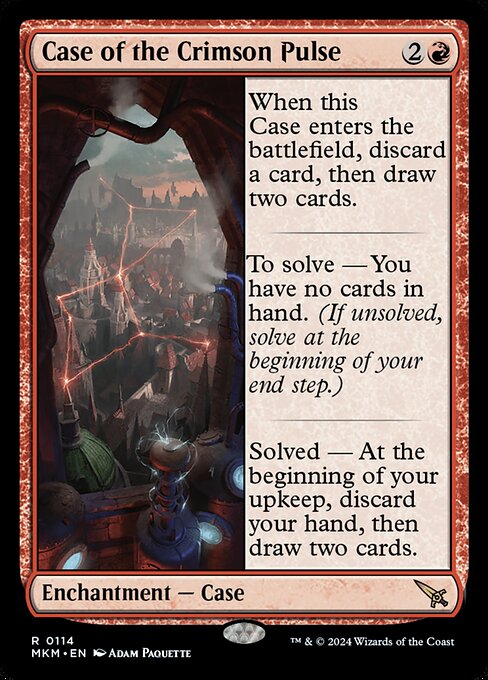
Case of the Crimson Pulse is a unique choice, but it supports our gameplan and gives us a steady stream of cards in longer, grindier games. In multibles we can get a ton of triggers in a single turn.
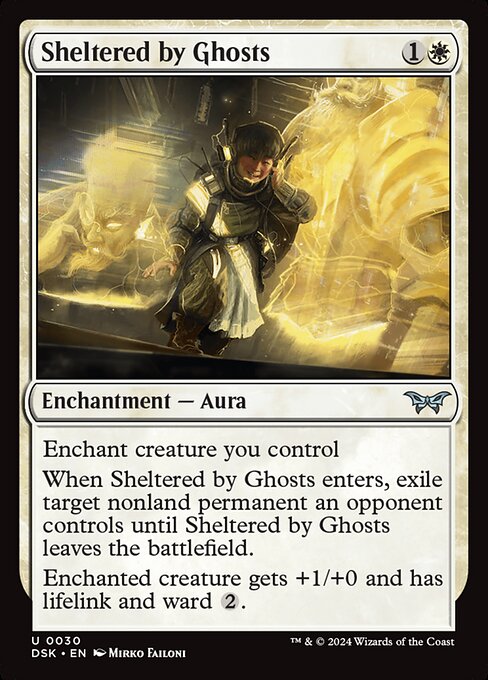
Sheltered By Ghosts is one of the best cards against aggro decks because we can remove a threat and start attacking while gaining a ton of life back in race situations.
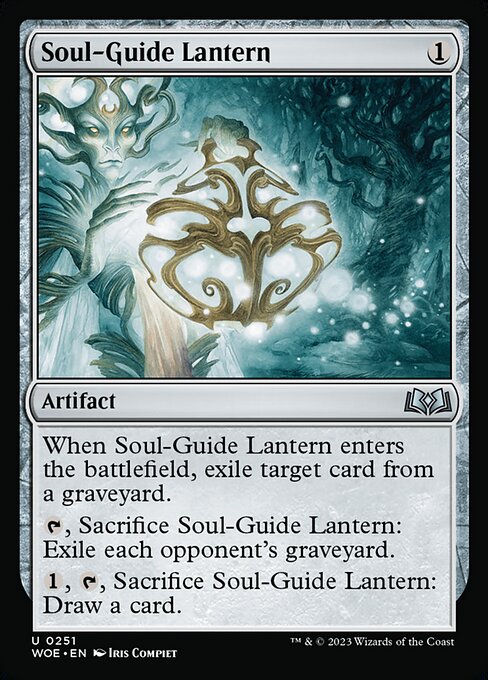
Soul-Guide Lantern is still the best grave hate we have access to. It is one-sided and in situations where we find multibles, we can sacrifice one for a new card and it also triggers Moonshadow
Wrap-Up
Mardu Discard is one of those decks that reminds me why I love Magic. It rewards careful sequencing, gives us plenty of interesting decisions, and has the kind of high-roll potential that makes every game feel different.
When the pieces come together, our creatures grow out of control, Bloodghast keeps coming back, and Cool But Rude gives us a way to turn our remaining cards into the final points of damage. Even when the game doesn’t go perfectly, we have enough redundancy that we can often find another way to keep our engine running.
Is this the most straightforward deck to pilot? Not necessarily. You need to know which cards you can afford to discard, when to make your land drops, and when to stop setting up and simply go for the win. But that is part of the appeal for me. The deck rewards you for understanding how its pieces fit together, and the payoff can be spectacular.
If you enjoy aggressive decks with explosive turns, recursive threats, and plenty of opportunities to outplay your opponent, I highly recommend giving Mardu Discard a try.
Until next time, my fellow Planeswalkers, Hero out!
My name is The MTG Hero. I have played Magic for over 15 years. I am a consistent high Mythic ranked player. Follow me on Twitch and subscribe on YouTube!