Hello, my fellow Planeswalkers! I am The MTG Hero, and if there is one thing you should know about me by now, it is that I love Mono-Red Aggro decks. Some of my earliest content on the site was about climbing to Mythic every season with a fine-tuned Mono-Red list. There is always something incredibly satisfying about watching your opponent scramble to stabilize while you are already figuring out how to squeeze in those last few points of damage.
Today, we are looking at my Mono-Red list for Reality Fracture Standard and what the new set brings to one of the oldest archetypes in the game. Let’s get into the deck!
The foundation of any good Mono-Red Aggro deck is its early creature package. We want to start applying pressure immediately, force our opponents to spend their resources answering our threats, and make every turn count.
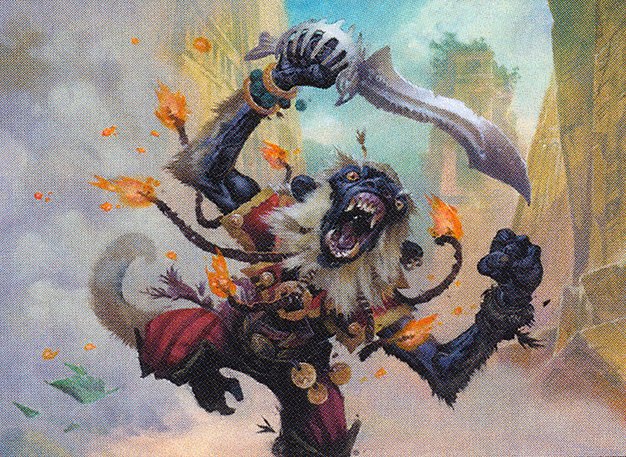
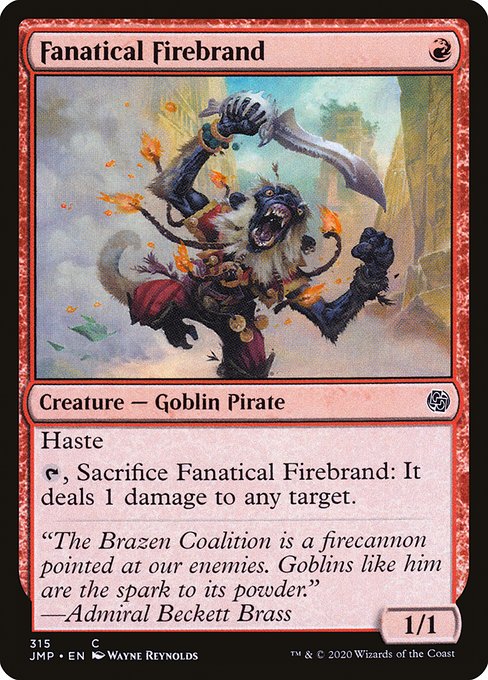
Fanatical Firebrand is currently my frontrunner over something like Burnout Bashtronaut. Firebrand has some added utility thanks to its ability to sacrifice itself to take out key creatures in the current meta or squeeze in that extra point or two of damage when we need it. That flexibility is incredibly valuable in a deck that wants to make every point of damage count.
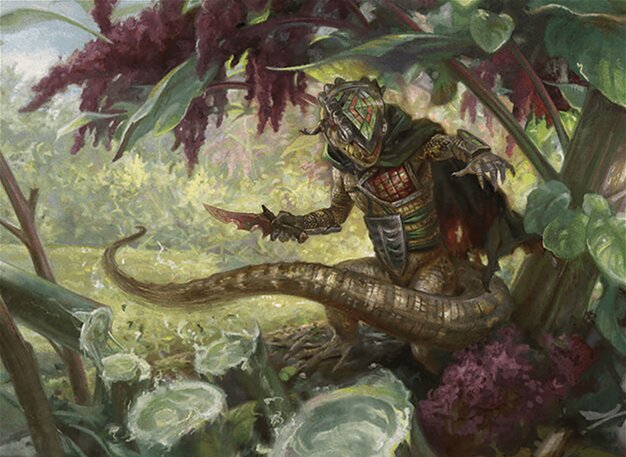
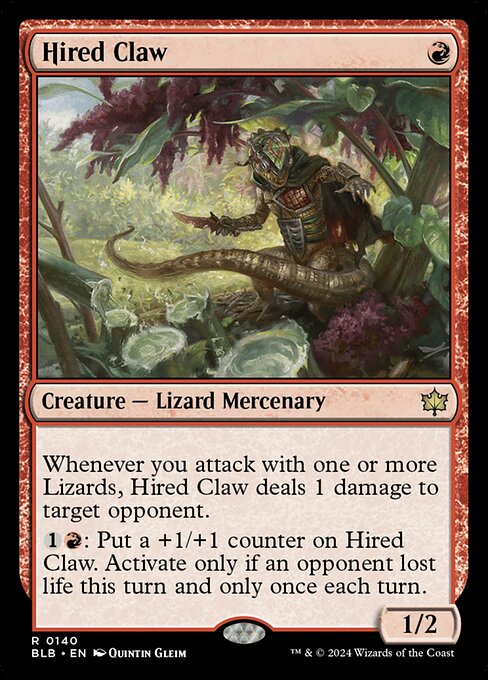
Hired Claw gives us another way to apply pressure from turn one, and it can grow itself if our opponent doesn’t deal with it. The damage adds up quickly, and it can even make blocking a risky proposition for our opponent.
We also don’t mind drawing multiple copies since each Claw can contribute additional damage when we attack with a Lizard. However, there is an important interaction to remember: each Hired Claw’s triggered ability only triggers once per turn, not once for every Lizard attacking. I’ve seen plenty of players throw away games because they misunderstood this interaction, so make sure you know how it works before heading into your next match!
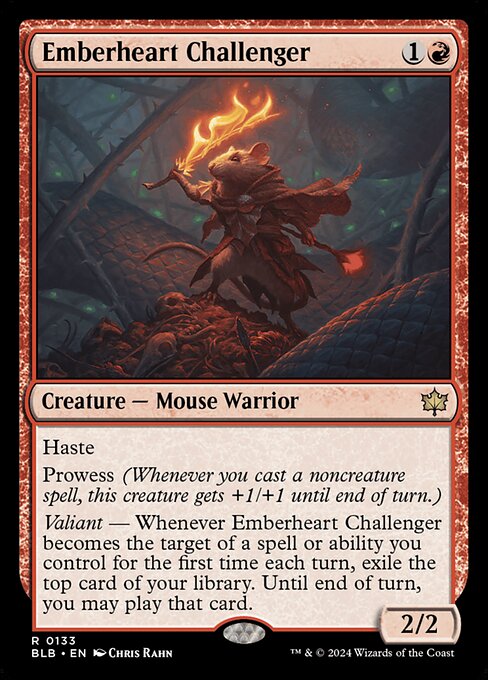
Next up is our premier two-drop, Emberheart Challenger. It gives us another aggressive body while helping us maintain momentum and keep the pressure on. It also works nicely with Rockface Village, giving us another way to find additional cards when we need to keep the gas flowing.
Our next creature is a new addition from Reality Fracture: Stingcaster Mage. This Snapcaster Mage retrain is a solid addition to Mono-Red, allowing us to get additional value out of spells in our graveyard.
For example, we can use Stingcaster Mage to recast a Shock, potentially getting a two-for-one while still putting a hasty body onto the battlefield to pressure our opponent. And if Stingcaster trades with another creature afterward, even better! We have already gotten value from its ability, and our opponent still has to deal with the creature itself.
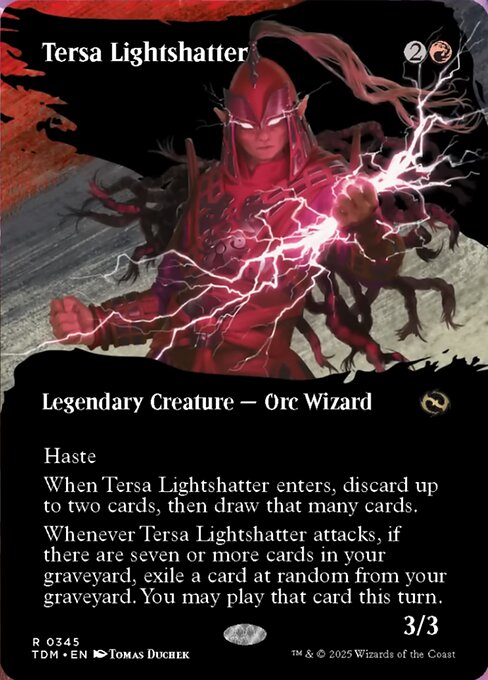
Tersa Lightshatter gives us another threat to work with as the game progresses. Not only is she a solid body, but she also helps smooth out our hand by turning extra lands or redundant creatures into new cards.
She provides some late-game reach, too, allowing us to recast cards from our graveyard if we meet the eight-card requirement. That gives us a solid way to generate additional value, which is especially important for a red deck that can otherwise run out of resources in longer games.
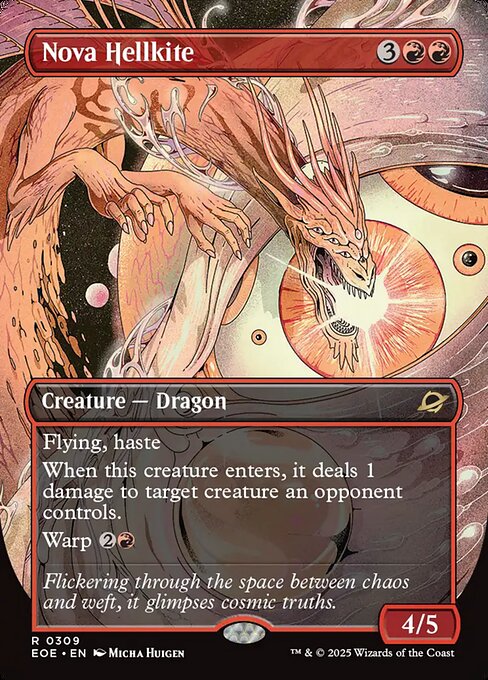
Tomik, Izzet Sparkmage is another interesting addition from Reality Fracture. Tomik gives us a solid prowess threat while also increasing the damage dealt by our burn spells. This creates some fantastic combinations with Nova Hellkite, potentially turning its damage into a one-sided Pyroclasm effect. It also makes Fanatical Firebrand hit harder, effectively turning it into a Shock when we need that extra reach.
Speaking of Nova Hellkite, he is our big finisher. Most Mono-Red Aggro decks want to end the game before expensive threats become relevant, but that doesn’t mean we should ignore the top end entirely. Nova Hellkite gives us another way to close out games when our opponent manages to survive our opening assault. It also has some excellent synergy with Tomik, giving us a way to turn an already powerful threat into an even bigger problem for our opponent.
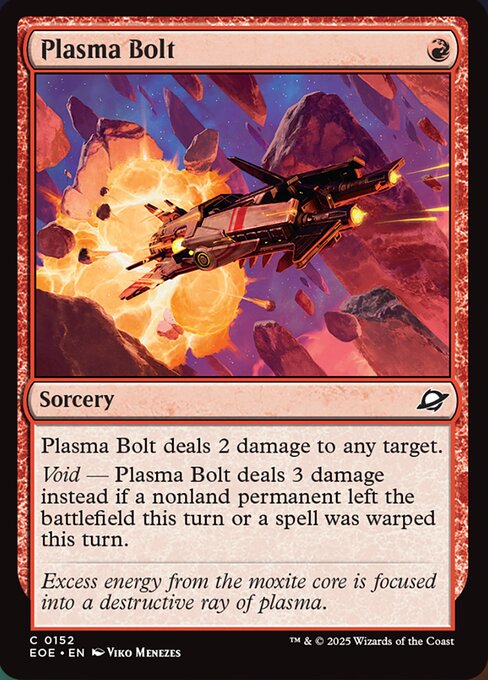
Plasma Bolt might look a little questionable at first, especially as a sorcery when Shock is available. However, Plasma Bolt has some useful advantages in this particular list. It works well with both Nova Hellkite and Stingcaster Mage, and the ability to recast it for additional damage can make a huge difference.
You would be amazed how many times I’ve been able to play Stingcaster Mage, give Plasma Bolt flashback, and put my opponent in a difficult position. They might choose to block and trade with Stingcaster, or they might remove the Wizard themselves, only for me to get additional value from the spell. Either way, we can put them in a position where answering our threat doesn’t necessarily solve the problem.
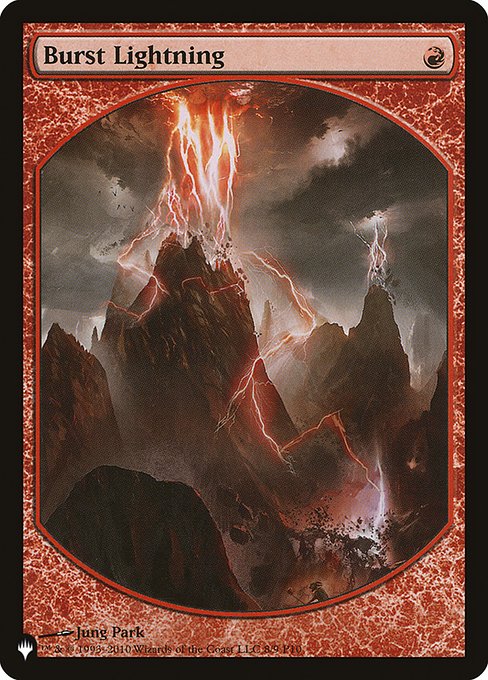
Burst Lightning is simply one of the best Shock-style effects we have access to. It is efficient enough to handle early threats, but it also scales into the late game, giving us a useful mana sink that can turn into four damage when we need it. Having that flexibility is a big deal in a deck that wants to stay relevant throughout the game.
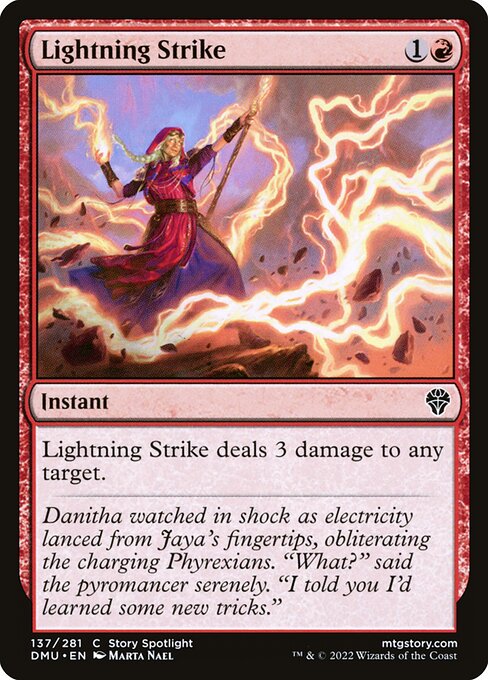
Lightning Strike isn’t anything particularly flashy. It deals three damage, and some players would rather max out on Shock effects or play more pump spells instead. However, there are plenty of creatures in Standard with three toughness, and if you’ve ever stared down a 3/3 blocker while desperately trying to get your last few points of damage through, you know exactly why Lightning Strike matters.
Sometimes, you just need a clean answer to a creature that would otherwise shut down your attacks. Lightning Strike gives us that option while still providing reach when we need to finish off our opponent.
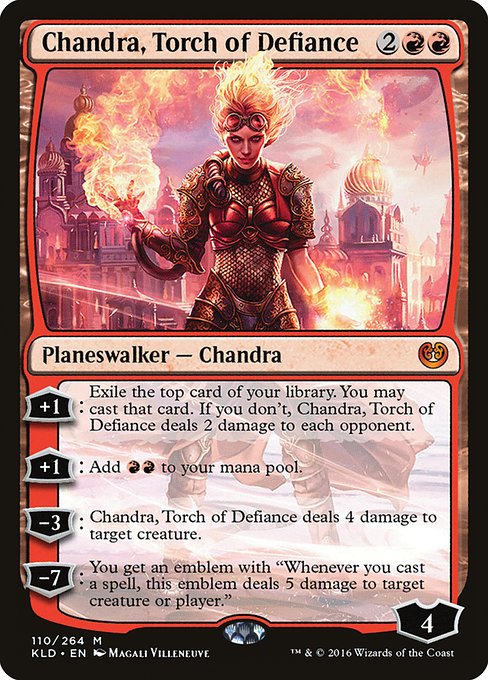
Finally, while she isn’t a new card, Reality Fracture brings back Chandra, Torch of Defiance, giving our deck another powerful tool for the midgame. Chandra provides additional reach, helps us generate card advantage, removal and gives us something meaningful to do when the game goes longer than we would like. She is exactly the kind of card that can help Mono-Red keep up when the opponent manages to stabilize.
The Sideboard
Mono-Red Aggro is at its best when we can identify what our opponent is trying to do and adjust accordingly. Our sideboard gives us a few additional tools to handle troublesome creatures, artifacts, graveyards, and slower decks.
Two copies of Abrade give us some flexible interaction. Being able to deal with either a creature or an artifact is valuable when our opponent presents a permanent we cannot afford to leave unanswered. It is a straightforward card, but that flexibility makes it an excellent sideboard option.
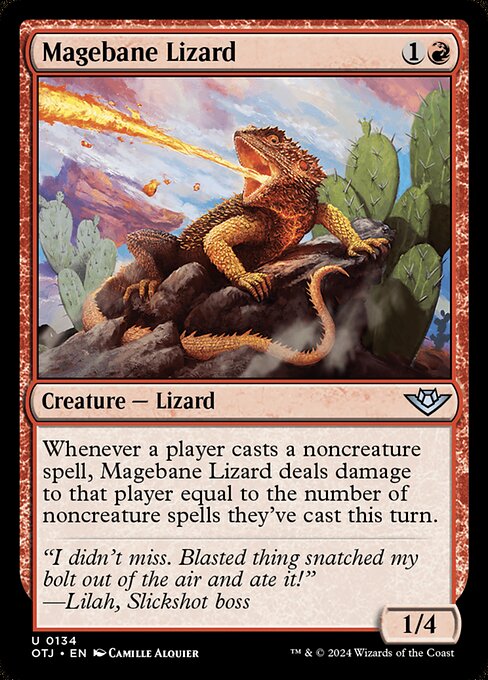
Magebane Lizard is a great way to fight the Izzet decks in the current meta. It can be difficult for them to remove profitably, and it punishes opponents who rely on casting multiple noncreature spells.
It is also useful in the Mono-Red mirror, where it can serve as a solid blocker while making our opponent think twice about how they use their removal spells. Sometimes, the best way to fight an aggressive deck is to give it a reason to slow down.
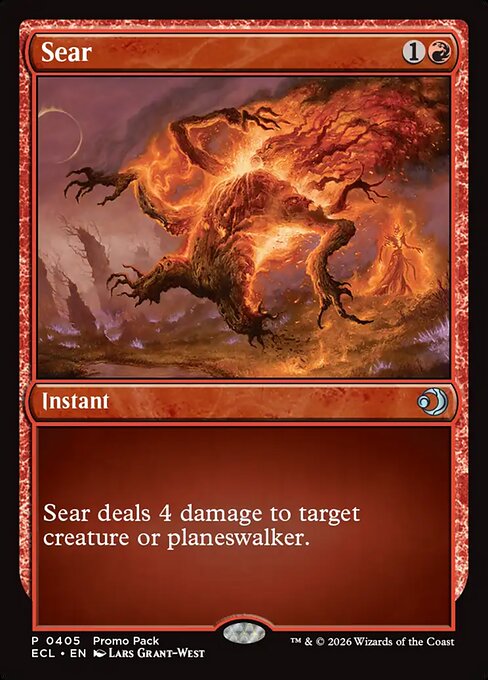
Sear gives us another efficient answer to slightly larger creatures. When our opponent starts presenting threats that are difficult to handle with our usual burn spells, having access to additional removal can make all the difference.
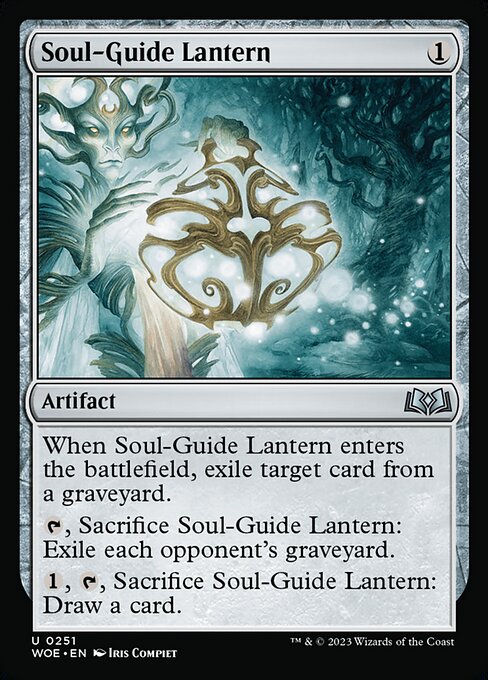
Soul-Guide Lantern remains one of the most efficient graveyard-hate options we can play. It gives us a way to disrupt strategies that rely on the graveyard, but it also has the flexibility to replace itself with another card when we need to keep the pressure on.
That second mode is especially valuable in Mono-Red, where games can come down to a single point of life. We cannot afford to bring in too many situational cards that do nothing when we draw them, so having an option that can cycle away when necessary is a big advantage.
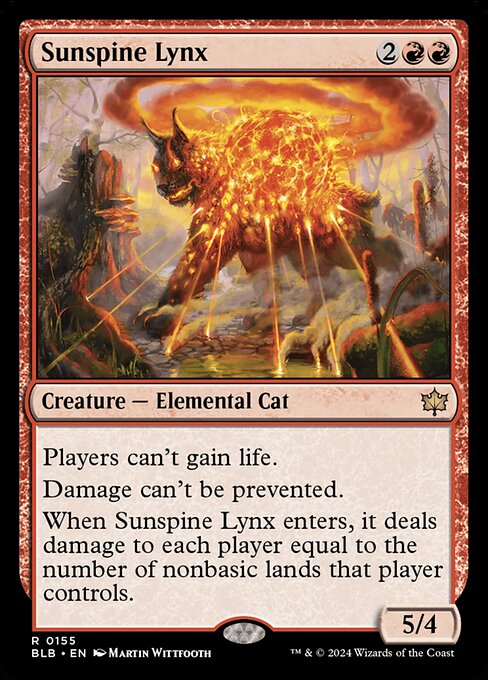
Sunspine Lynx is an incredibly powerful card that spent a long time in my main deck. It punishes greedy mana bases and can close out games in situations where our opponent thinks they have stabilized.
Even if its damage isn’t enough to finish the job on its own, a 5/4 creature ready to attack is still a serious threat.
That said, with the current meta being dominated by Elementals and Mono-Green strategies, I don’t think Sunspine Lynx belongs in the main deck right now. Those matchups make it harder to justify running it before we know what we are up against.
However, if your local meta is full of four-color control decks and other three-color strategies relying on greedy mana bases, then by all means, play four copies in the main deck. Knowing your local meta is important, and this is exactly the kind of card that can reward you for preparing for the decks you expect to face.
Final Thoughts
Mono-Red Aggro has always been one of my favorite archetypes, and Reality Fracture gives us some interesting tools to keep the deck competitive in Standard. Between the efficient early threats, flexible burn spells, and new additions like Stingcaster Mage and Tomik, Izzet Sparkmage, I think there is plenty here to work with.
What I particularly like about this list is that it doesn’t have to rely entirely on winning by turn four. We still want to start fast and put our opponent on the back foot, but cards like Tersa Lightshatter and Chandra, Torch of Defiance give us ways to keep playing when the game goes longer than expected.
As always, the key to playing Mono-Red is understanding when to commit to the board, when to point your burn at your opponent, and when you need to clear a blocker out of the way. Every point of damage matters, and the best players know how to make the most of every resource.
I have climbed to Mythic season after season with Mono-Red, and it remains one of the most satisfying ways to play Magic for me. I’m excited to see how this list performs in the Reality Fracture Standard meta, and I hope it gives you another reason to sleeve up some Mountains and start sending damage upstairs.
Until next time, my fellow Planeswalkers, Hero out!
My name is The MTG Hero. I have played Magic for over 15 years. I am a consistent high Mythic ranked player. Follow me on Twitch and subscribe on YouTube!