Hello, my fellow Planeswalkers! I am The MTG Hero, and in my last article, I made a pretty bold statement: I believe Izzet Elementals is the best deck in Standard right now.
After playing the deck extensively, I still stand by that statement. It does almost everything you could want a competitive deck to do. It has powerful threats, card advantage, interaction, and enough flexibility to fight through a wide variety of strategies.
But every great deck has a weakness.
And the only matchup I would actually call bad for Izzet Elementals is Dimir Excruciator.
Now, before anyone gets too excited, I am not saying this deck is suddenly the new best deck in Standard. I don’t think it is. What I am saying is that if you are expecting the metagame to be full of Izzet Elementals, this is one of the few decks I would seriously consider bringing to the table.
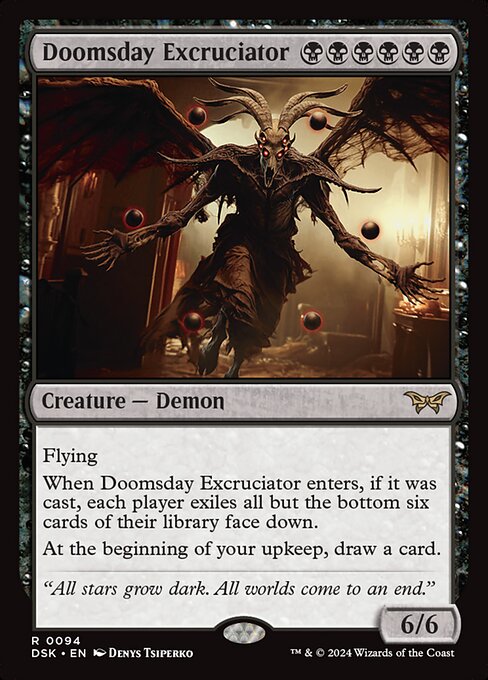
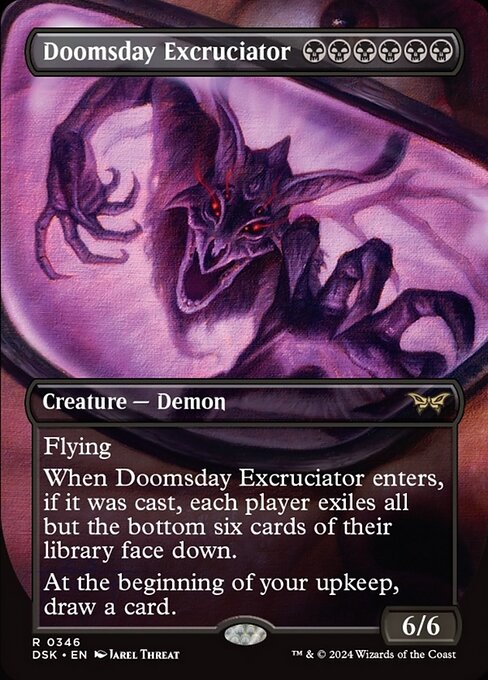
Why? Because this deck doesn’t care about winning in the same way traditional decks do. We don’t need to outvalue the opponent over ten turns or establish a massive board presence. We just need to resolve a single Doomsday Excruciator, and suddenly the entire game changes.
The deck has always had one of the nastiest game plans in Standard: make your opponent’s entire library disappear and finish them off with a simple mill effect. The game plan hasn’t really changed, but the tools around it have continued to improve.
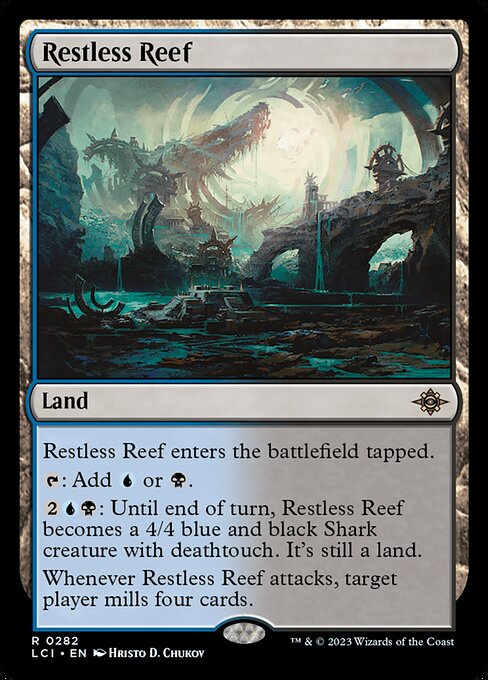
The primary plan is simple: resolve a Doomsday Excruciator, taking your opponent down to just six cards in their library, and then attack with a Restless Reef, forcing them to mill four cards and putting them dangerously close to decking out.
Sometimes, that is all it takes.
But this isn’t a deck where you simply sit around hoping to draw your combo pieces.
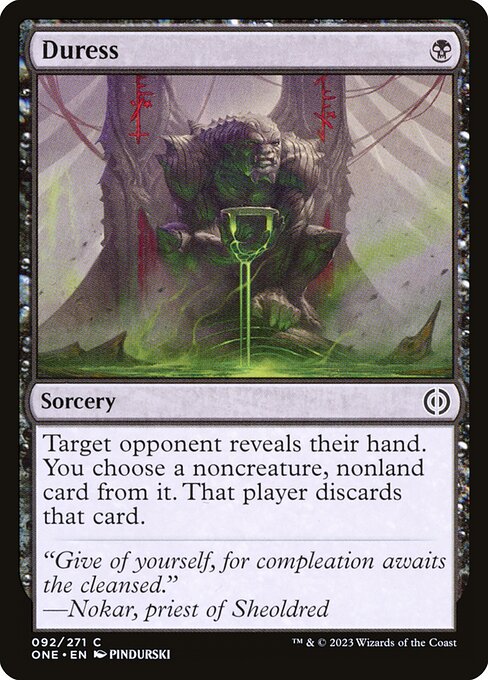
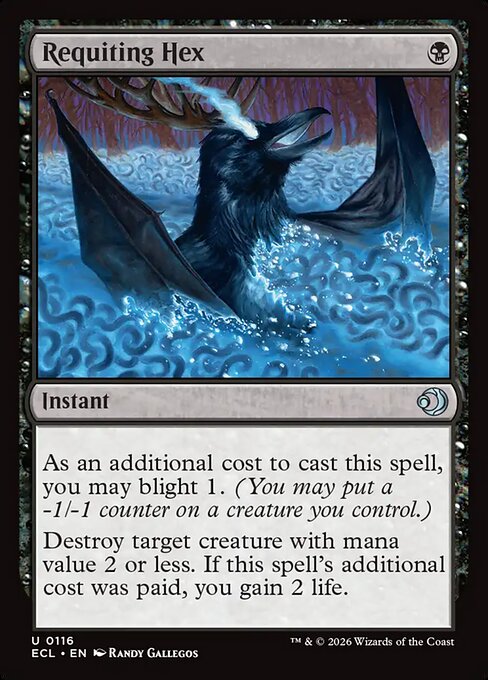
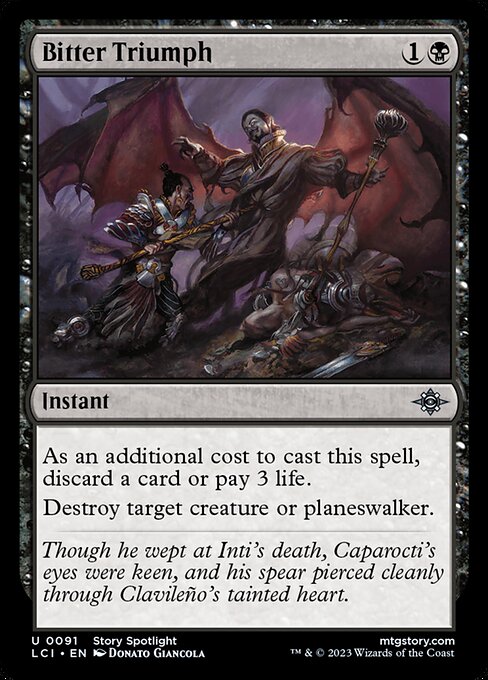
You are playing a full suite of disruption, removal, and card selection, which is exactly what makes the deck so effective. We are packed with ways to make sure our opponent doesn’t get to execute their game plan uncontested, and this is where I think the deck lines up so well against the current metagame.
Doomsday Excruciator is still the card that gives this deck its identity. When it hits the battlefield, your opponent’s library effectively becomes a giant liability. Suddenly, every draw step matters, every card that gets milled matters, and the opponent has to start thinking about their library as a resource that is quickly running out.
Even if you don’t immediately finish the game, Excruciator puts your opponent in a position where a single mill effect can end everything.
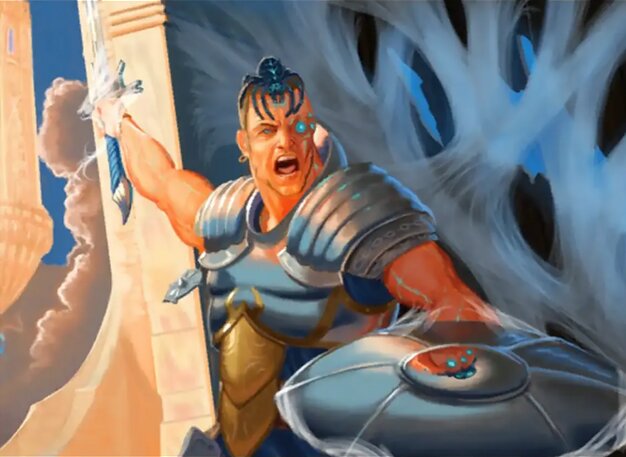
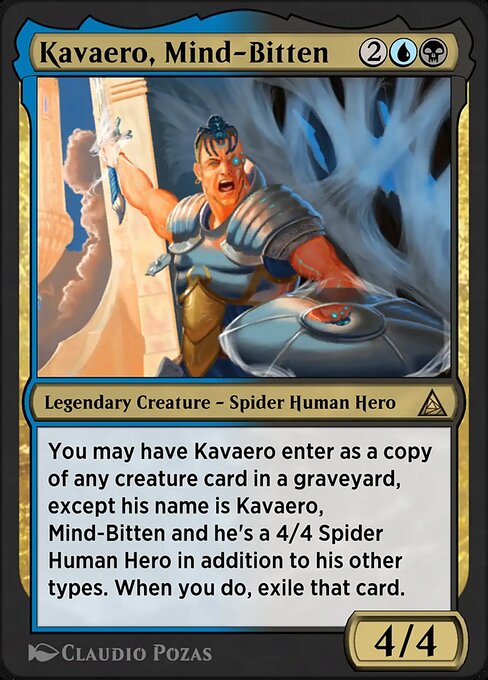
But the deck has another threat that I think deserves a lot more attention: Superior Spider-Man.
This gives us a way to essentially sneak an Excruciator into play on turn four by copying one that has already found its way into the graveyard. That alone is a powerful interaction, especially in a deck that is already built around getting maximum value from one copy of its signature threat.
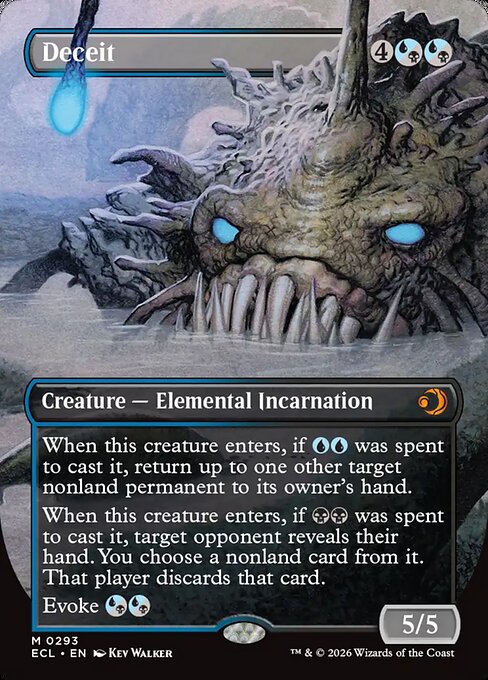
It can also be a great follow-up to an early Deceit, allowing us to strip another card from the opponent, bounce a threat since we can easily pay BBUU, and still end up with a 4/4 body ready to attack.
Superior Spider-Man can also become an Emeritus of Ideation, giving us a solid body and another way to make our opponent draw three cards after we have played our Excruciator.
The flexibility of Superior Spider-Man is one of the reasons I really like this version of the deck. You aren’t relying on a single line of play. Depending on the matchup and the board state, Spider-Man can be whatever you need him to be.
The Draw Engine
Our card advantage spells are simple but deadly effective.
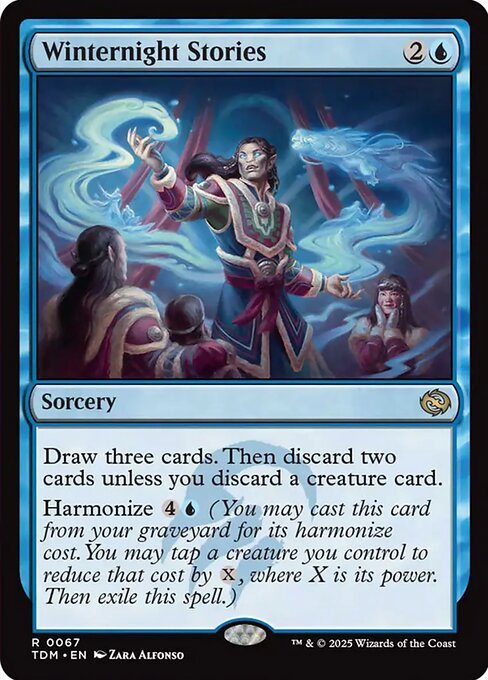
Winternight Stories is a great way to not only draw some cards and fix our hand, but set up perfectly on curve to slam a Superior Spider-Man to copy Doomsday on turn 4 to just end the game.
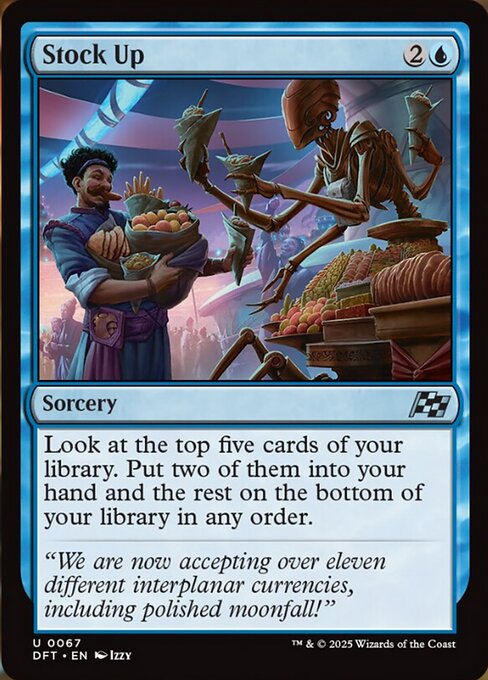
Stock Up continues to be one of, if not the best draw engines in standard. This allows us to not only get two cards for the price of one, but look five cards deep for whatever we need and remove the useless cards to the bottom of our deck improving our drawing odds.
The Lands
Our mana base is pretty simple by playing almost all of the duel lands we can. This is important because we can’t really afford to play any basic Islands due to Excruciator’s demanding mana cost.
The two lands I want to highlight are Restless Reef.
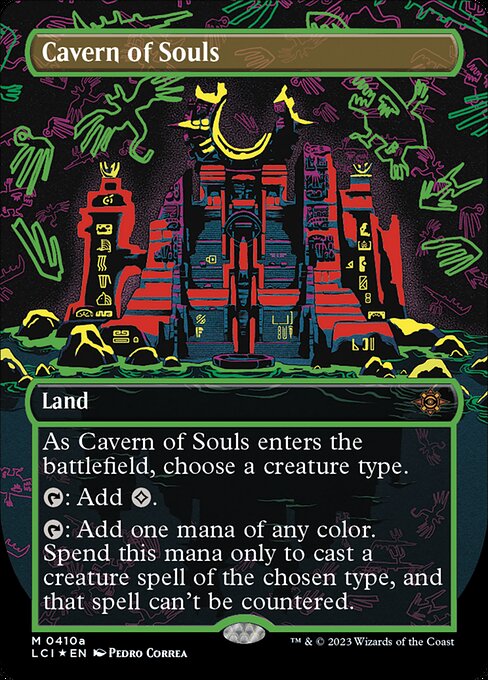
Cavern ensures that we can cast our demon or Spider-Man without the worry of counterspells. We don’t really care what happens to them after we cast them. Honestly, I prefer them to remove my Excruciator in most cases so I don’t have to worry about its extra draw trigger. We can’s play too many because if we don’t name “demon” it can make it hard to play Excruciator later in the game which can cost you.
Reef is the fastest way to end the game after an Excruciator comes down by forcing the opponent to mill four. Just play it early to beat the “enters tapped” draw back. If the opponent takes out our Reef with land distruction or if you think they have removal ready, we can still win with Emeritus of Ideation‘s prepared spell.
The Sideboard
This is where the deck really starts to transform.
We can basically tune this deck to take on almost anything, and in many ways, it plays similarly to a Golgari Midrange deck after sideboarding. The difference is that we have access to counterspells.
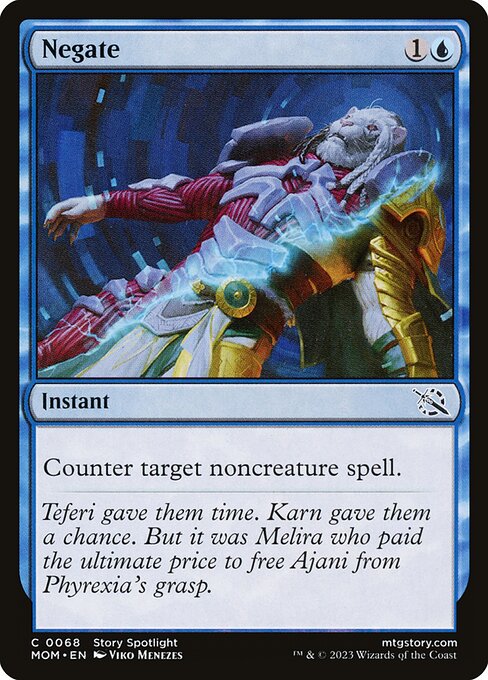
Negate is the classic “just say no” card. I love this against the four-color control decks, shutting down cards like Jeskai Revelation and Tablet of Discovery and forcing them to play a much more fair game.
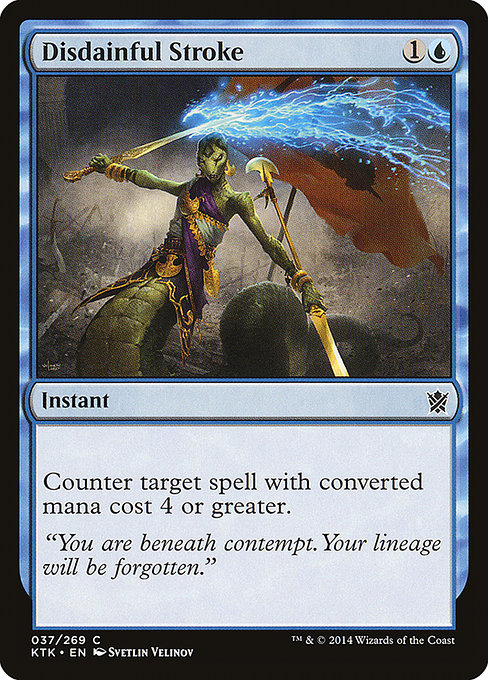
Disdainful Stroke is here for similar reasons as Negate, but it can also hit the big creatures and expensive spells that other decks are relying on. That is especially valuable considering Landfall is far from dead in the current metagame.
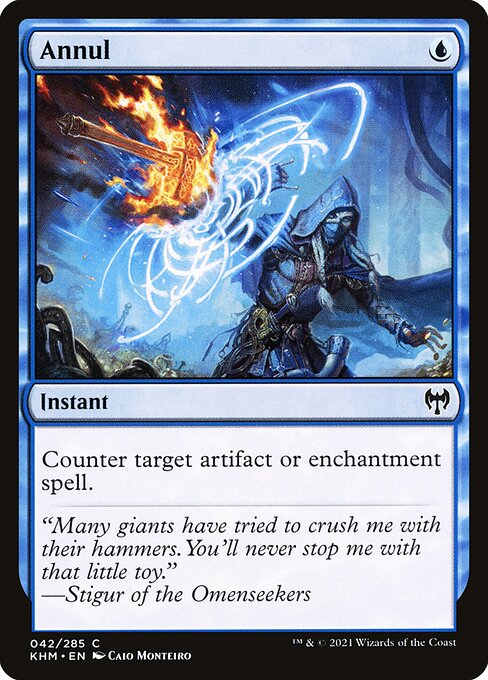
We don’t have a ton of artifact or enchantment hate available in these colors, so we have Annul. But that doesn’t mean the card is bad. Stopping an artifact or enchantment before it immediately impacts the board can be a huge swing.
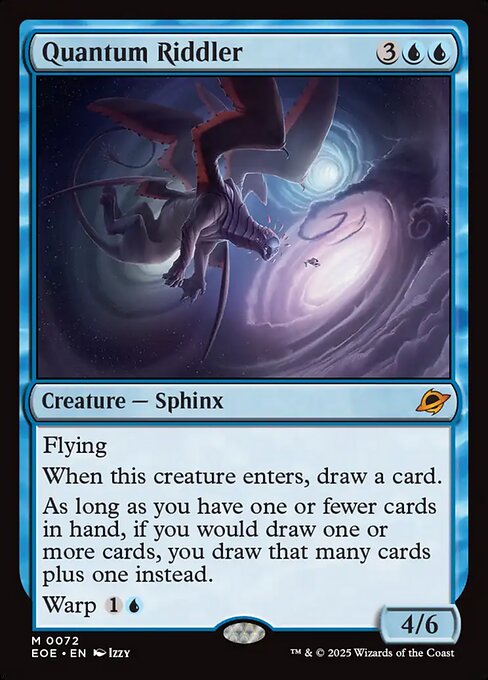
Quantum Riddler gives us another threat and a powerful card advantage engine. In matchups where the game is going long, having another way to generate value is exactly what this deck wants.
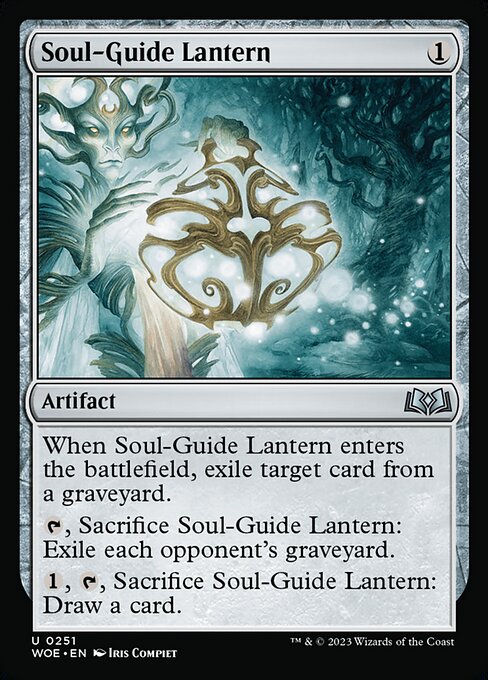
Soul-Guide Lantern is just a staple. It is great graveyard hate that can also draw us a card in a pinch, which is especially nice if we happen to draw multiple copies.
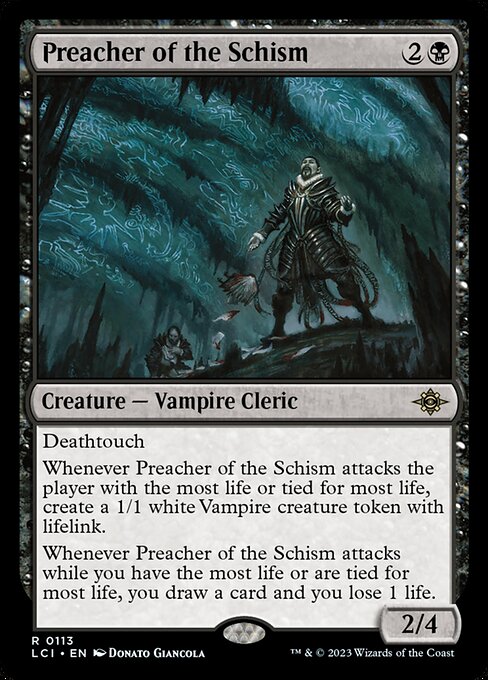
Preacher of the Schism is a great way to fight aggressive decks and can even come in against midrange strategies. Drawing cards and making bodies on a creature with a large toughness and deathtouch is just great value.
It is a great way to win the mirror match by shutting down a Restless Reef mill trigger or a Doomsday Excruciator enters-the-battlefield trigger. I have even used it to shut off my own Doomsday Excruciator’s extra draw effect to make sure I can win naturally in just a few turns.
That kind of flexibility is exactly why I love having access to blue in this archetype.
Is Dimir Doomsday the Cure for Standard?
I don’t think Dimir Doomsday is going to suddenly take over Standard. It has weaknesses, and the deck requires you to understand exactly what role you need to play in every matchup. Sometimes you are the control deck. Sometimes you are the combo deck. And sometimes you are just trying to survive long enough to land one giant creature and turn your opponent’s library into a ticking time bomb.
But that is also what makes this deck so interesting.
If Izzet Elementals really is the deck to beat, Standard needs decks that can punish it. A healthy format isn’t one where everyone plays the same deck or simply tries to build a slightly better version of it. A healthy format has predators. It has decks that force the best strategy to adapt.
And right now, I think Dimir Doomsday might be one of those predators.
Izzet Elementals can generate an incredible amount of value, but Dimir doesn’t necessarily care how many cards you draw if your library is suddenly down to six cards. All of that card advantage can become a liability when the game shifts from who has the most resources to who runs out of cards first.
That is why this matchup feels so different from the rest of the format.
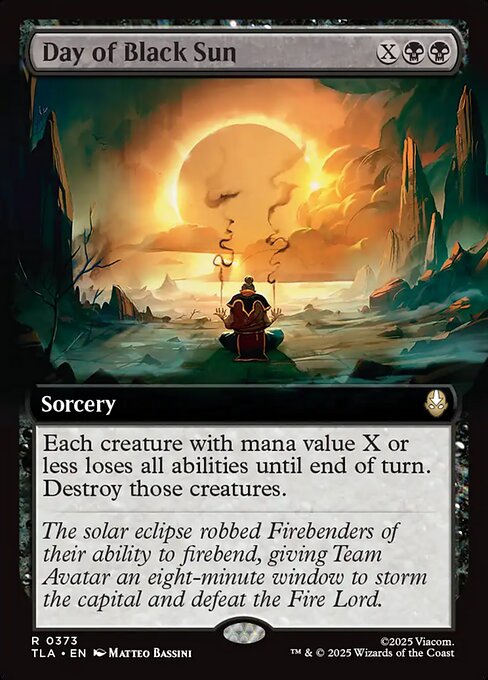
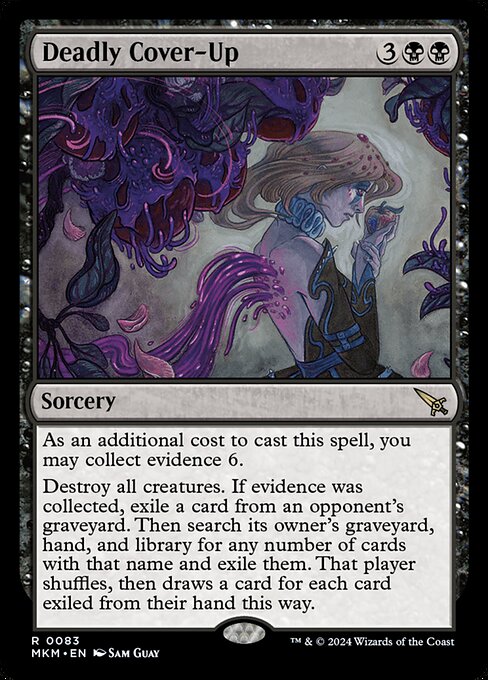
Dimir Doomsday attacks Standard from an angle that many decks simply aren’t prepared to defend against. You can kill our creatures. You can disrupt our hand. You can even sweep the board. But once Doomsday Excruciator resolves, you are playing a completely different game.
And sometimes, all it takes is one attack from a Restless Reef to finish the job.
So, if you’re tired of seeing Izzet across the table and you’re looking for something that can genuinely make one of Standard’s best decks uncomfortable, maybe it’s time to embrace the dark side.
Because while Dimir Doomsday might not be the best deck in Standard, it might just be the deck that Standard needs right now.
Until next time, my fellow Planeswalkers, may your spells resolve, your removal always find its target, and may your opponent never realize how few cards they have left in their library until it is far too late.
Final Thoughts
I still believe Izzet Elementals is the best deck in Standard.
But being the best deck doesn’t mean you don’t have bad matchups.
Dimir Excruciator is the one archetype that consistently makes me uncomfortable when I sit down across from it. The deck is disruptive, flexible, and capable of ending the game in a way that many decks simply aren’t prepared to interact with.
And honestly, that is exactly what makes it such a good choice right now.
If the metagame continues to fill up with Izzet Elementals players who are confident that they can outvalue and outmaneuver everything in front of them, Dimir Excruciator might be the deck that reminds them that sometimes value doesn’t matter.
Sometimes you can draw all the cards in the world.
Sometimes you can have the better battlefield.
Sometimes you can even feel like you are completely in control of the game.
My name is The MTG Hero. I have played Magic for over 15 years. I am a consistent high Mythic ranked player. Follow me on Twitch and subscribe on YouTube!