Hello, my fellow Planeswalkers! I am The MTG Hero and there are few things in Magic quite as satisfying as making an unreasonable amount of mana and using it to bury your opponent under a mountain of threats and that’s exactly what long time Pioneer staple Mono-Green Devotion does.
It’s hard not to enjoy a deck that can go just go nuts and take over a battlefield and win a game out of nowhere with a storm of powerful threats. That is probably why this deck has consistantly seen play and been a fan favorite since the format’s conception.
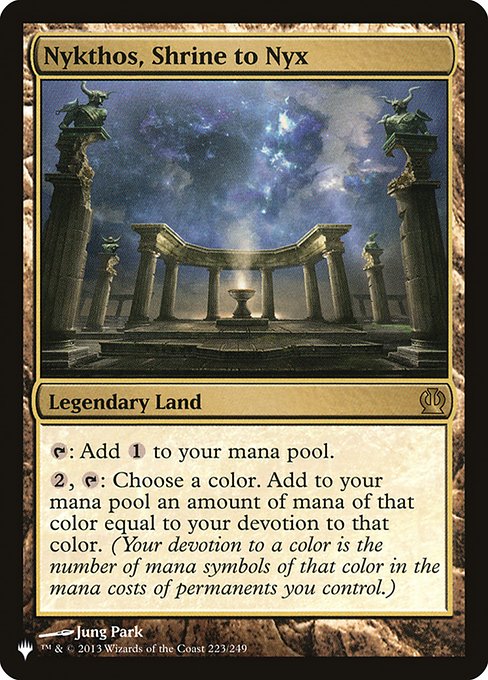
We’ve seen the deck go through different versions, different builds, and plenty of changes to the format around it. However, the basic idea has always been the same: build up your devotion to green, get Nykthos online, and start doing things your opponent probably wasn’t prepared to deal with.
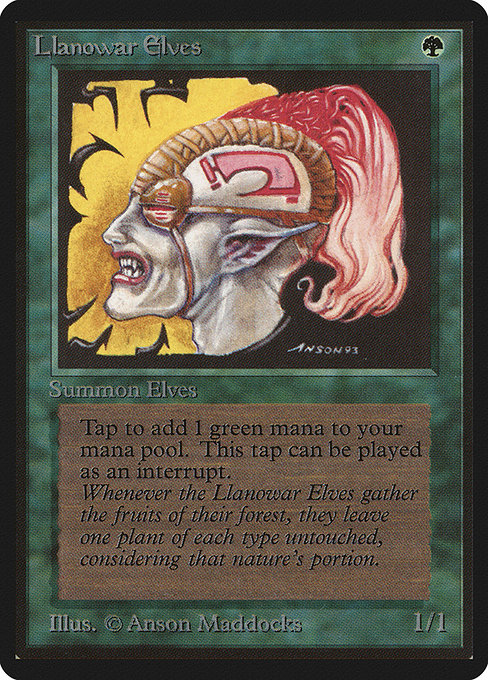
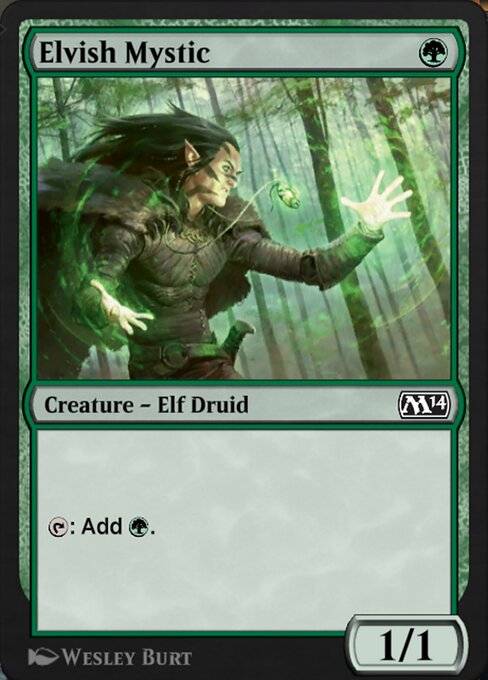
We’re starting with the full eight copies of Llanowar Elves and Elvish Mystic. There’s nothing particularly fancy about these cards, but they do exactly what we want them to do. Getting one onto the battlefield on turn one opens up some pretty ridiculous possibilities for the following turns.
Old-Growth Troll is especially important here. Three green mana symbols on a single creature go a long way toward powering up Nykthos, Shrine to Nyx. Even if your opponent manages to remove it, the Troll comes back attached to a land providing even more mana and still counting for devotion.
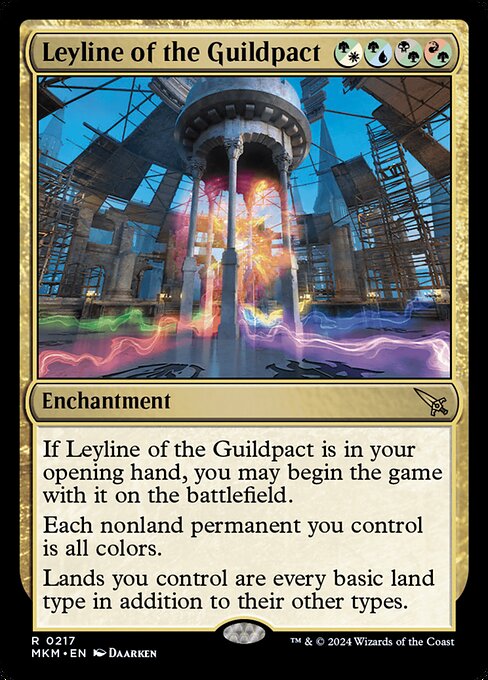
Then there’s Leyline of the Guildpact. This is basically what makes this deck feel unfair if you get to start with it in your opening hand since it gives us four devotion alone on turn 1.
The Engine
One problem with explosive decks is that they can sometimes run out of things to do. You spend your resources developing the battlefield, your opponent finds an answer, and suddenly you’re sitting there hoping to top deck something useful.
Thankfully, this list has several ways to avoid that problem.
Kiora, Behemoth Beckoner is one of the key cards to really make this deck go. She does a little bit of everything we want. Her ability to untap a permanent with a mana ability gives us another way to get another activation of Nykthos. But she also has a powerful card-drawing ability that rewards us for playing the larger creatures that already make up the deck.
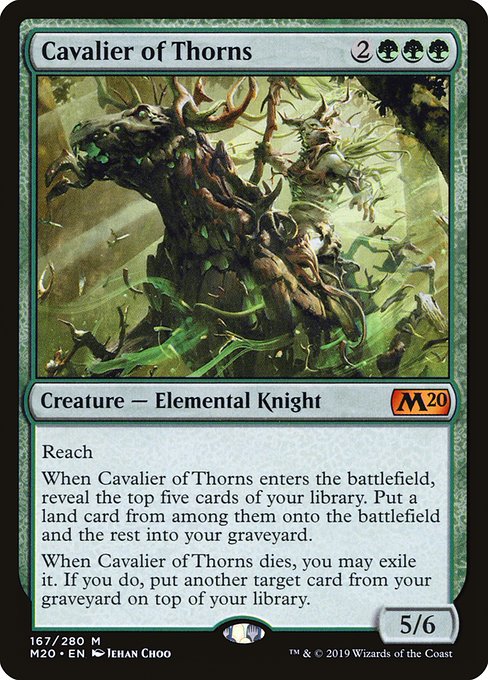
Drawing a card whenever a creature with power four or greater enters the battlefield is no small thing when you’re playing four copies of something like Cavalier of Thorns. It gives us another reason to keep developing our board and makes it harder for opponents to trade removal spells one-for-one.
Outcaster Trailblazer also helps keep things moving. It’s another creature that fits into our overall strategy while providing additional value as we develop our battlefield. Having creatures that do more than simply attack or block is important, especially when we’re trying to maintain pressure over several turns.
This is basically Collected Company on steroids. Getting to look at the top five cards of your library and put two permanents with mana value five or less directly onto the battlefield is a pretty incredible way to turn a strong board position into an even stronger one.
Notice it says “permanents.” This means we can not only play our creatures, but our planeswalkers, lands, enchantments and artifacts. Basically whatever we need Storm finds.
Even better, you get to do it again with flashback.
There are going to be games where Storm the Festival finds exactly what you need, and there are going to be games where it completely changes the direction of the match. Either way, it’s one of the best ways this deck can turn its mana advantage into actual wins.
The Bombs
Of course, making all that mana wouldn’t mean much if we didn’t have something worthwhile to spend it on.
Cavalier of Thorns is a big part of what makes this deck tick. A five-mana creature with reach is already a respectable threat, but the real appeal is that it can find our Nykthos, Shrine to Nyx or another copy to keep our string of spells going.
It’s also a particularly annoying creature for opponents to deal with because we can use it on death to stack the top of our deck with a card from our grave ensuring we always have what we need.
Ulvenwald Oddity is how we close out games. Once we build our board to a point where we have lethal, we simply play the Eldrazi Elk and flip it with some of our extra mana and all of a sudden our entire board gets buffed and gains trample and haste.
We also have Polukranos Reborn, giving us another sizeable body with the potential to become an even bigger problem through its transformation.
It is probably the weakest creature in our deck, but I always like to have at least one copy to have access to a lifelinker once it flips against red aggro decks.
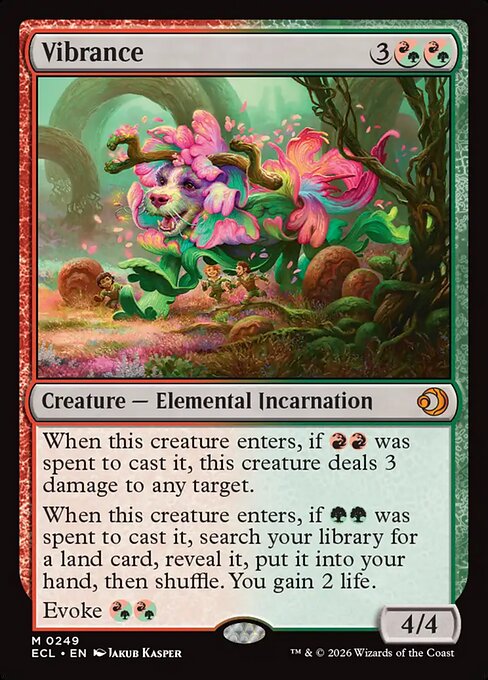
Vibrance looks a bit odd on the surface. But it is an amazing card to ensure the consistency of our deck. For evoking with double green, it guarantees we can find our Nykthos, Shrine to Nyx or a Boseiju, Who Endures to deal with a troublesome artifact, enchantment or land.
When we have our Leyline in play, it can also becomes a useful removal spell.
It is also worth noting that if we have any of our card draw engines in play, we can basically do the etb evoke effect and draw a new card for just two mana.
Finally, we’re running two copies of aa new planeswalker in Garruk, Curse Breaker. Garruk acts as additional copies of Kiora because he can untap our Nykthos, Shrine to Nyx to keep our combo going while drawing us cards just like she does. But alternatively, he can make his own bodies triggering his effect and his ultimate can be game winning.
The Sideboard
The sideboard gives us a handful of answers for matchups where simply making bigger creatures isn’t going to be enough. We have some creature interaction, graveyard hate, artifact and enchantment removal, and a few options for dealing with specific strategies.
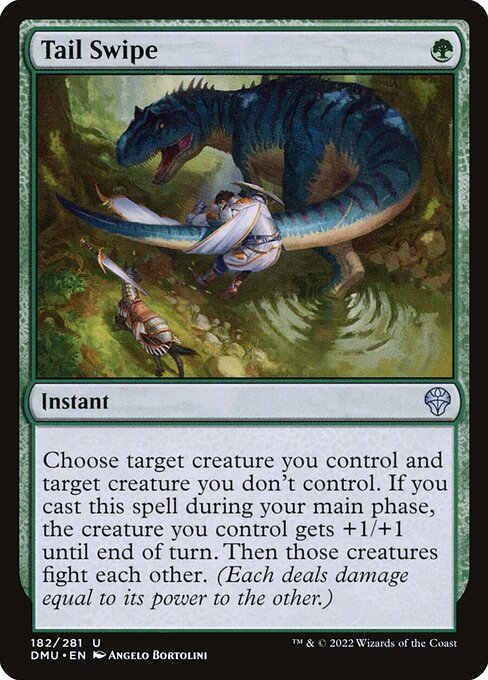
Tail Swipe gives us a cheap way to deal with opposing creatures. Mono-Green doesn’t exactly have access to the removal options that some other colors enjoy, so having an inexpensive way to fight through problematic creatures is important.
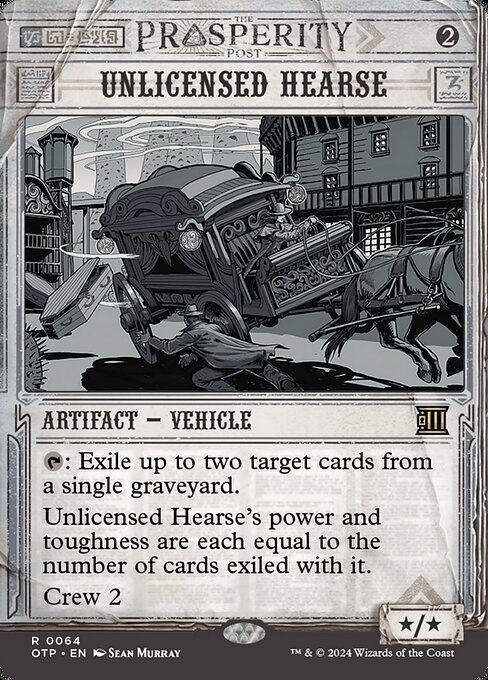
Graveyard strategies can quickly become a headache if we’re not prepared. Unlicensed Hearse gives us repeatable graveyard interaction while also having the ability to become a legitimate threat later in the game.
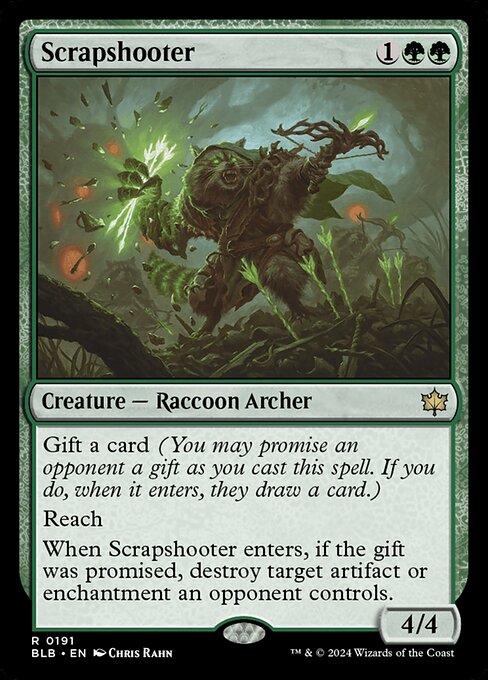
Scrapshooter gives us additional interaction against artifact-based strategies and other problematic permanents. Having answers to things that can interfere with our game plan is always welcome.
Combo decks that are heavily dependent on a particular card to function can just fold to a single activation. Stone Brain gives us a way to attack those strategies directly by removing important pieces from the opponent’s library. Knowing what to name is going to matter quite a bit here, so make sure you understand what makes your opponent’s deck tick before activating it.
Aggressive decks can sometimes put us under pressure before we have a chance to get our mana engine going. Petitioner gives us a way to regain some life and buy ourselves additional time. Sometimes that’s all we need to turn the corner and take control of the game.
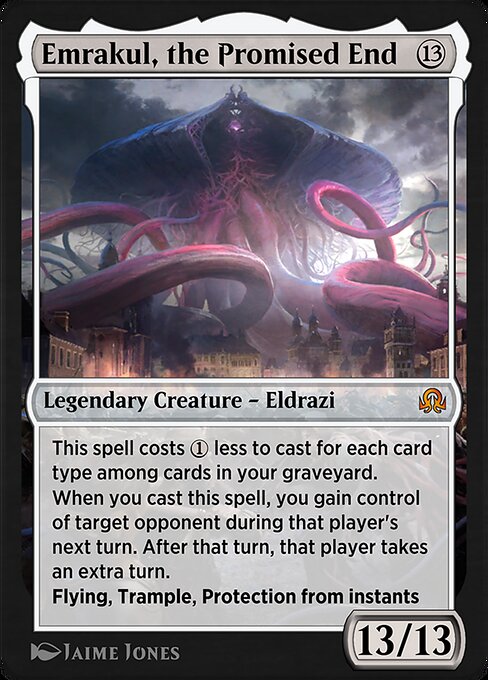
And because apparently making a ridiculous amount of mana and playing enormous creatures isn’t enough, we have Emrakul, the Promised End.
Emrakul gives us a powerful option for longer games, particularly against slower decks that give us time to build up our resources. Taking control of an opponent’s next turn can be absolutely devastating, and it’s a pretty fitting way to finish things off when the game goes long.
Wrap-Up
I’ve always had a soft spot for Mono-Green Devotion. Maybe it’s the nostalgia of seeing Nykthos generate an absurd amount of mana, or maybe it’s just the satisfaction of playing a deck that can go from seemingly harmless to completely overwhelming in a matter of turns.
Regardless, this list has plenty of things going for it.
I like the combination of the traditional devotion package with additional ways to generate cards and maintain pressure. Kiora and Storm gives the deck the ability to just go nuts, while Cavalier of Thorns and Old-Growth Troll help tie the entire strategy together.
Of course, Mono-Green isn’t going to have an answer for everything. There will be games where our mana dorks get removed, Nykthos doesn’t show up, or our opponent manages to disrupt our board before we get going. That’s part of playing the deck.
But when everything comes together, there aren’t many things more satisfying than watching your opponent try to figure out how they’re supposed to deal with everything you’re putting onto the battlefield.
If you’re looking for something powerful, straightforward, and capable of some seriously explosive turns in Pioneer, I’d definitely give this version of Mono-Green Devotion a look.
My name is The MTG Hero. I have played Magic for over 15 years. I am a consistent high Mythic ranked player. Follow me on Twitch and subscribe on YouTube!