Hello, Planeswalkers! I’m The MTG Hero, and today we’re stepping into the shadows of Standard to break down one of the most skill-testing and rewarding decks in the format, Dimir Midrange!
Right now, Standard has settled into a predictable rhythm. Aggressive decks like Mono-Red Aggro and Izzet Cauldron aim to punish anyone who stumbles, while control strategies such as UW Control and Jeskai Control focus on locking up the late game. Sitting perfectly between those two extremes is Dimir Midrange, the deck that preys on both. It’s flexible, grindy, and rewards precise, thoughtful play. Exactly my kind of deck.
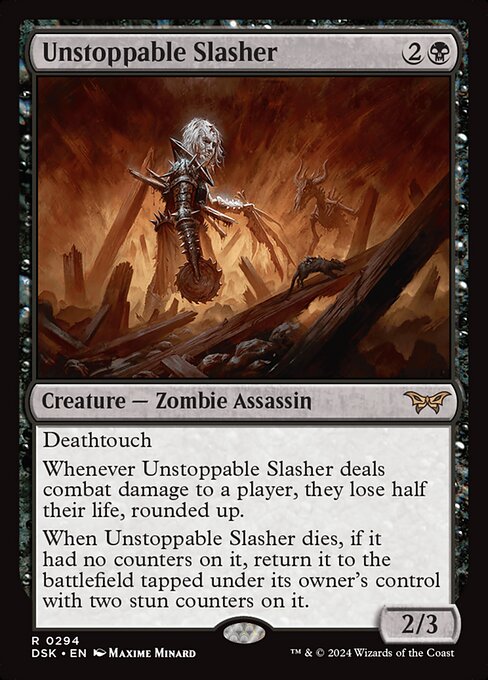
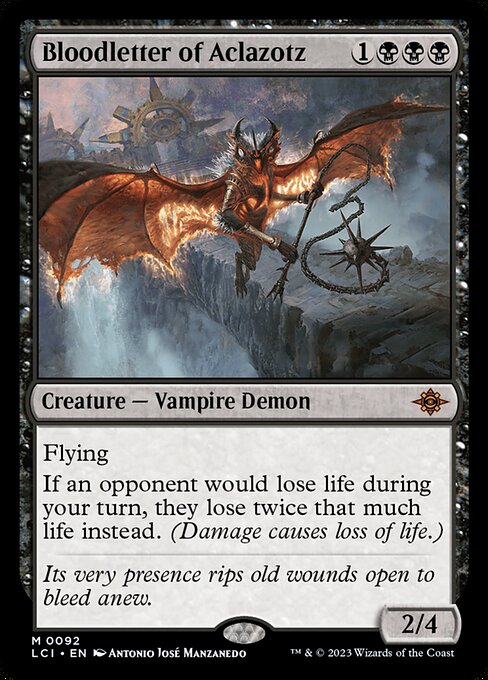
Midrange decks have earned a shaky reputation in Standard lately. Lists like (card name=”Mono Black Midrange”) or (card name=”BW Midrange”) often try to cheese wins through the Unstoppable Slasher / Bloodletter of Aclazotz combo. But in practice, that plan feels outdated and inconsistent. It folds to any reasonable interaction, and results have shown that. Dimir, on the other hand, doesn’t rely on fragile combos. We can simply tap down Unstoppable Slasher and make sure it never even gets the chance to attack. That’s control and precision at its finest.
Dimir Midrange is the deck for players who want to earn every victory. Every choice like when to hold mana, when to deploy a threat, when to transition from defense to offense truly matters. The deck’s strength lies in its flexibility. You can answer whatever your opponent throws at you, deploy sticky threats that generate incremental value, and bury them under layers of card advantage until they suffocate under your control.
The Balance of Power
What makes Dimir so satisfying is its ability to pivot. You can play the control role when facing aggression or turn the corner into a proactive, tempo-oriented plan against slower decks. It’s a deck that rewards patience, awareness, and foresight. When you win with Dimir, it isn’t luck, it’s because you outmaneuvered your opponent at every step.
If you enjoy decks that make you feel like the smartest player in the room, Dimir Midrange is where you want to be. You’re not just reacting, you’re orchestrating.
Against Aggro: Survive the early turns. Prioritize removal and blockers in your opening hand. Mulligan aggressively for interaction. Once you stabilize, your card advantage engines will take over and bury them.
Against Control: Flip the script. You’re the beatdown here. Pressure early, force them to tap out, and protect your threats with counterspells. Don’t let them dictate the game’s pace.
Against Midrange Mirrors: This is where Dimir truly shines. These games are about timing and role management. Knowing when to become the aggressor or when to hold back and grind for value will decide the match. Leverage your disruption and incremental advantage to pull ahead.
Sideboarding and Adaptation
Dimir’s sideboard is another reason it stands out. It has access to a potent mix of discard, efficient removal, and countermagic, letting it adapt seamlessly to almost any matchup. The key is moderation: don’t over-sideboard. Just trim your dead cards and bring in efficient, targeted answers. The most common way Dimir loses is by drawing the wrong half of its deck. For example, drawing too many control cards against control or flooding on aggression against Mono-Red. Sideboard smart, keep your curve intact, and trust your deck’s natural balance.
Dimir Midrange doesn’t just play the game, it masters it. Every win feels earned, every loss teaches you something, and every match gives you a chance to flex your skill. If you’re looking for a deck that rewards intelligence, patience, and precision, Dimir is the perfect weapon for navigating the shadows of Standard.
The Gameplan
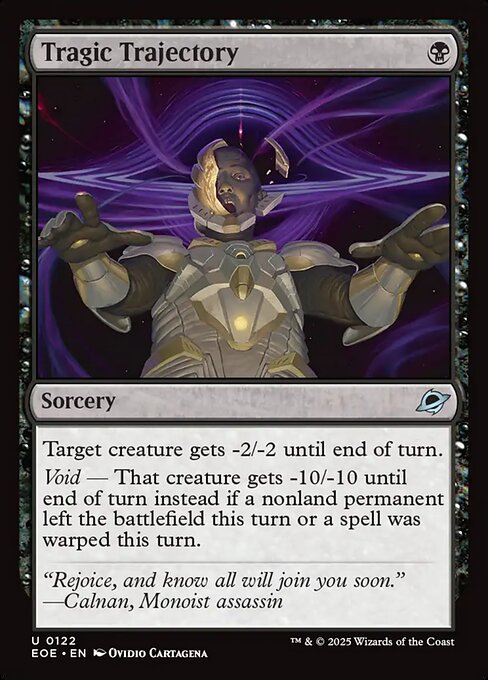
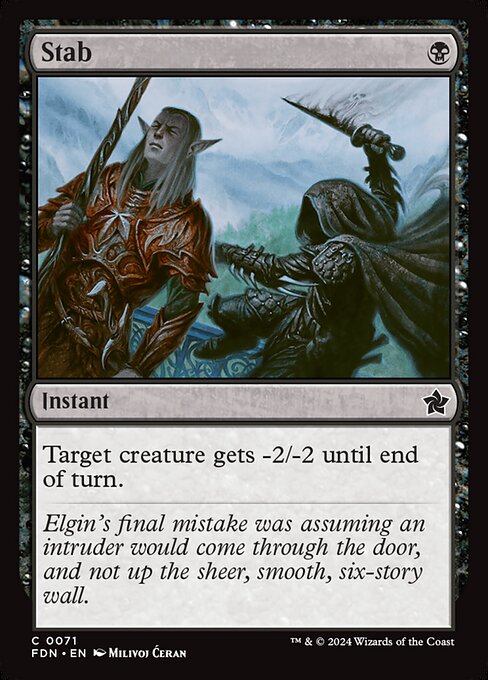
The early turns with Dimir Midrange are all about survival and setting up your foundation. Cheap removal and disruption such as Tragic Trajectory, Stab, and Shoot the Sheriff help keep early aggression in check and buy you the time you need to take control.
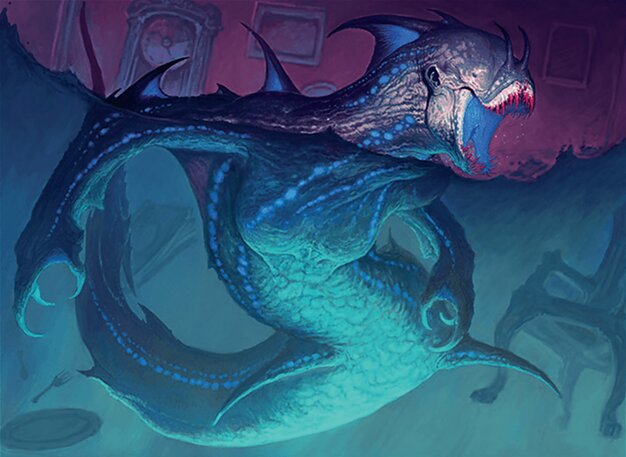
From there, you can begin to apply pressure with cards like Azure Beastbinder and Floodpits Drowner. These creatures offer a significant tempo swing and often tapping down enemy threats or neutralizing attackers. In many matchups, tapping a creature is just as good as removing it entirely, and Azure Beastbinder can even wall off most early threats, turning their big plays into harmless 2/2s.
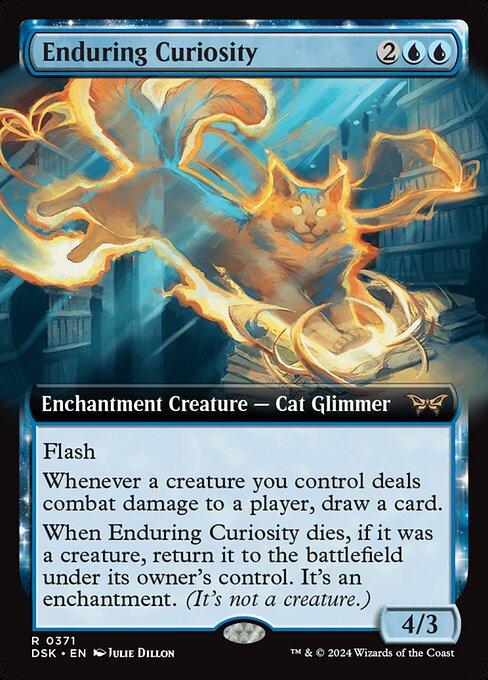
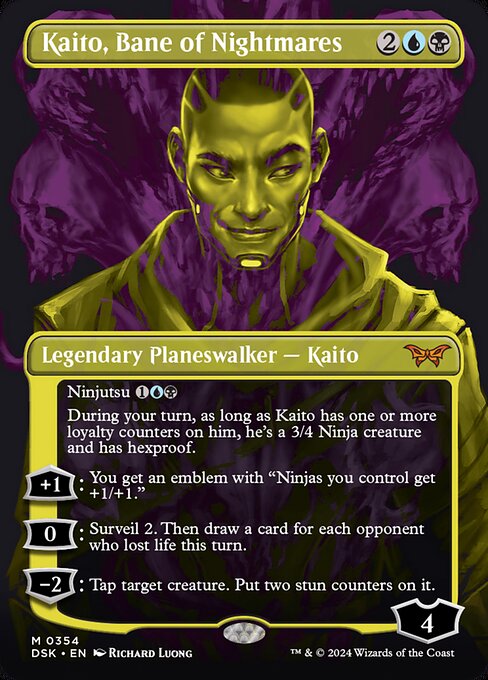
Once the board stabilizes, your midgame engines come online. Cards like Enduring Curiosity, Preacher of the Schism, and Kaito, Bane of Nightmares generate relentless value while maintaining pressure. They force opponents into awkward exchanges and overextend their removal, often running out of answers before you run out of threats. Because so much of your deck operates at instant speed, opponents are constantly forced to guess whether they should play around removal, a counterspell, or a flash threat and most of the time, they’ll guess wrong.
Where Dimir truly separates itself from the pack, however, is in post-board play. Games two and three are where the deck’s adaptability shines brightest. No matter what your opponent brings to the table, Dimir has the right tools to respond, the trademark of a true midrange deck.
Control or combo decks disrupting your plan?Duress and Spell Pierce make sure your threats land and stay there.
This flexibility is what makes Dimir Midrange such a powerful choice. No matter the opponent, you always have the tools to shift gears, control the pace, and force the game on your own terms.
The Deck
Okay so now that we know why the deck is great and the core plan, let’s look at my recommended 75:
One of the first things that seems to trip players up with this deck is the removal split. Tragic Trajectory is usually the stronger removal spell overall, it’s efficient, reliable, and hits nearly everything you care about. However, there are plenty of matchups where instant-speed interaction is essential, and that’s where Stab comes in. It might be weaker in a vacuum, but having the ability to respond on your opponent’s turn gives the deck flexibility it otherwise wouldn’t have. Right now, it’s simply the best option we have for that role.
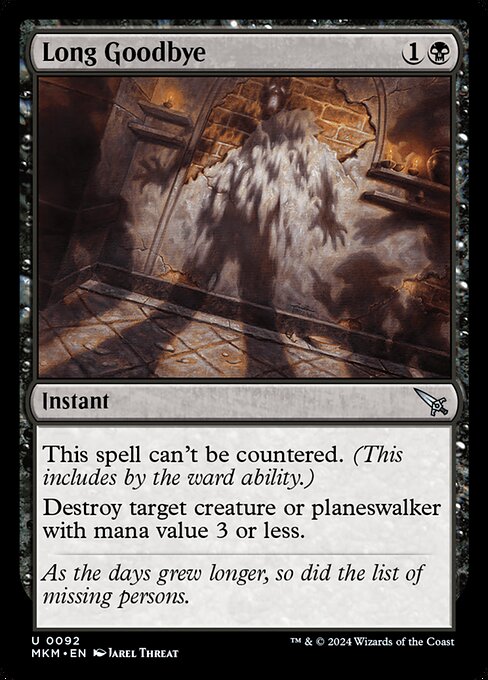
I’ve also noticed some lists running a single copy of Long Goodbye, and honestly, I don’t really see the appeal. It’s generally a downgrade compared to the stronger, unconditional removal spells we’re already playing like Shoot the Sheriff and Bitter Triumph. Yes, it can bypass ward effects, but if I wanted that kind of answer, I’d rather go with Nowhere to Run, which can also punch through hexproof. That extra layer of utility makes a big difference.
Lastly, I made a small but meaningful tweak to the main deck, I trimmed one copy of Enduring Curiosity to make room for a third Tidebinder. Most lists keep Tidebinder in the sideboard, but I find myself boarding it in often enough that I just want access to it more consistently. It’s a strong tempo tool that lines up well in many matchups. Plus, the deck already leans heavy on three- and four-mana spells, so cutting a clunky four-drop and freeing up a sideboard slot feels like the perfect middle ground between power and efficiency.
Double up your Kaito, Bane of Nightmares! There’s a neat interaction here: you can activate one Kaito’s ability, then attack and deploy another Kaito using ninjutsu to replace the old one. This lets you use a different ability from the new Kaito in the same turn, effectively doubling your value, tapping down extra threats, and keeping a fresh planeswalker on the board.
Watch out for Enduring Curiosity ’s draw trigger. It’s mandatory, which means you can’t choose not to draw. In long, grindy matches, be mindful of your library size so you don’t accidentally deck yourself while trying to maintain card advantage.
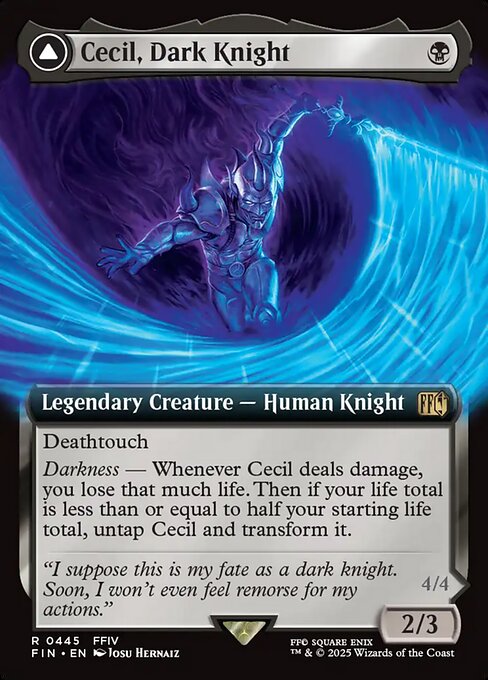
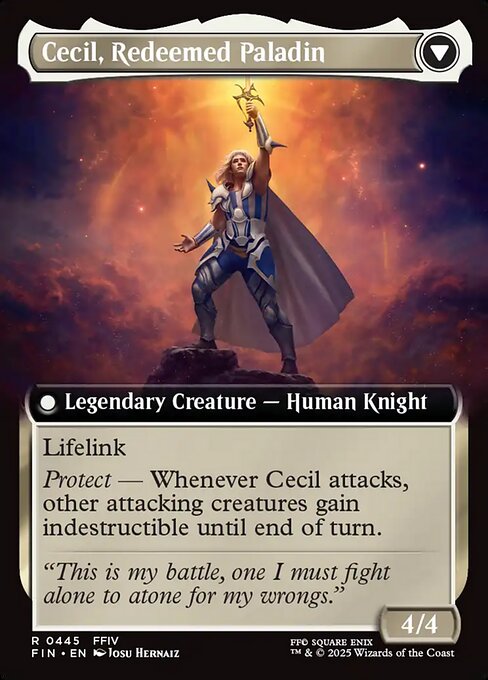
Manage your life total carefully with Cecil! You can manipulate your life total to help flip Cecil, Dark Knight faster by taking a bit of damage from shock lands, using Multiversal Passage, or losing life through Bitter Triumph. Just make sure you’re doing it strategically. Every point matters when you’re balancing tempo and survival.
Wrap-Up
Dimir Midrange is my pick for one of the best-positioned decks in Standard right now and if the fabled Vivi ban happens, don’t be surprised when it rises straight to the top of the metagame. The deck has everything you could ask for: resilience, flexibility, and an incredibly rewarding playstyle that keeps you engaged every game. Whether you’re grinding the ranked ladder or prepping for your next big event, Dimir Midrange gives you all the tools you need to win, you just have to wield them with precision.
If you’ve enjoyed this breakdown and want to support my work, check out the links below! I always love hearing from fellow players and seeing what creative brews everyone’s experimenting with. Your support means the world and helps me keep doing what I love, writing, testing, and helping others succeed in Magic. Until next time, Planeswalkers, Hero out!
Links
YouTube: youtube,com/themtghero
Twitch: Twitch.tv/themtghero
Patreon: Patreon.com/themtghero
Twitter: x.com/themtghero
Premium
Enjoy our content? Wish to support our work? Join our Premium community, get access to exclusive content, remove all advertisements, and more!
No ads: Browse the entire website ad-free, both display and video.
Exclusive Content: Instant access to all exclusive articles only for Premium members, at your fingertips.
Support: All your contributions get directly reinvested into the website to increase your viewing experience!
Discord: Join our Discord server, claim your Premium role and gain access to exclusive channels where you can learn in real time!
Special offer: For a limited time, use coupon code L95WR9JOWV to get 50% off the Annual plan!
My name is The MTG Hero. I have played Magic for over 15 years. I am a consistent high Mythic ranked player. Follow me on Twitch and subscribe on YouTube!