Rakdos Artifacts is a synergistic midrange deck from the previous Standard format. Will The Brothers' War power it up with an exciting build-around enchantment and strong one-drops?
The release of The Brothers’ War on MTG Arena is in full swing, and we’ve had a few days to try out the new cards and see where they might fit into different formats. While Standard stands to gain the most from the new set, manyplayers may be focusing on the Pioneer format instead, thanks to this month’s round of Regional Championships, or on Draft and Sealed while the set is fresh.
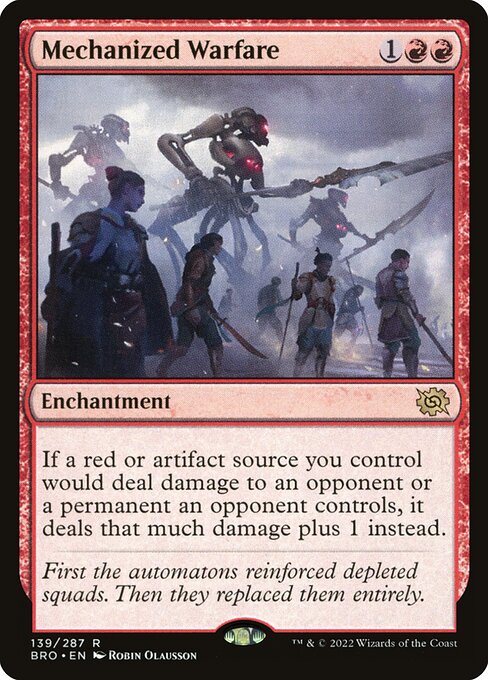
Even so, streamers and content creators are coming up with exciting new archetypes packed with The Brothers’ War cards, as well as powerful updates to existing decks. One streamer, Ashlizzlle, who is well known for her work on Rakdos Sacrifice decks over the past few years, recently tweeted out her updates to the Rakdos MIdrange/Artifact Synergy deck that saw some play in the previous iteration of Standard. Her version preserves the grindy sacrifice-based game plan of the previous iteration and powers it up with more one drops and an exciting new card, Mechanized Warfare.
Current best way to play Anvil, I had a more aggro build but aggro is nothing in the current efficient removal meta… pic.twitter.com/1c0hJjMS8X
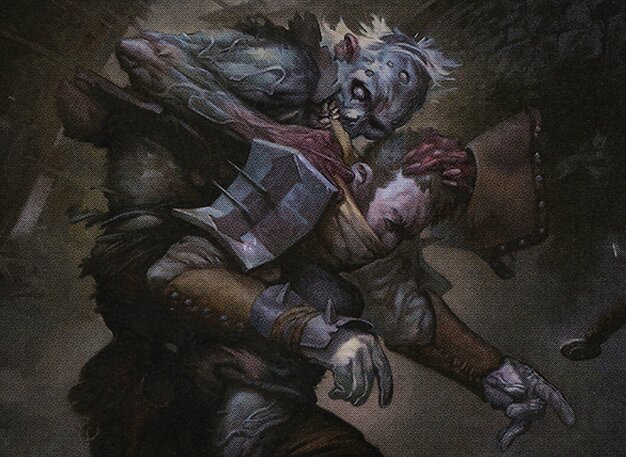
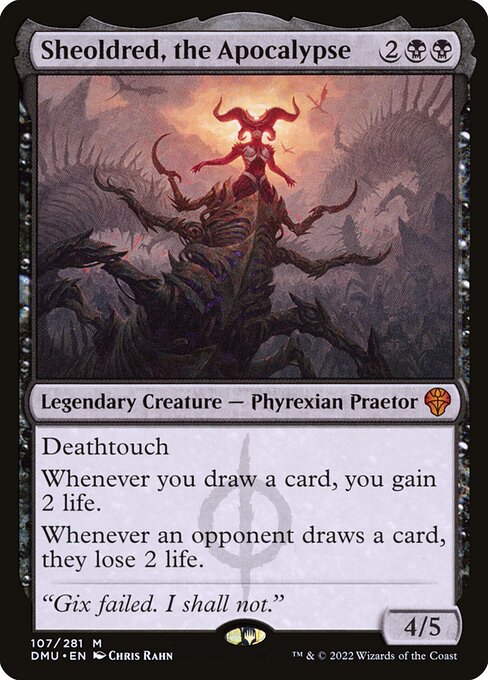
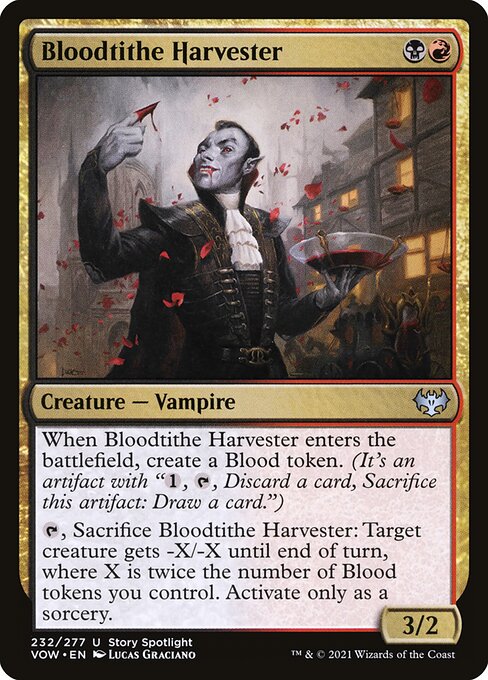
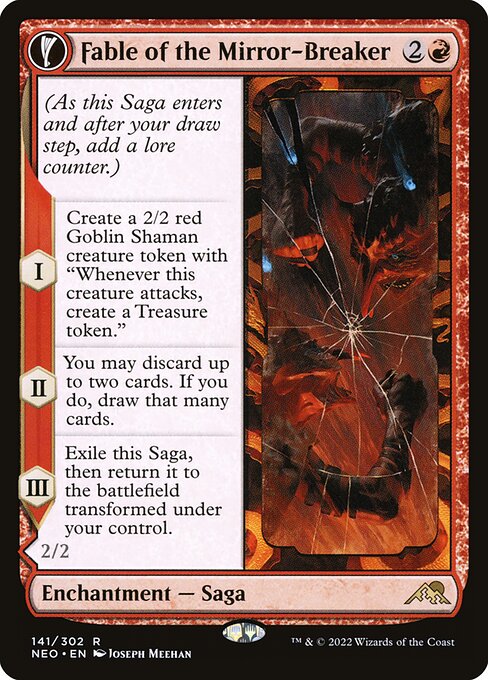
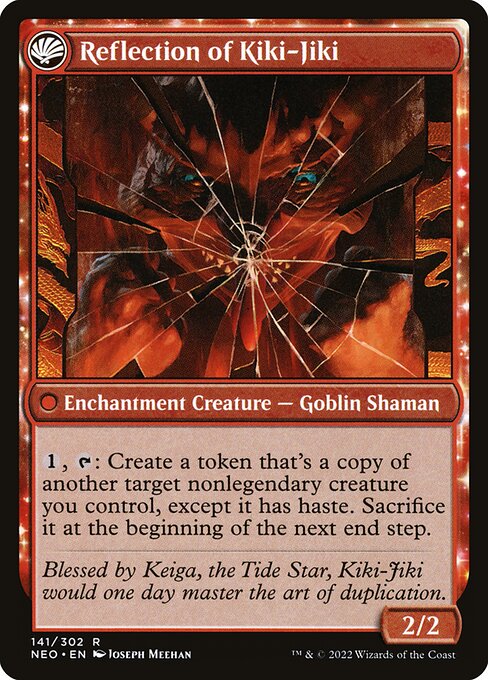
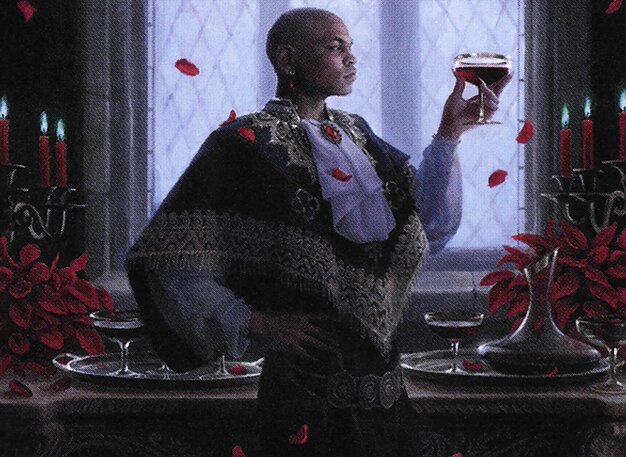
This archetype was competitive before The Brothers’ War and will likely still figure into the metagame because it plays the most efficient and powerful cards in the format: Fable of the Mirror-Breaker is a multi-format all-star and provides card selection, mana acceleration, and a game-ending threat. Sheoldred, the Apocalypse is the win condition of choice for most midrange decks in the format thanks to her impressive stats, life gain, and passive damage output. Bloodtithe Harvester is a versatile two drop equally good at beating down and relieving pressure applied by the opponent.
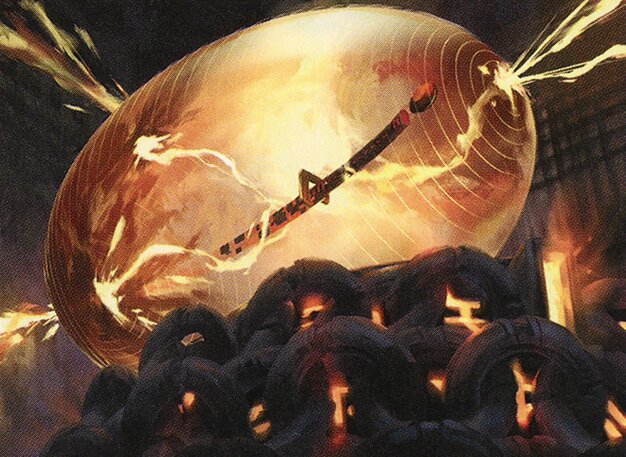
The card choices above are shared with another great option from the last Standard format, Grixis Midrange. However, instead of introducing a third color and suffering a little bit more variance and mana inconsistency, this deck opts for a two-color mana base and a highly synergistic artifact package. Fable and Harvester both make artifacts, so they slot right into a shell that takes advantage of Oni-Cult Anvil from Kamigawa: Neon Dynasty.
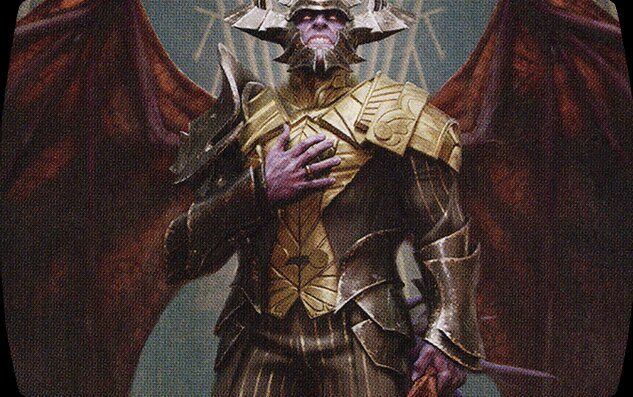
Playing the Anvil also allows you to play Voltage Surge, one of the best and most efficient removal spells in the format, if you optimize for dealing 4 damage. Once you ensure that you’ll have a steady stream of 1/1 tokens and cheap creatures in your deck, then Ob Nixilis, the Adversary becomes an attractive option as well.
Rakdos Artifacts with The Brothers’ War
Now, thanks to The Brothers’ War, we have access to more cards that play off both artifacts and sacrificing permanents. The result is a strong value deck with beatdown draws that overpower the opponent and a grindy game plan that can outlast any three-color deck in the format.
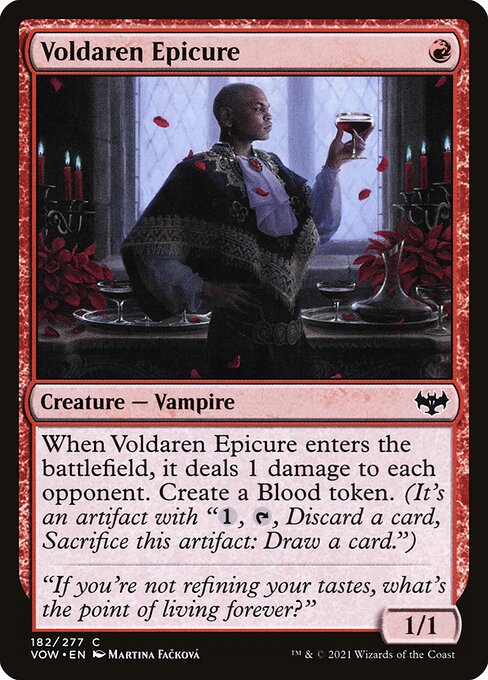
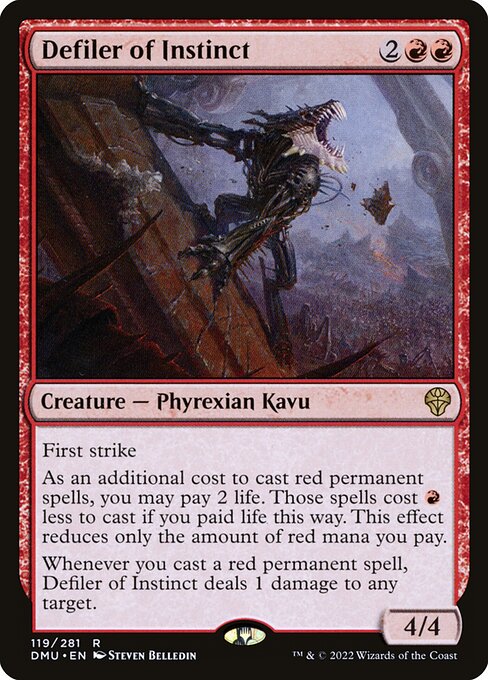
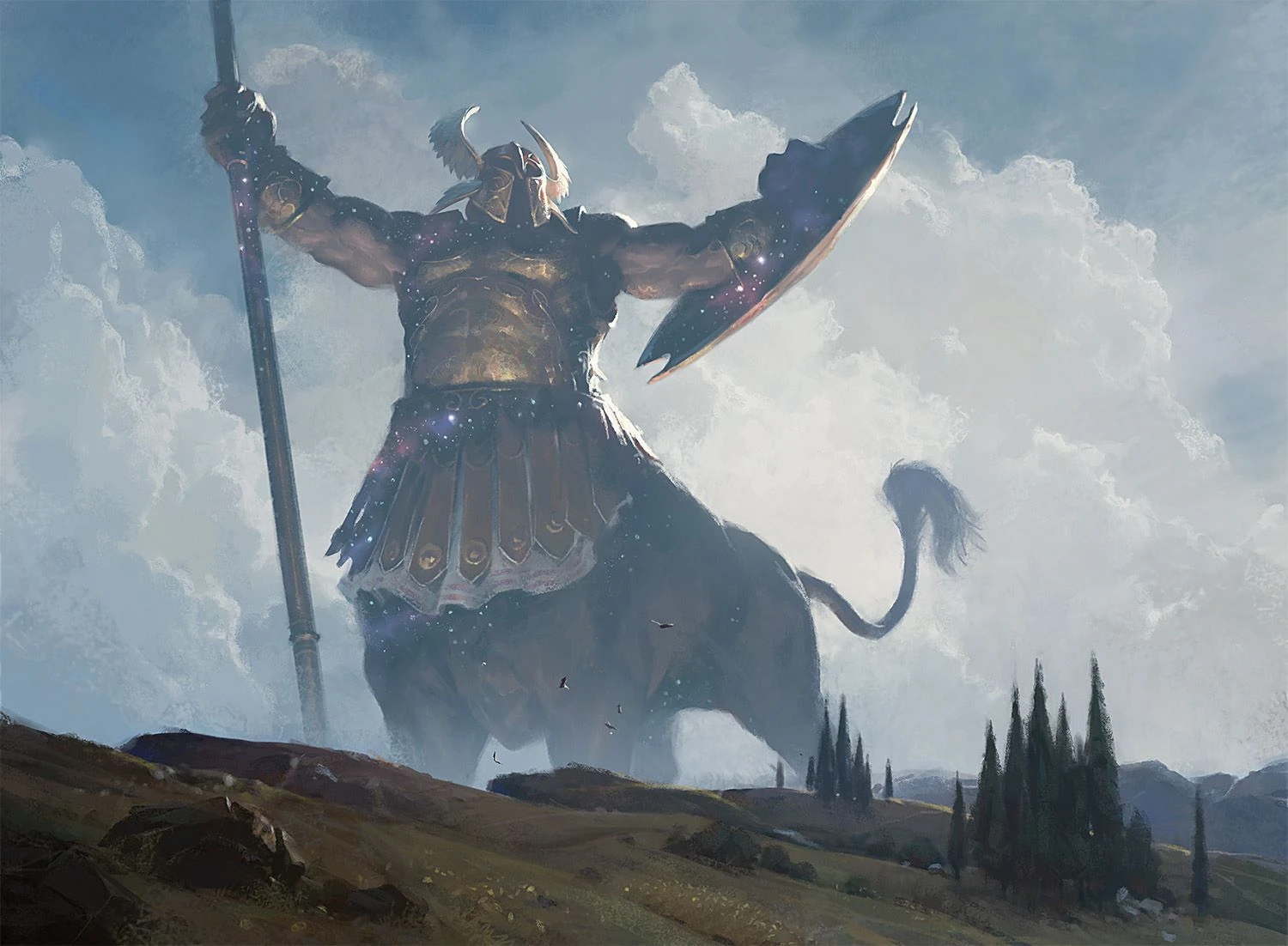
Mechanized Warfare is a sweet card from the new set that is just waiting to be broken by the right deck. In Standard, Rakdos Artifacts certainly seems to be the way to go, with most of the cards in the deck working well with the enchantment. Crucially, Oni-Cult Anvil deals twice the damage and Voltage Surge upgrades to dealing 3 or 5 damage depending on the mode. In fact, I would be interested in playing more effects that “ping” the opponent for damage without having to attack, like Voldaren Epicure or Defiler of Instinct, if you’re feeling spicy.
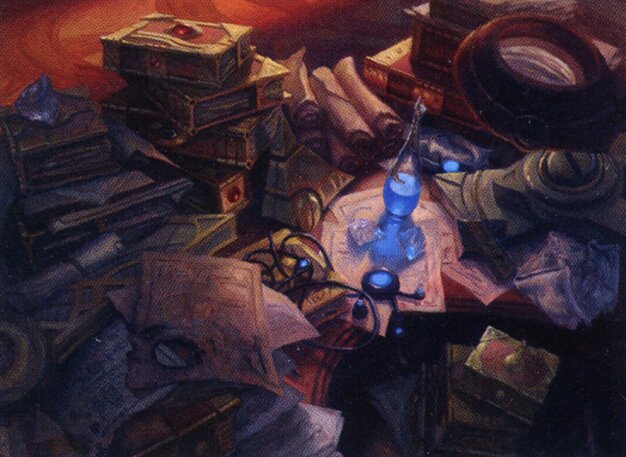
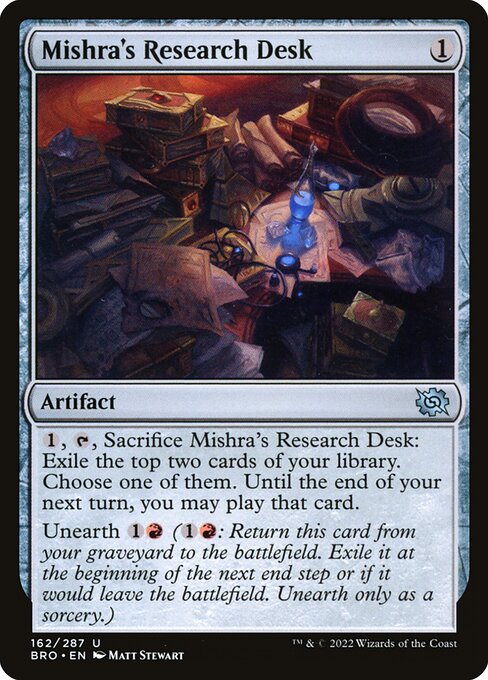
Research Desk”] plays a lot of roles in this deck. It’s a cheap artifact that helps you hit land drops early, finds threats late, and actually provides card advantage via Unearth. It’s similar to Experimental Synthesizer, which I would consider also playing in this deck if I were to make some tweaks. Having more artifacts that work well with both abilities of Oni-Cult Anvil makes the deck even more unbeatable in a protracted resource battle.
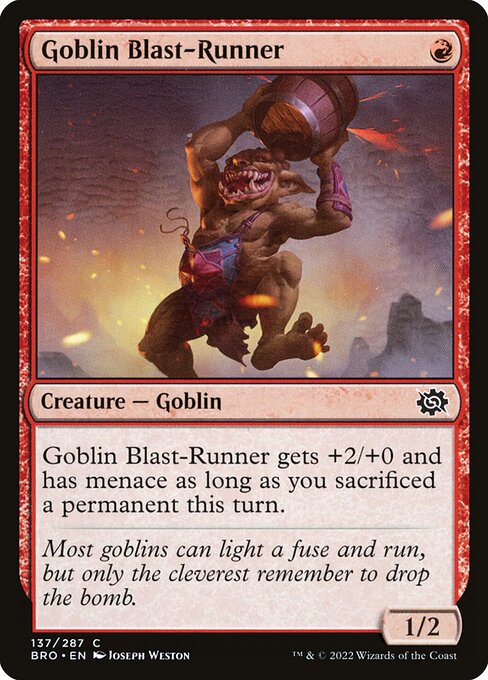
Goblin Blast-Runner is an unassuming, but powerful option in this deck. If you manage your resources effectively, it’s basically always attacking as a three-power menace beater. It’s also a cheap creature that you can cast off Mishra's research Desk, which to me is what justifies its inclusion in this otherwise grindy deck.
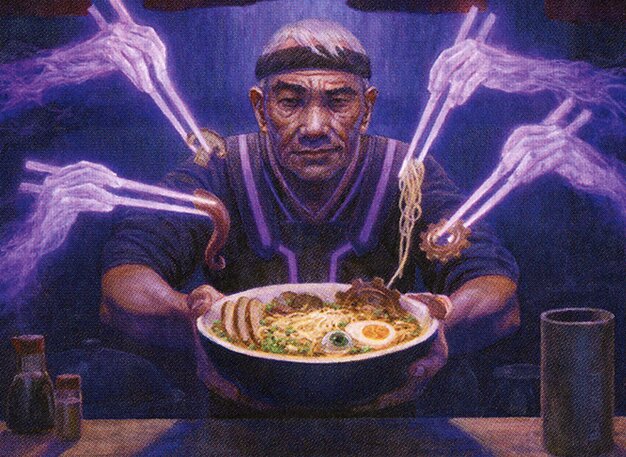
Dockside Chef does the same thing, while also theoretically providing you with more card advantage. On the other hand, I was pretty underwhelmed with it while playing the deck and wanted more enablers rather than more payoffs for sacrificing permanents.
Nicholas "INickStrad" Price is a writer and competitive Magic player from Manila, Philippines. He has played in high level events on paper, MTGO, and Arena, and spends his time drafting the latest set and improving at Constructed formats.