Hey everyone! I don’t know about you, but I am crazy excited about getting to play with the Final Fantasy set. I remember playing the very first Final Fantasy as a kid at the Nintendo World Championships. Everyone else was lined up at the Mario 3 preview, but I couldn’t get enough of Final Fantasy. Needless to say, a crossover between my favorite games has me chomping at the bit to do some drafts.
Today I’ll be going over the basic gameplans of each color combination as well as providing archetype skeletons for each.
For those of you unfamiliar with archetype skeletons, it is an example deck built under specific restrictions to provide an example of what a “good” deck would be. The aim is to build one that could trophy, but is far from guaranteed to. This shows you some key cards/synergies that you should be aiming for when building one. They aren’t meant to be busted versions, because those tend to build and play themselves.
The restrictions that we are working with are zero mythics, one main set rare, one Through the Ages (rare or uncommon), 5 uncommons (limited to one copy each), and not more than 2 of any particular common. I am going off of the rarity of the printing in the FIN set so ignore if it says the numbers are off because it is listing previous versions.
For simplicities sake, we are going to be keeping the mana bases static here. They will be one of the appropriate town dual land with eight of each basic. I am well aware that this might not be the proper ratio (especially with the land cyclers) for some of these decks so please don’t message me about this.
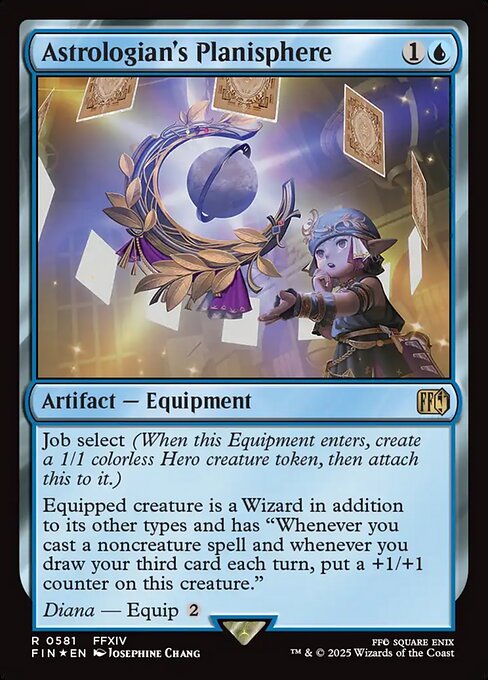
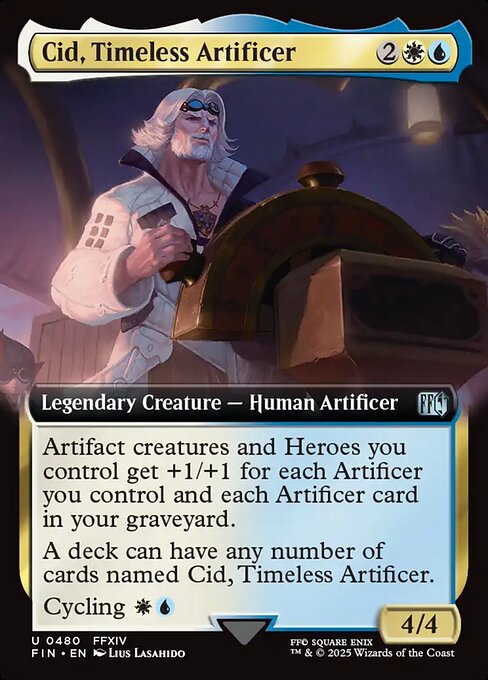
A deck built around rushing your opponent with a pile of artifacts. It takes advantage of multiple synergies to lay the beats. It’s not just fast, but has resiliency through card filtering to prevent flood.
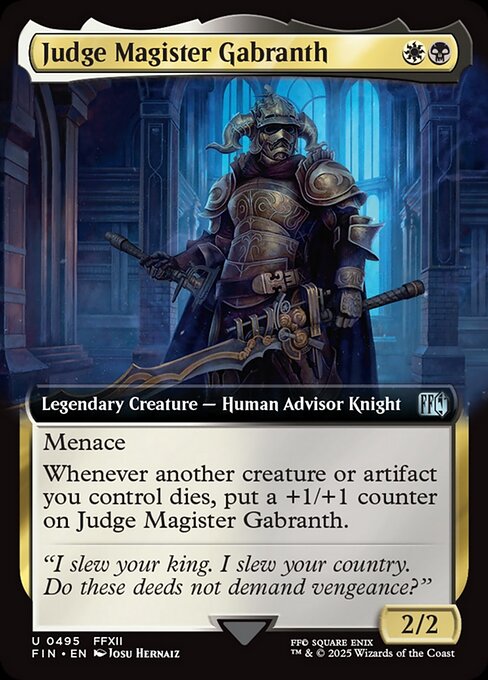
Orzhov is back to it’s typical sacrificial shenanigans. It packs multiple cards with two for one value built in which can be turned into even more cards by G'raha Tia or Ahriman.
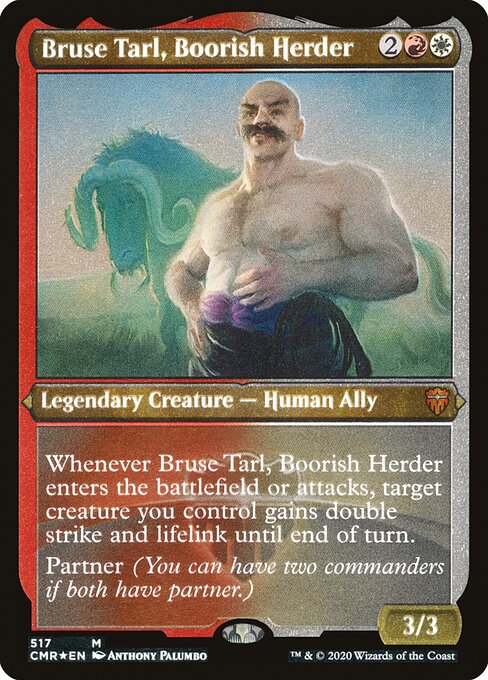
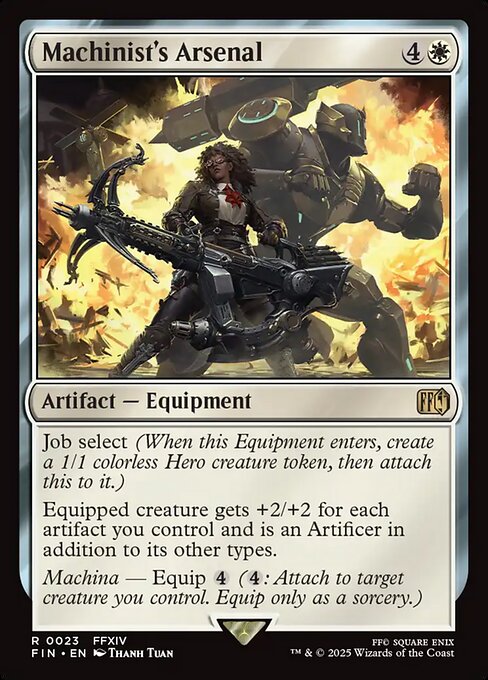
Boros is going to Boros. That means getting rowdy all over your opponent’s face. This time it is equipment focused instead of go wide, but it can actually do both at the same time since the equipment all comes with a dude built in.
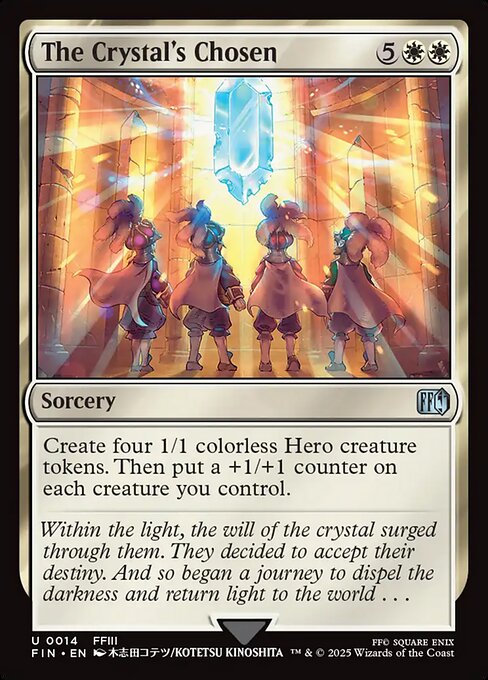
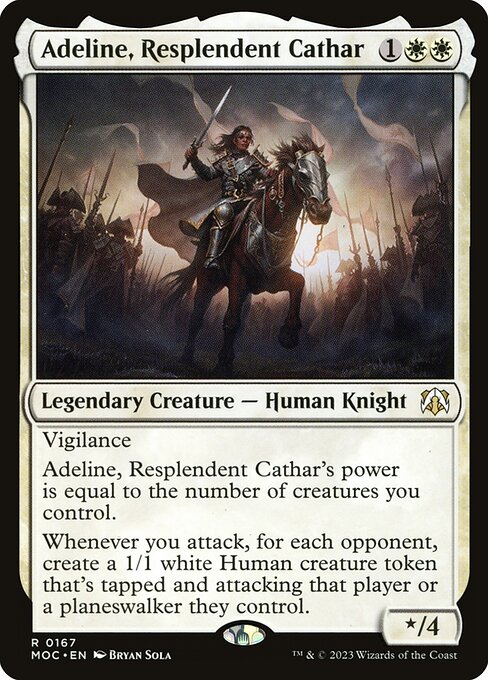
Selesnya likes to go wide with as many dudes as possible. It doesn’t have much resiliency if it gets into a top deck war, but it can end the game before it gets to that point.
I talked to Dimir’s partner and they said that they were a little too controlling. That’s just what Dimir is into and I try not to judge too much. Prolong the game, counter their key cards, and take over with some of your platinum late game hits.
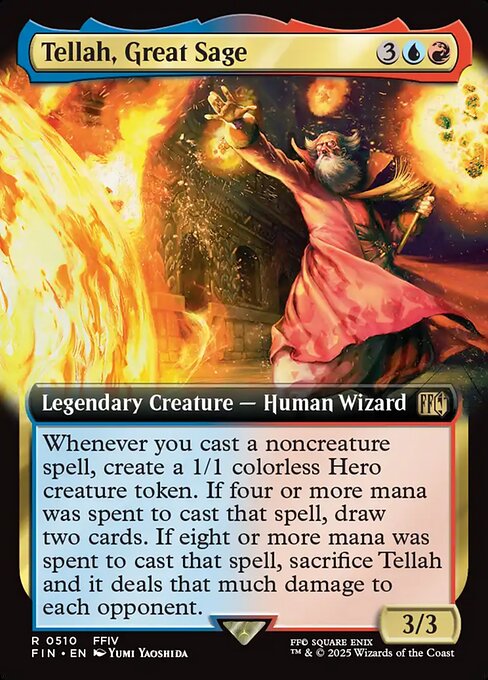
Would you be surprised if I told you that it’s a spells deck again? I hate to break it to you, but that is Izzet’s thing. It’s going down that route again with a focus on casting more expensive spells.
This is one of the decks that is difficult to build a true skeleton for because it’s supposed to be based around towns. The limitations prevent that from happening, but it is still a nifty little ramp deck.
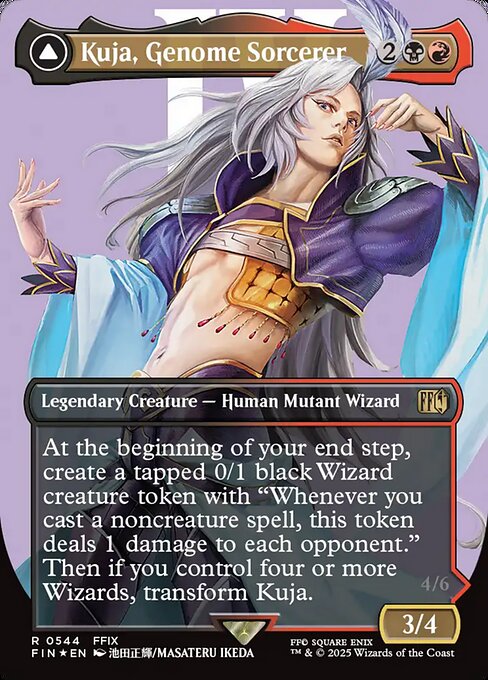
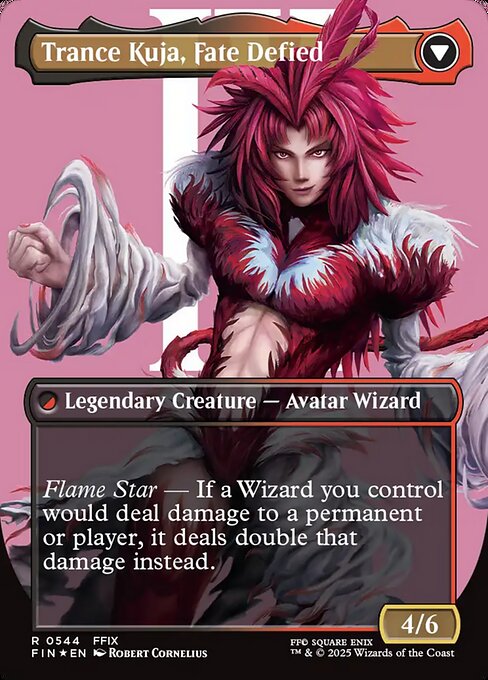
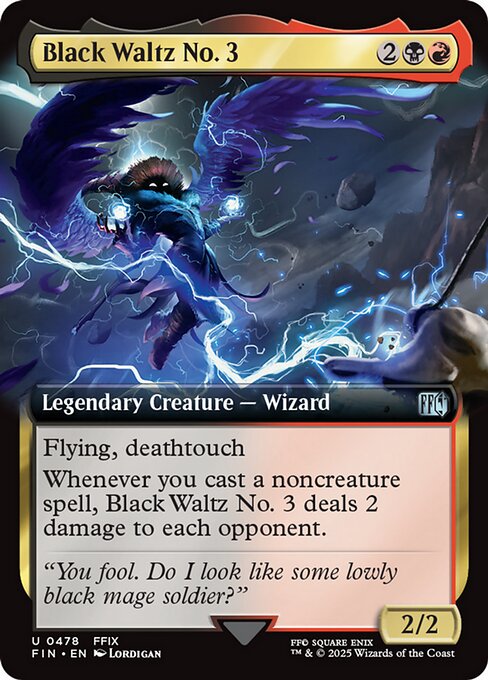
Rakdos isn’t just cheap creatures and removal this time. It has a subtheme of pinging away with wizard tokens. You usually trigger those from casting those aforementioned removal spells, but it adds some interesting math and reach to the deck.
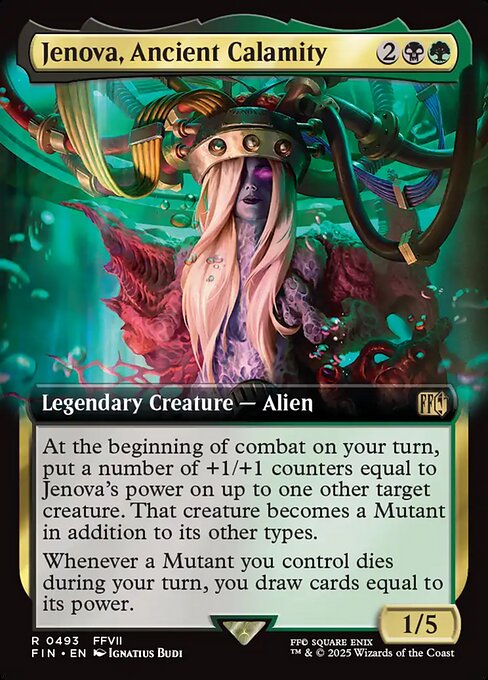
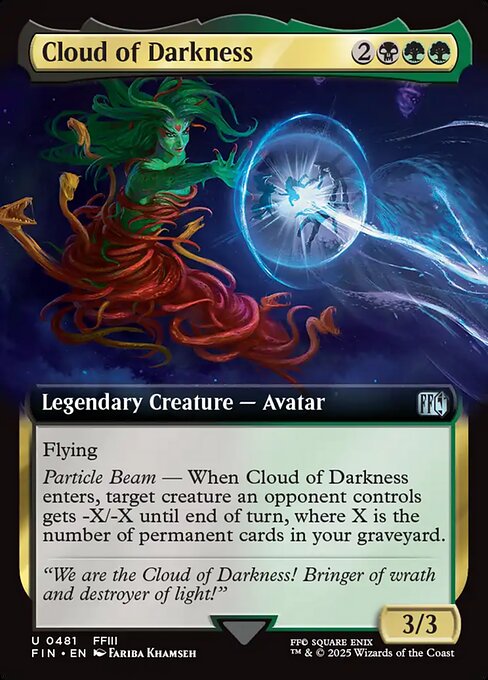
Golgari plays with the graveyard like the rest of the local necromancers. It can get some insane value off of it, you just have to grind the game out long enough to get there.
Josh is a member of the elite limited team The Draft Lab as well as the host of The Draft Lab Podcast. He was qualifying for Pro Tours, Nationals, and Worlds literally before some of you were born. After a Magic hiatus to play poker and go to medical school, he has been dominating Arena with over an 80% win percentage in Bo3 as well as making #1 rank in Mythic.