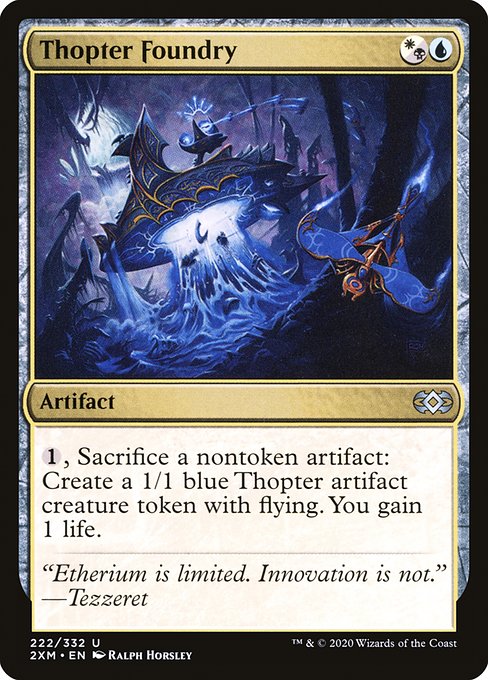
Tezzerator is back with a fresh spin in Historic, combining classic artifact synergies and powerful planeswalkers. With tools like Tezzeret, Master of the Bridge and a versatile toolbox of artifacts, this deck offers flexibility and depth. As Edge of Eternities looms on the horizon, the strategy is only set to get stronger.
This week Plum has a deck that would make Tezzeret, aka our “Darksteel Daddy”, proud. And even if me saying “Darksteel Daddy” didn’t get your artifacts tapping already, what if I also told you the deck unironically plays Colossal Dreadmaw?
I know right?
I hope you have some snacks nearby because we have a lot to talk about.
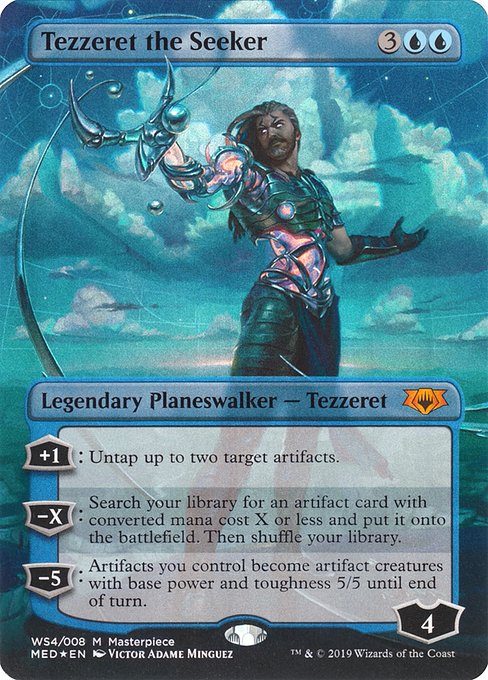
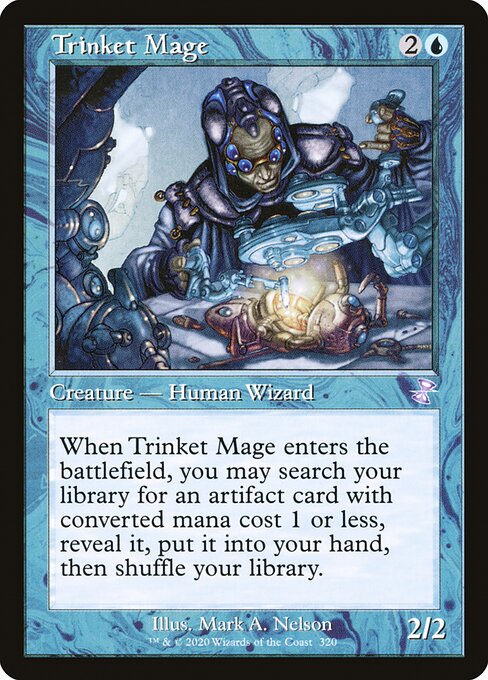
The Tezzerator deck, originally crafted by Kenny Öberg for Pro Tour Berlin in the old Extended format, has one of the most iconic legacies in Magic history. Öberg’s build revolved around the powerful synergy of Tezzeret, the Seeker and Trinket Mage, using these cards to search up artifacts and lock opponents out of the game. The deck had an explosive start, going 8-0 on Day 1 of the tournament, eventually finishing as the first seed going into the top 8. Though he lost in the semifinals to eventual winner Luis Scott-Vargas, Tezzerator’s success didn’t end there. It became a dominant force in the Extended format, securing multiple Top 8 finishes at Grand Prix Singapore, where two nearly identical versions of the deck placed high. Team ChannelFireball also ran the deck during the Extended portion of Worlds, cementing its place as a top contender.
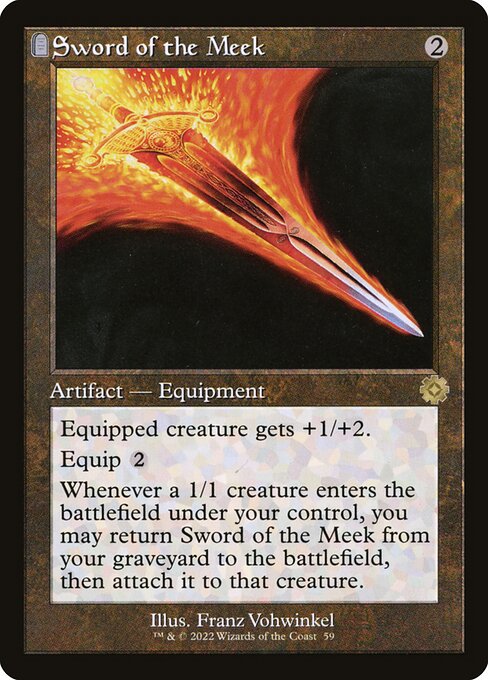
Sadly, the Tezzerator deck faced some roadblocks when Chrome Mox and Sword of the Meek, two key pieces of the deck’s strategy, were banned. As a result, the archetype has struggled to maintain a strong presence in Modern. However, despite these challenges, Tezzerator’s unique combination of artifact synergies and planeswalker control has made it a fan favorite, with its puzzle-like gameplay offering one of the most rewarding experiences for dedicated pilots.
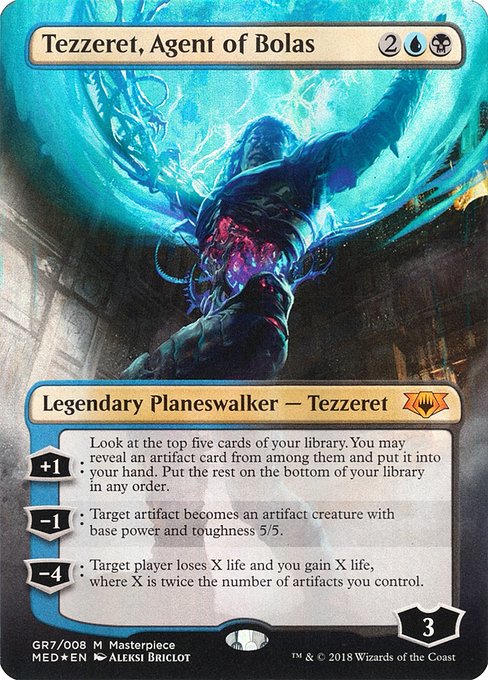
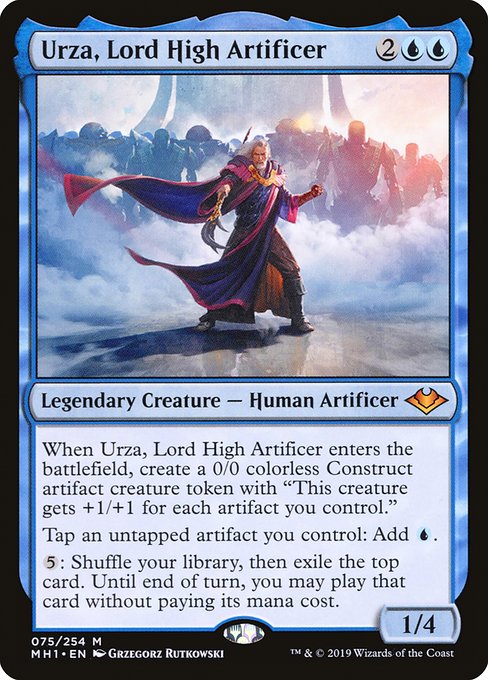
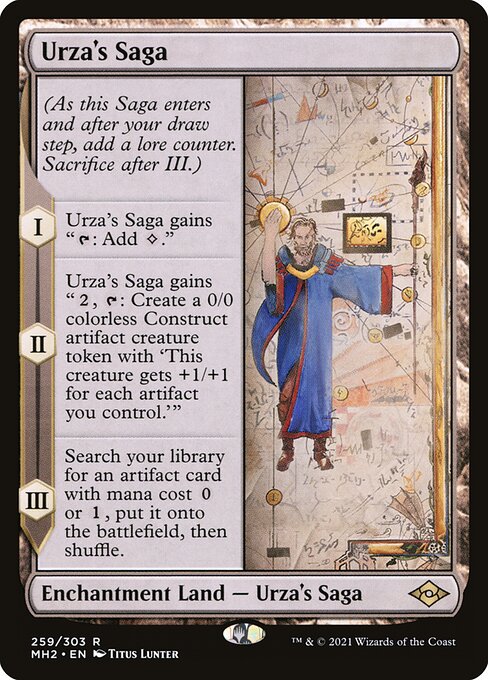
In recent years, Tezzerator has experienced a few moments of revival, adapting and evolving to stay relevant in Modern. With the printing of new cards like Urza, Lord High Artificer and Urza's Saga, the deck has found new tools to complement its artifact-based synergies. Whir of Invention has also become a key addition, enabling the deck to tutor up powerful artifacts at instant speed, further enhancing its toolbox approach. Additionally, Tezzeret, Agent of Bolas has found a place in almost every post-extended version of the list, offering another way to win while providing card advantage through his +1 ability. These additions have helped breathe new life into the deck, allowing it to leverage the power of Urza and Tezzeret while maintaining its core identity as a hard-hitting artifact deck with disruptive lock pieces. While still not dominating the metagame, this revamped version of Tezzerator offers an intriguing option for players looking to dive into a unique and highly interactive deck.
The Deck
My deck brings together the classic Tezzerator strategy with some updated (and limited) tools for the Historic format. We have a solid mix of artifact-based synergies, card draw, and interaction. The inclusion of Yorion, Sky Nomad allows for more versatility and can help provide a critical mass of artifacts when combined with Tezzeret, Master of the Bridgeand other planeswalkers. Although we are missing some classic prison pieces like Ensnaring Bridge, we have enough of a tool box and powerful cards to keep the deck functional. We’ve certainly had to change our angle of attack so to speak, so let me show you how I went about translating this strategy to Arena.
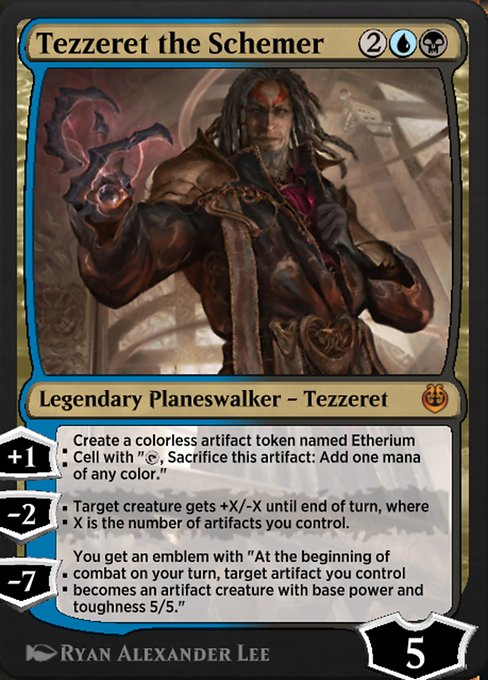
We get to play not only one, but two Darksteel Daddies in our list. While I admit neither of these are as strong as Tezzeret the Seeker or Tezzeret, Agent of Bolas, they are powerful enough to warrant a build-around. I have been very impressed by Schemer especially. 6 loyalty is a lot to deal with for some decks, and the fact that he can -2 for two turns in a row without dying makes him incredibly efficient removal as well.
As for Master of the Bridge? Guys let’s be honest. He’s sick as hell. I mean he stabilizes so well its crazy. His static ability to give our stuff affinity has led me through some incredibly strong turns. Play Tezz, drop Karn for free, tutor Platinum angel and play it for free too. He just does it all, and ends games so fast. Two has felt right as he is a tad expensive without ramp, but he feels like the perfect top end.
With that being said, let’s take a look out our most recent draft of the deck and talk about the tool box of artifacts we’re jamming.
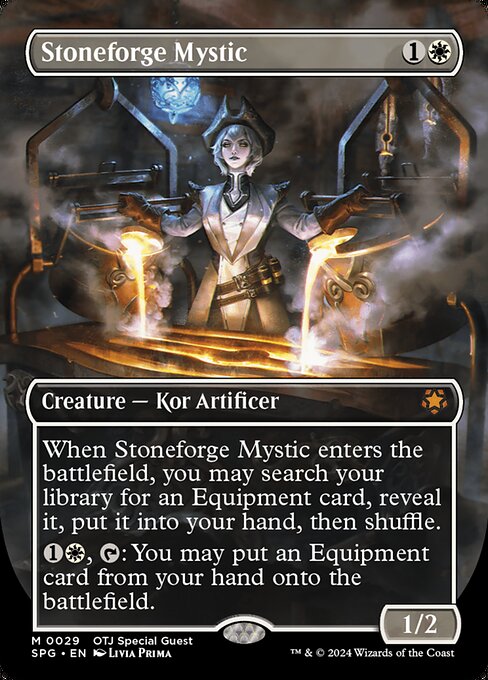
My version revolves around 2 main tool boxes. The first is in the main deck, using Stoneforge Mystic as our tutor, while the second is a wish-board accessed with Karn, the Great Creator. Both of these packages aren’t set in stone. You can easily craft your tool box based on the meta, increasing grave hate, interaction, and utility as you see fit.
Lion Sash – This guy is our tutorable version of Scavenging Ooze. It can eat up the opponent’s graveyard while also becoming a decent size threat in the late game. Reconfiguring it onto a something also gives us a body after a board wipe.
Nettlecyst – Just a solid beater and a prominent win condition for us in many games. Nettlecyst grows fast alongside the artifact lands and can usually end the game in a few swings.
Assimilation Aegis – Our best option when it comes to removal that can be found off of Stoneforge. The clone ability has actually come in handy in numerous games. Removing a Sheoldred, then turning a germ token into it is incredibly strong.
Fire and Ice”] – This artifact serves dual purposes—control and damage—and can give you the much-needed advantage when you’re dealing with creatures or trying to push for a win. I’d consider this a flex slot.
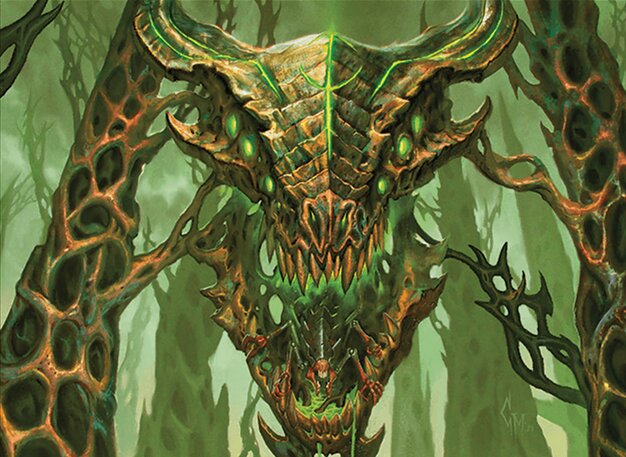
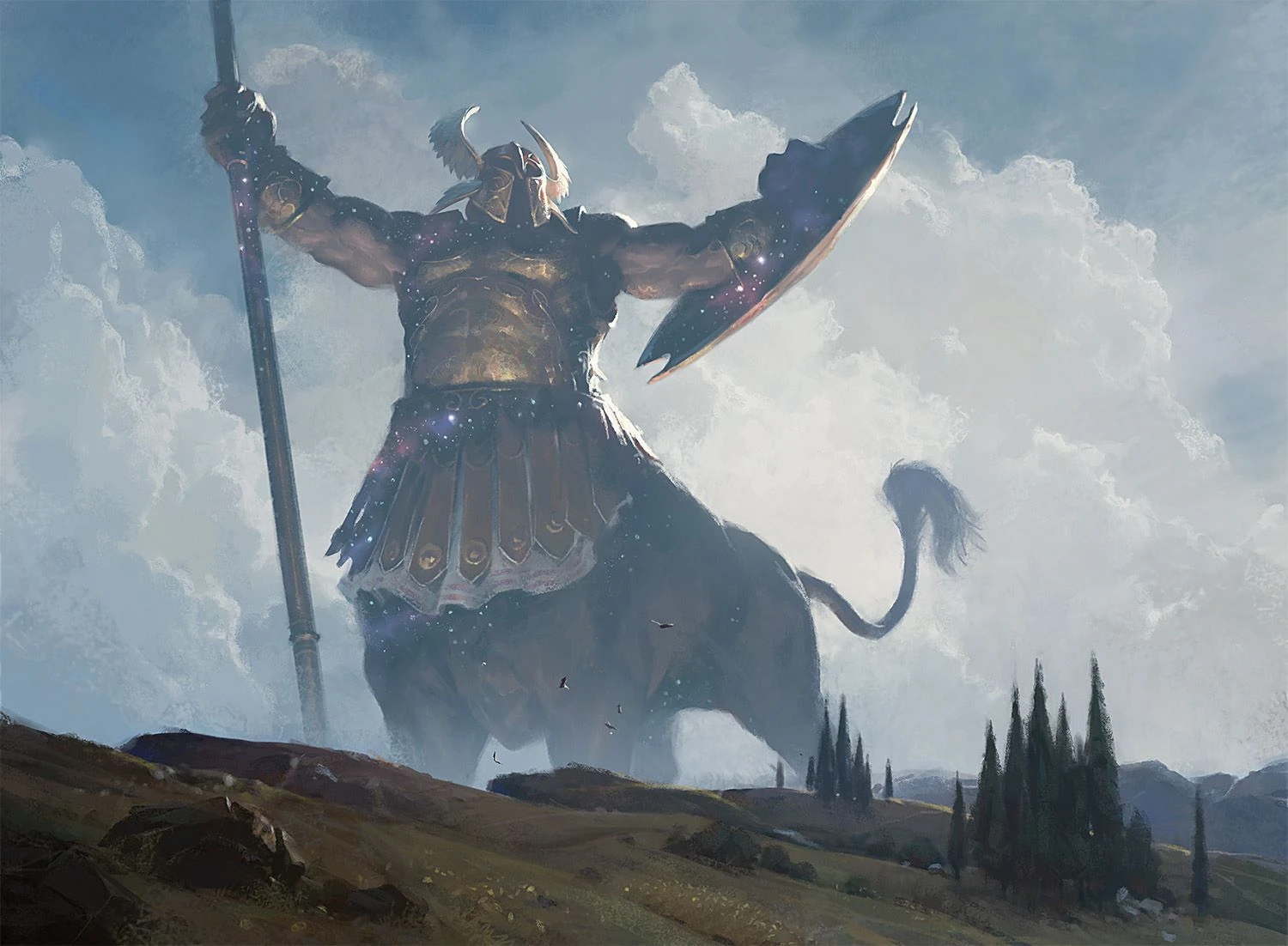
Colossal Dreadmask – Okay so I may have lied about playing Colossal Dreadmaw, but this is basically the same thing. Mask plays a similar role to Nettlecyst by helping to close out games, but a 6/6 on turn 3 can stop a lot of decks in their tracks. Trample is just gravy.
The Aetherspark – The newest addition, and probably my favorite. A tutorable, artifact planeswalker is absurd in this deck. It grows our creatures, provides card advantage, and can let us dump our hand easily. Love that it can’t be attacked as long as it’s equipped too.
Haywire Mite – Useful removal for artifacts and enchantments, especially opposing Rings. However, we can only activate it off of Spire of Industry or Etherium tokens.
Stone of Erech – Two pieces of hate in one. Does a solid job blowing up graveyards, but I usually grab it against Energy as it helps against, Ajani, Phlage and other random creatures.
Wurmcoil Engine – Provides life gain and a strong body for late-game resilience and artifact synergies. One of our “game enders.”
Platinum Angel – A flying body that holds equipment well that also happens to stall or completely shut down certain decks. Goblins, Elves and other aggro strategies have a hard time dealing with her.
Chalice of the Void – Great for countering low-cost spells, particularly against aggro or spell-heavy combo lists.
[card name=”Pithing Needle”] – Shuts down problematic activated abilities of permanents. Feels especially strong against Goblin Bombardment or Chthonian Nightmare.
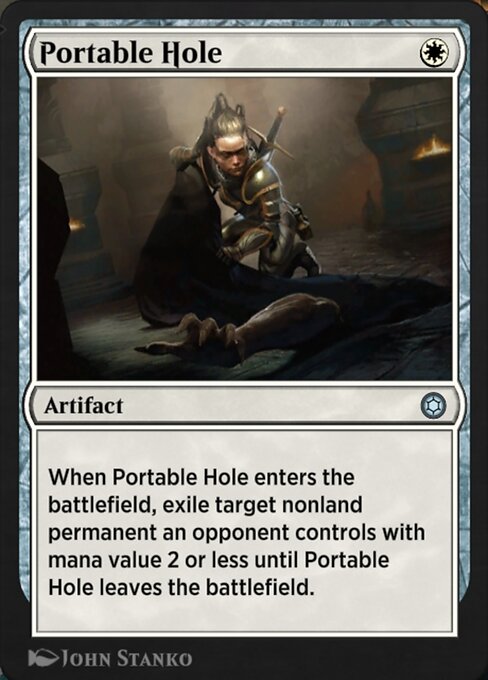
Dusk Rose Reliquary – An extra copy of Portable Hole basically. Provides additional artifact synergy and helps remove threats all for just 1 mana. Ward makes it stronger at the cost of sacrificing an artifact. Comes in handy in a pinch.
Grafdigger’s Cage – Stops graveyard-based combos and creature recursion, especially useful against reanimator strategies. Love that it also messes up Birthing Ritual and Collected Company decks.
The Blackstaff of Waterdeep– Sometimes we just need a creature to stall or close out games. Staff does a great job at both with our indestructible artifact lands or Ring.
Liquimetal Coating – Karn-board staple. Land destruction and a way to shut off activated abilities when we have Karn on the board.
The Stone Brain– Love this. We can blind name cards to take care of them immediately or use it as graveyard hate while preventing certain combos. We can also rebuy it using Karn to extract multiple cards over the course of a game.
Karn's Sylex – I don’t love that this blows up a lot of our own things, but against low-to-the-ground strategies or something like Enchantress, its a power house for sure.
Portal to Phyrexia – I’ve found this to be strong against midrange strategies. Our deck already has the advantage by playing non-creature threats, but this can seal the deal against things like Rakdos or Jund quickly.
Playing a tool box of cards in a midrange deck like this offers flexibility and adaptability. The idea is to use cards that can answer a wide variety of threats while also supporting your primary game plan. These cards help fine-tune the deck for specific matchups and provide versatile options for control and interaction.
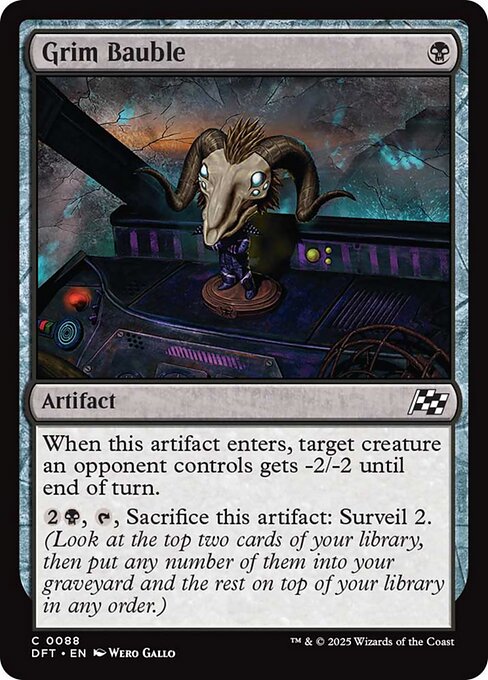
Our artifact suite is backed up by some synergistic removal. I’ve been testing Bauble as another one mana removal spell along side Portable Hole and it’s been serving us well. This deck needs early interaction or else it just gets ran over. I tried Demonic Junker for a long time but it always felt just a turn too slow for what we needed it to do. Bauble also has the benefit of late game scry which helps dig for additional answers.
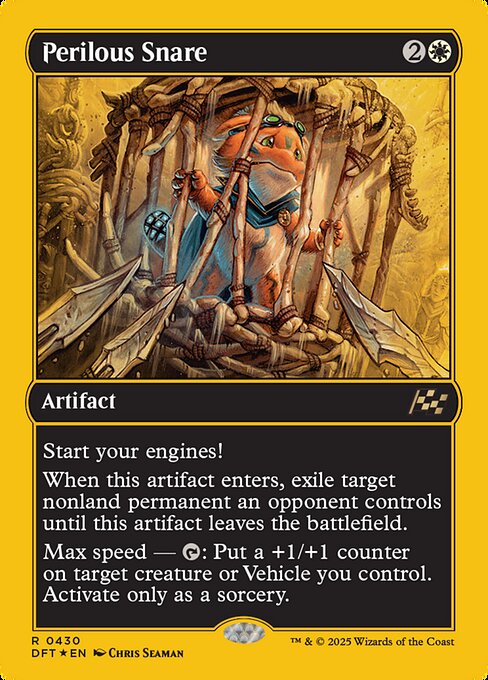
Perilous Snare. Dude. This card is the SOLE reason to play an artifact based shell in my opinion. The original version of this deck was UW, and featured Whir of Invention so we could instant-speed tutor up Snare. A synergistic Banishing Lightthat also happens to turn into a win-condition in the late game is NUTS. It was so strong in fact, even after we dropped Whir (I’ll talk about this later), Snare has been in every iteration of the deck since. It’s the perfect compliment to Bauble and Portable Hole and plays well on curve into Tezzeret as well. *chef’s kiss*
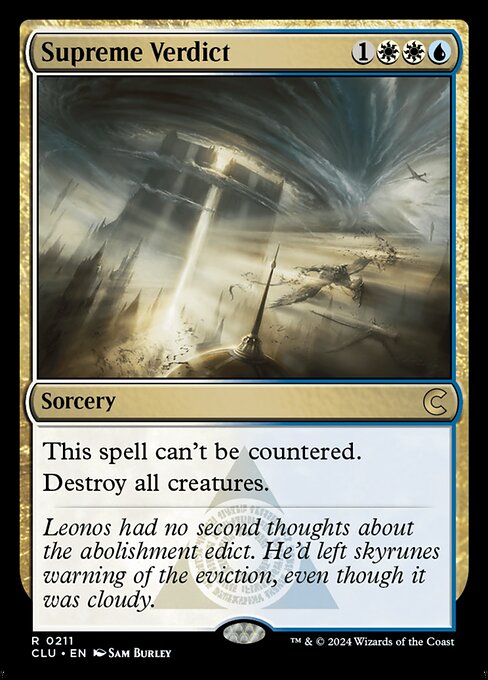
Supreme Verdict is just a necessary evil. Until we get something like Oblivion Stone on Arena (Perilous Vault ain’t it chief), we will being playing Verdict. Fast aggro can catch us off guard easily so we need wipes to try and stabilize.
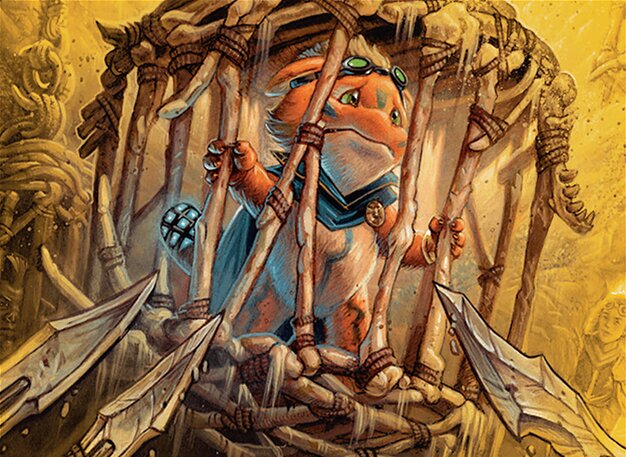
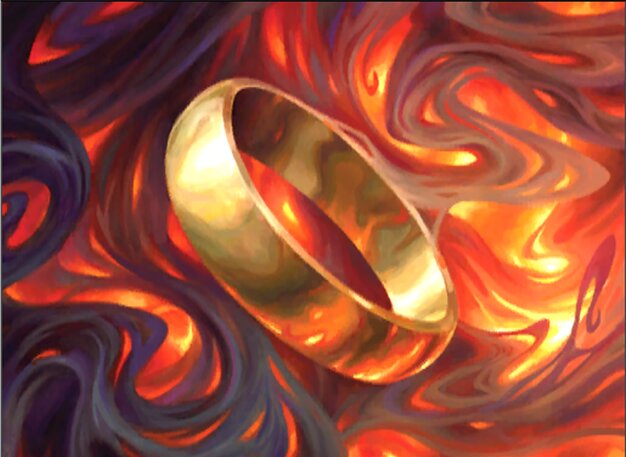
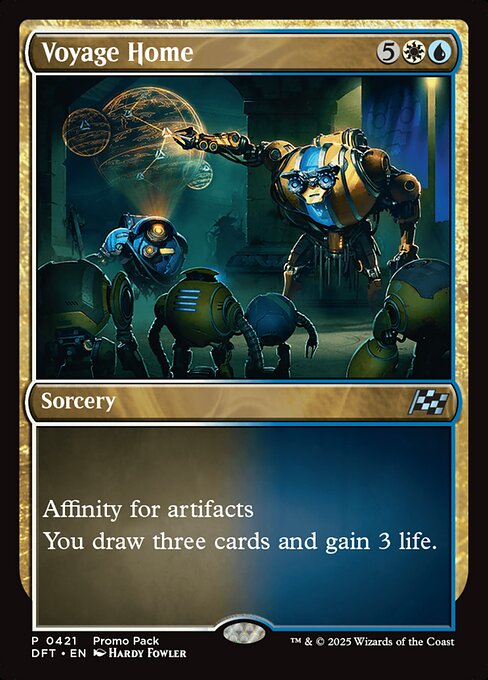
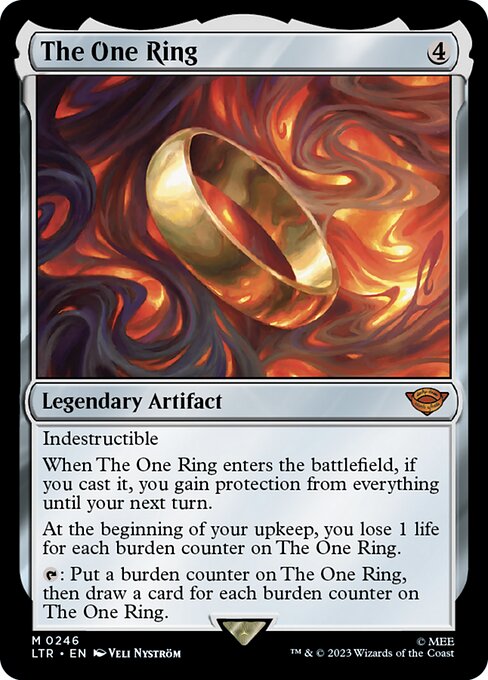
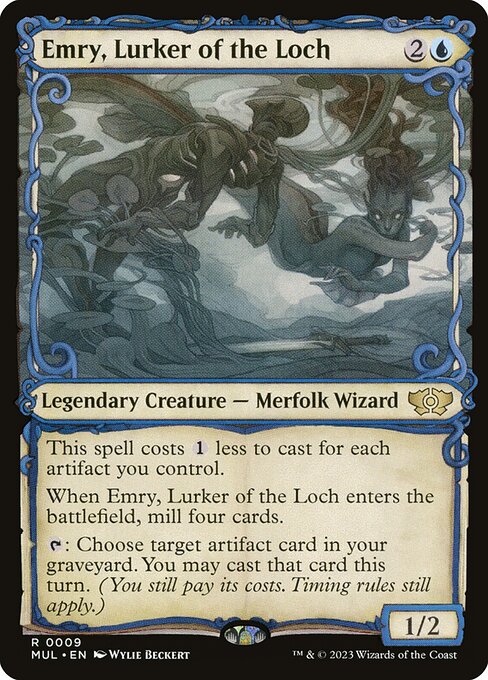
Voyage, Ring, and Emry are the current card advantage trifecta I’ve been testing. Ring is the ring, I don’t really have to give you an explanation of why we’re playing it.
Emry has been a fun little addition, helping us to find interaction, rebuy artifacts in the mid-late game, and even locking opponents out of the game by looping The One Ringevery turn.
Voyage Home is the other new card I’ve been testing in these shells. We recently got Thoughtcast, but 3 life is actually quite important to us in the aggressive match ups. Sorcery speed hurts, but it has definitely been pulling its weight in my testing so far.
Gameplay
We’ve been playing various version of the deck on stream over the past week to decent success. We rocked a 67% WR with the version from this article (including my off stream gameplay). Let’s talk about the general plan behind the deck.
Early Game: Setup and Control
In the early game, your main goal is to establish board control through artifact-based removal, board wipes, and disrupting your opponent’s game plan. We mainly want to get to a palce where we can sagfely land a walker or The One Ring
Using Tezzeret(s) and other equipment-based creatures, you’ll want to start developing a board presence while denying your opponent’s threats with cards like Portable Hole or Perilous Snare. You’ll typically be controlling the board with a mix of removal and card advantage.
Mid Game: Value Generation and Setup for Tezzeret’s Ultimate
As the game progresses, your goal is to leverage your artifact synergies to outvalue your opponent. Tezzeret the Schemers -2 ability and Etherium Tokens can carry you into the late game and help cast larger, “game ending” threats that we tutor of off Karn.
By this point, you can also try setting up for a big turn with Tezzeret, Master of the Bridge. The life drain ability can be enough to outgrind most decks.
Late Game: Close Out with Tezzeret’s Ultimate or Artifact Beaters
In the late game, if you haven’t already won with your artifacts or Tezzeret’s +2, you’ll aim to activate Tezzeret’s -8 ultimate to find a ton of powerful artifacts, which will often overwhelm your opponent’s defenses and provide a game-winning swing.
Your graveyard, artifact creatures, and Tezzeret’s control elements will all come together to create a lethal combination, locking your opponent out of the game while you push for victory.
I love that this deck offers so many paths to victory, and if you fine tune your silver bullets and equipment, no two games ever feel the same.
But why not…?
Whir of Invention – I tried it. A lot. And its great. But trying to play the tapped artifact lands, Ssper colors, and a UUU spell did not feel good at all. Whir + Snare is a very strong package but I’d save it specifically for a deck that had a more streamlined mana base.
Urza, Lord Protector + The Mightstone and Weakstone – Honestly I just didn’t have the room. My early iterations had 1 of each, and we even got to meld them a few times. But similarly to Snare, I think this package really shines in a deck with Whir of Invention. I specifically wanted to build around Tezzeret, but if we try a UW Urzarator build, I think it could be quite consistent in melding the two.
Affinity cards – Simulacrum Synthesizer, Memory Guardian, Refurbished Familiar, etc. These are all solid inclusions to an artifact list, but we are not trying to play affinity. We want our artifacts to be versatile so that we can answer any situation. You can certainly play a creature based list, but I find the fact that we have so few creatures an advantage against removal heavy decks in general.
Closing Thoughts
Tezzerator is a powerful, unexplored strategy in Historic, and it’s been a blast to revisit and adapt it to the format. The synergy between Tezzeret, artifact interactions, and versatile toolbox cards makes it a fun and rewarding deck to pilot. As more cards and synergies are introduced, I can only see this deck getting stronger and more refined. With Edge of Eternities on the horizon, I’m excited to see what new tools we can add to the arsenal and take Tezzeret’s gameplan even further.
Thanks for reading.
As always feel free to comment and leave any questions you have below! Make sure to come back next week for even more Fun & Jank!
If you want to see these decks in action, come hang out with me on stream where we test, refine, and have a ton of fun together!
Happy Brewing!
Premium
Enjoy our content? Wish to support our work? Join our Premium community, get access to exclusive content, remove all advertisements, and more!
No ads: Browse the entire website ad-free, both display and video.
Exclusive Content: Instant access to all exclusive articles only for Premium members, at your fingertips.
Support: All your contributions get directly reinvested into the website to increase your viewing experience!
Discord: Join our Discord server, claim your Premium role and gain access to exclusive channels where you can learn in real time!
Special offer: For a limited time, use coupon code L95WR9JOWV to get 50% off the Annual plan!
Plum is the creator of the Jank Tank.
He started playing at the ripe old age of 12 and immediately fell in love with the infinite possibilities that deck building could lead to.
He truly understands that jank is a mindset, and spends most of his free time brewing and concocting new and exciting deck lists to help inspire and promote creativity within the MTG community.