Omri is back and with a bold proclamation - you don't need Oni-Cult Anvil to play the best iteration of Sacrifice in Standard! Find out why he believes ditching Anvil is the right call and how Sacrifice should be built moving forward!
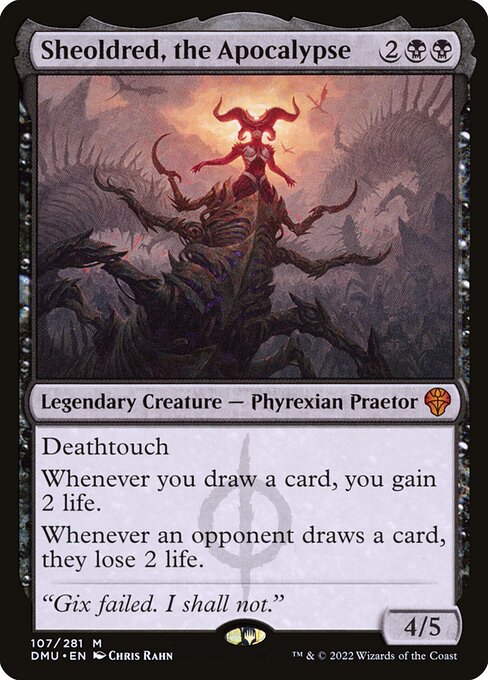
Hello everyone! Today I’ll be going over Rakdos Sacrifice in Dominaria United Standard. Standard has been dominated by Red and Black cards of late: Fable of the Mirror-Breaker, Liliana of the Veil, and Sheoldred, the Apocalypse are all incredibly strong cards that have shaped the metagame and led to the dominance of Black-based midrange decks trying to stuff all the best cards into their 75.
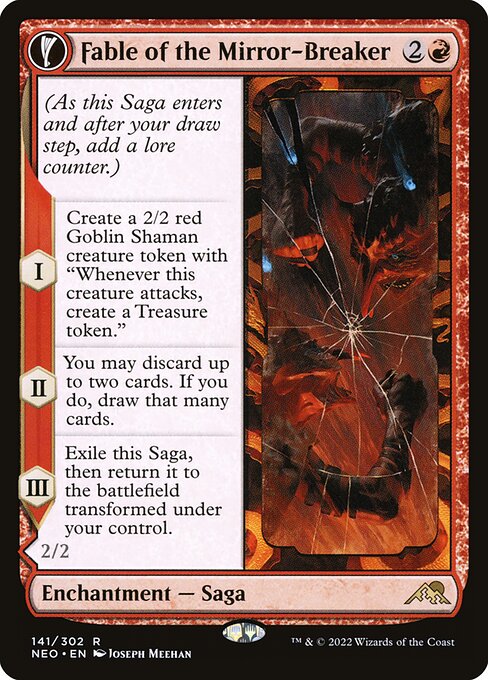
While this Black-Red deck isn’t entirely different – it is running a play set of Fable of the Mirror-Breaker and two Sheoldred, the Apocalypse, but this deck has something that the other midrange decks have chosen to eschew: Synergy.
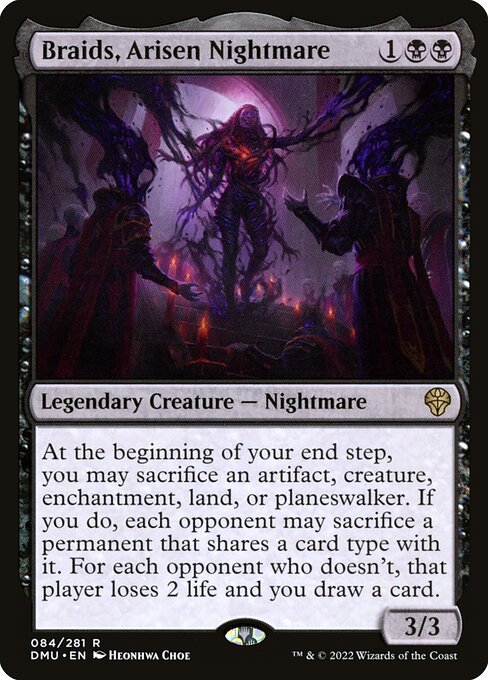
Braids is the newest addition to the sacrifice archetype, and has been performing excellently thus far. This deck can pump out cheap creatures, artifact tokens, and even planeswalkers faster and more easily than your opponent, and you’ll soon force them to let you start drawing cards.
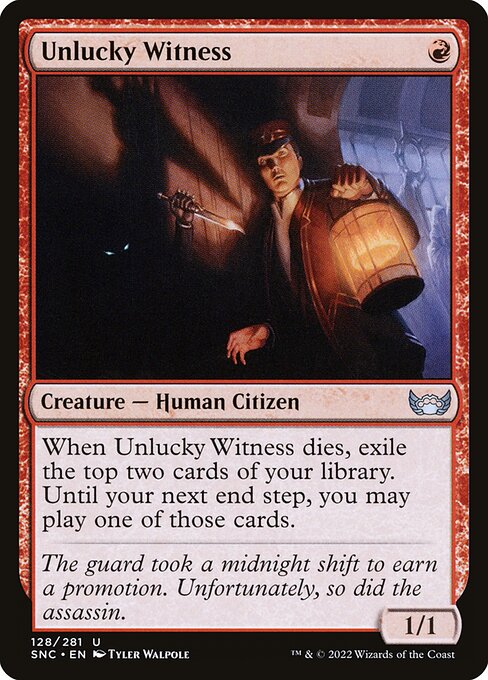
In terms of fodder for sacrificing, Unlucky Witness is the strongest; sacrificing it to Braids on your end step means you have your next turn cycle to cast the cards off it, but if you sacrifice it to Henrika or Mob Nixilis you’ll have to play a card from it that turn or you’ll lose them, so make sure to keep up some mana and/or a land drop so that you don’t miss out on value from it.
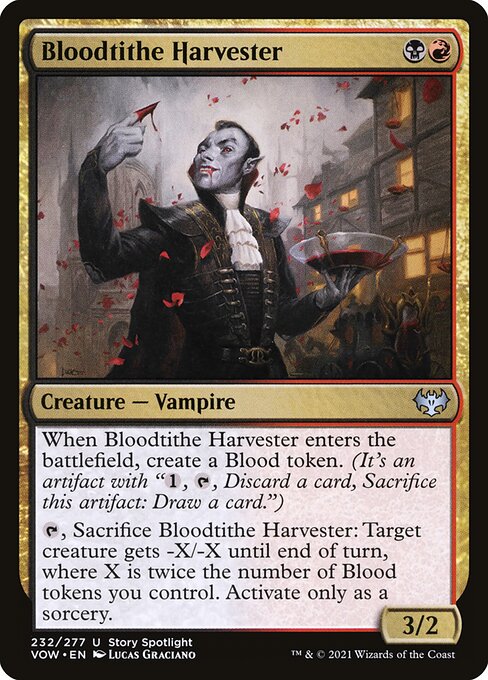
Bloodtithe Harvester is fine to sacrifice when need be, but what you should be sacrificing is the Blood token that comes with it, to either Braids or Voltage Surge.
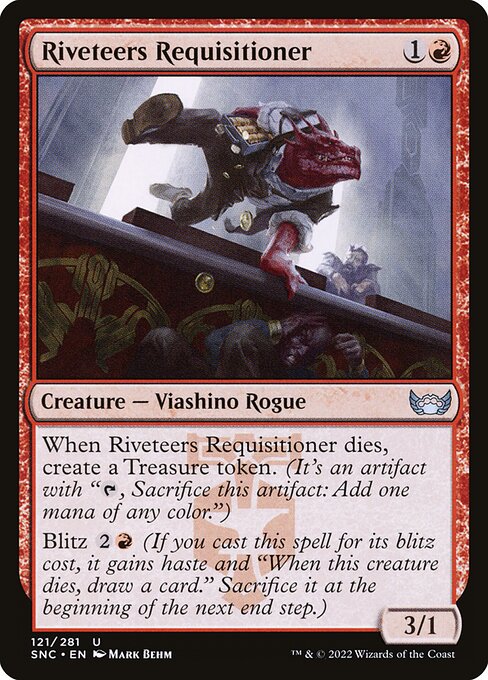
The two drop that’s particularly good to sacrifice is Riveteers Requisitioner. Having three power means it’s great to casualty to Mob Nix on turn three, if you trade it off turn two you can play out a Jaya, Fiery Negotiator on turn three, and later in the game, you can blitz it out then sacrifice it before it sacrifices itself for that extra bit of value.
Furthermore, a treasure token in the early game can be a significant boost of tempo. Requisitioner is also great for killing unprotected planeswalkers because the haste means it can snipe a Liliana of the Veil or Sorin the Mirthless before your opponent gets to untap with it.
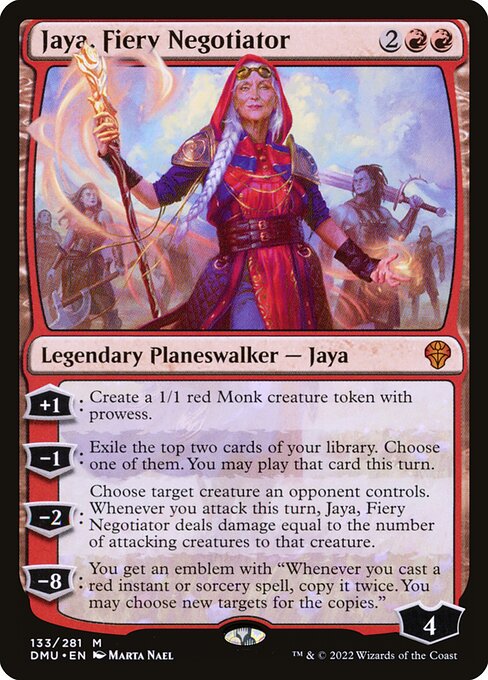
Jaya, Fiery Negotiator is the final source of sacrifice fodder for this deck. Jaya is in my opinion underrated – its high loyalty means Jaya rarely dies in combat, and ticking up for a 1/1 the turn it comes down also helps with that. While Jaya may not be strictly better than other options like Sorin the Mirthless, if you have some way to utilize the prowess 1/1s Jaya makes (like sacrifice outlets or cheap spells), Jaya can put in a lot of work. In this deck, which pumps out a bunch of cheap creatures, the -2 usually ends up killing what you need it to.
The one shortcoming of Jaya, Fiery Negotiator is that her ultimate is mostly useless, so there’s not much point trying to threaten it, but luckily the -1 and -2 are great ways to spend excess loyalty so this is rarely a significant downside.
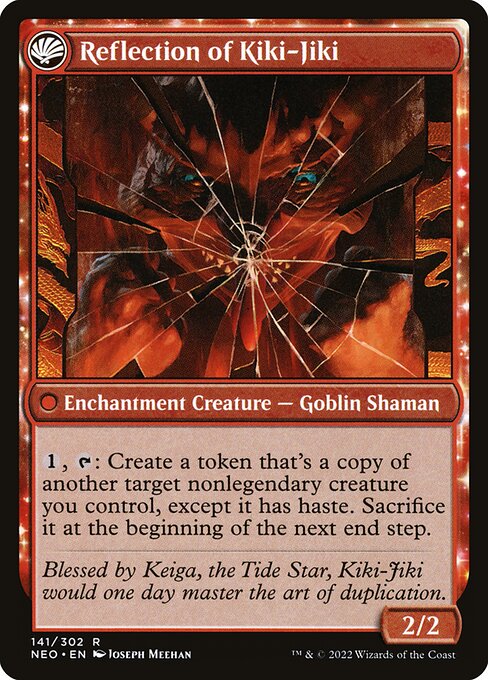
The deck is rounded out with utility and good cards. Fable of the Mirror-Breaker is the best card in Standard, it provides ramp, filtering, and Reflections of Kiki-Jiki puts in a lot of work if you manage to untap with it.
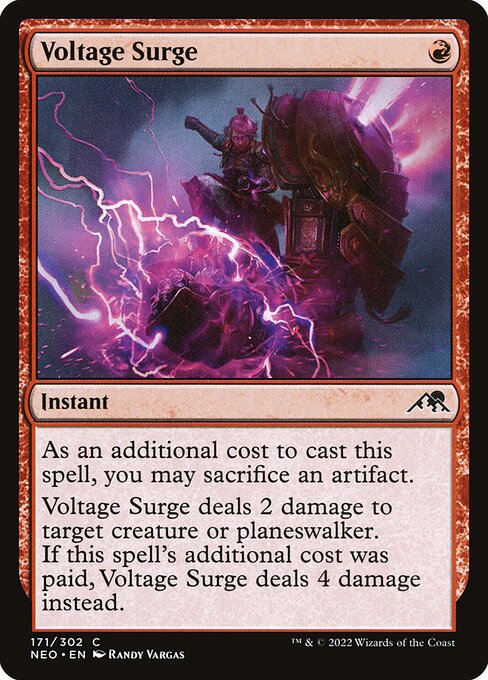
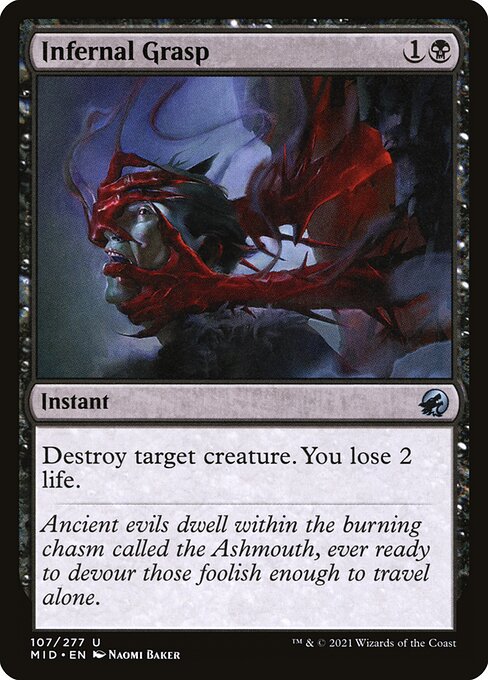
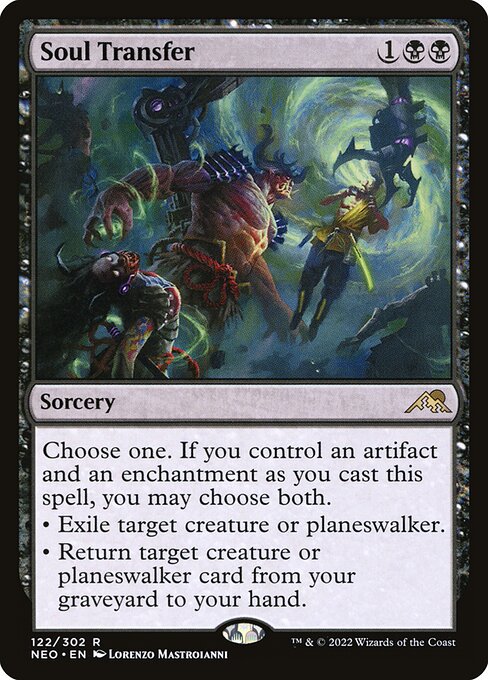
Voltage Surge, Infernal Grasp, and Soul Transfer (and Bloodtithe Harvester) are this deck’s removal package. Surge and Grasp are very efficient, but Soul Transfer gets around death triggers and recursion, and you’ll often have an artifact and an enchantment in play for the two-for-one (Fable makes both with just a single card).
Finally, a pair of Sheoldred, the Apocalypse round out this deck. While not particularly synergistic, Sheoldred will end the game if unanswered, and is particularly good against white-based decks which can stall out the board and stabilize, but don’t have many ways to kill Sheoldred. Basically, Sheoldred is just so unreal it’s incorrect to not run at least two in any deck that can cast it.
Sideboard
2 Unlicensed Hearse: Graveyard hate that’s also a big body in the late game.
2 Reckoner Bankbuster: Excellent card for grindy matchups, it provides both pressure and card advantage.
3 Duress: For slower and more controlling decks with lots of non-creature spells.
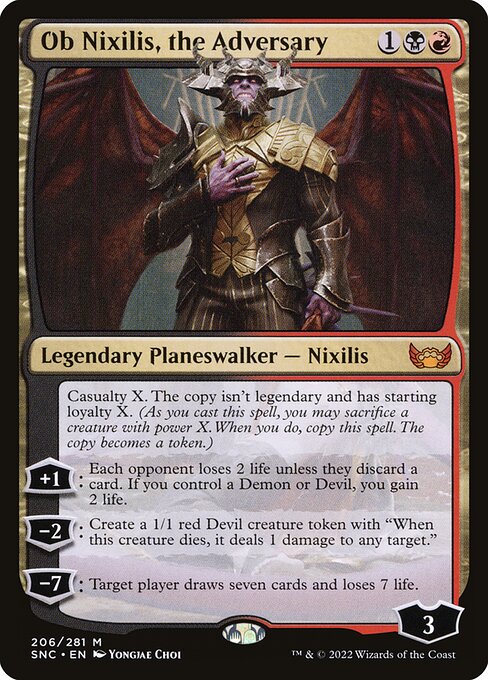
1 Ob Nixilis, the Adversary: For slower decks that have trouble getting Ob off the board, or decks with lots of one-toughness creatures.
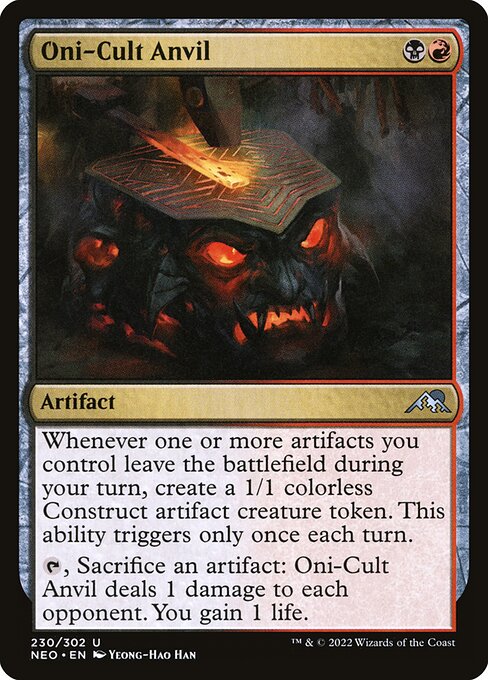
Something I bet a lot of you are wondering right now is why aren’t I running Oni-Cult Anvil? I will freely admit that Anvil is the best card for sacrifice decks printed since Cauldron Familiar + Witch's Oven and Mayhem Devil, and Rakdos Anvil is even one of the top decks in Alchemy right now. However, the reason I think that Oni-Cult Anvil isn’t good in Standard is two-fold.
First, the existence of The Meathook Massacre. While The Meathook Massacre is a great payoff for Anvil decks, it’s also an excellent counter to it. With such a high percentage of the metagame running 2-4 copies of Meathook, not only is pumping out a bunch of 1/1s significantly less impactful, this also makes having Meathook as a payoff for sacrificing creatures to Anvil less reliable, because if the opponent has a Meathook out too, the two Meathooks cancel out.
I’m not saying Oni-Cult Anvil is actively bad, it’s still by far not the worst thing to be doing in Standard, but running Anvil means running a whole host of other cards without a lot of raw power. This, combined with the fact that the reasons to be running Anvil are less persuasive after rotation, means I think sacrifice decks can do better by leaning into other synergies over Anvil.
If I haven’t convinced you, and you’re still dead-set on running Anvil, I’d run this list by misplacedginger, which he just top 8ed a recent MTGO Standard Challenge with.
This matchup tends to be slightly favorable because Liliana of the Veil isn’t very good against this deck, and this deck’s synergies mean it can grind well in the late game. The exact sideboarding in this matchup shifts some based on what exact list your opponent is running, but the most important thing in this matchup is making sure a Sheoldred doesn’t stick on the other side of the board, so if you see a lot of Sheoldreds, bring in more removal, and if you don’t, cut a bit.
This matchup is pretty close, but slightly unfavorable. What really matters is casting a good The Meathook Massacre, especially if your opponent has a Wedding Announcement or two. Otherwise, focus on getting chip damage early, and leverage your planeswalkers in the later game. Don’t play into The Wandering Emperor with your important creatures if you don’t need to.
This matchup is the best of the black-based midrange decks because it’s more creature and removal-heavy, and this deck is very resilient to removal and great at dealing with creatures. Your opponent has lots of ways to kill your planeswalkers without combat, such as Riveteers Charm and Unleash the Inferno, so don’t give up too much protecting them (especially Jaya).
Pressuring early is important because once your opponent reanimates and/or hard casts a big creature or two, it’ll be hard to get through. Be careful not to give your opponent a free discard outlet with Ob Nixilis, the Adversary, and look to set up a big The Meathook Massacre on your own creatures as your finisher, it’s one of the best sources of reach for this deck.
Be wary of The Elder Dragon War, but it’s hard to play around it while still putting your opponent under enough pressure. Game one this matchup is hard, but post-board it gets a lot easier.
This deck can switch between playing aggro, midrange, and even control. In the early game, two-mana 3/xs and Braids, Arisen Nightmare can put your opponent under a lot of pressure, and in the mid game your four-drops can take over. This deck has a lot of reach between Sheoldred, the Apocalypse, Ob Nixilis, the Adversary, and The Meathook Massacre, so if you get a lot of chip damage in the early game your opponent will have a hard time stabilizing. If the situation arises, you can always use your cheap creatures and removal to stall out the game, land a big The Meathook Massacre once your opponent overextends, and then take over the game from there.
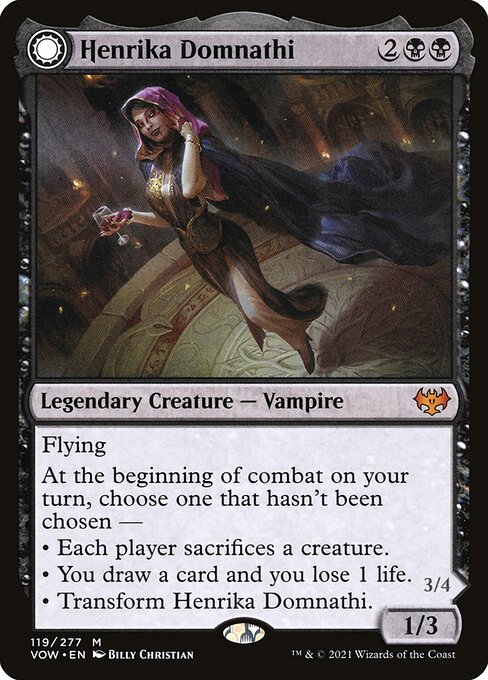
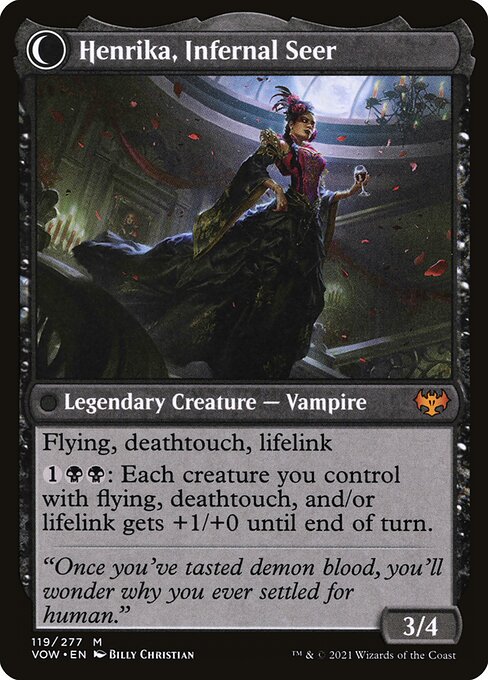
This deck has a lot of edict effects, so you should almost always be trading off your weaker creatures for your opponent’s weaker creatures. If you do, the opponent will be forced to sacrifice their most impactful creatures to Henrika Domnathi, Invoke Despair, or are forced to let you draw off of your Braids triggers.
Pay attention to when your Unlucky Witness is dying. If it gets sacrificed on your end step to Braids, Arisen Nightmare, or you chump block in combat, you’ll have an entire turn cycle to play the cards you hit, but if you sacrifice Witness on your turn, you’ve only got until your end step to use the cards.
Braids, Arisen Nightmare can sacrifice any permanent type, so if you’re flooding out, you can always sacrifice a land, and if you’re going to legend rule a The Meathook Massacre, might as well sacrifice the first one. If you need guaranteed damage, you can always sacrifice a planeswalker, like a copy of Ob Nixilis, the Adversary as it’s unlikely the opponent can (or will, even if they can).
Jaya, Fiery Negotiator only deals damage once you attack, so if you tick down Jaya and your opponent kills one of your creatures pre-combat, you could end up wasting the downtick.
The Meathook Massacre is more than just a wrath, you can play it on turn two for X=0 just to be a Blood Artisteffect, or use it to wipe your own board to get those last few points of damage in. If your opponent also has a The Meathook Massacre in play, on your turn their Meathook triggers will resolve first, and during their turn yours will resolve first, so it’s possible to kill or die to Meathook triggers even when both players have one in play, despite the fact that in the end the damage does cancel out.
If you have multiple Reflections of Kiki-Jiki in play, you can copy a reflection which can then immediately tap itself to create a huge board – a 2/2 for each mana invested. You can use this on your opponents end step to create a large board to attack with the following turn, and is most useful when you have The Meathook Massacre in play because you’ll trigger it for each copy of Reflection that dies on your end step.
You can sacrifice tokens made with Reflection of Kiki Jiki in your end step – just make sure to order the triggers correctly so that the reflection doesn’t sacrifice itself before Braids, Arisen Nightmare can.
End Step
Rakdos Sacrifice is a strong contender in the current Standard Metagame, with virtually no bad matchups and an excellent grindy gameplan.
If you have any questions or comments, feel free to let me know through the MTG Arena Zone Discord, or message me on Twitter. Thank you so much for reading, good luck in your games, and may your The Meathook Massacres be 5-for-1s.
Premium
Enjoy our content? Wish to support our work? Join our Premium community, get access to exclusive content, remove all advertisements, and more!
No ads: Browse the entire website ad-free, both display and video.
Exclusive Content: Instant access to all exclusive articles only for Premium members, at your fingertips.
Support: All your contributions get directly reinvested into the website to increase your viewing experience!
Discord: Join our Discord server, claim your Premium role and gain access to exclusive channels where you can learn in real time!
Special offer: For a limited time, use coupon code L95WR9JOWV to get 50% off the Annual plan!
Omri Khaykovich is a 17-year-old MTGA grinder whose competitive interest in Magic sparked in 2019. He plays every format on Arena competitively, and is a fan of Pioneer and Modern as well. Omri is one of the youngest players ever to hit #1 Mythic, and loves to share his knowledge about his favorite decks with others.