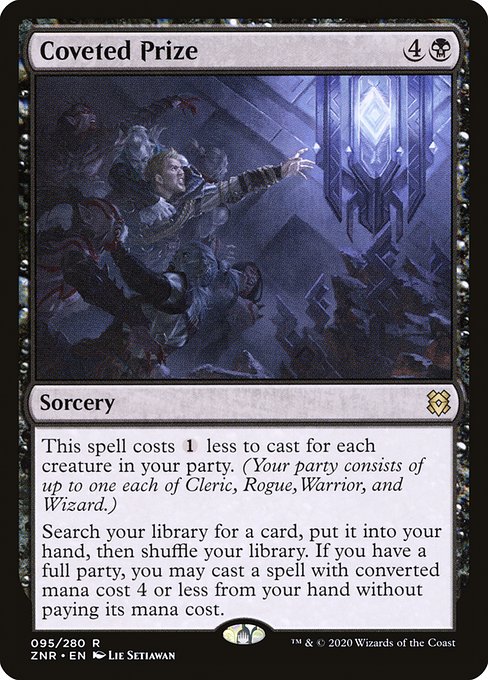
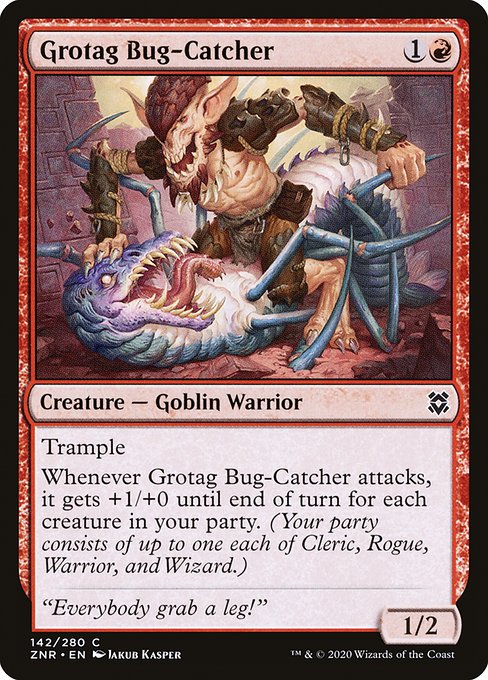
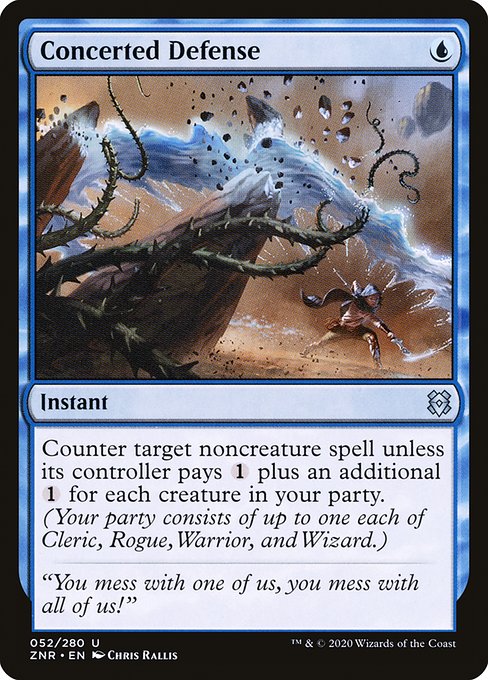
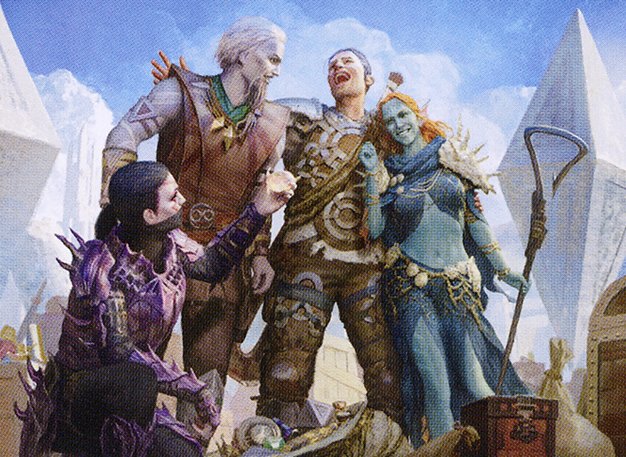
Welcome back to Fun & Jank, and boy, do I got a deal for you! 2 Party decks for the price of one!
When the Party mechanic first debuted in Zendikar Rising, it brought a clever concept to the table: rewarding decks for assembling a “full party” of Clerics, Rogues, Warriors, and Wizards. While the flavor was top-tier, its execution left much to be desired. It was designed primarily at a Standard or Limited power level in mind (duh!). The mechanic struggled with consistency, as finding and maintaining all four creature types in play was challenging, especially in formats with heavy removal. The payoff cards often felt underwhelming, and the mechanic lacked the flexibility and raw power needed to compete with faster, more streamlined strategies in eternal formats. Party was a fun idea, but it quickly became a case of “cool in theory, not so much in practice.”
Until your good ‘ol pal Plum decided to work his magic.
When I started brewing around the party mechanic, I quickly realized that most of the cards explicitly referencing it are a trap. Many of them feel underwhelming unless you consistently have a full Party—and even then, the payoff often doesn’t justify the setup. The key to unlocking this archetype wasn’t about forcing the mechanic to work; it was about ditching most of those dependency-driven cards altogether.
What clicked for me was focusing on good creatures that happen to be Warriors, Rogues, Wizards, or Clerics. Instead of designing the deck around the mechanic, I built strong, synergistic decks that could stand on their own. Once I had a solid shell, I sprinkled in the best cards that capitalize on the Party mechanic without leaning on it too heavily. This shift in perspective made all the difference—now the deck’s foundation is powerful, and the party mechanic acts as a bonus rather than a crutch.
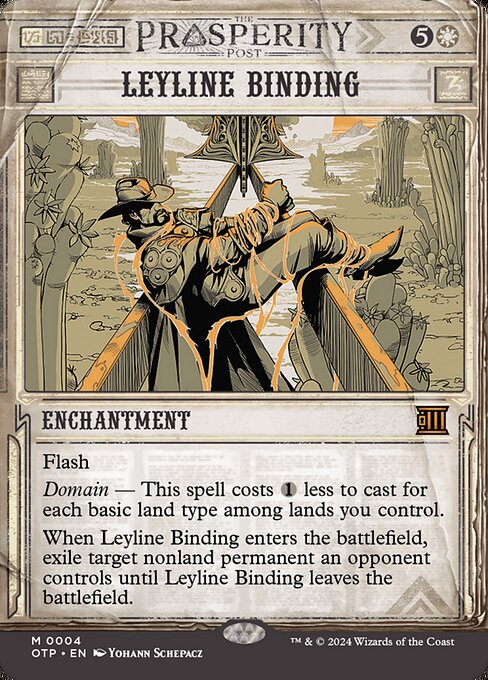
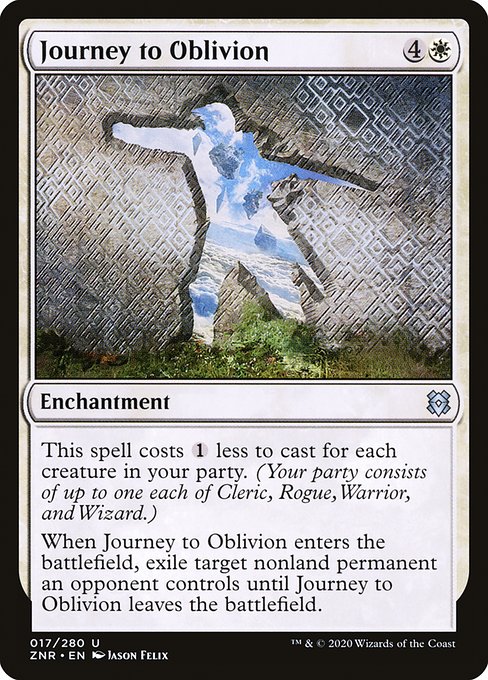
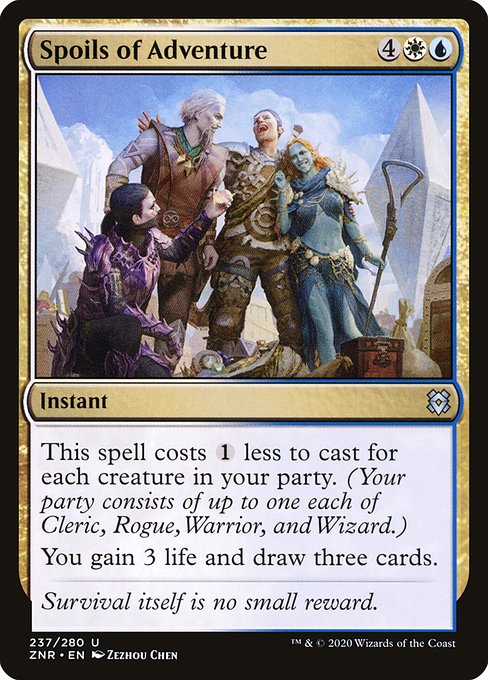
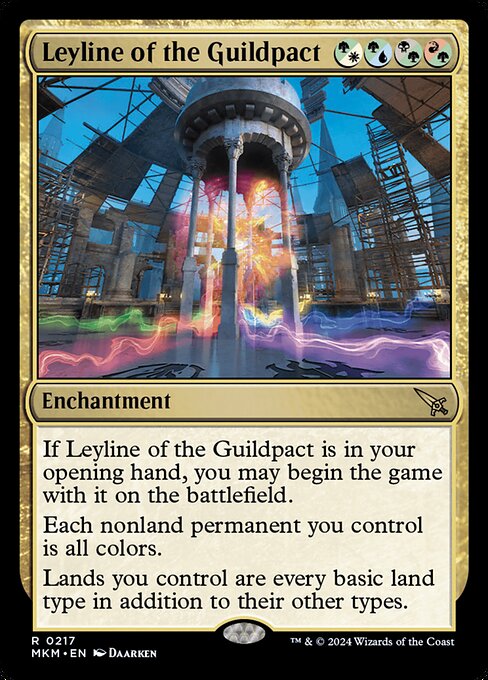
The lists for this week actually spawned from my odd, yet intense desire to play Journey to Oblivion as copies 5-8 of Leyline Binding in a Beanstalk shell. I also happened to realize that Spoils of Adventure was kind of hot with Beans too. So I ended up sinking myself into the Party mechanic right away as we started brewing. We have two lists we’ll be talking about here. The first being exactly what I just described. Domain Party Beans, which is basically just 5c good stuff, and a sweet Mardu shell that it gave way to.
I sat on stream and went through every creature with a mana value of 3 or less (I also thought I could fit in Collected Company) that was a Warrior, Cleric, Wizard, or Rogue. Then I added all the ones that I thought might be playable to a list, and then went through each of them individually to find the ones we liked the most.
So with the Beans/Leyline core we mentioned above and our suite of creatures picked out, we ended up with this first draft on stream.
(Brewer’s Tip: If you have too many cards to play, just add Yorion so you can play them all!)
Like I mentioned above, we realized that the decks have to be good on their own, with or without a full Party. If we focus on trying to play bad cards to make worse cards better, we’re going to fall behind in terms of both power and speed. Relying on a full Party makes your deck clunky and inconsistent. It forces you to run bad cards just because they fit a specific role, and you’re often left holding unplayable hands because you drew the wrong mix of party members. By the time you assemble your dream team, your opponent has already beaten you down with good cards that don’t care about thematic synergy.
That’s the trap. You don’t want a deck that needs a full Party to function—you want a deck that’s already strong on its own. The party mechanic should be a bonus, not the backbone.
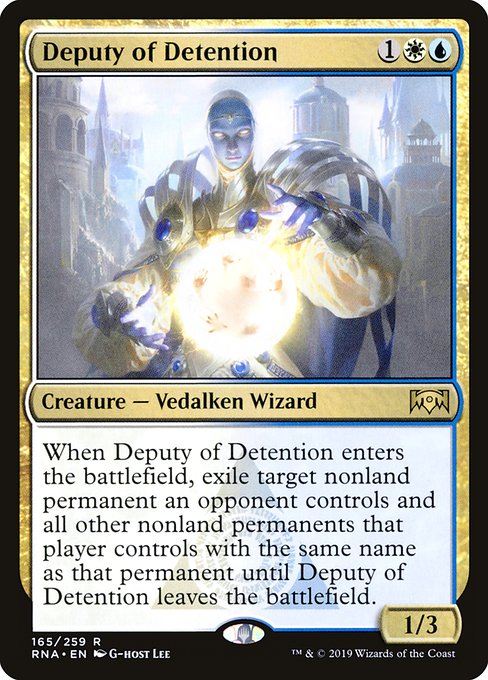
This is the philosophy behind our list. Instead of forcing bad cards into the list just to check the “Cleric” or “Rogue” box, we’re playing strong, independently good creatures that happen to fit the Party archetype. Cards like Brazen Borrower and Deputy of Detention aren’t in here because they’re Wizards or Clerics—they’re in here because they’re strong cards that do something powerful on their own. If they happen to help reduce the cost of Spoils of Adventure or pump Archpriest of Iona, that’s just gravy baby! We’re not sitting around hoping to assemble the Avengers. We’re applying pressure, generating value, and removing threats. If a full Party happens to come together along the way, fantastic! But if it doesn’t, this deck still hums along just fine, winning games without leaning too heavily on a gimmick. Once I saw that we had to stop trying to force the Party mechanic and start focusing on just playing good cards, I saw how much potential it actually has.
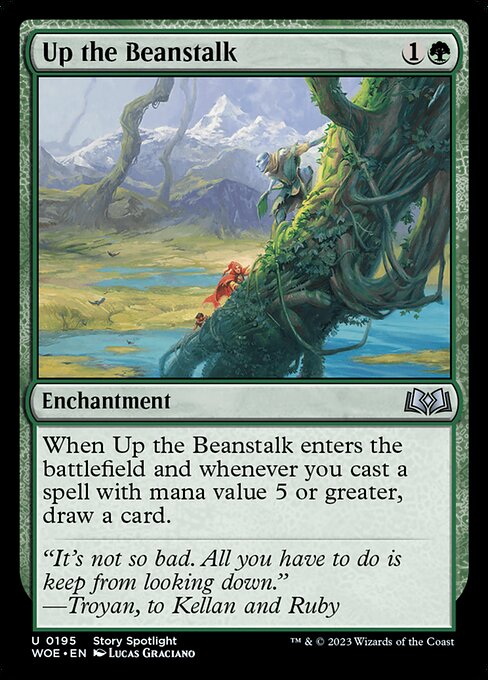
Let’s start with the glue that holds the deck together. Up the Beanstalk is an absolute powerhouse in a deck like this. With so many high-value cards like Leyline Binding, Journey to Oblivion, and even Spoils of Adventure, it turns almost every play into a two-for-one. Casting a five-mana spell and immediately replacing it is huge, especially when you’re playing a grindy midrange deck that wants to make every card count.
Once the Beanstalk hits the board, the game shifts heavily in your favor. Your opponent can try to race you, but you’re drawing cards and staying ahead while they burn through their resources. And because the deck is packed with removal and efficient threats, clawing your way back into games feels almost inevitable.
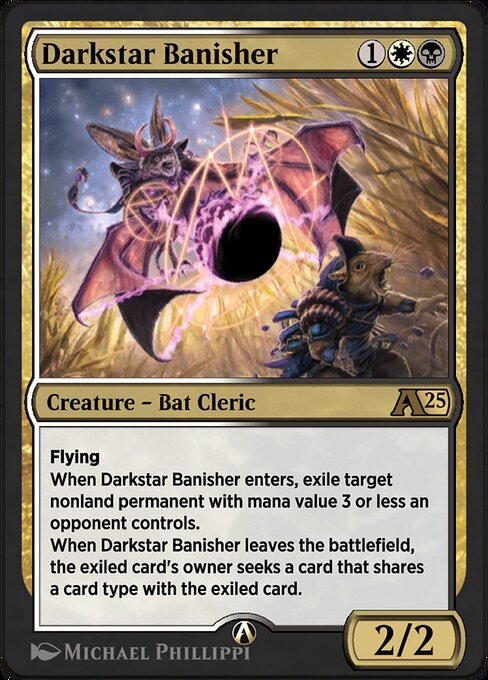
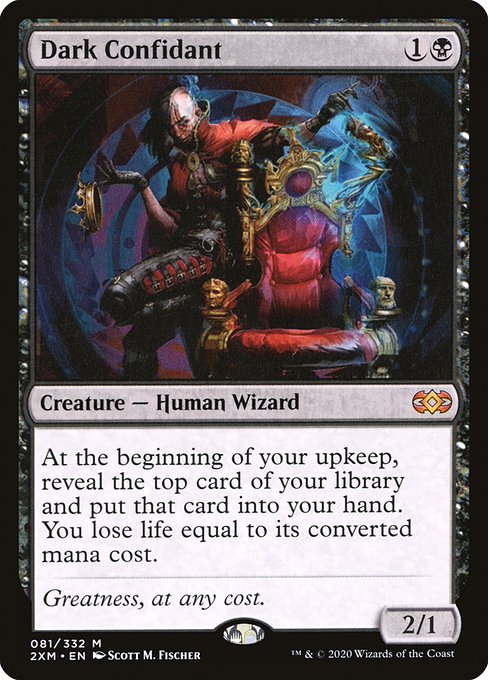
The creatures in this deck don’t need no Party to shine. Cards like Darkstar Banisher and Deputy of Detention pull double duty as interaction and threats, while Archpriest of Iona and Dark Confidant (yes I know how much it’ll hurt us) keep the pressure up and your hand full. Even without a full Party, each creature holds its own, whether it’s attacking, blocking, or generating value.
And let’s not forget about the bonus synergy when you do assemble a full party. Cards like Spoils of Adventure and Archpriest of Iona suddenly become absurdly efficient. One of the most impressive things about this deck is its resilience. Even if you fall behind early, the combination of Up the Beanstalk, efficient removal, and strong creatures makes it easy to claw your way back into the game.
I want you to check out this game against Mono-R Resonance to see what I’m talking about. (1:06 vs Greasefang, 1:50 vs Life Gain, and 3:03 vs Goblins are fun matches too!)
There were many such games on stream where we had our back against the wall, and we brought it back to clutch a win. With 8 pieces of such efficient and versatile removal backed up by Beanstalk, we can outvalue almost any other deck.
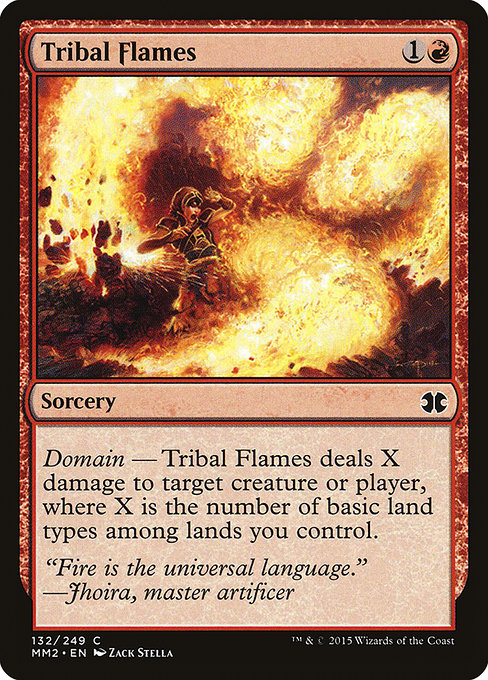
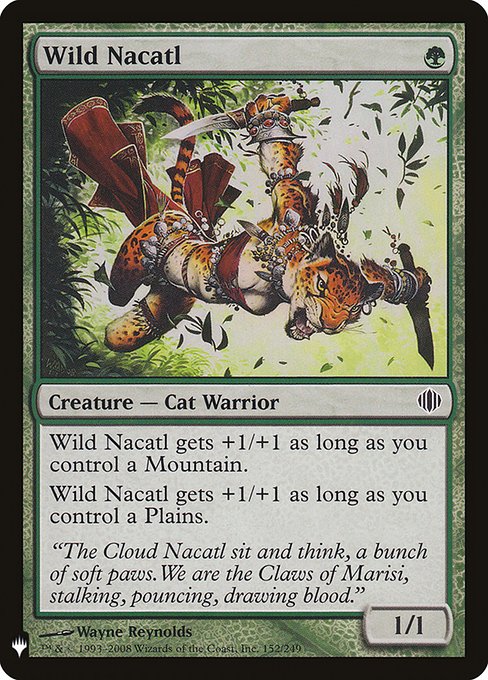
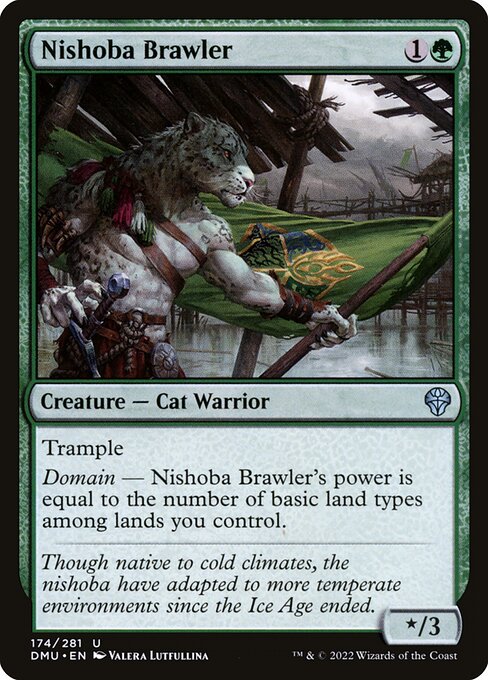
When I first started putting this deck together, I had visions of grandeur. I wanted to lean heavily into the Domain mechanic, with Brawler and Wild Nacatl taking up the warrior slots in our Party. Tribal Flames seemed like incredible removal/reach along side Journey and Leyline Binding. Domain sounded good on paper, but in practice, it couldn’t pull its weight. The package made the deck a little too clunky and the creatures I picked were better suited for an aggro shell, not midrange. We dropped down to just a Domain mana base for Leyline Binding, but shifted our creatures to ones that could provide better value. Sometimes less is more, ya know?
This deck did great on stream, and we ended the night with 71% win rate:
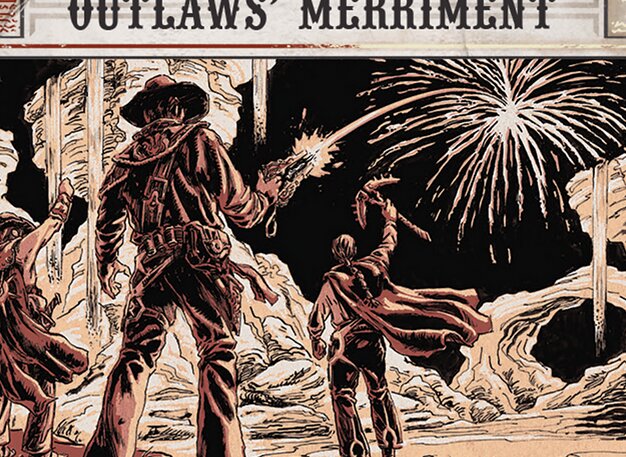
A few of us in chat were brainstorming some other ideas for the mechanic towards the end when someone mentioned Outlaws' Merriment. While the Beans list shines with its grindy value and card-drawing engine, sometimes you just want to get the party started a little faster. I wanted to try a different archetype, aiming for a leaner and meaner take on the mechanic that trades the slow grind for aggressive beats and relentless pressure.
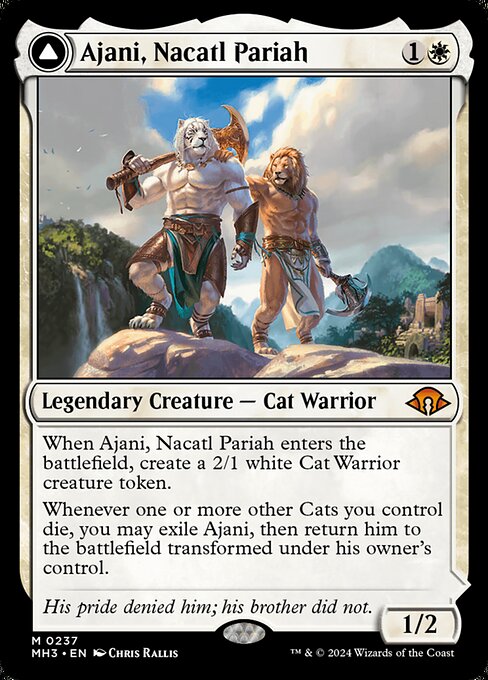
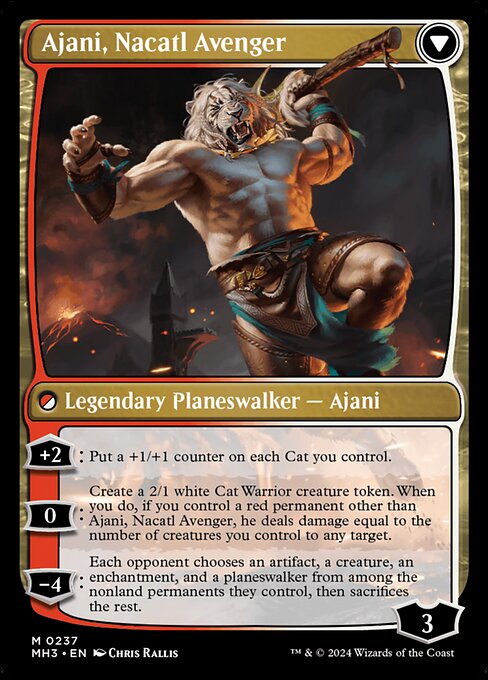
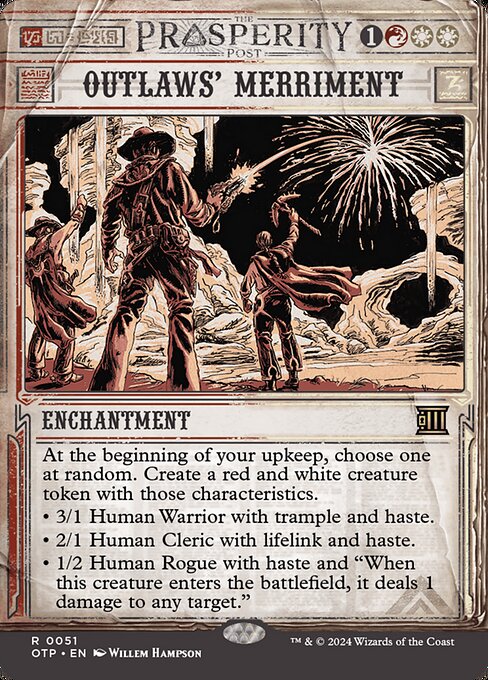
Merriment is a one-man party engine. It makes 3 out of the 4 creature types needed on its own while providing constant pressure. We were also trying to figure out how we could get Ajani to flip more consistently, and the fact that it and its tokens were red made it seem like a addition. So off-stream I started designing a smaller, more aggressive Party list. Cutting Binding and being lower to the ground let our mana base be more consistent too.
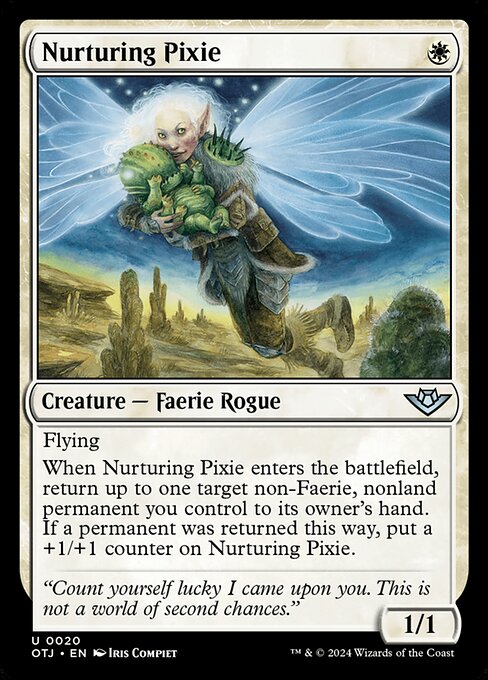
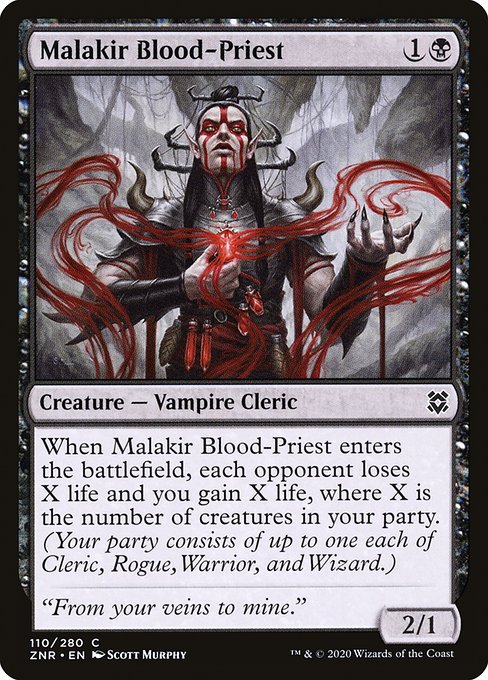
Now I know I said that most of the Party cards should be ignored. But we found a way to bring a few more into a Mardu Shell and actually be good. Blood-Priest has been incredible, even just draining the opponent for 2 on curve has been solid, but when we combine it with our new Rogue, Nurturing Pixie, it can be a Lightning Helix on a stick in the mid to late game.
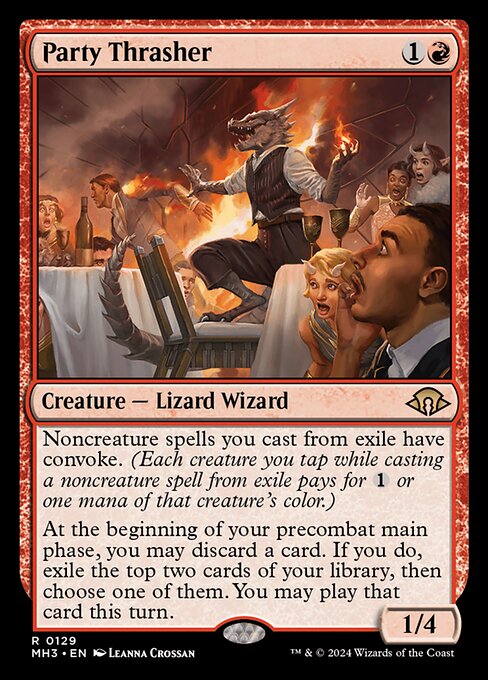
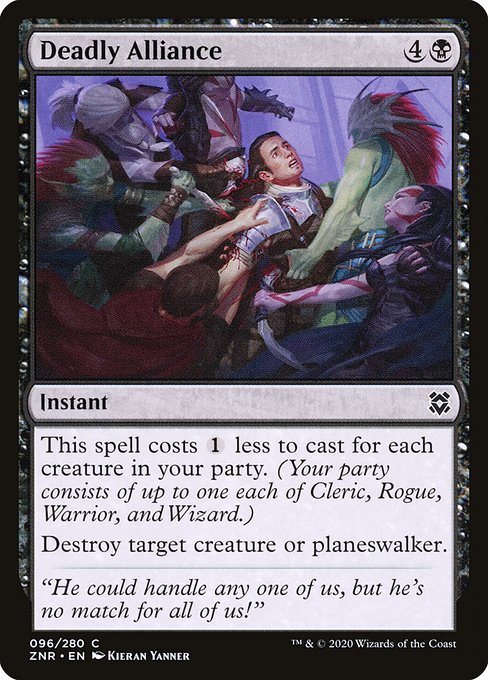
Not having Beans anymore allowed me to experiment with more interesting options for card advantage, Dark Confidant and Party Thrasher (very on brand). Thrasher letting us cast Journey or Deadly Alliance for cheaper without needing a full Party has proven to be a highly valuable synergy as well. Sprinkle in the core creatures from the original list and boom! We got a brew!
I like how clean our main board looks. This is much faster than the 5c version, but can still grind pretty well too. The early game is all about slamming threats like Bloodsoaked Champion and Ajani, Nacatl Pariah to start pushing damage. Acquisitions Expert adds disruption to your opponent’s hand, making it harder for them to stabilize, while Malakir Blood-Priest can swing life totals in your favor when the Party is assembled.
Mid-game, you pivot to leveraging Party Thrasher and Outlaws' Merriment to keep the pressure high. At this point, you’re looking to overwhelm your opponent with value. If the game drags on, Journey to Oblivion, Deadly Alliance, and Mutavault give you staying power. Your recursive threats make it difficult for control decks to stabilize, and your removal package ensures that midrange and aggro opponents struggle to maintain board presence.
Just like before, we’re not forcing the Party mechanic here either. They’re just good creatures that get better if happen to get a full Party up and running.
Strengths and Weaknesses
Strengths:
Resilience: With recursive threats like Bloodsoaked Champion and powerful grind tools like Outlaws' Merriment, this deck can survive board wipes and removal-heavy matchups.
Tempo and Aggression: The curve is low, the threats are efficient, and the removal is cheap. You can put opponents on the back foot quickly and keep them there.
Versatility: This deck can pivot between aggression and grind depending on the matchup, making it hard for opponents to predict your game plan.
Weaknesses:
Bad Matchups: While the deck has tools to fight longer games, it can struggle against decks that don’t rely on permanents to win. Spell based aggro like Wizards or Persist reanimator combo decks are very tough game 1.
Lack of Explosiveness: Unlike some other aggressive archetypes, this deck doesn’t have a lot of ways to close out games suddenly. It relies on steady pressure rather than big, game-ending plays.
Here’s some gameplay of Mardu Party:
I’m having a lot of fun with the Mardu shell and the win-rate has been okay so far. I think with some fine tuning it can be quite viable as an off-meta choice for the ladder.
Closing Thoughts
So yeah, I think Party could have some real legs in the format. I honestly wasn’t expecting the decks to perform very well. But I’ve more than impressed. These two decks couldn’t be more different in how they approach the Party mechanic. One is a methodical midrange engine, drawing cards and grinding value over time. The other? A straight-up brawler, looking to overwhelm opponents with quick aggression and efficient threats. Together, they show that the Party mechanic can be both versatile and surprisingly effective when built right. Both of these Party decks—whether it’s the grindy value engine of the Domain list or the aggressive, synergy-driven Mardu approach—are a testament to the value of revisiting old ideas. The Party mechanic was dismissed by many as underwhelming when it was first released, and for good reason. But time, new card releases, and a fresh perspective have shown that even the most overlooked mechanics can shine in the right shell.
Magic: The Gathering is a constantly evolving game. Cards that seemed mediocre when they were first printed can suddenly find a home as new pieces slot into place. Revisiting old decks and concepts is like digging through your attic—you might find something that once seemed unremarkable but now has the potential to be extraordinary. So, the next time you’re stuck in a brewing rut or feeling uninspired, try revisiting an old deck or archetype. Dust off that janky pile you gave up on years ago and see what the latest sets have to offer. Sometimes, all it takes is one or two new cards to turn a forgotten idea into a deck that’s competitive and fun!
Thanks for reading.
As always feel free to comment and leave any questions you have below! Make sure to come back next week for even more Fun & Jank!
If you want to see these decks in action, come hang out with me on stream where we test, refine, and have a ton of fun together!
Happy Brewing!
Premium
Enjoy our content? Wish to support our work? Join our Premium community, get access to exclusive content, remove all advertisements, and more!
No ads: Browse the entire website ad-free, both display and video.
Exclusive Content: Instant access to all exclusive articles only for Premium members, at your fingertips.
Support: All your contributions get directly reinvested into the website to increase your viewing experience!
Discord: Join our Discord server, claim your Premium role and gain access to exclusive channels where you can learn in real time!
Special offer: For a limited time, use coupon code L95WR9JOWV to get 50% off the Annual plan!
Plum is the creator of the Jank Tank.
He started playing at the ripe old age of 12 and immediately fell in love with the infinite possibilities that deck building could lead to.
He truly understands that jank is a mindset, and spends most of his free time brewing and concocting new and exciting deck lists to help inspire and promote creativity within the MTG community.