Standard Mono Red Aggro (Red Deck Wins): Deck and Sideboard Guide
A rule engraved in stone. Whenever a format rotates, RDW will be there to crush the competition. Learn how to play the new RDW iteration in this strategy guide including sideboard guide + Bo1 and budget versions.
Bloomborrow has brought a new Standard; with it, one of the MTG truths is again crushing the competition.
Old wizards know this, however, if you have been playing Magic for less than three years and this is your first Standard rotation let me tell you that every time a new set makes Standard rotates, Mono-Red is always there to gatekeep new brews and separate viable decks from fun ideas.
The reason is easy to understand. While many try to develop new archetypes and make new cards work, Mono-Red packs the most aggressive cards at our disposal punishing new inconsistent decks and archetypes that are still trying to figure out their best composition.
Kensuke Sato performed fantastically with this archetype in a 462-player tournament held in Japan. Like many other archetypes, Mono-Red lost amazing pieces like Kumano Faces Kakkazan, however, Bloomborrow brings tools good enough so the Mono-Red rule remains true.
Let’s analyze together what makes this decklist cohesive and consistent to get a fantastic result in a wild environment, as a new post-rotation standard.
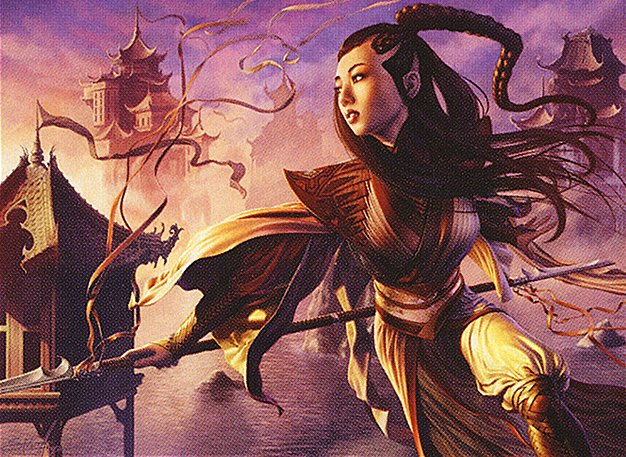
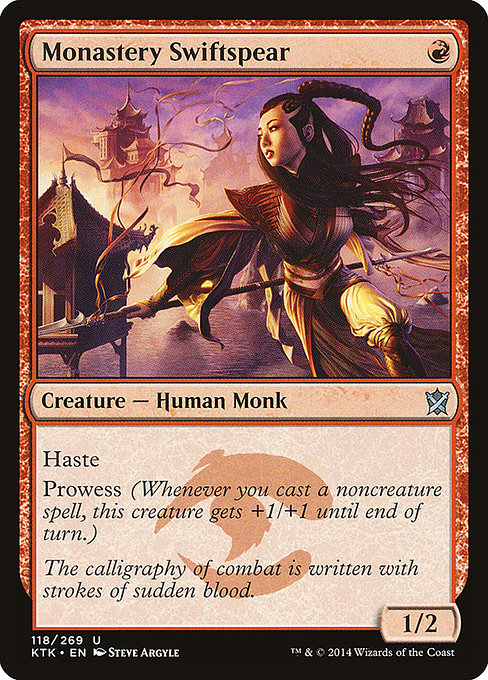
Monastery Swiftspear It’s an old acquaintance. This creature is a staple in Red-centric aggressive strategies in every format where it’s legal. One hit while playing an Instant is more than enough for this card to make it worth it.
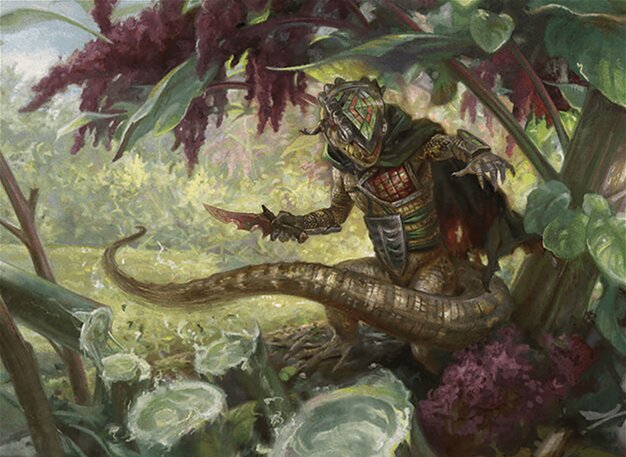
The trick came when Kensuke had to choose another one-mana creature to pair Monastery Swiftspear with. Cacophony Scamp, Heartfire Hero, Phoenix Chick, or Frantic Scapegoat are valid options. Some of them had been part of some older Mono-Red iterations. However, one new lizard was chosen for our minimum requirement of 8 one-drops.
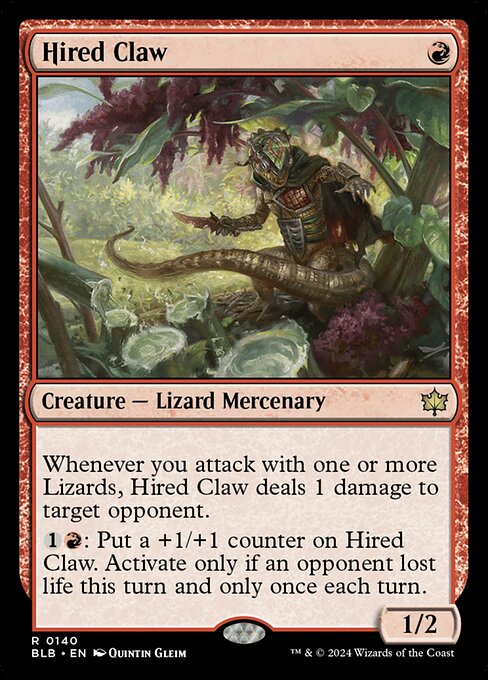
We don’t need to play more lizards to make Hired Claw do its job. Being a 1/2 that pings while attacking has benefits over being a 2/2. There will be many scenarios where you can attack with this creature and kill your opponent even if they have blockers. Plus, having a mana-sink ability that lets us use all our mana every turn while making this creature bigger, is extremely valuable. Making this lizard valuable during all game stages makes it better than almost any other one-mana options.
As a rule, you prefer to play Monastery Swiftspear over Hired Claw. You can make some exceptions depending on the number of instant spells you draw.
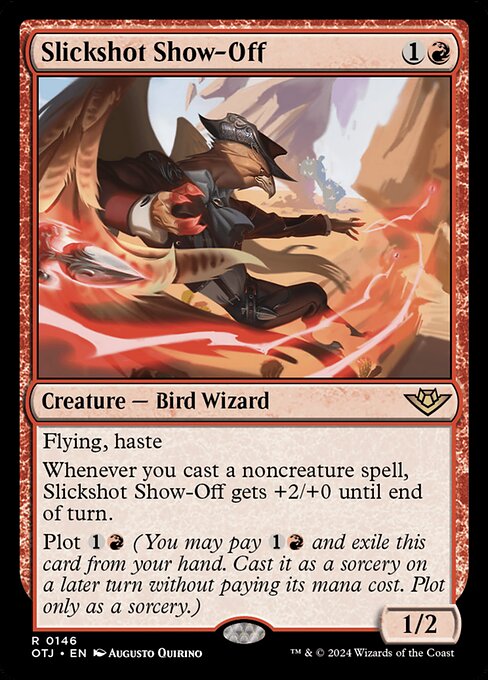
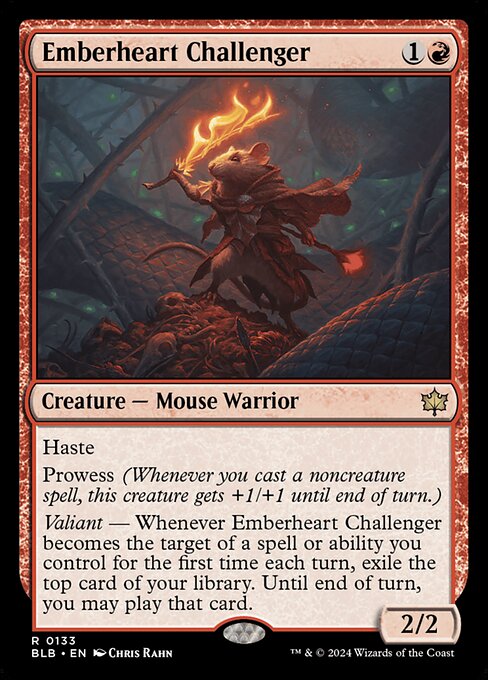
Almost every creature in this deck has Haste. Combining Monastery Swiftspear + Emberheart Challenger Prowess and Slickshot Show-Off pseudo Prowess with our instant spells lets us kill our opponents quickly enough to make them don’t have a fourth turn.
Slickshot Show-Off is a fairly new card released with Outlaws of Thunder Junction, nevertheless, it’s strong enough to push many Red-centric archetypes to make room for four copies in multiple formats. This will be your main turn 2 creature.
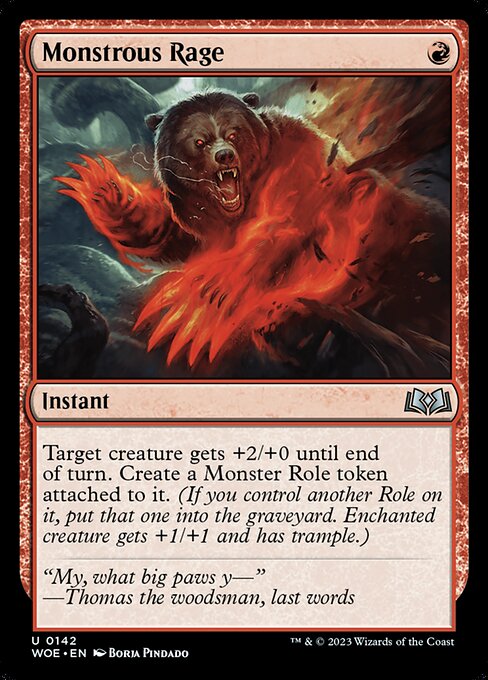
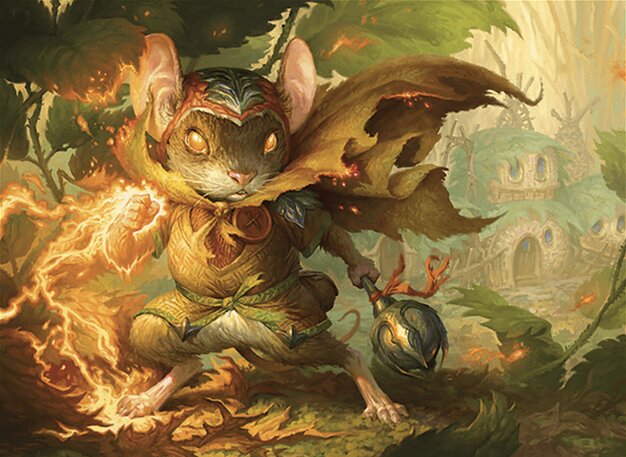
Speaking of new cards, Emberheart Challenger is one of my favorite mice from Bloomborrow. 2/2 Haste, Prowess is more than a fair deal. Adding its Valiant ability makes it a great deal. Targeting this mouse with Monstrous Rage gives us gas without losing aggressiveness.
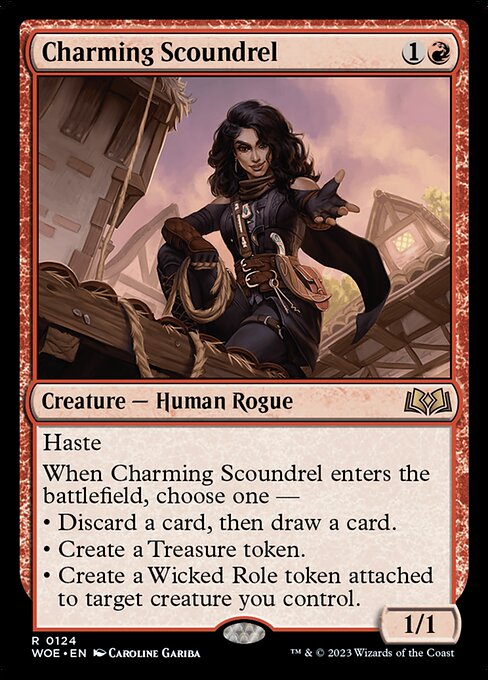
In the same regard. Charming Scoundrel is a Swiss knife that can give us card selection, a Treasure token, or another Wicked Role to keep up the beat. The best choice between these two creatures falls into having or not something to play targeting Emberheart Challenger.
Two cards in this deck make our strategy inevitable. With this, I mean that there are some things that our opponents can try to do to stop us from killing them as soon as possible like gaining life, or playing board sweepers but, thanks to these cards, those plans will not work unless they have direct responses to them.
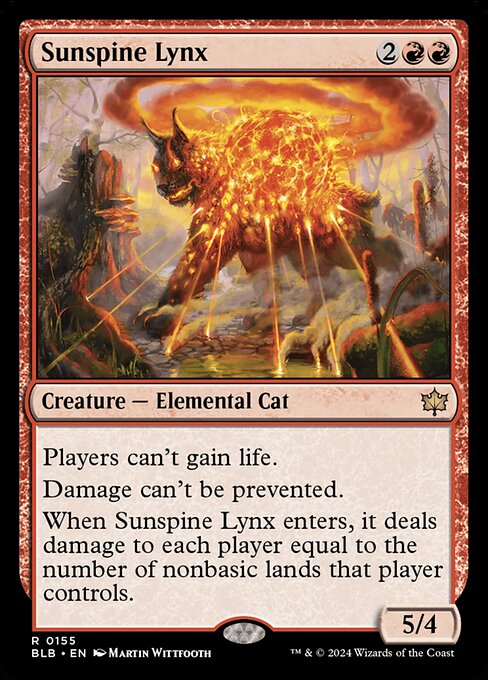
When Bloomborrow was released I didn’t see Sunspine Lynx as a powerhouse. Nevertheless, the more I saw it in action the more I became a believer. 5/4 with “Players can’t gain life.” and “Damage can’t be prevented” seems good, but when you realize this cat deals 4-6 damage when enters, you start wondering about playing the full set in our mainboard.
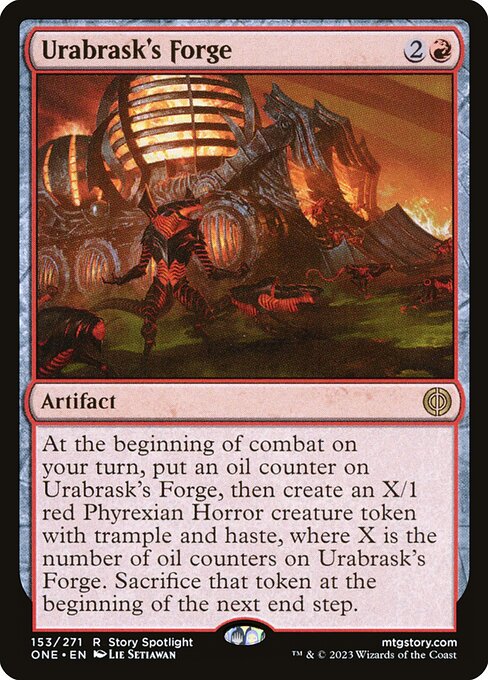
Urabrask's Forge has gained terrain month after month as one of the best standalone Red cards in the game. As I said, it doesn’t matter how many removals your opponents play, if they can’t destroy this artifact they will face a race against it, and most of the time, it is a rabbit against a turtle.
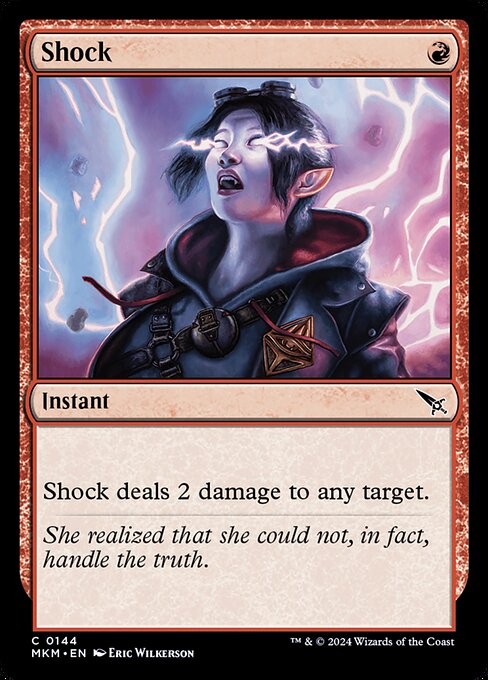
Our last spells are not complicated to explain and are the ever-present direct damage spells. Losing Play With Fire was sad, but the trusty Shock is there to deal the same amount of damage for the same amount of resources.
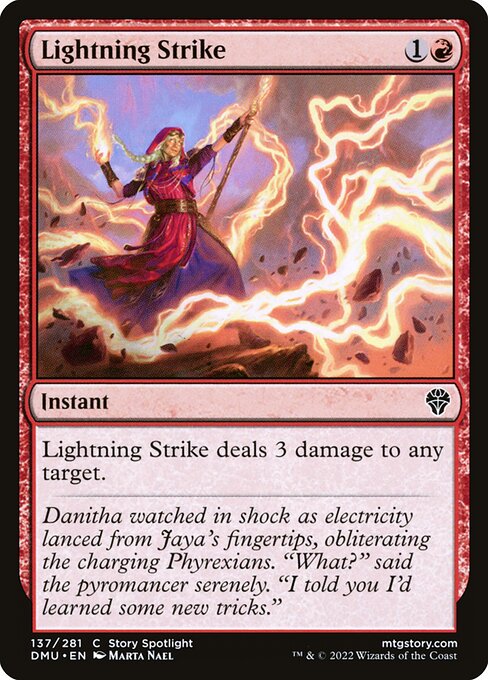
Lightning Strike has many years of being legal, and dealing 3 damage for 1R in Standard is not bad. These spells will pump our Prowess creatures, but Monstrous Rage is our prime spell for maximizing combat damage. It’s a +4 or +5 power for one Red-mana so, decide carefully where you will put it if you have more than 1 creature swinging for a combat phase.
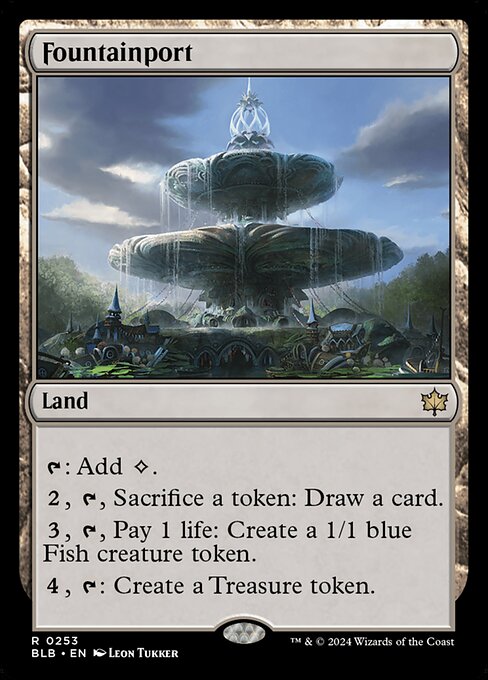
As many of us expected, Fountainport came to replace Mirrex in many decks where all the options Fountaport offers became a better choice than a rainbow-mana of Mirrex. This land is good enough that Kensuke plays a second copy in his sideboard. We will talk about when to play it a little bit later.
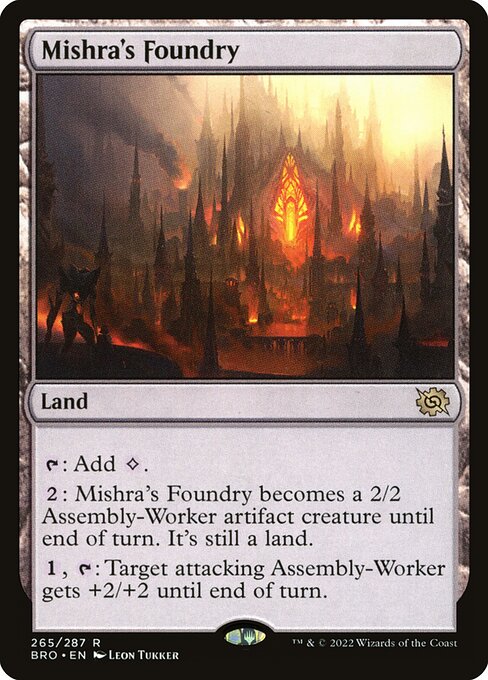
Mishra's Foundry has been a Mono-Red staple since its release. Transforming it is not as cheap, and our old good Mutavault, however, the 1, T: “Target attacking Assembly-Worker gets +2/+2” became a nice trick. With four mana and two Mutavault, you can attack with two 2/2 Mutavault, with five mana and Mishra's Foundry, you can attack with a 4/4 Mishra's Foundry. Doing this is an upside on some occasions. Always think about it.
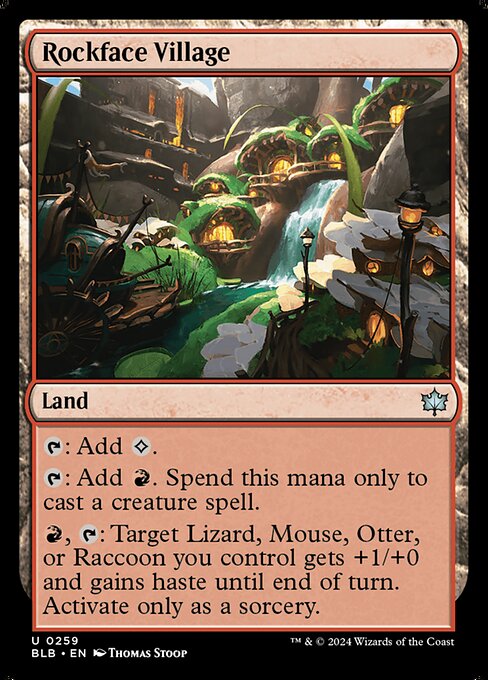
Village lands are good enough that you may play them in decks like this one. We only have Hired Claw and Emberheart Challenger, but pumping one of them and giving Haste to Hired Claw at the right moment could be the difference between winning and losing.
Sideboard
Please insert at least one card name. Click edit to add cards
Besides extra copies of our cards, artifact removal, and board sweepers that are self-explanatory, we have to talk about our Planeswalkers.
Curiously, the metagame is developing into a lot of midrange-control decks. Many unexpected ones if I must say. I didn’t expect the 4/5-Colors Domain to survive without New Capenna triomes. Boros is using a lot of Lightning Helix, and Orzhov and Golgari are stepping hard into the new environment; all this plus UW Control is now showing signs of knowing how to attack the early stages of this meta.
With all this said, tools for playing attrition matches and longer games are needed.
Jaya, Fiery Negotiator +1 and -1 abilities are our one-two punches for keeping up in a 12 rounds fight like UW Control, and Koth, fire of Resistance +2 lets us speed up finding mountains for don’t fall short against midrange. The -3 lets us kill any big creature threatening our life total or impeding our smaller creatures from attacking.
Given the nature of this format, most of the time midrange and control decks are the ones that have to make adjustments. However, Kensuke’s list plays three copies of Urabrask's Forge, an artifact that tends to be slow against other aggressive strategies but a prime card against slower ones.
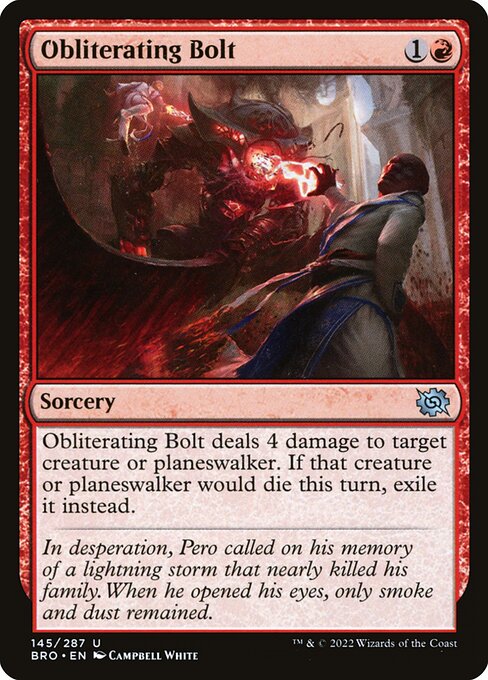
If you want to play the exact 60 of Kensuke’s list you will do fine. If you want a more aggressive approach like Bo1 demands, you can take out 2-3 Urabrask's Forge and 1 Sunspine Lynx for more copies of Obliterating Bolt, Monstrous Rage, or any other aggressive card you like. Having more removals goes best against a creature format like Bo1, and being more aggressive lets you outrace other aggro decks.
Instead of Sunspine Lynx we need a big creature that can have other applications instead of just being a big body. Two-Headed Hunter has been part of Gruul decks during the past Standard from time to time and it has proven to be a good card. A 5/4 Menace is hard to block, and the adventure part is great for targeting Heartifre Hero, and buff Electrostatic Infantry or Monastery Swiftspear.
Finally, we play 1 more Obliterating Bolt and 1 Witchstalker Frenzy. This helps us to let our creatures pass above big blockers without many troubles.
Hired Claw instead deals damage if needed even if our opponent has blockers, and Slickshot Show-Off may fly over the blockers and Deep-Cavern Bat would not be a big problem.
This was a surprising survivor. Even after losing New Capenna triomes, Domain remains one of the strongest contenders in this new meta.
Japanese pilots Ryuumei and Kensuke demonstrate once more that players from this country are some of the best deckbuilders in the world. Thanks to how our sideboard is built, we can transform this RDW into a Big Red without trouble. This let us decide when we want to be the aggressor or play taller as the occasion demands.
This new Standard format is full of surprises. Domain survives, Rakdos Lizards is overperforming, UW is not dead without The Wandering Emperor but one truth is constant; Mono-Red will be forever there to crush the competition.
I hope this guide, dear readers, helped you understand what Mono-Red is trying to do after rotation and how we can play against the decks that claim themselves as the strongest contenders.
There is still a lot to say in these first months before the new set, until then, if you have any comments about this or any other topic, let us know in this article’s comment section, in the MTG Arena Zone Community Discord, and on my Twitter.
Don’t forget that I have started providing personal coaching services for Magic the Gathering and Marvel Snap at $15/hour. If you want to contact me, look for me:
A full time MTG content creator. Started playing Magic in 99’ with the release of Urza’s Destiny, 3 times Grand Prix attendant (1 as a player ending #78 and 2 as a judge). Mexican, lover of coffee, Korean culture, languages and ex-LoL coach.
Follow me on Instagram, Twitch, or Twitter.