Hello my fellow Planeswalkers and true believers! I am The MTG Hero, and today I’m excited to bring you a Simic Aggro deck that I first mentioned back in my Week 1 Omenpaths Standard article. At the time, it caught my attention as a potential sleeper, but since then it has more than proven itself and just took down a 197-player online event!
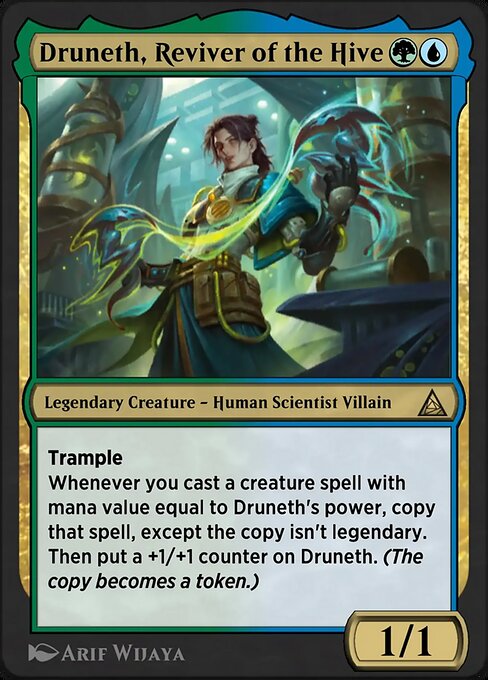
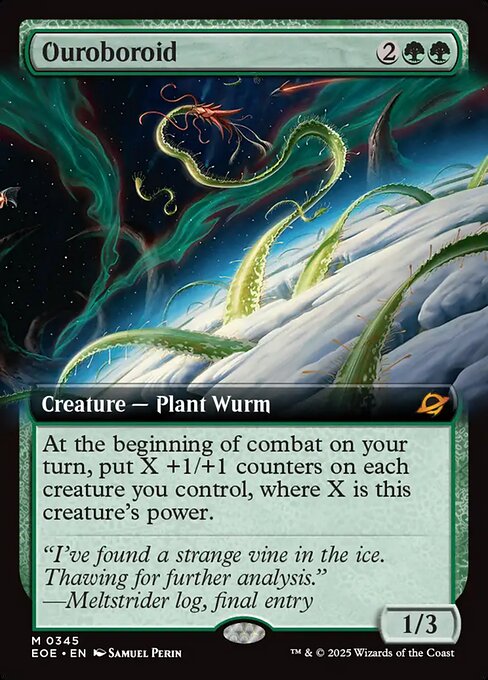
The deck is built around Druneth, Reviver of the Hive. With Druneth on the battlefield, you can copy your threats as long as their mana value matches his power. This ability generates absurd amounts of value and opens the door for some truly wild lines like doubling up on Ouroboroid for overwhelming board presence.
I originally stumbled across this strategy while climbing the Arena ladder, I was super impressed with the deck but only had a rough idea of what the skeleton of the deck looked like. Now that the winning list from that event is public, I’ve been able to refine my own 75 significantly, making leaps and bounds in testing and tuning.
The Winning List
The list that won the online tournament looks like this:
Please insert deck uuid. click the edit button for this block.
This deck is loaded with efficient threats and value engines. I had to laugh when I saw another site praising the “innovation” of running Hard-Hitting Question in the sideboard and three copies of Surrak, Elusive Hunter in the main because I was already doing that long before Omenpaths, and even mentioned it in my Mono-Green article! Still, I wanted to give this list a real test against my own builds, and I definitely learned a lot.
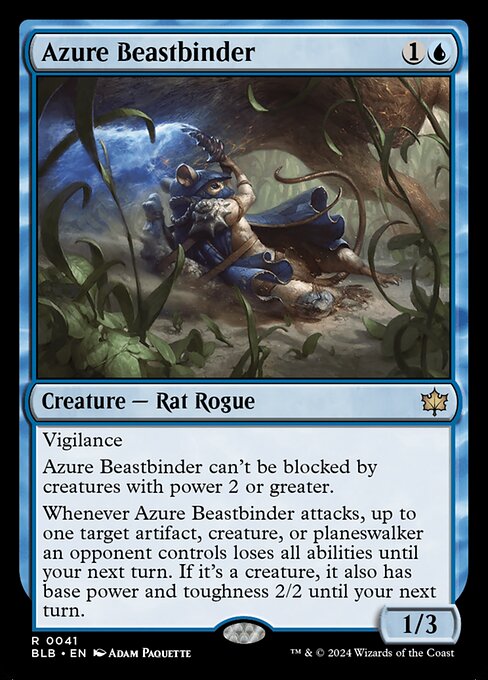
For starters, I’ll admit I didn’t even know Azure Beastbinder was a card. I had to burn wildcards just to test it. In my versions I was running Floodpits Drowner, under the assumption that copying it to tap down multiple creatures would be stronger than just shrinking them into 2/2s. But after playing games with this build, I realized something important: this deck isn’t trying to hold up mana or play at instant speed. It wants to apply pressure and smash. While tapping blockers might be technically “better” than weakening them, I would rather just play my threat and get the immediate value.
Azure Beastbinder also brings a surprising amount of versatility. It can shut down problematic artifacts from Jeskai Artifacts or disable “Izzet’s Cauldron plays, while its ability to affect planeswalkers means you don’t have to worry about Kaito, Bane of Nightmares tapping your threats or Elspeth, Storm Slayer clogging the battlefield with tokens. Needless to say, this card really impressed me, and I’m honestly shocked it hasn’t received more attention yet.
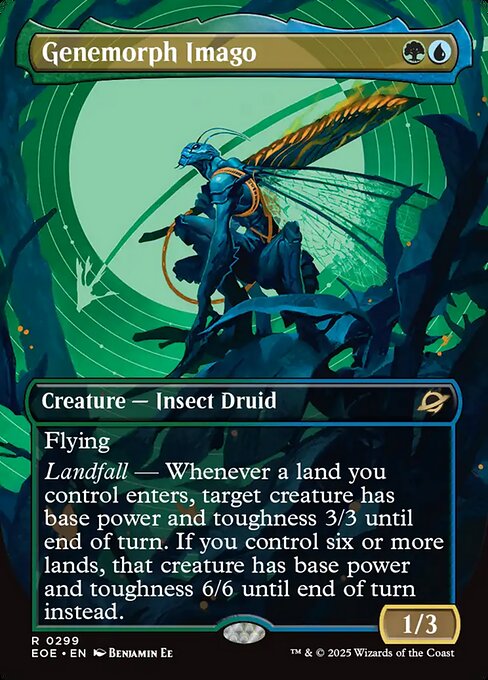
”Genemorph is fantastic. This is honestly a center piece of the deck. It’s ability to manipulate the base power of our creatures means that any creature can become a powerful threat. But it really shines when combined with Ouroboroid. This allows the wurm to give our board a buff equal to its new base power plus the number of counters already on it. Don’t think it will weaken the wurm if it has a pile of counters on it. It is always a plus.
Refinement
Next, I discovered an MTGO grinder that goes by air_vengeance who was having success with the deck. He was playing close to the same build but with a few updates:
Please insert deck uuid. click the edit button for this block.
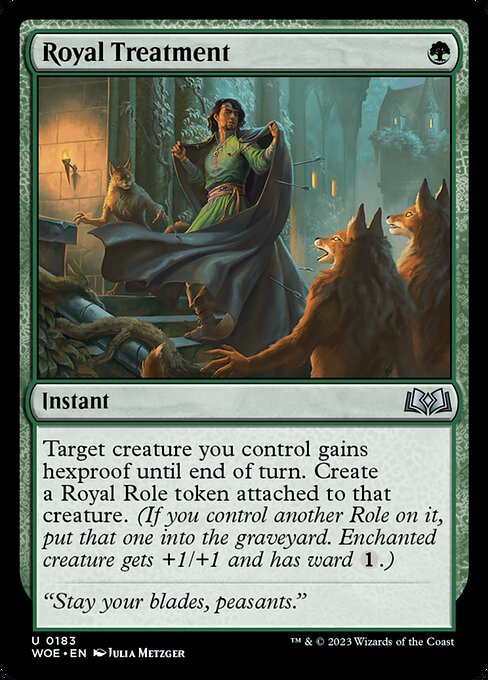
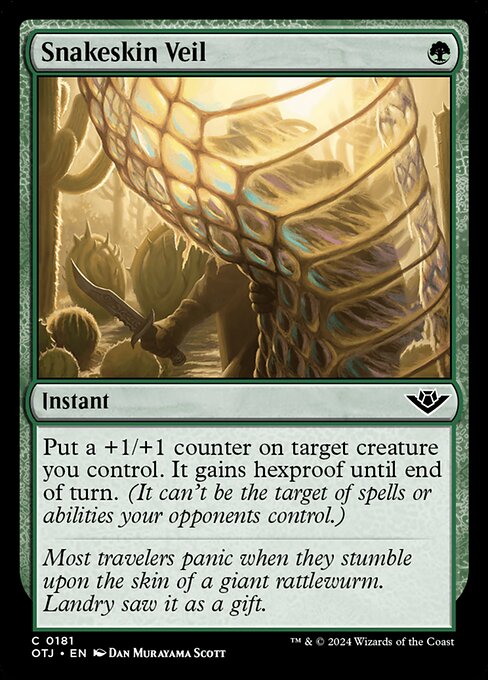
This deck feels noticeably more refined in my opinion. You can tell it has been played and tweaked from its base form of “just play 4 of everything.” One noticeable difference, and something I wondered about and even mentioned in my Mono-Green article, is the correct number and split between protection spells, namely Royal Treatment and Snakeskin Veil.
Royal Treatment is obviously much stronger, but if I need to protect the same creature twice, then Snakeskin Veil becomes much better since it adds another counter instead of the aura token just falling off. Snakeskin Veil also enables giving two creatures ward with the help of Innkeeper’s Talent, while Royal Treatment essentially lets me give a creature ward 2 with Innkeeper’s Talent. A 2–1 split feels correct and makes the most sense.
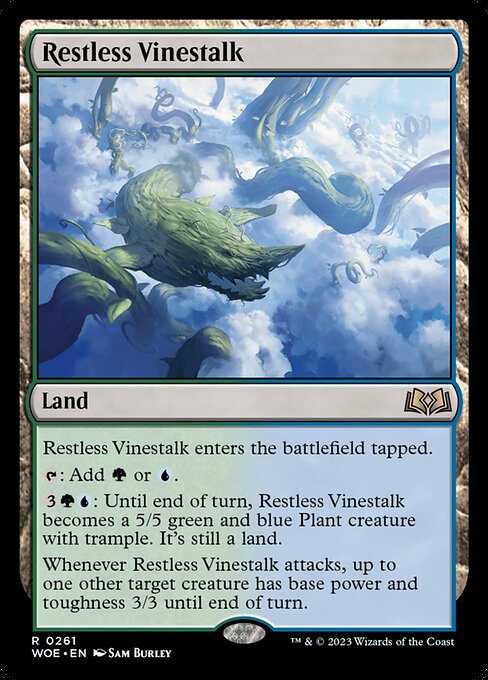
The inclusion of ”Restless is amazing. While I initially slept on this land, it is a 5/5 with trample. Putting counters on it is one of the most efficient things we can do and it definitely helps close out game in the mid-late game. The ability to change any creature’s base power is also a huge asset when attacking by making our creatures bigger, but also we can weaken opponent’s blockers.
The Deck
After testing both versions along with my own, this is what I ended up with:
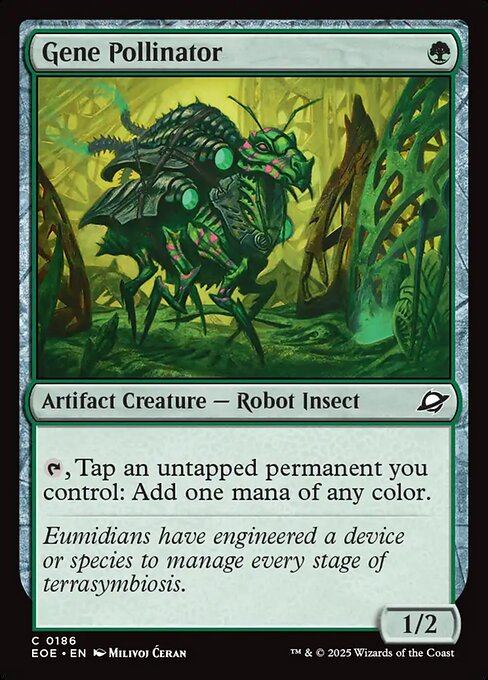
One of the biggest differences in my main deck is that I chose not to run Gene Pollinator, even though both other lists did. The reason is simple: I don’t like leaning too heavily on 1/1s. Too often you draw hands that look explosive on the surface but are actually just a pile of fragile creatures that get outclassed far too quickly. Since our curve is already low enough, adding more mana dorks just isn’t necessary.
I also increased the land count compared to the other builds. Without a reliable mana dork, you can easily stumble on development, and this deck really wants to start double-spelling consistently from turn three onward. A higher land count not only smooths things out but also makes it much easier to push Innkeeper’s Talent to level 3 and to activate Restless Vinestalk without issue.
I also initially cut ”Spyglass for other 1-drops but I quickly came to realize that the Map Tokens and Innkeeper’s Talent allowed me to manipulate the counters on Druneth without the need to curve my creatures plays out. Also just having a cheap flying threat to put counters on can quickly close out a game. So I will not be making the mistake of removing it again.
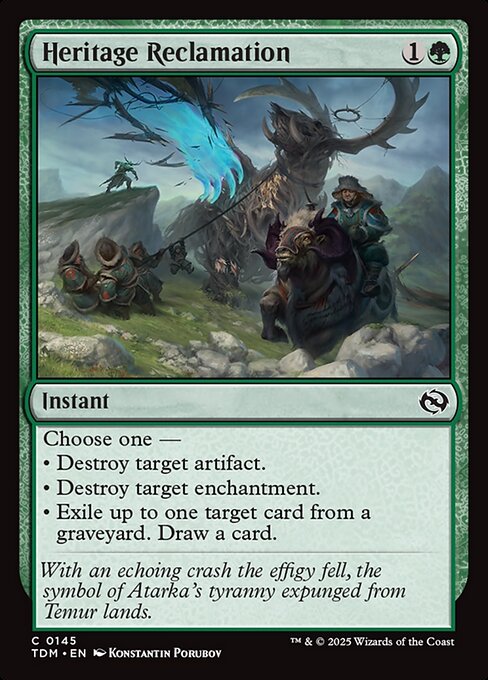
My sideboard is another area where I took a different approach. Instead of spreading out options, I focused only on the most efficient and impactful spells. While Scrapshooter can be tempting, Heritage Reclamation is simply too effective at what it does to pass up. On top of that, Vivien Reid provides this deck with excellent late-game reach against control decks, making her an easy inclusion.
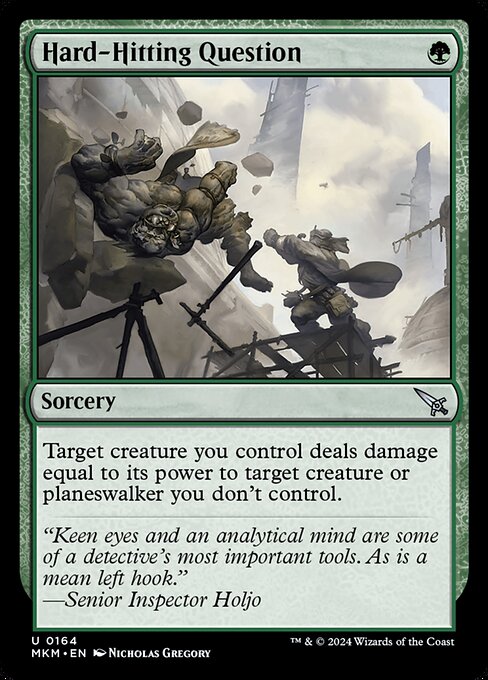
Hard-Hitting Question is still the best removal we have access to in our colors. I can see playing if you really want more artifact removal, but I think it is overkill and this is just the superior card.
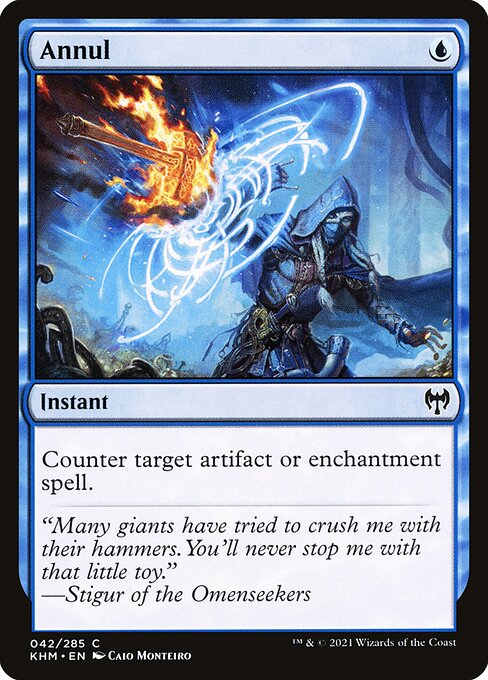
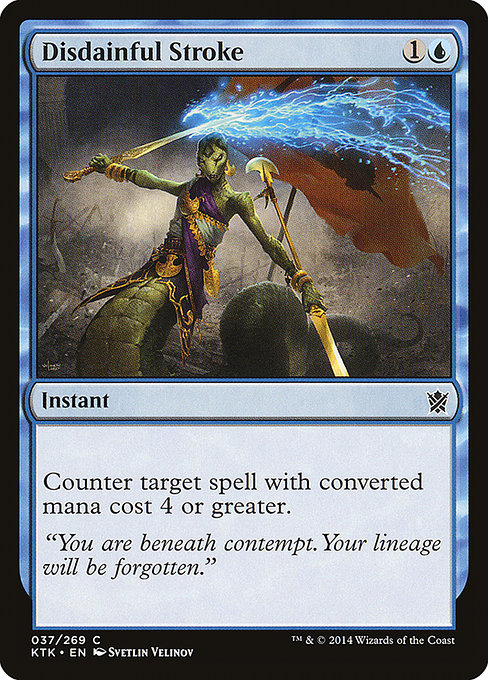
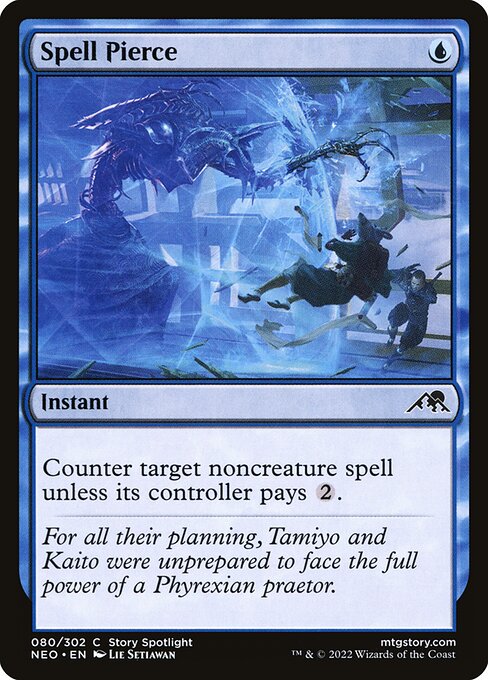
This is one of the best tech cards we have access to. Being able to counter Agatha's Soul Cauldron, Fear and Proft's Eidetic Memory is huge. It also has applications against UWX Artifacts and Mono White Tokens.
The biggest mistake I see players make with this deck is building or playing it as if everything revolves around copying creatures with Druneth, Reviver of the Hive. That mindset is a trap. Druneth is a powerful card that can absolutely amplify your plays, but he isn’t the centerpiece you should be banking everything on. Play the deck first, and let Druneth make good situations even better.
Another common misstep is holding back creatures in hand just to maximize potential copies. This is almost always the wrong approach. The only exception I’d consider is Pawpatch Recruit, because if you pay the offspring kicker, you can copy it on the stack and end up with two 2/1s and two 1/1s which is a huge value swing.
Finally, and most importantly: don’t concede too early. One of this deck’s greatest strengths is its resilience. It can claw back from seemingly unwinnable positions, so unless you are truly dead on board, keep playing. You’ll be surprised how often this deck finds a way back into the game.
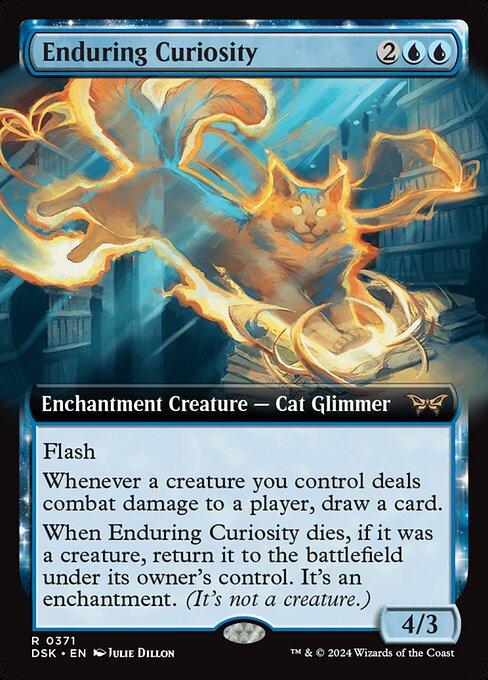
”Enduring is so tempting. But I don’t like playing too many cards that cost 3+. If I played a 61st card, this would be it. But I don’t think it is needed.
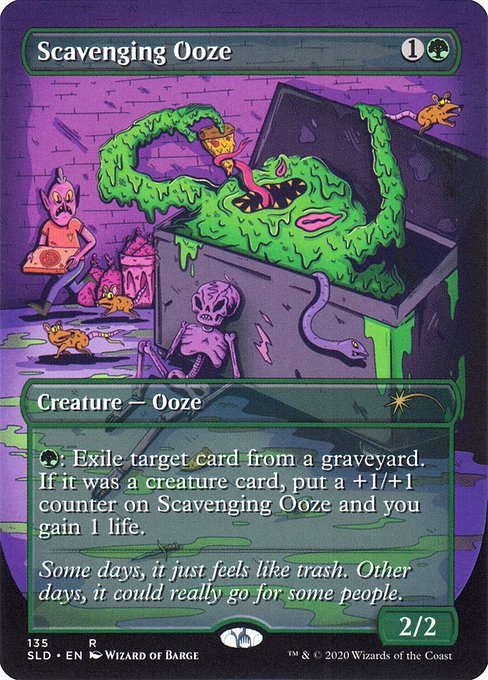
”Scavenging is good and tempting, but I just prefer ”Keen-Eyed right now. Especially since Keen-Eyed exiles for a colorless meaning hands that get clogged up with Verge lands can still be useful.
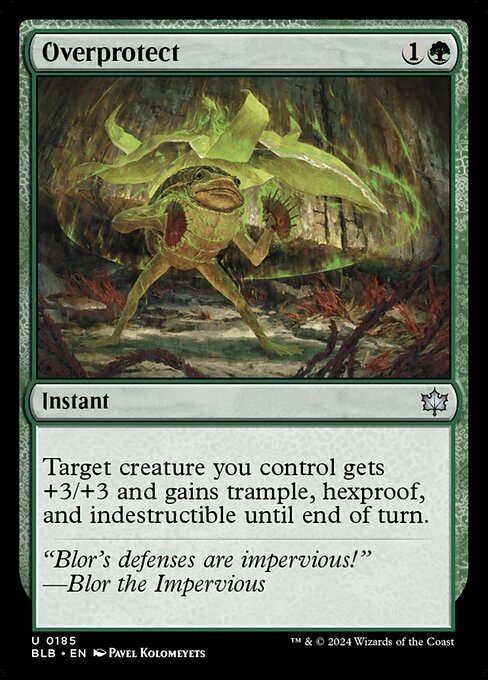
Speaking of… I love this card and it would be my 16th sideboard slot. But I think the other cards are just better even though this is a multiformat all-star.
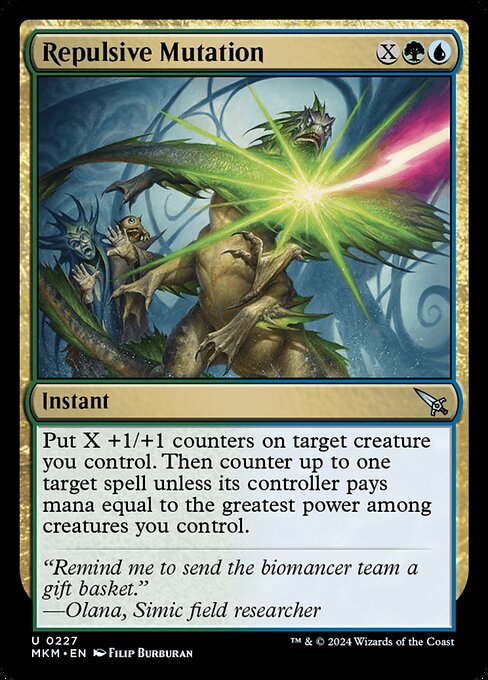
”Repulsive is a popular sideboard option. However, I had one or two instances of only having one creature that they removed in response resulting in me getting 2-for-oned. As a result, I will pass on it.
Casting Pawpatch Recruit and paying the offspring cost with Druneth, Reviver of the Hive on the battlefield not only doubles the Pawpatch itself but also triggers the offspring effect, giving you an extra swing of value. This is why Pawpatch Recruit is the only creature I’m willing to hold from turn 1 if it’s all I have and I have Druneth in hand.
You can also use Innkeeper’s Talent and the map tokens from Spyglass Siren to manipulate Druneth’s power, helping you get copies of your other threats.
Genemorph Imago changes a creature’s base power, which can be huge—for example, if you have Ouroboroid in play, altering its base power boosts the board by the new base plus the number of counters. Similarly, Restless Vinestalk adjusts base power, though only after attacks, so it won’t affect “start of combat” triggers. Don’t forget: you can also use these effects on your opponent’s creatures to weaken them and swing combat in your favor.
Wrap-Up
I absolutely love this deck, and it’s likely my number one pick going forward this season. Before Omenpaths, I considered the Mono-Green deck my strongest second choice behind a red aggro deck, but adding blue, and a meaningful payoff for doing so, addresses some of the issues the deck previously had and makes it feel much more powerful. I highly recommend giving this deck a try and seeing what it can do for you. Until next times Planeswalkers, Hero out!
My name is The MTG Hero. I have played Magic for over 15 years. I am a consistent high Mythic ranked player. Follow me on Twitch and subscribe on YouTube!