Hey all. While Modern Horizons 3 has just been released, bringing big changes to Historic and Timeless, the Explorer Qualifier Bo3 Play-In is this Friday June 14th, followed immediately by the Qualifier Weekend on the 15th-16th for those that qualify. I have been trying out a variety of decks over the past couple weeks to try to find any holes in the format or weaknesses that can be easily exploited, and honestly it has not been pretty. So let me give some of my thoughts on brewing in the format before diving into the deck that I’ll be using this Friday.
On Explorer’s Competitive Meta
Explorer is a very powerful format. While less powerful than Historic and Timeless on MTG Arena, it reminds me almost of how Modern felt back around 2014-2016 when I was playing that format a lot: There are a lot of powerful strategies that are very good at executing their game plan, and on top of that they execute their game plan very quickly.
What this means is that there is almost no time to “mess around” and play cards that are expensive, or clunky, or require a lot of other moving pieces to be powerful. Izzet Phoenix, Amalia Combo, Rakdos Vampires, Mono-Red Wizards, etc. don’t give you the time or breathing room to be doing anything less than optimal.
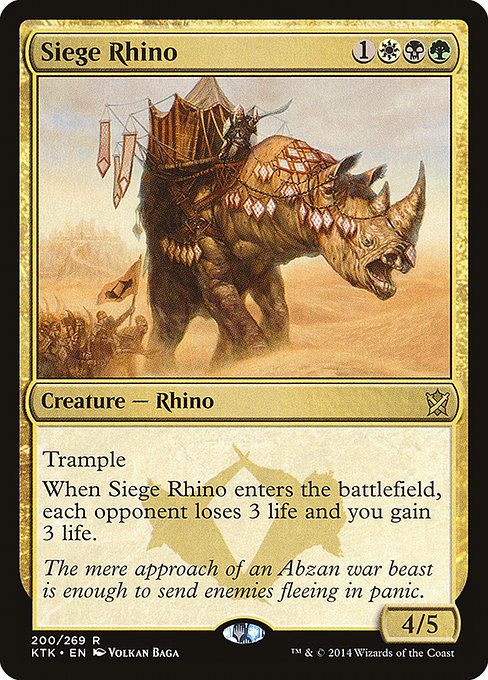
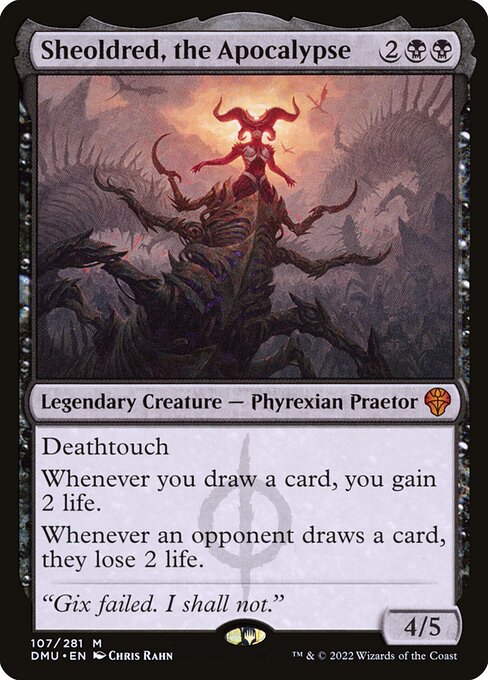
An example of this is Siege Rhino. While Siege Rhino was a card that dominated its Standard format, and saw plenty of Modern play for a couple years, Explorer is simply too powerful and fast to cast a four drop that is just good on rate. If you are casting a four drop, it needs to take over the game or put your opponent in a very difficult spot, like Sheoldred, the Apocalypse.
I’m a midrange player at heart. I love jamming removal spells and good creatures into a deck and calling it a day. But Explorer is very hostile to most midrange decks. Even Rakdos Midrange, once the premiere deck in the format, has fallen out of favor for Rakdos Vampires, which can play the midrange game while also having an “oops I basically win” turn 3 play built in. Midrange decks usually try to play the most efficient on rate cards and either one-for-one or two-for-one their opponent until they have the last card(s) standing to finish off the game. But the current meta makes it very hard to do that.
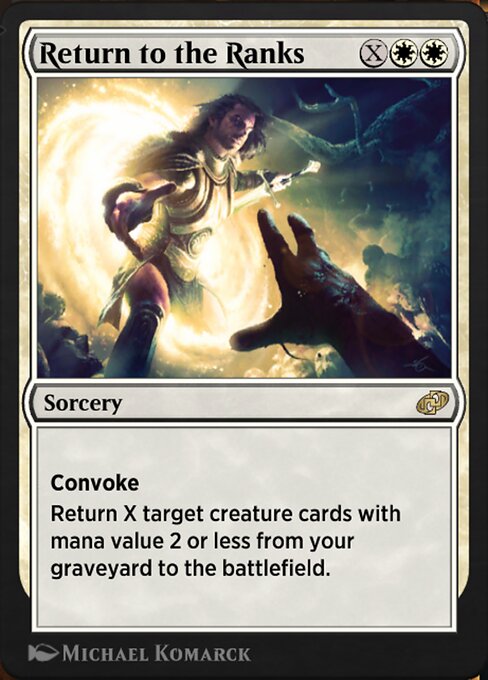
If you look at the top of the Explorer Metagame, it is mostly aggro decks, creature combo decks, other combo decks, and Azorius Control. The problem with a midrange strategy of trying to grind out your opponents is that all of those decks just top-deck really well, and can easily get back into the game. You can grind Izzet Phoenix down to no cards in hand and no cards on board, and then one Treasure Cruise off the top or a string of Opt like cantrips and they are bringing back their Arclight Phoenixs. Amalia Combo can top deck Collected Company or Return to the Ranks to combo you from nothing, etc.
So there is a huge tension in deck building where you need to play enough interaction to avoid dying to these aggro and combo decks, but also need to play your own clock to end the game before they can top deck out of it. In all of my deck building and testing for this event, I couldn’t quite crack the code for a midrange deck that accomplished this. The closest I got was this list for Jund Midrange:
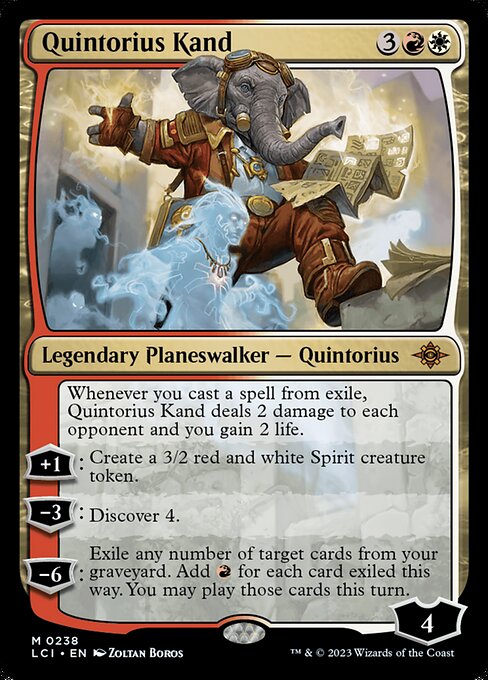
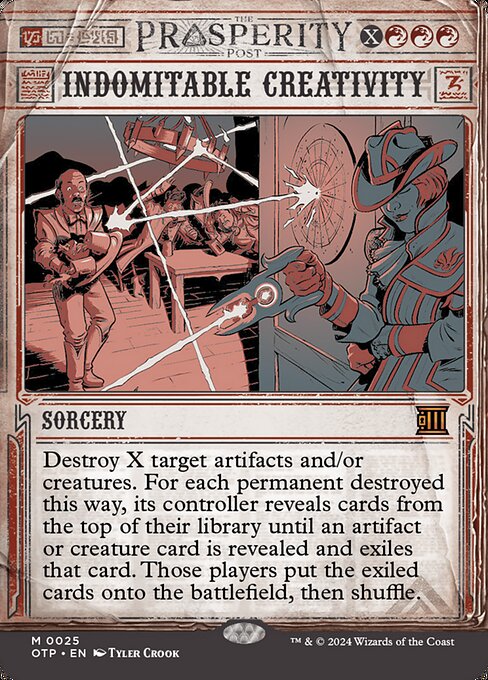
While I won’t go too in-depth, since this is not the deck I settled on for this Friday, this deck is looking to bring the power of the established Rakdos Midrange deck and add a few green cards to make our grindy matchups a bit better. However, as I discussed above, this format is not really about grinding. While this deck felt decent against the likes of Rakdos Vampires, and had enough interaction to answer Amalia Combo, I found myself too often getting punked out by the bigger combo decks like Izzet Creativity and Quintorius Combo, and struggling to keep up with Izzet Phoenix and close out the game before they could finish me off.
So I decided there were three ways to go with my deck brewing. The first was to just give up and play one of the established meta decks, trying to find a couple of spicy main deck or sideboard inclusions, but I love playing off-meta decks too much to do that. The second option was to play something more aggressive and try to go under the meta, but I think that the aggressive decks that already exist in the format are very well built and efficient, so I was unlikely to find something else that worked better. The last option was to try to go bigger and to play some sort of control deck that can try to disrupt the opponent and prevent them from executing their own game plan.
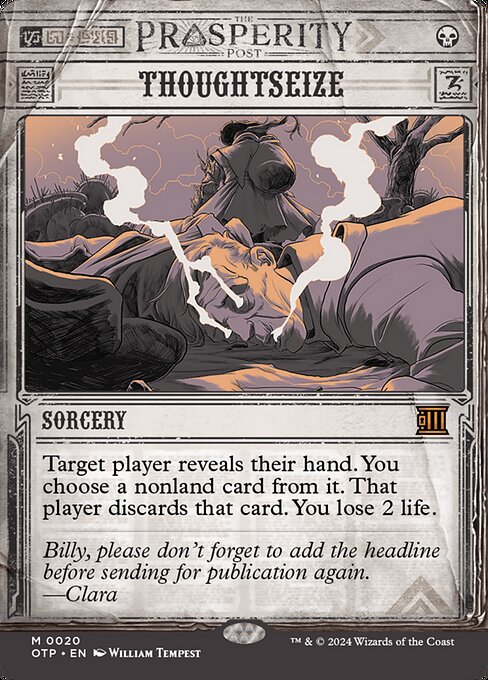
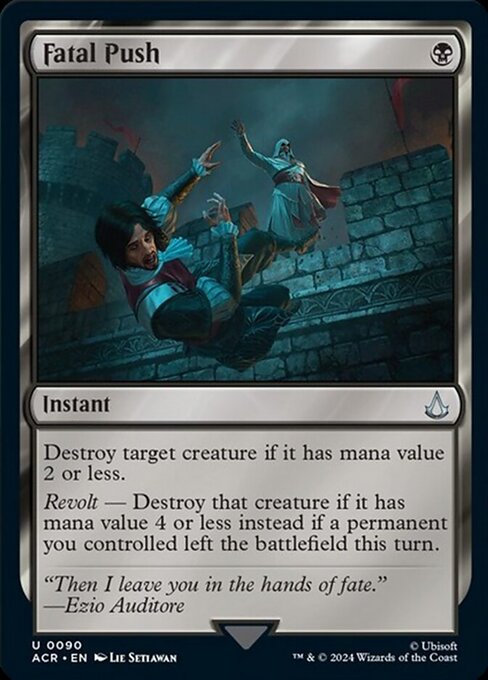
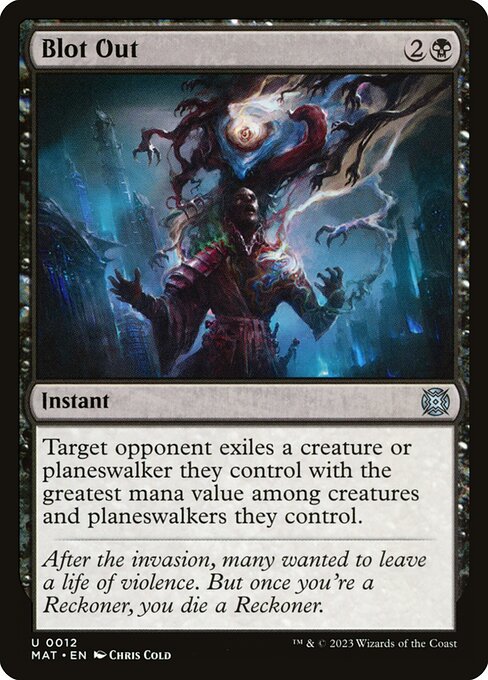
All of my testing let me know that I wanted to play a black deck, as the black cards in the format, Thoughtseize, Fatal Push, Blot Out, etc. are so good at buying time and interacting with the opponent’s strategy. I tried a Dimir deck at first, trying to make use of counterspells to prevent late game top-decks from the opponent, but after playing against Mono-White Humans with Cavern of Souls three matches in a row I decided to go a different route.
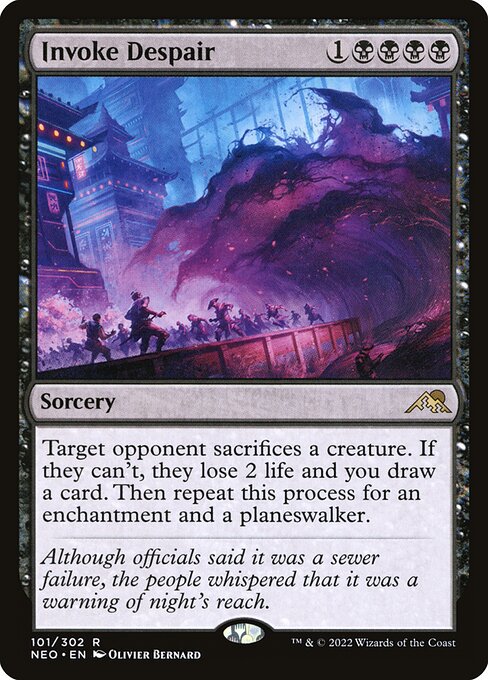
I next settled on playing Invoke Despair as my top end, to help close out games and draw cards, and tried out Mono-Black. That deck worked to good success but I saw two problems. The first was that it had a huge hole against Artifacts and Enchantments, even though Invoke Despair does answer enchantments, it is very expensive and you can’t choose which enchantment to destroy if your opponent has two or more. Second, the deck had a hard time closing out games after we had run the opponent out of resources, giving them their chance to top-deck a powerful spell and be right back in it. To solve these problems I decided to splash green, and ended up with the decklist below.
The goal of this deck is to control the early game with removal spells and discard spells, keep the cards coming with our card advantage engines, and then end the game before our opponent has a chance to reassemble their strategy.
Thoughtseize serves as the cornerstone of our early game, helping us break up the opponent’s curve or take their powerful spells. We have a variety of removal spells for a variety of scenarios. Fatal Push is great in the early game, although this deck isn’t great at enabling revolt, so we also play Go for the Throat to answer bigger creatures.
Sheoldred’s Edict can answer planeswalkers and problematic creatures like Vein Ripper. While Blot Out is mostly included for Vein Ripper, it is also great against Arclight Phoenix and other threats in the format.
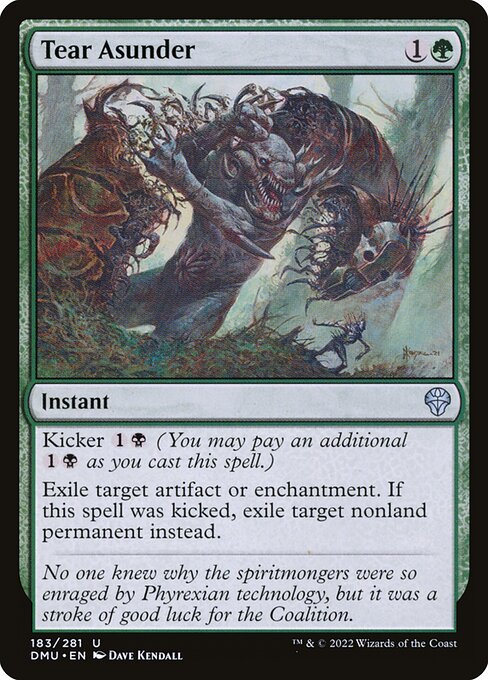
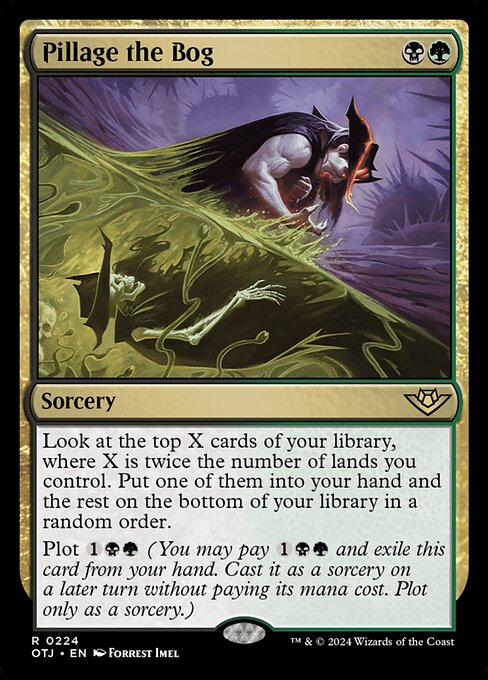
Our green splash gives us Tear Asunder to help out against the likes of Izzet Ensoul Artifact and to answer opposing Reckoner Bankbusters and Fable of the Mirror-Breakers, but it can be kicked to take out any nonland permanent later in the game. We also get Pillage the Bog from our green splash, which is great at all points in the game to help find an answer to whatever ails us, or a source of card advantage to help us get ahead.
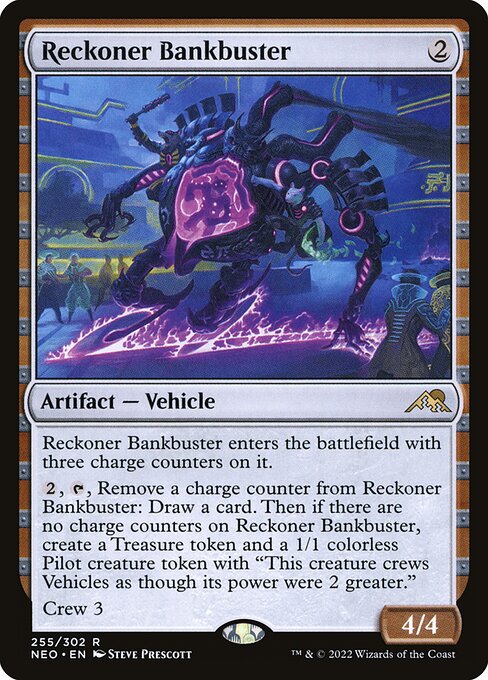
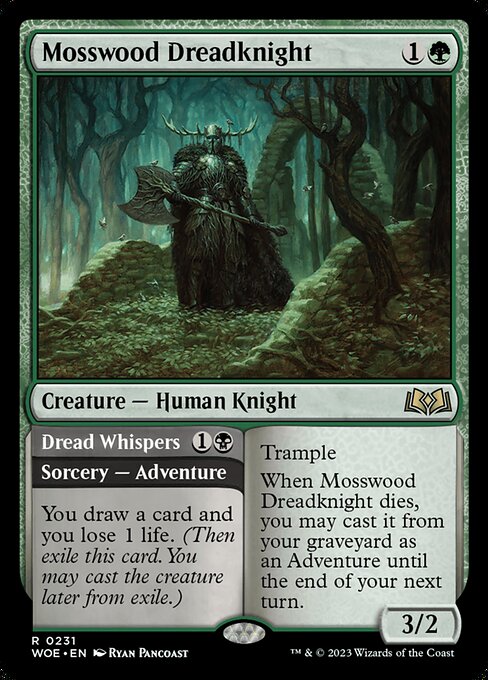
Speaking of card advantage, we have Reckoner Bankbuster to draw some cards and beat down, Invoke Despair to close out games and answer a variety of permanent types, and Mosswood Dreadknight to serve as both a clock when we need one, as well as a recursive threat that can grind out games.
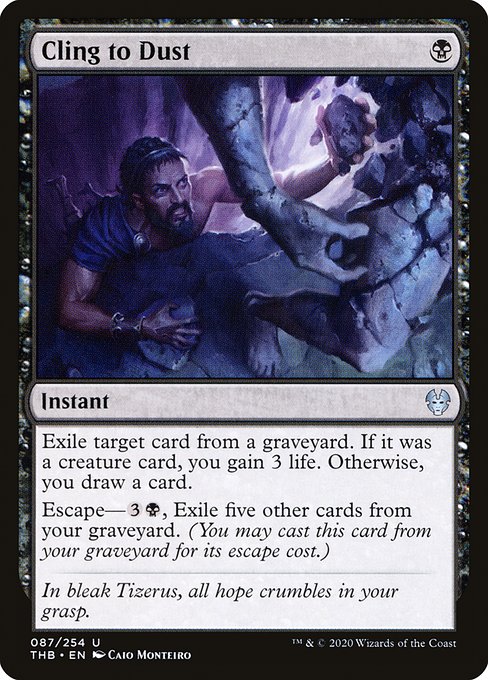
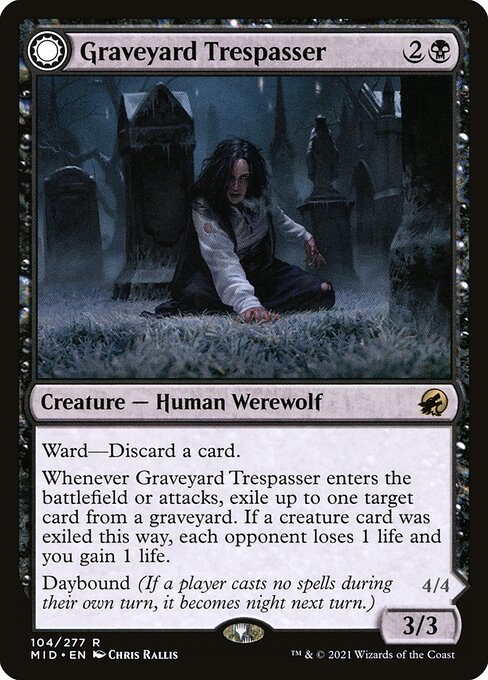
Sorin the Mirthless is another source of card advantage and importantly lifelink blockers, and Sheoldred, the Apocalypse closes out games after the we’ve stripped our opponent of answers. Cling to Dust and Graveyard Trespasser play important roles in this deck, giving us main deck graveyard hate and life gain.
While this deck isn’t super complicated there are a few things to keep in mind while playing it.
It is almost always correct to play Mosswood Dreadknight as a creature on turn 2. There are plenty of exceptions, like if you really need to dig for a land drop, or perhaps you expect your opponent to have a Fatal Push and you won’t have time to cast the adventure side the next turn. But even in grindy matchups I prefer to just get the Dreadknight onto the board so it can start pressuring the opponent or creating a roadblock, over drawing a card.
Because we are playing Invoke Despair, we need a lot of black mana sources, meaning that we should be prioritizing black mana when getting basic lands with our own Field of Ruin or off of an opponent’s, and when choosing a side with our copies of Darkbore Pathway.
We only have one way to recur things from our graveyard, Takenuma, Abandoned Mire, so when escaping Cling to Dust try to leave creatures in the graveyard. Those creatures can also be food for our Graveyard Trespasser to drain our opponent when they don’t have creatures in their graveyard.
In some matchups Reckoner Bankbuster is our best clock. If you have one of our three-power creatures to follow it up, run out the buster on turn two and then on turn three get the three power creature down, crew, and attack in to start the pressure.
I really dislike Thoughtseize in this matchup. They have so many ways to find individual combo pieces with things like Chord of Calling, Collected Company, and Return to the Ranks, that I think our focus should be on just answering the combo on board with removal spells. Our wrath effects can help us catch up against a wide board, and while I don’t love Necromentia here, it can permanently remove their ability to combo and make the game much easier for us.
Thoughtseize is okay against this deck, as we can take problematic creatures or source of card advantage, but I would rather avoid dealing too much damage to myself. We replace them with our copies of Duress, The Meathook Massacre to clear a crowded board and gain life, Kalitas as a lifelink threat, and cut a couple of Invoke Despair in favor of Blot Out as while Blot Out isn’t great in the matchup, it is more removal that can usually snipe a Slickshot Show-Off, while Invoke Despair is sooo slow against them.
I’ll be honest, I haven’t played against this deck once since I started testing, but it is listed as Tier One on our Explorer Metagame page, so I thought I should include it here. Our main deck configuration should be decent against this deck but we do want our sweepers and more removal for the post board games. I suspect that we want to cut some Invoke Despair since they are slow and easily countered, and Cling to Dust doesn’t seem necessary. It is possible that we want to just cut all of the Invokes and keep the Clings since they can gain us some life in a pinch or just cycle to find action.
I generally dislike Thoughtseize against them, since they have so many redundant spells and can usually draw back to whatever piece they need. Tear Asunder is a bit too slow of an answer against them, and Invoke Despair is expensive and clunky. I don’t mind trimming a Reckoner Bankbuster here as we need to spend most of our time answering what they have going on and applying our own pressure, so we don’t usually have time to draw a lot of cards with it.
Mono-Green Devotion has made a bit of a comeback. I haven’t tested against it much and honestly we don’t have much in our sideboard for it. Pithing Needle can come down and name Kiora, Behemoth Beckoner to stop their most crazy turns, while Deadly Cover-Up can bail us out after they go off and put a bunch of large green creatures into play. Sorin the Mirthless is quite slow and dies easily to their pressure, and Invoke Despair can be a bit slow against them.
I’m not thrilled about bringing Leyline of the Void just to stop Cauldron Familiar, but I think we have enough cuttable cards to warrant it. Kalitas also stops cat loops, and The Meathook Massacre can sweep the board and let us gain a life every time they loop the cat, making it essentially just life gain for them. I don’t like Thoughtseize against them, as they have a lot of redundant pieces and often end up playing off the top of the deck anyways, and Sorin and Invoke are just a bit clunky here.
We don’t have a super straightforward sideboard plan against this deck, but our sweepers and extra removal don’t hurt, and Kalitas can help us stabilize. Thoughtseize is awkward against them as it costs us life and they usually empty their hand pretty quickly, while Invoke is slow.
The sideboarding against other decks should be pretty straightforward. Leyline of the Void against graveyard decks, the sweepers against creature decks, Necromentia and Pithing Needle against combo decks like Izzet Creativity and Quintorius Combo, etc.
Wrapping Up
I hope this guide gave you some insight into the Explorer format and helped you prepare for the upcoming Qualifier event. While the format has a lot of very powerful decks, I do think there is a little bit of wiggle room to bring something off meta to try to make it through the events. Regardless, if you play in the Qualifier Play-In or the Qualifier Weekend itself, or even just on the ladder, I wish you the best of luck!
Premium
Enjoy our content? Wish to support our work? Join our Premium community, get access to exclusive content, remove all advertisements, and more!
No ads: Browse the entire website ad-free, both display and video.
Exclusive Content: Instant access to all exclusive articles only for Premium members, at your fingertips.
Support: All your contributions get directly reinvested into the website to increase your viewing experience!
Discord: Join our Discord server, claim your Premium role and gain access to exclusive channels where you can learn in real time!
Special offer: For a limited time, use coupon code L95WR9JOWV to get 50% off the Annual plan!