Hello and welcome to the 50th edition of Fun & Jank! I’m Plum, and this week I’d like to show you the deck I took to Historic Mythic this season: Super Friends!
Why Superfriends? Well first, Ashiok, Nightmare Weaver has been one of my pet cards since it was first printed. I’ve always loved the design and how powerful it is for just three mana. Second, I’ve been a little obsessed lately researching Carth the Lion decks in Modern, and that put me in the mood for planeswalkers. If Carth can make walkers shine there, why couldn’t I find a way to make them work in Historic?
So I started tinkering. My original drafts trying to replicate the power of its Modern counterpart were clunky, but I was eventually able to pivot to a list sporting a 70% winrate carrying me straight to Mythic. So I wanted to share my thought process behind the deck, and how I’ve adapted Superfriends to keep up with the speed of the Historic format.
But before I dive into the list, I need to say something important: thank you. To everyone who’s read these articles, tuned in to the stream, or shared a brew idea with me, you’ve made this way bigger and more meaningful than I ever imagined. And of course, thank you to the team at MTGAZone.com for giving me a platform to share my love of the game and all the craziness we’ve had along the way. Magic: The Gathering is a game I absolutely love, and I’m just happy I’m able to share my jank, test weird decks, and have fun with the MTG community.
“Superfriends” is the nickname players gave to planeswalker-heavy decks that aim to win not with creatures or combos, but by overwhelming the opponent with loyalty abilities. The archetype first made waves during Shards of Alara and Zendikar Standard, when decks stacked multiple planeswalkers like Jace, the Mind Sculptor, Ajani Vengeant, and Elspeth, Knight-Errant. The idea was simple: planeswalkers protect each other. If you can land two or three at once, the incremental value each turn can overwhelm the opponent.
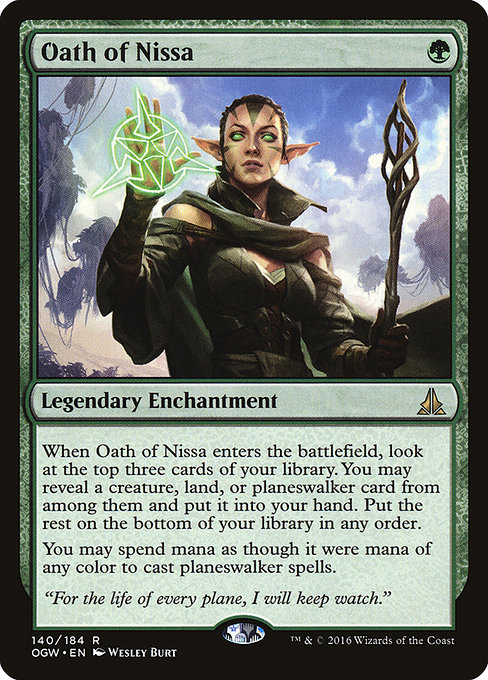
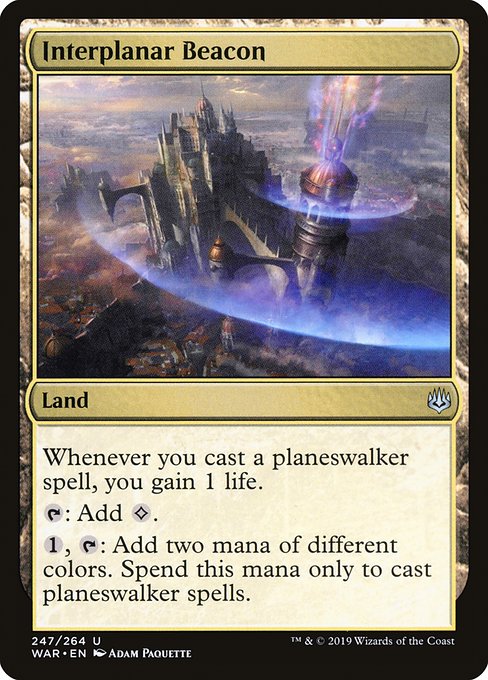
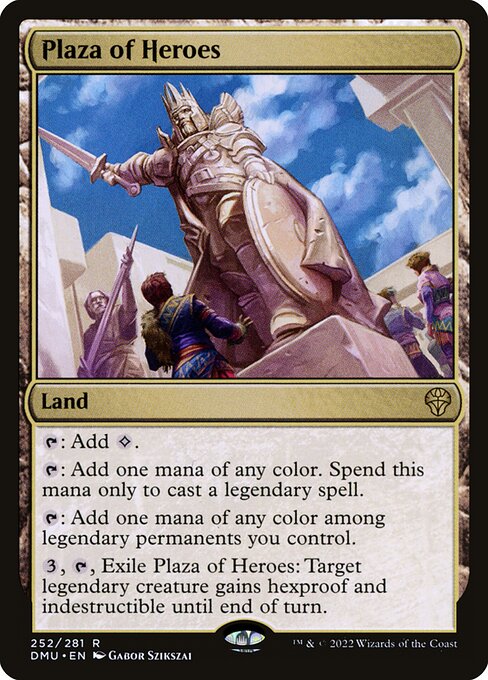
Since then, Superfriends has popped up across formats whenever the mana and support tools are strong enough. Cards like Oath of Nissa, Interplanar Beacon, and Plaza of Heroes have made it easier to cast walkers of multiple colors. The archetype has taken many shapes, from controlling shells with sweepers, to midrange lists backed by mana dorks, to the newer more homogenized builds with Carth the Lion.
Although Modern is a powerful format, Historic sits in a strange place above it — fueled by Alchemy cards and other Eternal staples that push the power level higher. For a Superfriends list to stand a real chance on the Historic ladder, the shell needed a different approach. Let me take you through the 3 main variation I tried.
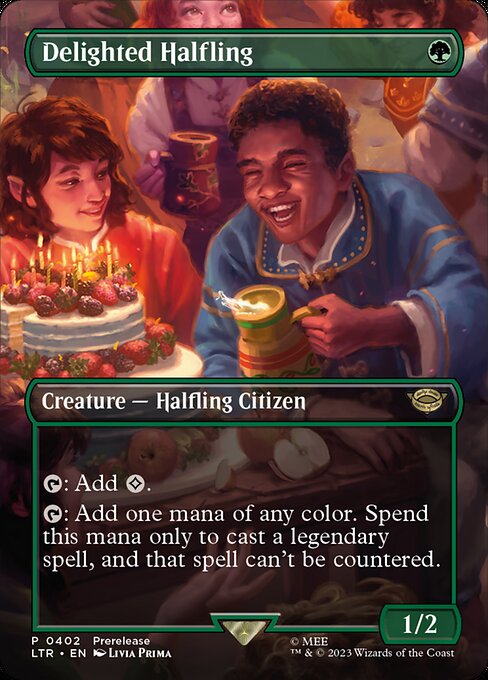
As we take a look at these shells, you’ll notice a common core across each one. Cards like Oath of Nissa, Delighted Halfling, and the corresponding lands allows these decks to have near perfect mana. It’s common for Superfriends to expand into 4 or 5 colors in order to play “best-in-slot” planeswalkers and I wanted to follow suit.
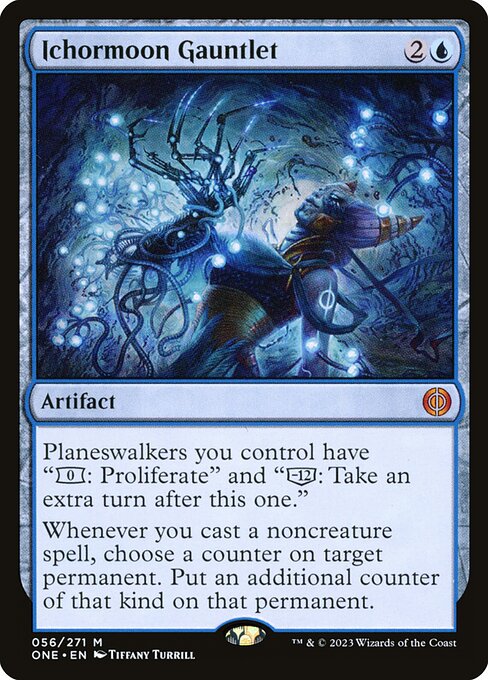
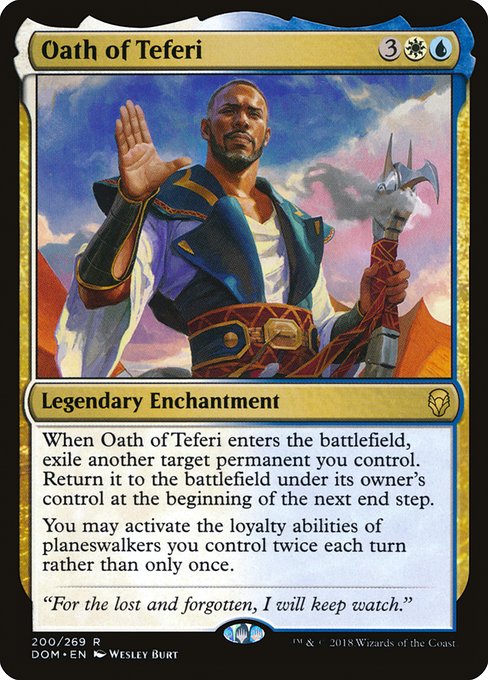
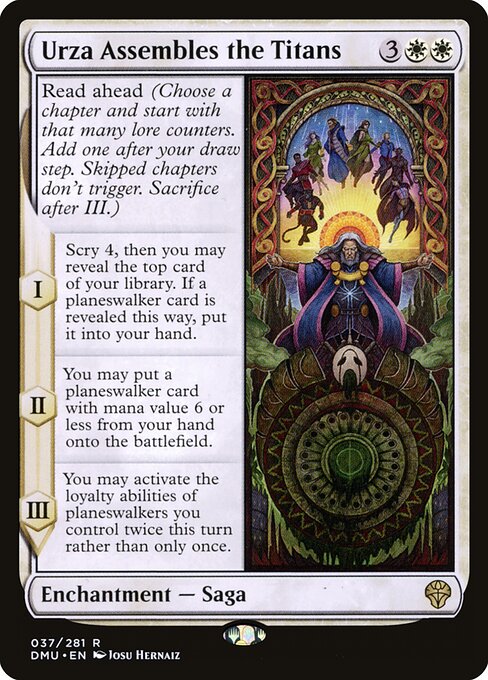
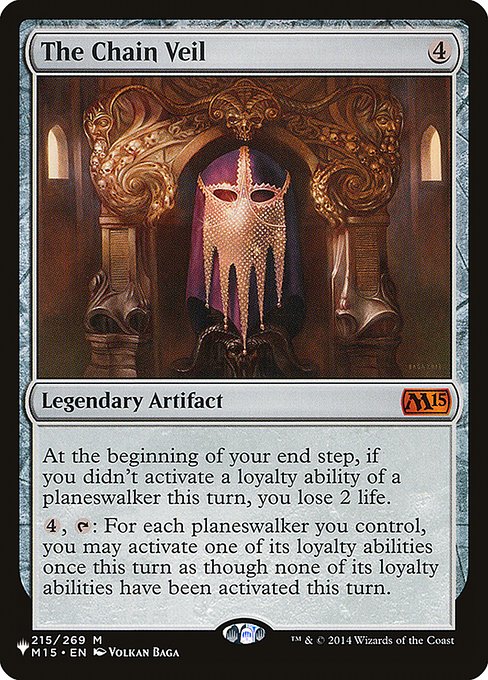
Historic doesn’t have many true payoffs for going deep on walkers. The options are slim — Ichormoon Gauntlet, Oath of Teferi, The Chain Veil, and Urza Assembles the Titans. Out of those, Assembles the Titans felt like the most viable. Without Carth the Lion to supercharge loyalty abilities, Assemble was the closest thing: it digs for planeswalkers, cheats them into play ahead of curve, and occasionally lets you double-activate in a single turn.
This version also became my testing ground for figuring out which planeswalkers could actually hang in Historic. Kaya, Grist, Ashiok, and of course Liliana of the Veil consistently impressed. These early walkers were the backbone of most wins, keeping the board clear while building incremental advantage.
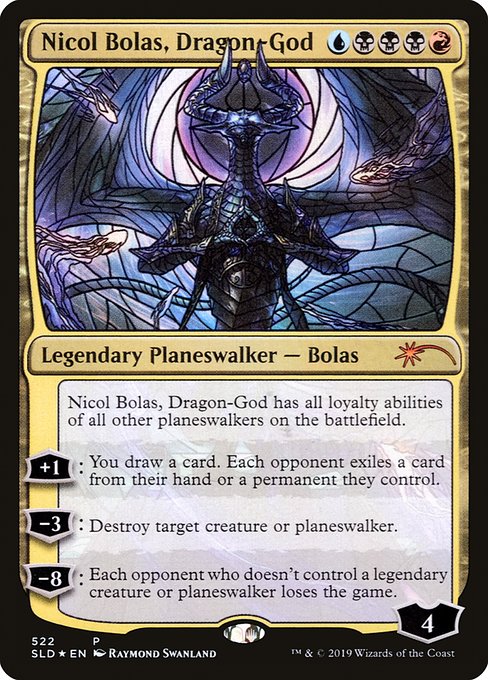
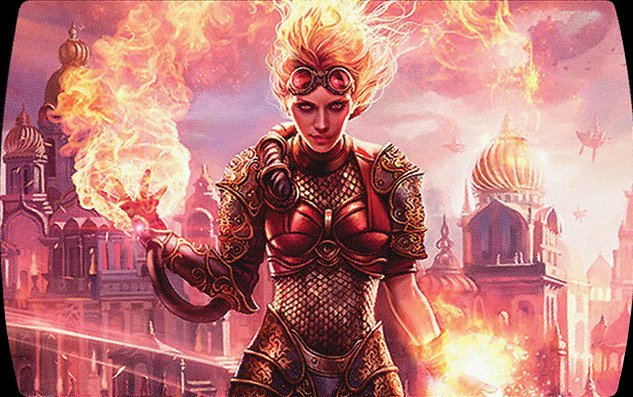
On the other hand, the bigger walkers like Chandra, Nicol Bolas, or The Eternal Wandererwere undeniably fun, but often too slow. Historic games are fast, and many matches were decided before I could even consider casting a five- or six-mana planeswalker. Losing a lot of games painted a very clear picture of which direction to take this deck. if I wanted the archetype to succeed, it would need to lean hard on the three-drop walkers and the cards that supported them.
After testing the “classic” pile of walkers, I realized the deck needed to be leaner. Historic is fast, and waiting until turn five or six to impact the board was just too slow. So I shaved almost everything above four mana and reworked the shell around early planeswalkers and the strongest curve-outs possible.
That’s where Sorin, Imperious Bloodlord came in. Even after the recent Alchemy nerf, Sorin into Vein Ripper is stil a nasty to do in Historic. Dropping a 6/5 flying lifelinker (with Sorin) as early as turn three — or even turn two with the right setup — completely flips the script against aggro decks like Wizards and Boros.
The key idea became this: we need to be playing a planeswalker on turn two every single game.
ith eight mana dorks (Delighted Halfling, Ignoble Hierarch) the deck could do that consistently. But that also meant the walkers we chose had to be good enough to stand on their own if they came down that early.
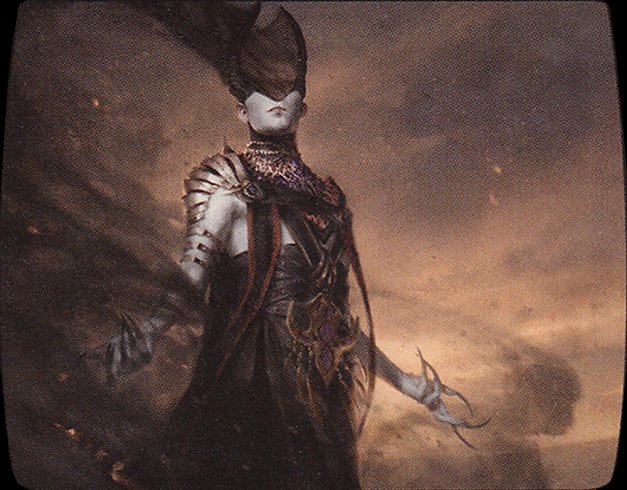
Liliana of the Veil – Forces a turn-one creature sac or starts grinding resources right away.
Kaya, Orzhov Usurper – Exiles one-drops, checks graveyard shenanigans, and gains life to stabilize.
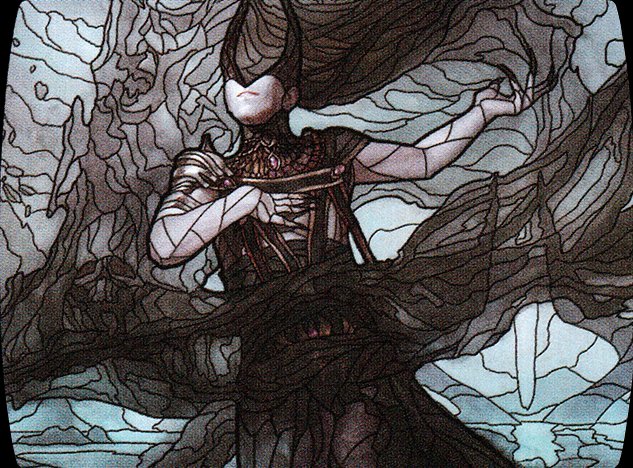
Ashiok, Nightmare Weaver – Pluses up to 5 loyalty, tanks damage for a couple turns, and steals key threats.
Grist, the Hunger Tide – Can make a blocker immediately or cash in your turn-one dork to kill something.
These 4 walkers have built in interaction that give the deck enough breathing room on turn 2 to follow up with another on turn 3. Basically, any combination of them is enough value out of the gate that we almost immediately take over the board. If they get to stick around, they push you so far ahead of the opponent, who now has to split their resources between you and your walkers, that you can usually secure a win by turn 3 or 4.
This version did very well, sporting a 75% winrate on stream. However, I found that I wanted just a little bit more interaction for the decks that flooded the board too fast for us to handle, mainly Affinity. I also found that Ashiok, Dream Renderwas putting in a ton of work against decks like Persist Combo and the supplemental ability to stop your opponent from searching their library was great against Green Sun's Zenith decks. We got quite a few wins by literally milling our opponents out with dual Ashioks. which leads me to my most recent iteration.
We were already milling people out, so why not lean into it even more? I streamlined the shell again, trimming cards like Grist, the Hunger Tide and other flex slots to make room for a cleaner package:
4 Toxic Deluge – Reliable sweeper that cleared the board no matter how wide or tall things got. This gave me breathing room without needing Grist.
Discard package– Thoughtseize and Inquisition of Kozilek turned out to be essential. Picking off problem cards like Farewell or key combo pieces before they hit the table made a huge difference.
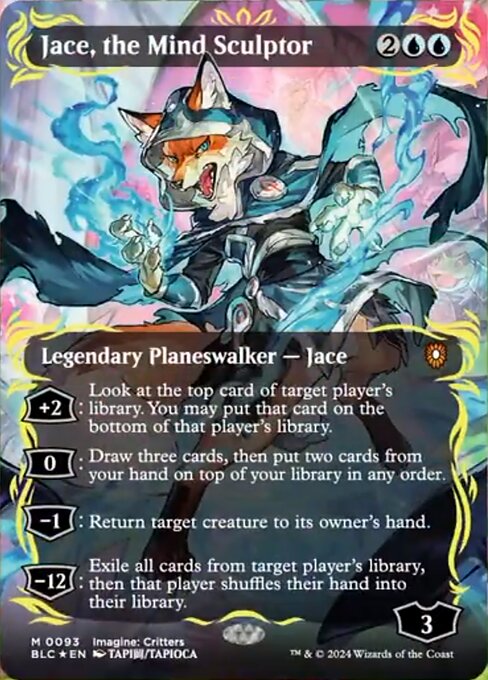
Jace was the closer. His +1 kept the board stalled by shrinking enemy creatures, his 0 drew cards when I needed gas, and his -X could chunk an opponent’s library for a massive mill swing. Combined with the incidental mill from Ashiok, he gave the deck inevitability that most opponents simply couldn’t keep up with.
This version played less like a midrange deck and more like a true control shell. Discard and sweepers handled the early game, planeswalkers locked up the midgame, and Jace or Ashiok finished things off. Turned out to be brutally effective on the ladder and we eneded up making to Mythic with the list posted above on stream. Our overall winrate was 70%, going 33-13 in our games.
Gameplay
The video above is mainly the highlights our our run to Mythic on stream. I recorded every one of our 44 games, but most of them involved our opponents conceding after I played the second or third walker. However, we did beat Eldrazi 3 of the 4 times we played them, as well as one of our weaker matchups, Affinity (match #16).
At the end of the day, this deck doesn’t try to get fancy. Play a planeswalker on turn two, interact just enough to stay alive, and then keep chaining walkers until your opponent can’t keep up anymore.
The games usually play out along a very clear line:
Snowball: keep layering Ashioks, Lilianas, and Jace until you win or you lose.
While the primary win condition is milling the opponent out, the deck isn’t one-dimensional. Kaya, Orzhov Usurper’s ultimate often comes online because of how many cards Ashiok exiles, giving you a surprise secondary way to close. Liliana of the Veil can reset the board with her ultimate, leaving the opponent too far behind to recover. And sometimes Ashiok, Nightmare Weaver just steals something silly and rides it to victory.
The real trick is the deck’s aggressive posture. Most Superfriends builds are slow, defensive, and aim to grind into a very late game. This version plays more like aggro: lower to the ground, faster, and planning to set up a winning board state within the first few turns of the game. By shaving the curve and focusing on early walkers, the deck has enough speed to keep pace with the rest of Historic’s top decks while still packing the inevitability that makes Superfriends so satisfying.
Closing Thoughts
What excites me most about this run isn’t just the win rate — it’s the reminder that Historic is still open enough to reward fresh ideas. There’s plenty of room for archetypes we don’t see every day, and with the right build they can absolutely put up results. I hadn’t seen a true Superfriends list succeed in a long time, so being able to showcase one that actually performed on stream felt especially satisfying.
There’s nothing quite like watching four planeswalkers tick up on the same board, each one stripping resources, answering threats, or setting up the next turn until the opponent has nothing left. It’s the kind of gameplay that makes this archetype so fun, even if it’s not the most common sight on the ladder.
The list is definitely wildcard-intensive, but if you decide to try it, I think you’ll find it both powerful and entertaining. For now, this “lean and mean” take on Superfriends gets the job done — but I’m already looking forward to experimenting with heavier builds, ones that can finally make use of the big five- and six-mana walkers I had to leave behind. The dream of a “true” Superfriends deck isn’t gone yet.
Thanks for reading.
As always feel free to comment and leave any questions you have below! Make sure to come back next week for even more Fun & Jank!
If you want to see these decks in action, come hang out with me on stream (also streaming on youtube now!) where we test, refine, and have a ton of fun together!
Happy Brewing!
Premium
Enjoy our content? Wish to support our work? Join our Premium community, get access to exclusive content, remove all advertisements, and more!
No ads: Browse the entire website ad-free, both display and video.
Exclusive Content: Instant access to all exclusive articles only for Premium members, at your fingertips.
Support: All your contributions get directly reinvested into the website to increase your viewing experience!
Discord: Join our Discord server, claim your Premium role and gain access to exclusive channels where you can learn in real time!
Special offer: For a limited time, use coupon code L95WR9JOWV to get 50% off the Annual plan!
Plum is the creator of the Jank Tank.
He started playing at the ripe old age of 12 and immediately fell in love with the infinite possibilities that deck building could lead to.
He truly understands that jank is a mindset, and spends most of his free time brewing and concocting new and exciting deck lists to help inspire and promote creativity within the MTG community.