Pillow Fort takes an offbeat approach to Historic with the Solemnity + Phyrexian Unlife lock. The deck is cozy and creative, but our record showed the limits of Prison in this format.
Hey folks, Plum here, back again with another installment of Fun & Jank! If you’ve been around for a while, you know we like to swing between all kinds of decks—Aggro, obscure combos, and even janky value engines. I’ll brew just about anything as long as it’s interesting.
One shell we haven’t touched much, though, is Prison. Historic and Timeless don’t have many of the classic lock pieces like Smokestack, Ensnaring Bridge, or Trinisphere. Outside of Blood Moon and Chalice of the Void, our options are pretty thin. But there is one well-known lock we can build around, and it just so happens to slot perfectly into an enchantress-style shell.
That’s what I want to talk about today. This week we’re pulling the blankets over our heads and building a fort—a Pillow Fort, to be exact.
A Quick Word on Prison
The Prison archetype is one of Magic’s most polarizing styles. Instead of racing to win with creatures or combos, Prison decks focus on making the game unwinnable for the opponent—or, at the very least, unplayable. Classic examples use cards like Ghostly Prison, Nevermore, or to choke off resources, slow development, or outright prevent attacks.
At its core, a Prison deck usually aims to do one of two things:
Lock the opponent out of winning. Deny their ability to cast spells, attack, or interact in meaningful ways.
Make it so you can’t lose. Build a shield around yourself so no matter how much damage they deal or how many threats they deploy, you remain alive and in control.
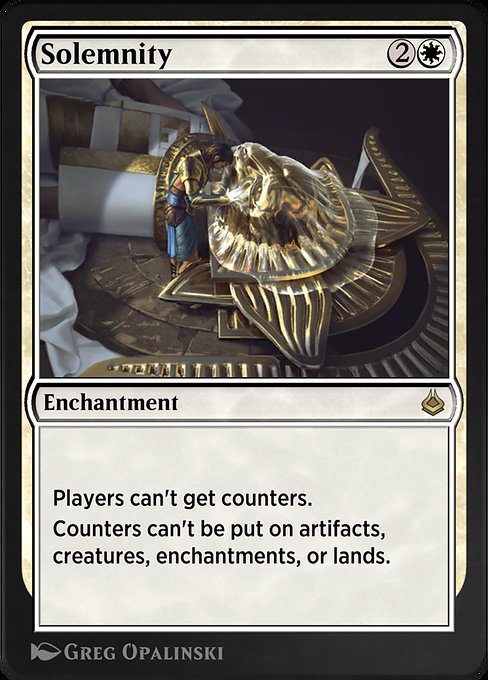
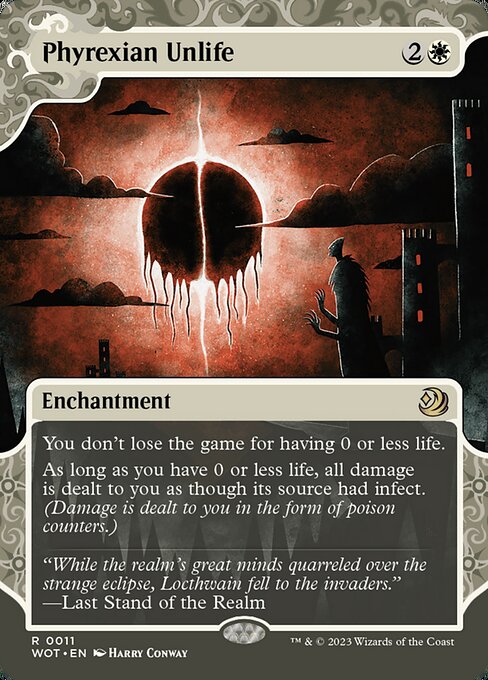
Historic doesn’t give us access to the full arsenal of classic prison tools, but it does offer one of the best “can’t lose” combos out there: Solemnity + Phyrexian Unlife.
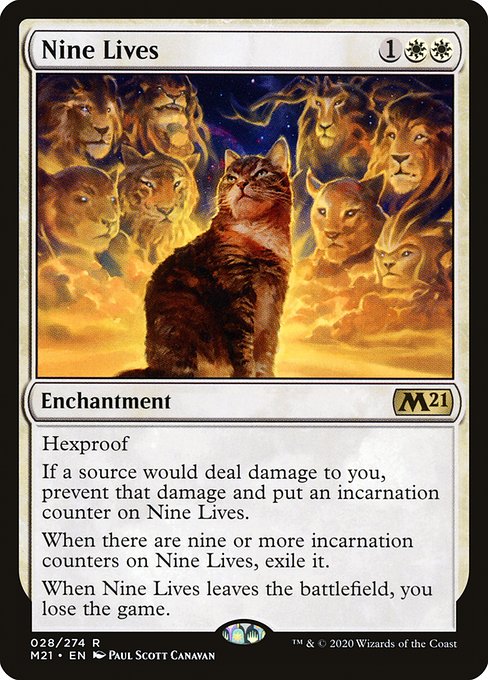
When people think of enchantment-based “can’t lose” setups in Historic, Nine Lives often comes to mind. It pairs naturally with Solemnity, since Solemnity prevents the counters from ever being placed on Nine Lives, effectively making you untouchable.
The problem is that Nine Lives only prevents damage. Which leaves you susceptible to things like life loss in the form of Sheoldred, the Apocalypse or getting blown out by Bonecrusher Giant. With Nine Lives, you’re generally safe from combat damage, but not from everything else the format can throw at you.
That’s why I opted for Phyrexian Unlife instead, it can still get hated out with the same sideboard pieces, but this lock covers a few more bases and is just a little bit harder to poke holes in.
Phyrexian Unlife – keeps you alive no matter how far below zero you go. Solemnity– shuts down the poison counter clause, preventing you from ever reaching 10 counters.
Together, they form one of the cleanest prison combos available in Historic. Once the lock is online, the rest of the deck’s enchantments handle protection, card draw, and inevitability.
This deck is all about survival through enchantments. The primary goal is to assemble Solemnity + Phyrexian Unlife, taking pressure off of you from general life loss via combat, burn, etc. Until that lock is online, the deck uses a wide suite of enchantments to tax opponents, remove threats, and dig for the missing combo pieces.
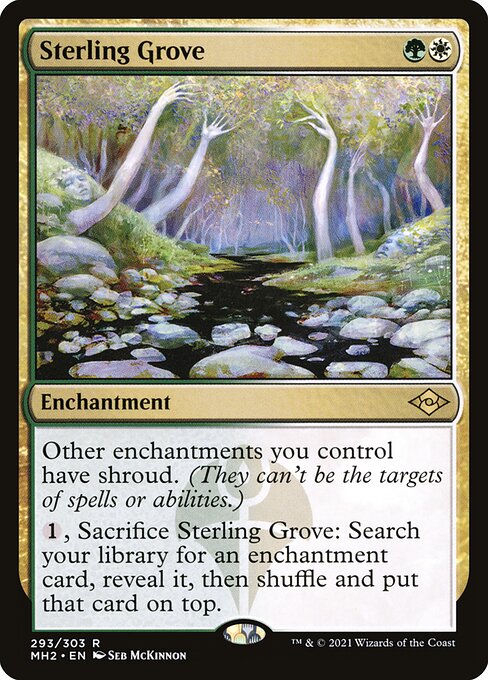
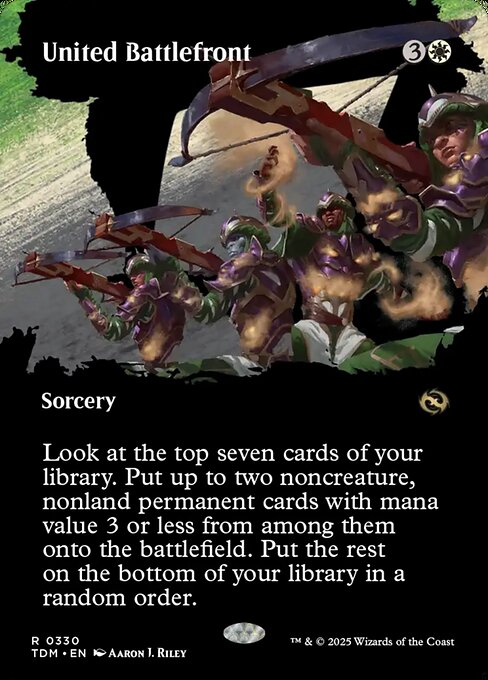
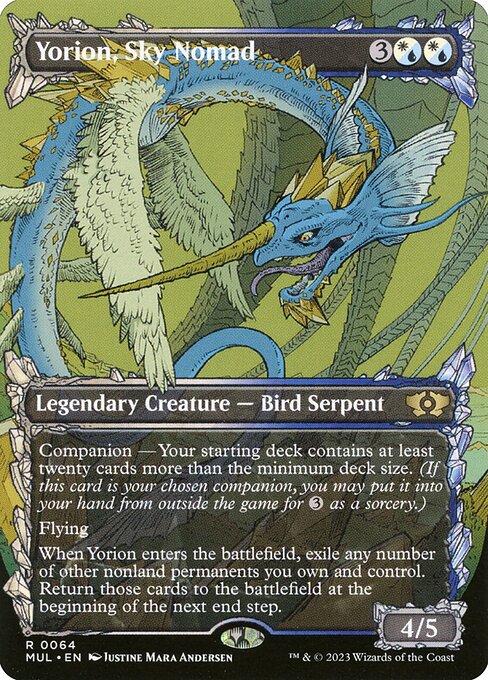
Sterling Grove and United Battlefront help you find and protect your lock pieces. Removal like Seam Rip and Fragment Reality buy time against early aggression. This deck was originally only 60-cards, but with Yorion being so easy to slot in, I figured the extra utility slots in the mainboard would be a welcome addition and give the deck some more redundancy.
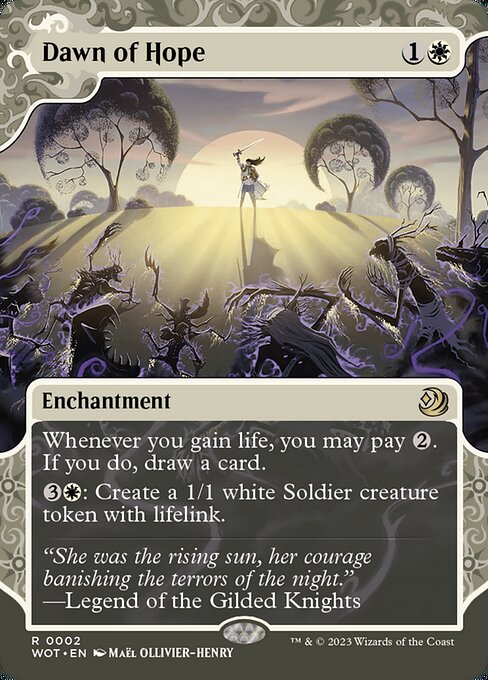
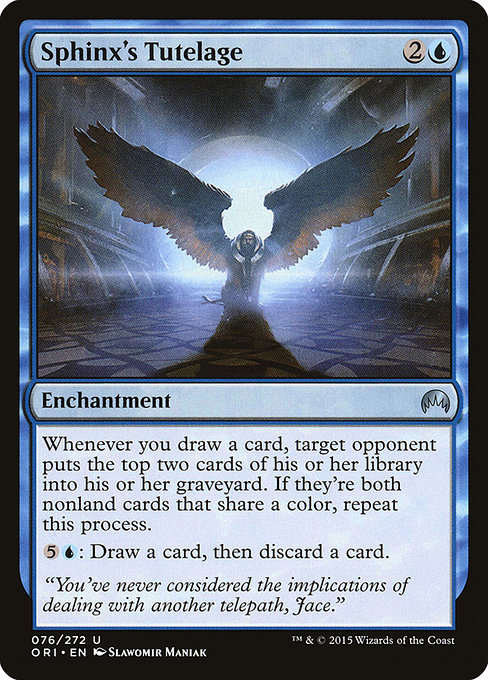
Once the fort is built, most opponents will find themselves unable to meaningfully pressure you. At that point, your inevitability via cards like Dawn of Hope or Sphinx's Tutelage will allow you to close the game out at your leisure.
Solemnity – Shuts down all counters, which means poison counters never hit you. Can also hose random strategies like Hardened Scales, The One Ring or Sagas.
Phyrexian Unlife – Lets you keep playing at negative life. On its own it buys time, but paired with Solemnity it becomes a full “can’t lose” lock.
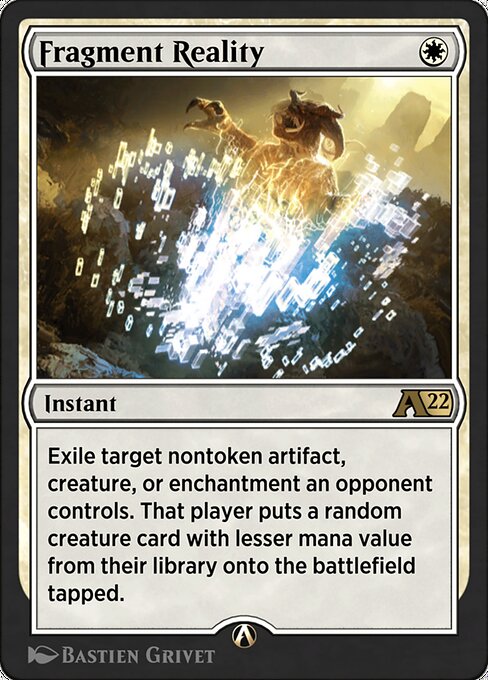
Fragment Reality – Versatile and one of the cheapest ways to exile a threat, often turning something dangerous into a creature you don’t care about. Perfect for buying time against fast starts.
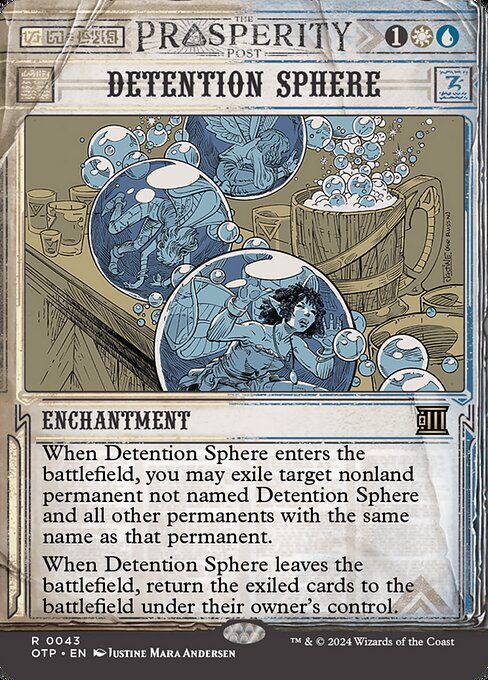
Detention Sphere – Flexible removal that hits any nonland permanent and can even sweep up multiples of the same card. Very handy against token swarms or redundant threats.
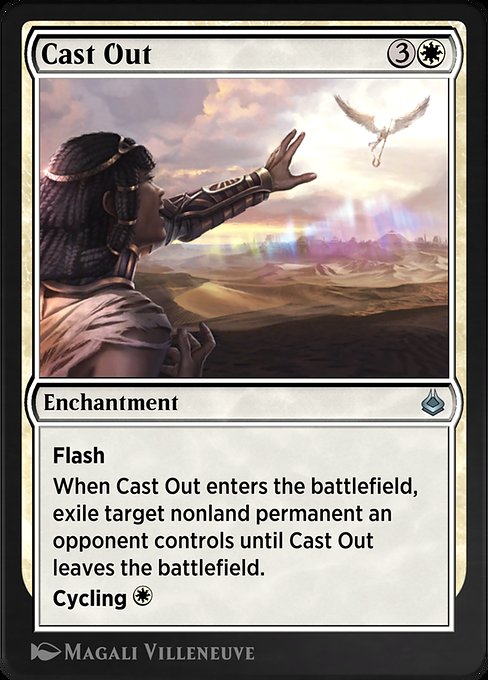
Cast Out – Flash removal that answers almost anything, plus it cycles when you don’t need it. That flexibility keeps it from ever being dead in hand and make it a good tutor target.
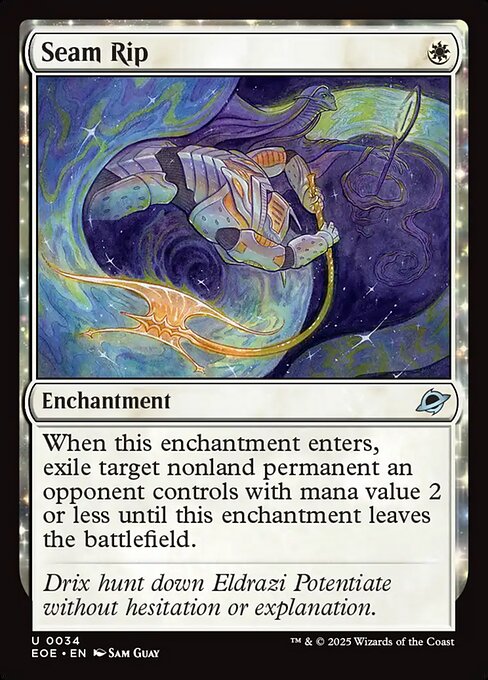
Seam Rip – Narrower in scope but very efficient—exiles cheap threats like Guide of Souls or Ajani, which otherwise run away with games. As an enchantment, it also plays nicely with your draw and tutor engines.
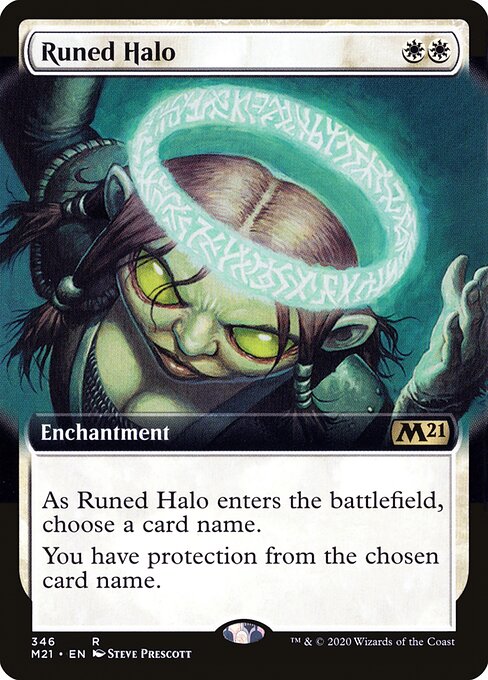
Runed Halo – Great against single problem cards. Name a threat and it can’t touch you anymore. Quite relevant against the Val, Marooned Surveyor Combo decks running around.
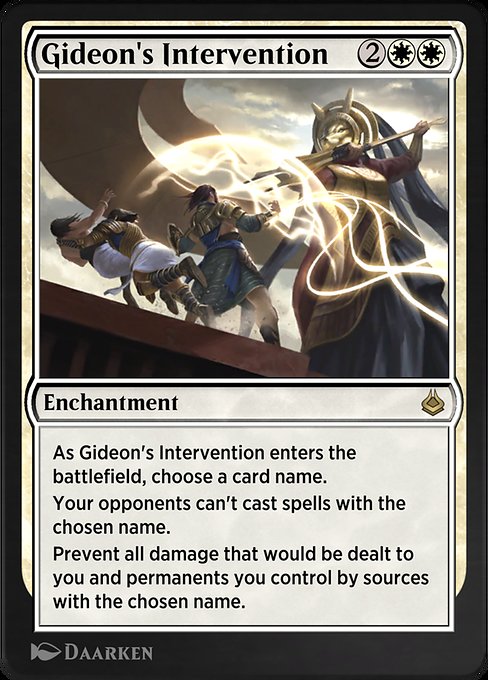
Gideon’s Intervention – A bigger version of Halo that not only protects you but stops the opponent from casting the named card altogether. Gets better in games two and three if you know specific hate pieces are being brought in against you.
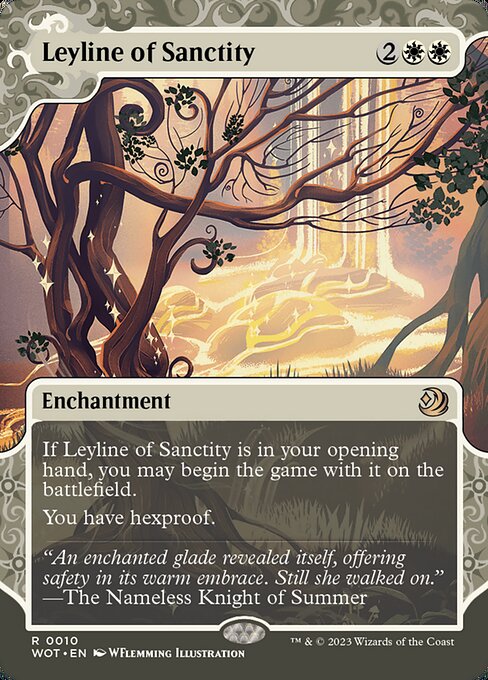
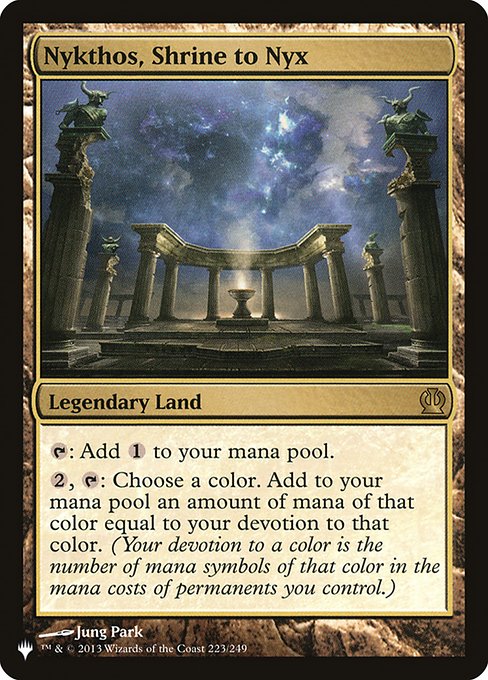
Leyline of Sanctity – The all-star for shielding yourself from discard, burn, and other targeted effects. Even better if you open with it in play. Also powers up Nykthos.
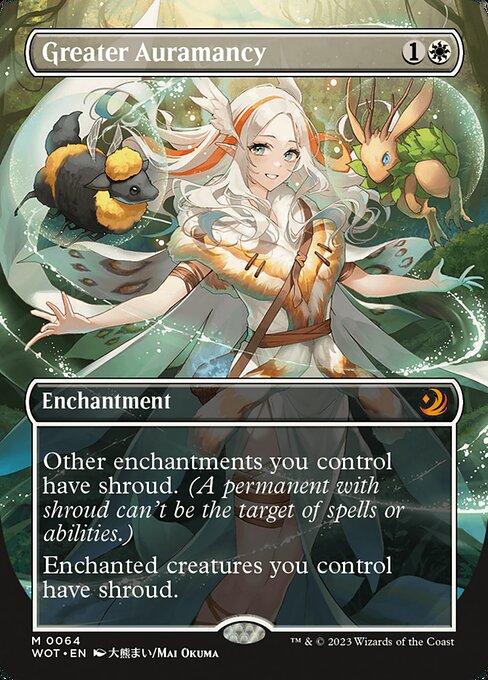
Greater Auramancy – Gives all your enchantments shroud, making it extremely difficult for opponents to interact with your lock once it’s set up. If you have this out with Grove, your enchantments can’t targeted at all.
Sterling Grove – Both protection and a tutor. Shroud keeps your enchantments safe, and in a pinch you can sacrifice it to search up whatever lock piece you’re missing.
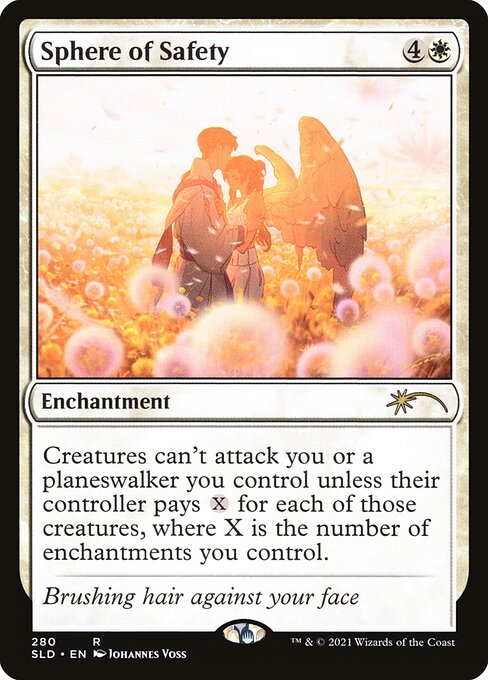
Sphere of Safety – The ultimate pillow fort piece. Once you have a handful of enchantments out, it basically makes combat impossible for your opponent.
United Battlefront – Helps you cheat extra enchantments onto the battlefield and dig deeper. In a deck with 80 cards, that acceleration and card flow makes a huge difference.
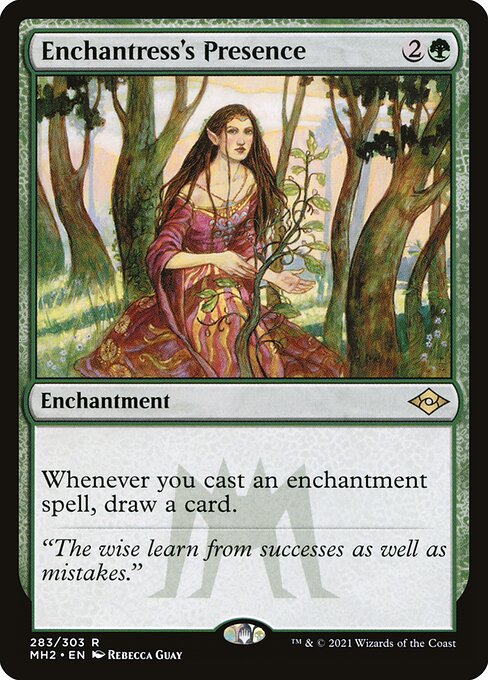
Enchantress’s Presence– Classic enchantress draw engine. Every enchantment you play refills your hand and keeps the engine humming.
Dawn of Hope – We’re palying this for it’s versatility and the ability to create a large amount of tokens with Nykthos. It giving you inevitability and a way to actually end games through combat while also provide lifegain and card draw.
Sphinx's Tutelage – Alternative win condition that mills your opponent out. Works especially well in drawn-out games where you have multiple Enchantress’s Presences going. Great mana sink for Nykthos too.
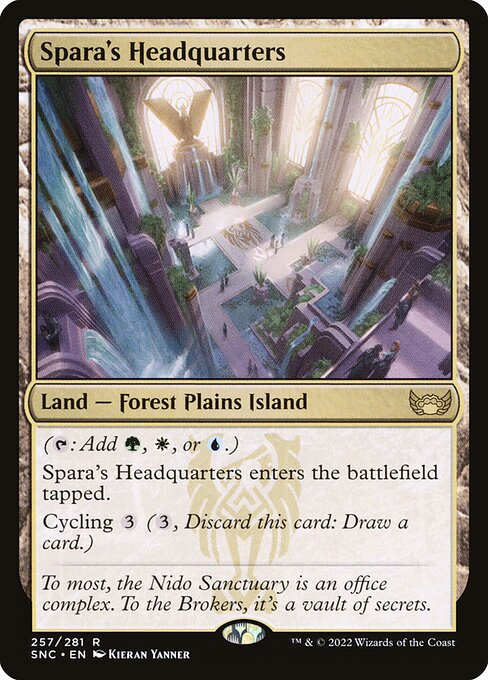
Spara’s Headquarters – Fixes three colors at once and can be cycled away if you’re flooded. Having access to green for Sterling Grove/Unite, white for the lock pieces, and blue for Yorion/Tutelage support is essential.
Nykthos, Shrine to Nyx – With so many enchantments piling up, your devotion to white can skyrocket. Nykthos often taps for absurd amounts of mana, letting you cast and activate multiple pieces in the same turn.
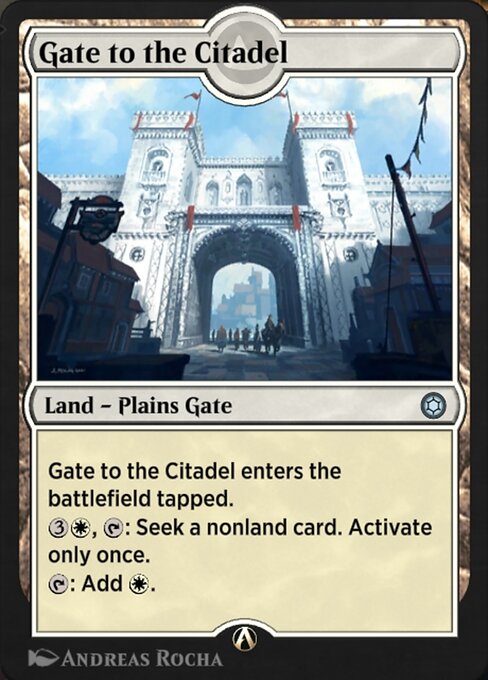
Gate to the Citadel – A huge upgrade for consistency. Not only does it provide colored mana, but it can also seek out gas in the mid/late game, effectively giving this 80-card deck extra tutor redundancy.
Gameplay
8:05 – Match 1 vs RUG Eldrazi 30:35 – Match 2 vs 5c Legends 1:12:15 – Match 3 vs 5c Warp 1:24:10 – Match 4 vs Mono-G Devotion 1:41:15 – Match 5 vs Battlcrier Combo
The plan with Pillow Fort is simple: survive first, win later. Most games break down into three phases:
Early Game – Buy Time Your goal is to slow things down. Cheap removal like Seam Rip or Fragment Reality takes the edge off fast starts. Leyline of Sanctity protects you from discard and burn, and if you can tutor out a Sphere of Safety early, aggressive decks often just run face-first into a wall.
Mid Game – Assemble the Fort This is where we set up our shields. Sterling Grove tutors and protects your lock pieces, while United Battlefront or Enchantress’s Presence dig for more gas. Once you land Solemnity + Phyrexian Unlife, you’re functionally safe from damage, and your opponent usually has to find very specific answers, which means your job is to patch up any holes in your defense.
Late Game – Win With the lock in place, you shift from “don’t die” to “find a way to win.” Dawn of Hope turns spare mana into an army, especially with Nykthos, Shrine to Nyx powering it. Or you can jam Enchantress's Presence and Sphinx’s Tutelage to mill them out as you churn through your deck.
The longer the game goes, the more layers of pillows you stack, until your fort is impenetrable!
Closing Thoughts
Pillow Fort is a strange but satisfying way to approach Historic. It’s not the fastest deck around, and it certainly won’t dominate a wide-open metagame filled with versatile answers. But it does something unique: it builds a fortress of enchantments that many decks simply can’t punch through.
That said, I won’t sugarcoat it, our record with the deck was abysmal. The prison tools available in Historic just aren’t strong enough to keep up with the sheer variety of answers in the format. Between Fragment Reality, the raw power of Eldrazi, and the utility of Midrange decks, there’s only so much a pile of enchantments can do. If you’re looking for a grindy, off-the-beaten-path deck that can frustrate opponents and reward patience, Pillow Fort is a cozy spot to settle into, but it’s certainly not enough to compete on ranked ladder in it’s current iteration.
Thanks for reading.
As always feel free to comment and leave any questions you have below! Make sure to come back next week for even more Fun & Jank!
If you want to see these decks in action, come hang out with me on stream where we test, refine, and have a ton of fun together!
Happy Brewing!
Premium
Enjoy our content? Wish to support our work? Join our Premium community, get access to exclusive content, remove all advertisements, and more!
No ads: Browse the entire website ad-free, both display and video.
Exclusive Content: Instant access to all exclusive articles only for Premium members, at your fingertips.
Support: All your contributions get directly reinvested into the website to increase your viewing experience!
Discord: Join our Discord server, claim your Premium role and gain access to exclusive channels where you can learn in real time!
Special offer: For a limited time, use coupon code L95WR9JOWV to get 50% off the Annual plan!
Plum is the creator of the Jank Tank.
He started playing at the ripe old age of 12 and immediately fell in love with the infinite possibilities that deck building could lead to.
He truly understands that jank is a mindset, and spends most of his free time brewing and concocting new and exciting deck lists to help inspire and promote creativity within the MTG community.