Lotus Shift – The Best Deck in Historic: Fun & Jank Episode 44
Fun & Jank Ep. 44 dives into Lotus Shift — a brutally powerful Historic land-combo deck from Lord’s Servant that can beat anything, if you can pilot it.
Welcome back to Fun & Jank! I know we don’t usually talk about highly competitive lists in these articles, but I think this one deserves some recognition because of freakin’ sweet it is. This week, we’re talking about Lotus Shift, which I’m calling the best deck in Historic — and yet, almost nobody is playing it. The reason? Only one person can truly pilot it to its full potential.
That person is Lord’s Servant, an active MTGA: Eternal Discord regular and beloved brewer, whose list is a masterclass in land-based combo design.
Lotus Shift doesn’t just compete with the format’s big names — it outruns or out-tools them. I’ve seen Lord play against all the top dogs Sorin? Too slow. Boros? Outpaced. Auras? Outmaneuvered. Eldrazi? Outgunned.
We’ll be covering it at a surface level here, but if you want the full deep dive, I can’t recommend enough reading the primer here and watching Lord’s Servant’s gameplay videos. I’ll link my own gameplay down below for reference as well.
I’ve personally seen this deck go undefeated from Platinum straight to sub–50 Mythic in the hands of its creator. Even with me piloting it, making constant, glaring mistakes, I’m still rocking nearly a 70% win rate. This deck isn’t just powerful; it’s absurdly resilient, packing the tools and lines to beat almost any deck and any hate piece in the format. I’ll do my best to show you what makes it so busted… but trust me, you’ll have to play it yourself to truly believe it.
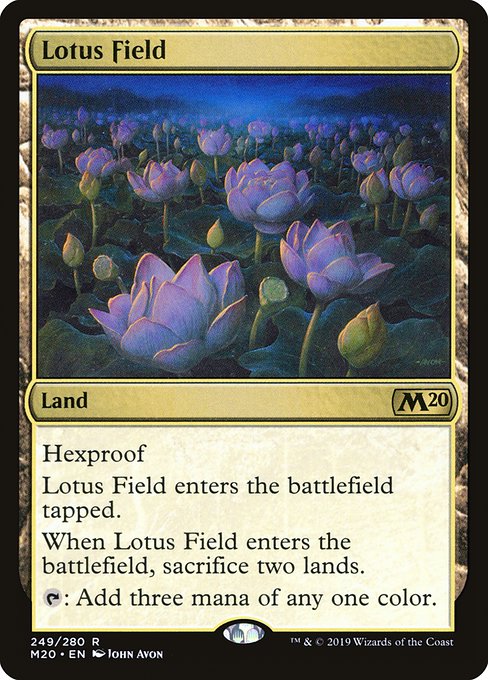
Lotus Shift is a land-based combo deck that wins by assembling one of several looping engines. At its core is Lotus Field, a hexproof land that taps for three mana and demands you sacrifice two others when it enters the battlefield. Instead of treating that sacrifice as a drawback, Lotus Shift turns it into the first step of a value engine — repeatedly playing, sacrificing, and bringing back lands to generate infinite mana, infinite landfall triggers, or both.
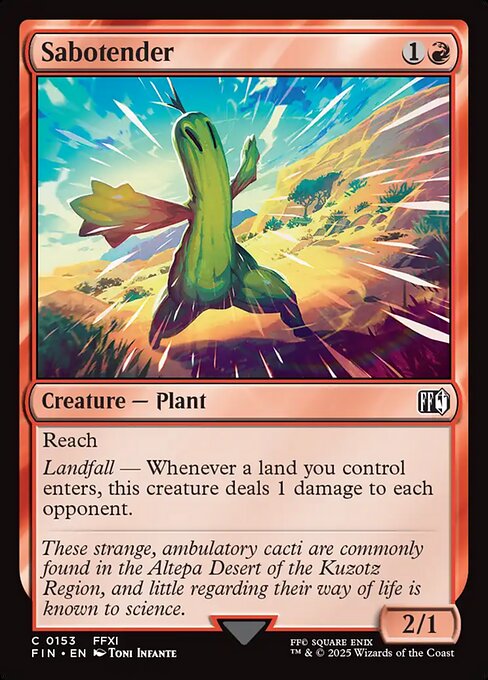
Those loops almost never rely on casting spells once they start, which means they slip past countermagic, dodge most removal, and can often be executed entirely at instant speed. This flexibility lets the deck switch between multiple kill routes, from Sabotender landfall chains to a massive Torment of Hailfire, depending on the board state and what hate pieces you need to work around.
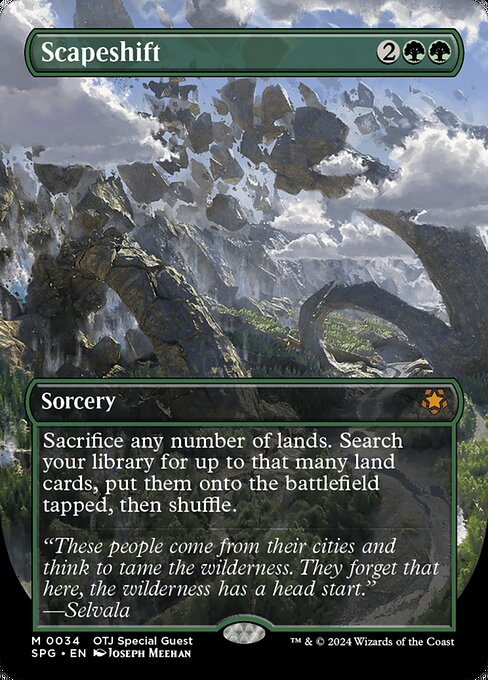
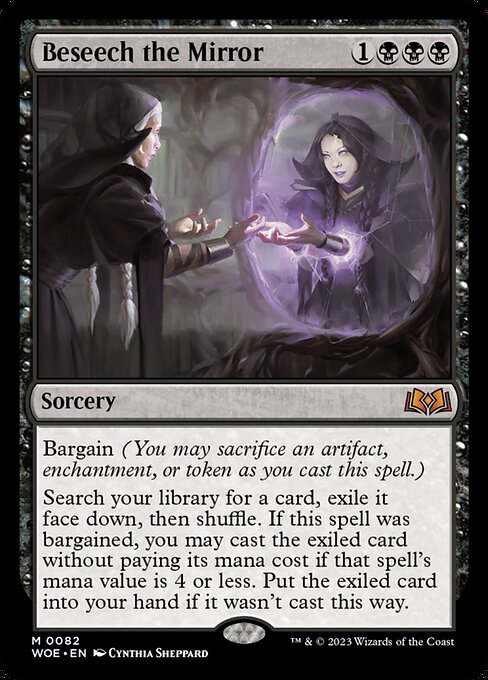
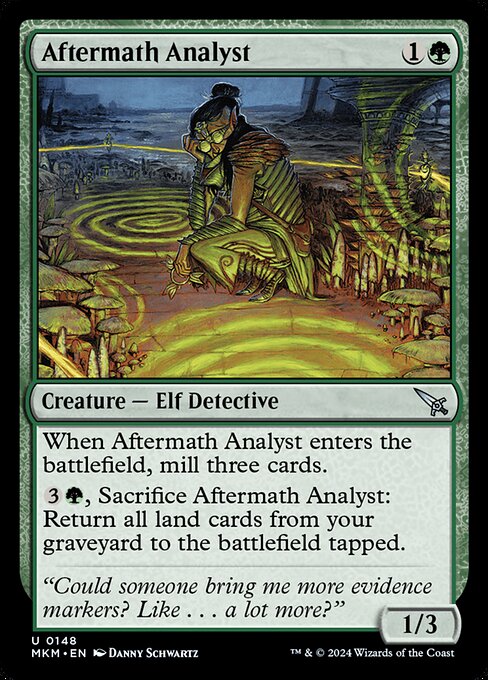
With 30 lands in the main deck — many of them utility lands that untap, copy, bounce, or tutor — every draw step is live toward assembling the combo. Support cards like Scapeshift, Aftermath Analyst, and Beseech the Mirror let you set up a deterministic kill from almost any position, whether you’re going off unopposed or breaking through disruption.
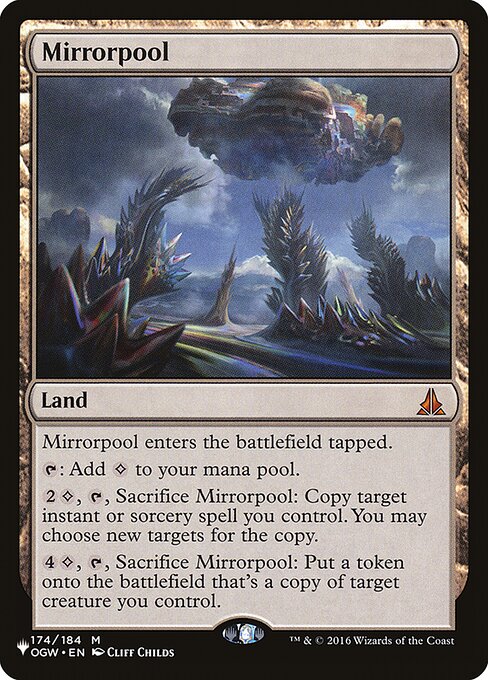
Mirrorpool– Copies creatures or spells; crucial for certain Lumra loops.
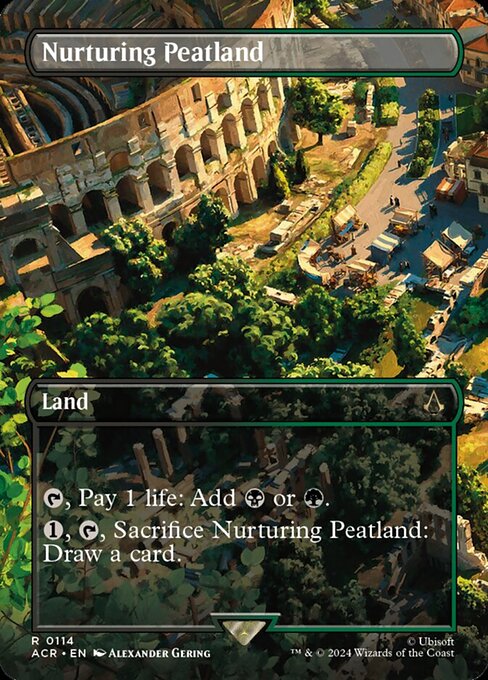
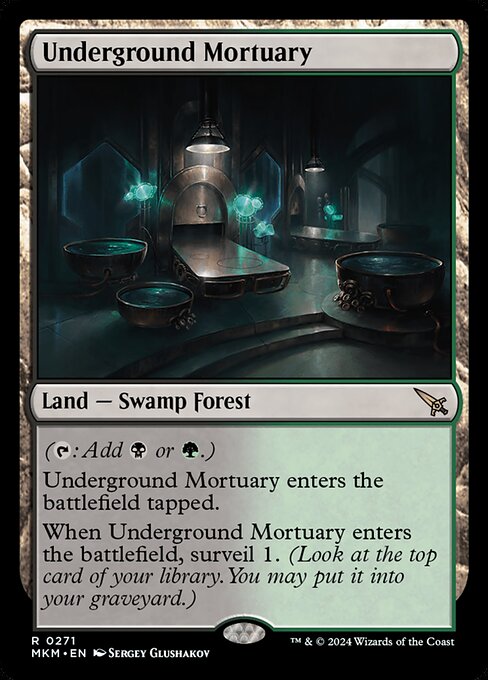
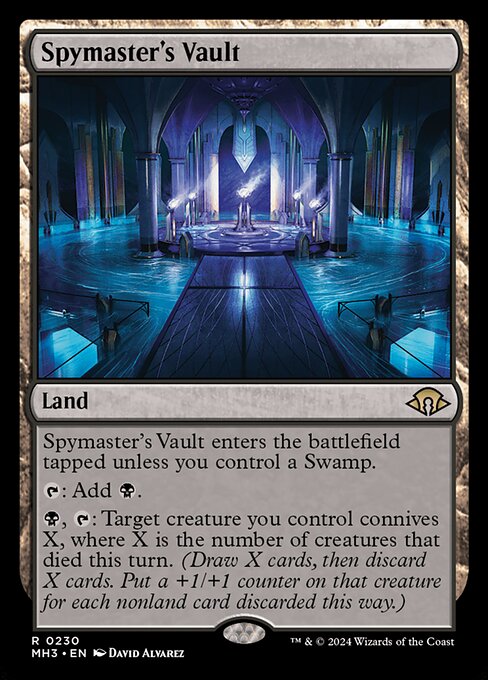
Other utility lands like Otawara, Spymaster’s Vault, Nurturing Peatland, Underground Mortuary, Arid Archway Urborg, and Valgavoth’s Lair provide interaction, mana fixing, or specialized combo support.
Sabotender – Landfall-driven win condition that doesn’t require casting spells once you start.
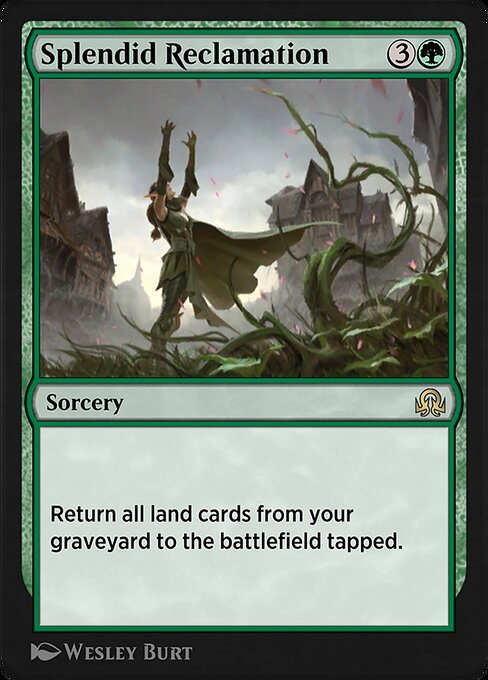
Splendid Reclamation – Brings back sacrificed/milled lands to keep the engine running or close a loop.
The Game Plan
This deck isn’t really here to nickel-and-dime your opponent. The goal is to set up one of the numerous engines in the deck to loop lands in and out of the graveyard to end the game on the spot. Of course its possible to win without the combos as well, as you’ll see later in the gameplay section below.
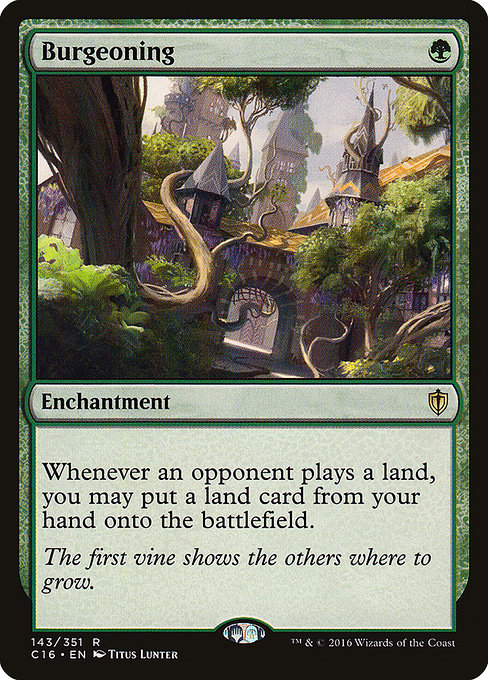
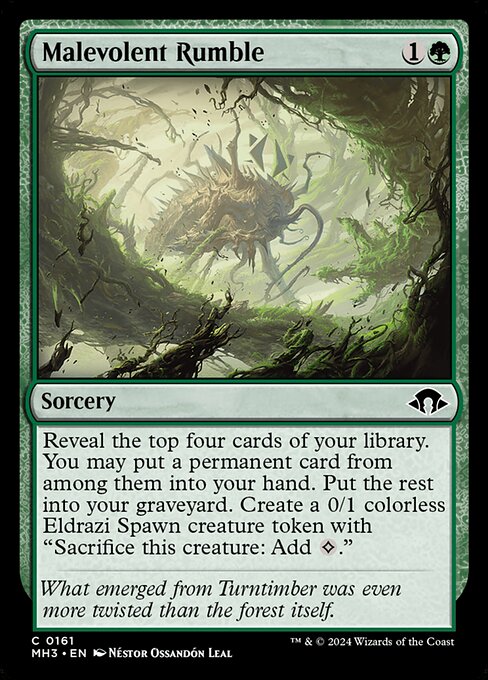
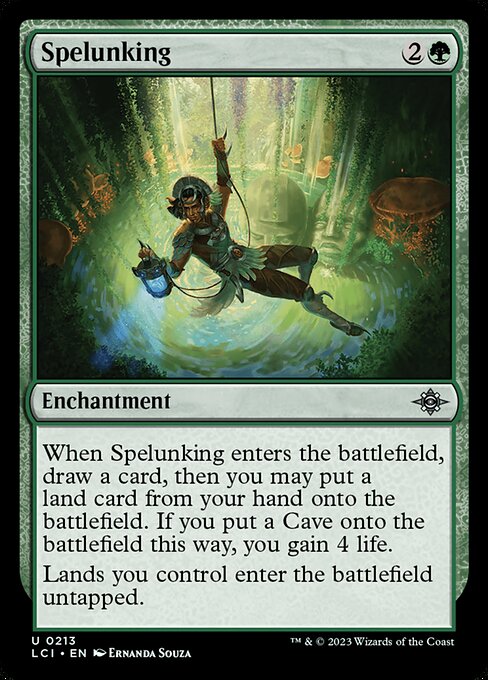
The early turns focus on ramp and setup. Cards like Burgeoning, Malevolent Rumble, and Spelunking help you hit extra land drops, find Lotus Field, or get combo pieces into the graveyard for reanimation. You’re not afraid to sacrifice lands to Lotus Field because the deck’s built to bring them back and profit from it.
Once the pieces are in place, you transition into one of multiple possible loops. Some aim to generate infinite mana, others aim for infinite landfall triggers, and some can be done entirely without casting spells once you start — meaning countermagic and traditional removal can’t touch you. Because you have several interchangeable engines and win conditions, Lotus Shift can adapt mid-game to beat hate pieces or switch lines entirely if your opponent shuts down Plan A. That is what makes this deck so incredibly strong, yet incredibly difficult to pilot.
Key Lines
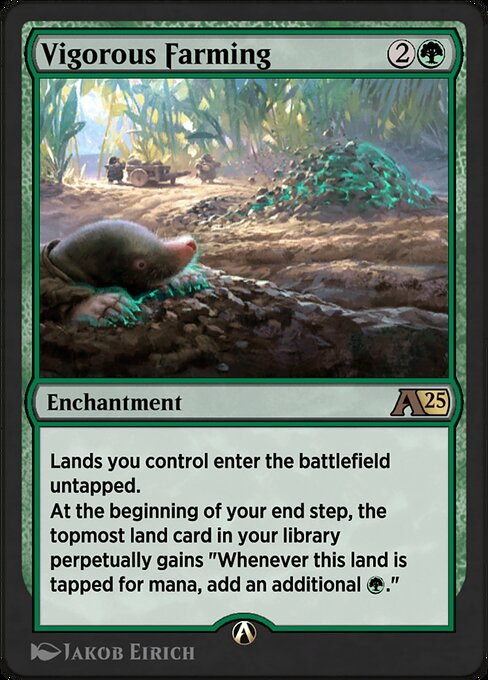
These are some of the key lines you’ll often use to win as outlined by Lord’s Servant in the Lotus Shift Primer. Note that these all require Spelunking or Vigorous Farming in play to work.
Think of Splendid Reclamation as the “easy mode” loop in Lotus Shift. It doesn’t have the same flexibility as Analyst or Lumra, but it’s cheap, clean, and gets the job done.
The Loop:
You’ve got at least 5 lands, an untapper, and something to sacrifice for Beseech the Mirror.
One Lotus can pay for a Cave activation so you can fetch Khalni Garden for a token (Beseech fodder).
Mystic puts Beseech back on top, and Peatland draws it.
The second Lotus Field + Mystic Sanctuary pays for Beseech, so you can cast it again — this time for Splendid Reclamation.
Reclamation brings all your lands back. From here, it’s just repeating the process until you’ve looped enough mana/triggers to finish with Mastermind’s Acquisition (which can be foudn with Beseech if needed) into Torment of Hailfire or Sabotender.
Why Use This line?:
Cheapest “return all lands” option in the deck (4 mana).
Doesn’t require the extra setup Analyst or Lumra do.
Great for straightforward wins when your opponent isn’t holding instant-speed disruption.
Lumra is the self-fueling, grindy cousin of Analyst — she mills four on ETB and then dumps all your lands from the graveyard back into play. That means she’s both advancing your board and refilling your graveyard in one shot.
Primary Lumra Win (Mirrorpool line):
Have Lumra in play and Mirrorpool on the battlefield.
Pay five mana with Mirrorpool to copy Lumra, which dies to the legend rule.
The copy mills 4, returns all lands — including the Mirrorpool you just sacked — and you repeat the process.
Aftermath Analyst is the most explosive and flexible engine in Lotus Shift — it can win at sorcery speed like Splendid Reclamation or pivot to instant-speed kills that completely ignore counterspells and most hate pieces.
Loop longer if you need an even bigger Torment number.
Instant-Speed Kill:
Same setup as above, but instead of casting Torment, use Spymaster’s Vault during the loop to connive Sabotender into the graveyard without passing priority.
Use a spare Woodland to copy Sabotender, then keep looping Analyst for infinite landfall pings.
Vault can be reused mid-loop by sacrificing it to a Lotus trigger and reanimating it with Analyst.
Mirrorpool Variant:
Mirrorpool copies Analyst in play, sacrifices itself, and then the copy returns all lands — including the Mirrorpool — so you can repeat indefinitely.
Why Use This Line?:
Can win entirely at instant speed — devastating for control matchups.
Doesn’t require a tutor in hand once the pieces are set up.
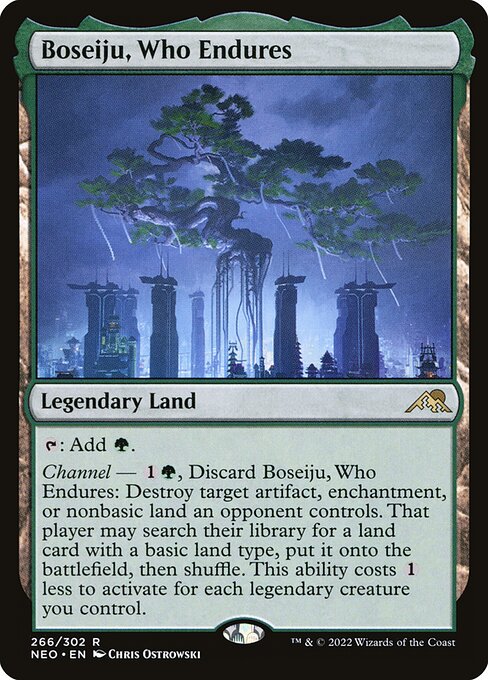
Legendary Channel Lands – We mentioned about bouncing these back to hand using Arid Archwayif you need to remove a problematic permanent. However, Boseiju also sacrifices itself to the legend rule which can give you can additional land to combo off with in the graveyard.
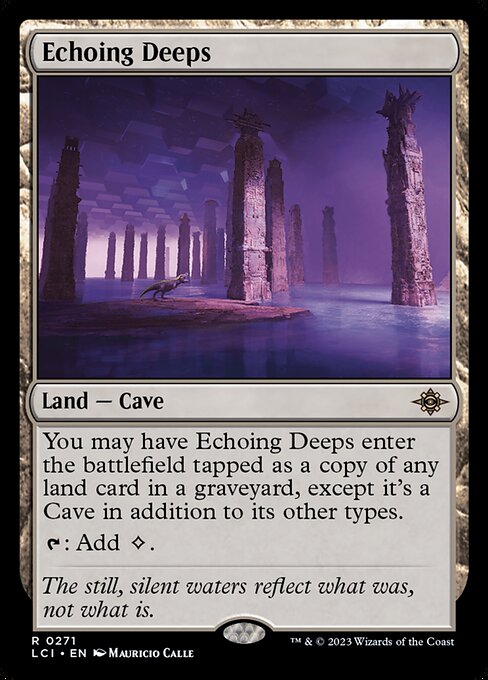
Echoing Deeps as a Backup Lotus – If your Lotus Field gets exiled or destroyed, Echoing Deeps can enter as a copy from your graveyard and keep the loop going.
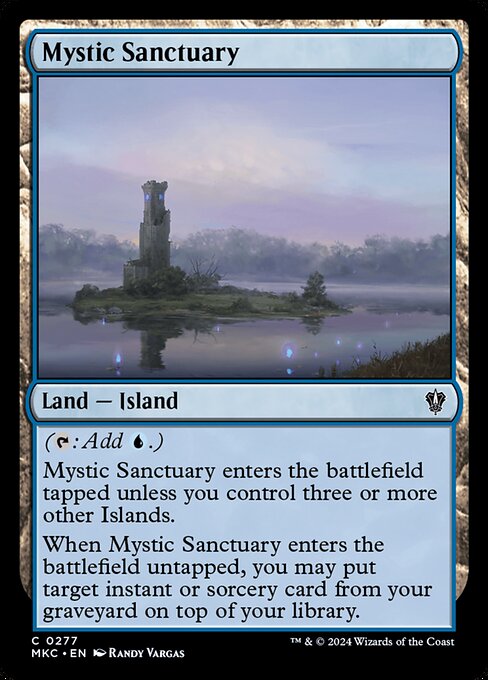
Mystic Sanctuary Pile Control – When you’re going to fetch a card off Urza’s Cave, draw with Nurturing Peatland, or surveil with Underground Mortuary, stack your Mystic Sanctuary trigger first so the card you need is right on top.
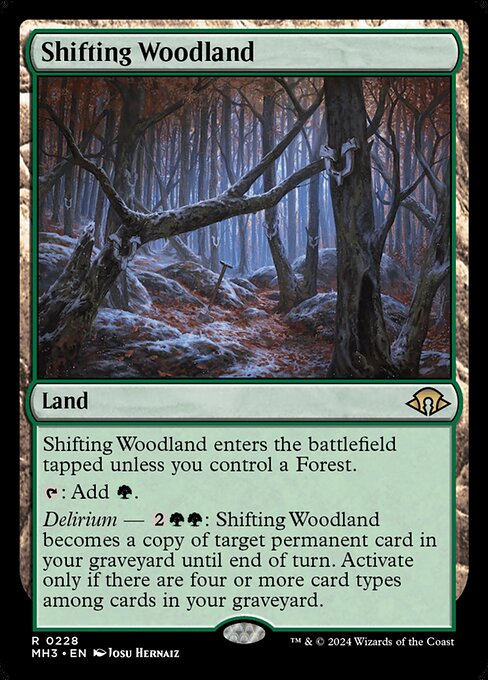
Shifting Woodland Flexibility – Woodland isn’t just for copying Analysts or Lumra; it can copy an untapper if it gets removed or milled into your yard.
Vault Reuse – Spymaster’s Vault can be sacrificed to a Lotus Field trigger, then returned with any loop so you can use it multiple times in the same turn. It’s relatively easy to get online by sacrificing Rumble tokens or Khalni tokens for Beseech.
Gameplay
I’ve played this deck for about 7 hours on stream, going 6-1 on our first run, but I don’t want to bore you with every single match so I’ll give you a couple highlights. Please note that I was/am brand new to this deck so I was on the strugglebus for many of these games. I do my best to talk through everything I’m doing, but my gameplay was quite poor and I made countless mistakes. The fact that we could still do so well with the list just goes to show how strong it is.
Match 1
A match against UB control, where our opponent Surgical Extraction’d our Lotus Field on Turn 2, and we still won.
Match 2
A match against Mono-B featuring a win off of only 4 lands and a Scapeshift.
Match 3
A match against Esper Sorin, showing that we can beat decks with mainboard hate like Saint Elenda.
Lotus Shift’s sideboard isn’t just a pile of silver bullets — it’s an extension of your combo plan. The deck already has main-deck answers to a lot of hate, so sideboarding is about shoring up specific weak spots and making your lines cleaner in certain matchups.
Against Control (Azorius, Dimir, Jeskai)
Bring in Duress to strip counterspells or key win conditions.
Leyline of Sanctity can protect you from Thoughtseize effects or targeted graveyard hate.
Lean toward instant-speed wins with Aftermath Analyst + Sabotender to dodge counter magic entirely.
Extra Culling Ritual can both sweep and ramp you into combo range.
Your goal is to survive the first 3–4 turns, then combo — you don’t have to go as fast as against combo decks, but don’t get greedy.
Against Graveyard Hate / Combo Mirrors
Surgical Extraction lets you preempt opposing hate cards (or snipe their own combo pieces in mirrors).
You can sometimes cut a slower win condition for more utility pieces here, since the games are about who can stick an engine first.
Against Artifacts / Enchantments (Affinity, Auras)
Fade from History wipes out almost all of their board without touching your lands.
Boseiju loops from the main deck already do work, but having a one-card answer on demand helps in games where they try to race.
Alternate Win Cons / Flex Slots
Torment of Hailfire stays in the side for when you want a deterministic, tutor-able kill through Mastermind’s Acquisition.
Gemstone Caverns is your “on the draw” turbo piece for matchups where speed is the only thing that matters.
General Advice
Don’t sideboard too heavily — most of your deck is core engine pieces, and diluting them makes hitting your loop slower.
Always keep in mind which hate pieces your opponent can have post-board and plan a line that beats them.
Closing Thoughts
By no means am I an expert on this list — and you’ll definitely see plenty of fumbles in my gameplay videos. I can’t recommend enough that you watch the creator’s gameplay and read through the full primer if you want to truly understand this deck.
My goal here was to give you a solid surface-level introduction to what I believe is the new boogeyman of the format. Lotus Shift is incredibly challenging to pilot, but it’s also a blast to find those lines to victory when you’re in a tight spot.
It’s a beautiful brew, and Lord’s Servant’s ideas, deck-building skills, and piloting of it are a cut above. I’m excited to see if anyone else picks up the deck — and what wild things they’ll do with it.
Thanks for reading.
As always feel free to comment and leave any questions you have below! Make sure to come back next week for even more Fun & Jank!
If you want to see these decks in action, come hang out with me on stream where we test, refine, and have a ton of fun together!
Happy Brewing!
Premium
Enjoy our content? Wish to support our work? Join our Premium community, get access to exclusive content, remove all advertisements, and more!
No ads: Browse the entire website ad-free, both display and video.
Exclusive Content: Instant access to all exclusive articles only for Premium members, at your fingertips.
Support: All your contributions get directly reinvested into the website to increase your viewing experience!
Discord: Join our Discord server, claim your Premium role and gain access to exclusive channels where you can learn in real time!
Special offer: For a limited time, use coupon code L95WR9JOWV to get 50% off the Annual plan!
Plum is the creator of the Jank Tank.
He started playing at the ripe old age of 12 and immediately fell in love with the infinite possibilities that deck building could lead to.
He truly understands that jank is a mindset, and spends most of his free time brewing and concocting new and exciting deck lists to help inspire and promote creativity within the MTG community.