Hey all, Strickles here. Standard rotation was changed around a year and a half ago, when Wizards announced that they were changing Standard from a two year rotation to a three year rotation, meaning that sets were in Standard for longer and Standard was going to have a larger card pool.
At the time, a lot of theory was written about how it would impact Standard and what would happen to the format, and honestly a lot of people, myself included, were not happy with the change.
Standard was always supposed to be the constantly changing format, and while there were stretches in recent history where certain decks/cards dominated for far too long (Siege Rhino, Temur Energy, Oko, Thief of Crowns, etc.), the few years before the change saw Standard shifting a lot, with new and fun decks coming with each new set.
Even when a deck or card dominated, there was always that light at the end of the tunnel, that rotation would come quickly and remove it from the format. So when they announced the changes, I was worried that dominant cards like Raffine, Scheming Seer, and The Wandering Emperorwould just get so tired and uninteresting to play against for such a long time.
We are now a few months past the first rotation on this new schedule, and I think it is a good time, before 2025 brings even more changes to Standard, to look at the current Standard format, get an idea for how the rotation schedule has impacted current Standard, and give my new thoughts and feelings on three year rotation.
To do this, let’s look at the cards from Dominari United, Brother’s War, Phyrexia: All Will Be One, March of the Machine, and March of the Machine: Aftermath that have an impact on the format.
Lands
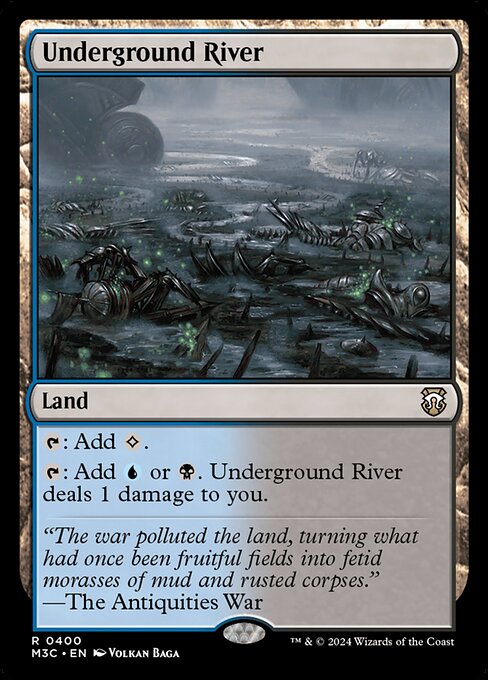
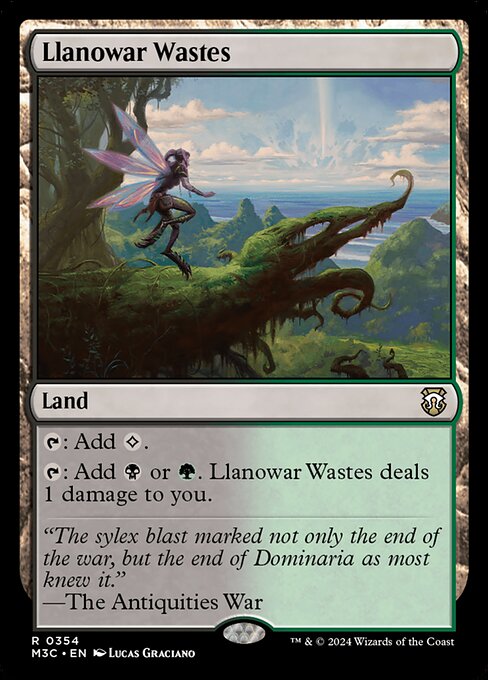
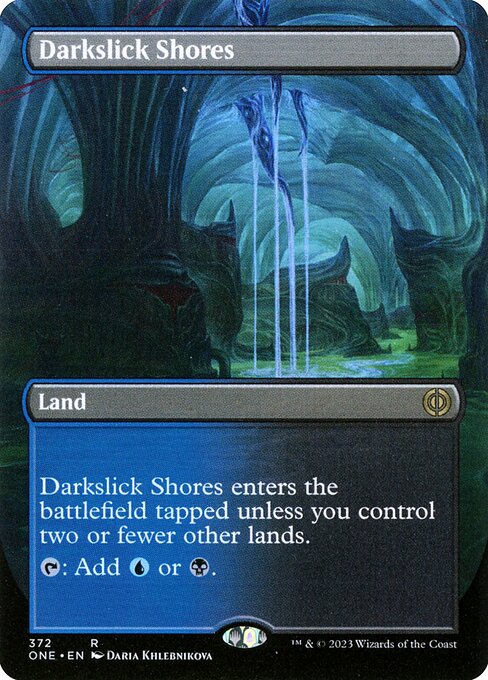
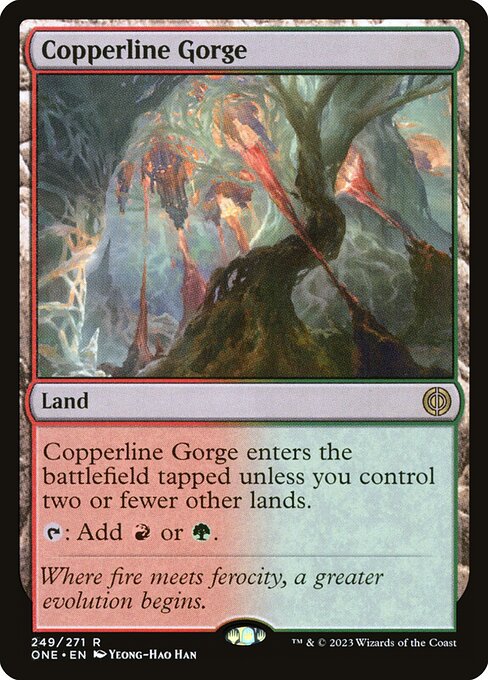
Let’s get the obvious ones out the way first: pain lands and fast lands.
The pain lands were reprinted in Dominaria United and Brother’s War, and fortunately they didn’t do what they frequently do and only give us half of a land cycle, so all ten pain lands are currently in Standard thanks to these two sets. Without them, two color and three color mana bases would be much worse, or they would be forced to play more tapped lands.
Allied fast Lands were reprinted in Phyrexia: All Will Be One, and they are great dual lands in the format, especially in aggro and midrange decks. While the enemy color fast lands were reprinted in Outlaws of Thunder Junction, the allied cycle would have rotated from Standard, leaving us with an imbalanced cycle.
While there are plenty of options for dual lands to use in the place of these lands, two color allied decks would be down two sets of untapped dual lands, making aggro and low curve midrange decks in those colors much slower.
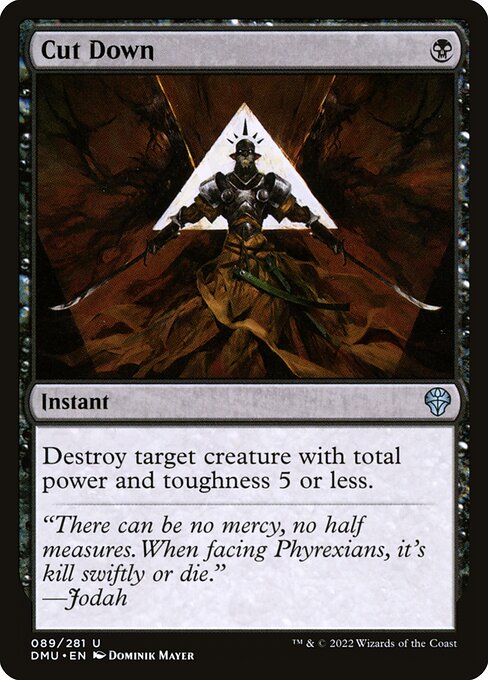
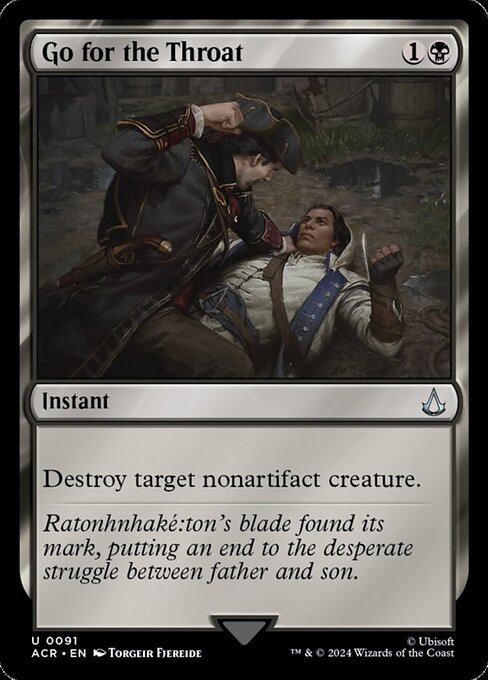
I think that Cut Down and Go for the Throat are the biggest offenders of the changed rotation cycle. These are premium removal spells that are propping up black midrange decks in the format and keeping them relevant against the red aggro decks.
Now don’t get me wrong, I think that midrange and control decks need good removal against the plethora of powerful threats that today’s aggro decks have, but I think that Cut Down in particular is single handedly keeping decks like Dimir Midrange and Golgari Midrange alive in this format.
These cards are somewhat replaceable with more recent printings: Stab for Cut Down and Bitter Triumph for Go for the Throat, but they are slightly less efficient or have drawbacks respectively.
So I think that this could be both an argument for and against the rotation change. On the “for” side, it has kept these decks relevant and able to compete against other top decks in the format. On the “against” side, it has kept these decks as top decks in the format for months on end.
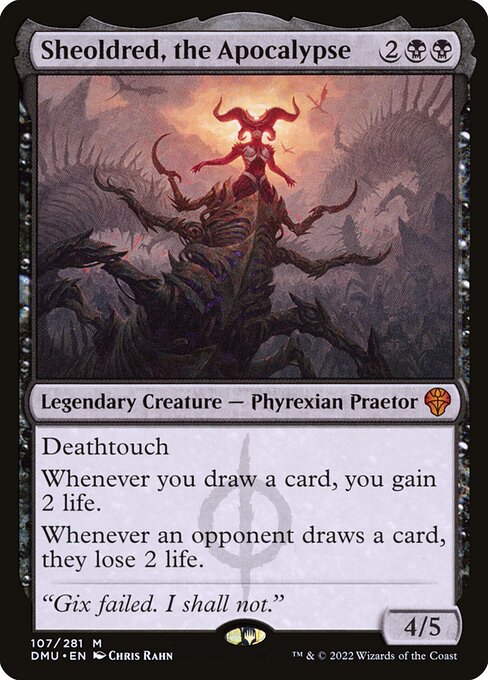
Sheoldred, the Apocalypse may not be as talked about as she once was, but according to MTGGoldfish, she is the most played creature in the format in all of the events and data they track.
Sheoldred, the Apocalypse is a really unique card, and while there are plenty of powerful four drops that you could play in her place, she is just better and keeps those cards from seeing play. This makes Sheoldred, the Apocalypse the worst part of the changed rotation cycle, as she is a card that players are tired of playing against, and she keeps other cards from seeing play.
This was also the problem I laid out with Raffine, Scheming Seer and The Wandering Emperorin the intro: Even if they aren’t overrepresented or oppressive, it just gets to the point where they are no longer interesting or fun to play against.
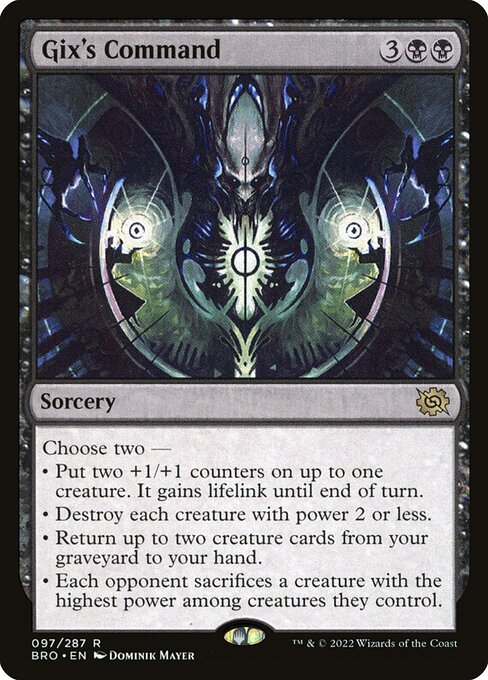
Gix’s Command is another card that you might not think much about, but it is also on the MTGGoldfish list as the 9th most played card among the data they collect. Gix’s Command is unique because it is both a sweeper and a way to gain life or draw some creatures from the graveyard, making it one of the best stabilizing cards in the format.
I don’t think it is very oppressive, but rather just a good choice for black midrange decks. Without it, they would adapt to find another tool to fill that role.
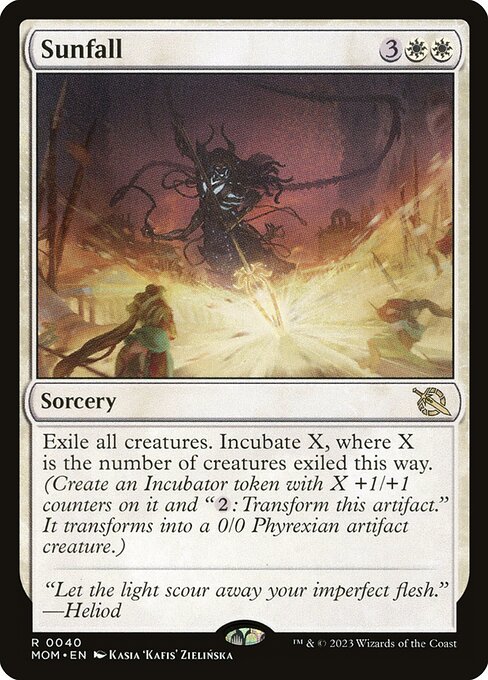
Sunfall is played in a variety of control decks, such as Domain, Token Control, and Azorius Control. Sunfall does two important things that make it the best sweeper in the format: it exiles and it makes a token.
While Day of Judgment is one less mana, it doesn’t deal with threats like Mosswood Dreadknight or Unstoppable Slasher, nor does it prevent you from taking damage from the dies trigger of Heartfire Hero. It also doesn’t leave behind a piece of material that can be used to attack and block with.
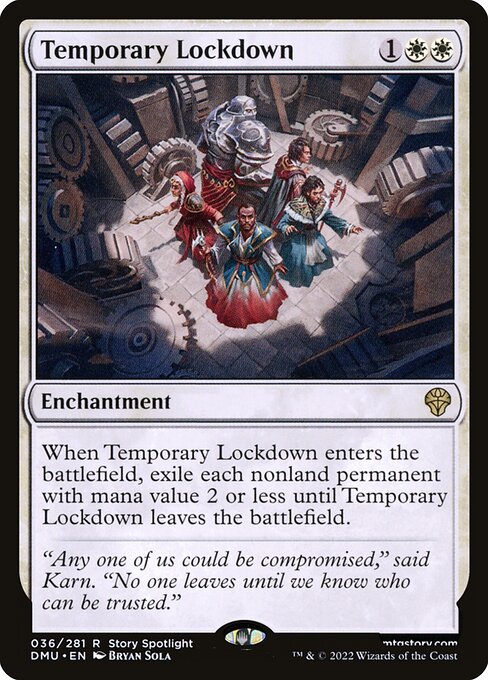
Without Sunfall, control decks would still be alive, but just slightly worse. The same can be said about Temporary Lockdown which sees some play. While it can be replaced by Split Up, the decks that play it would be slightly worse off.
While playing against Sunfall has gotten kind of old, Control decks would have figured out a way to adapt without it.
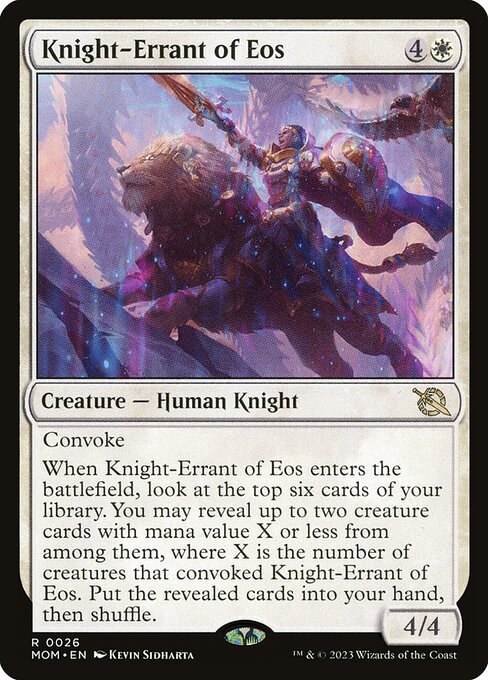
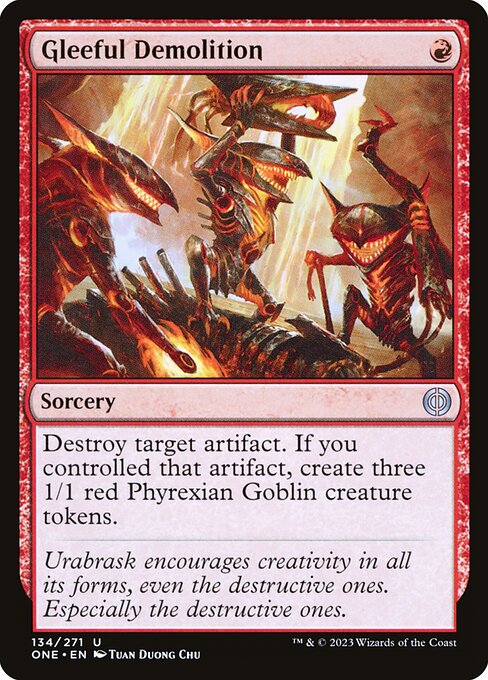
This is our first example of a deck that would not exist without the changed Standard rotation. Gleeful Demolition has no replacement in Standard, and neither does Knight-Errant of Eos. Without those cards, the deck would lose explosiveness and longevity, making it far less appealing.
We have seen what that deck looks like, in the Azorius Artifacts deck that sees some amount of play, but without Seachrome Coast and Adarkar Wastes an Azorius aggro deck would be a lot tougher to pull off.
Again, there are arguments both for and against this deck existing being a good thing. The “for” side would argue that it is a unique aggro deck that forces midrange and control decks to have both sweepers and spot removals, keeping them honest and less greedy. The “against” side would argue that this deck has been relevant for far too long, and its best draws are frustrating to play against just as boring as their middling draws are to play against.
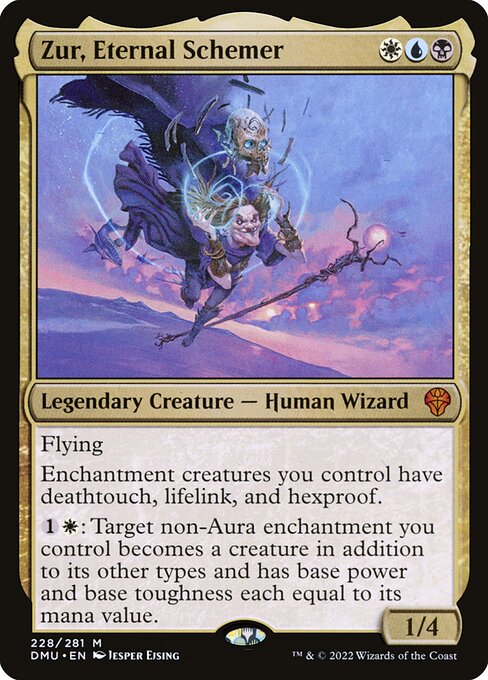
Our second deck that would not exist is Domain. The current build makes use of Zur, Eternal Schemer and overlords to quickly snowball the game and stabilize their life total. Even previous builds that used Atraxa, Grand Unifierand Archangel of Wrath to do that would be without those tools.
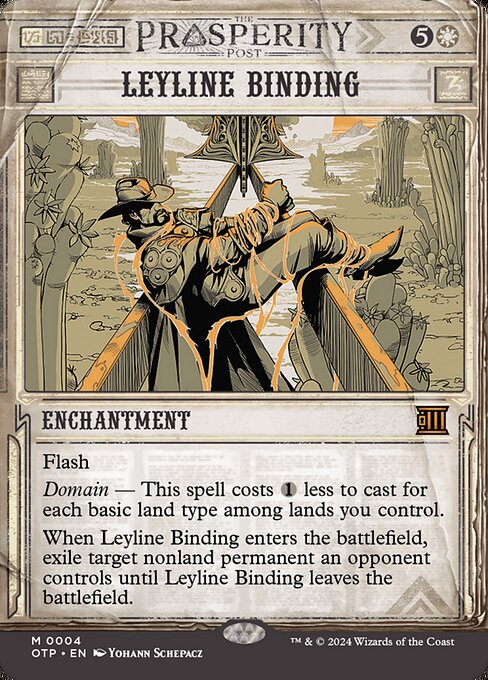
Leyline Binding is the removal spell that holds the deck together, and losing it would be a big blow as it really is a cure all at every stage of the game.
When rotation did happen a few months ago, a lot of people thought Domain would die without the triomes, but the combo of surveil lands and Overlord of the Hauntwoods has kept the deck alive.
Without these cards, this deck would probably be replaced by the Golgari Control deck played by Seth Manfield at the World Championship, still making use of Up the Beanstalk and Overlord of the Hauntwoods, alongside removal and sweepers to survive into the late game.
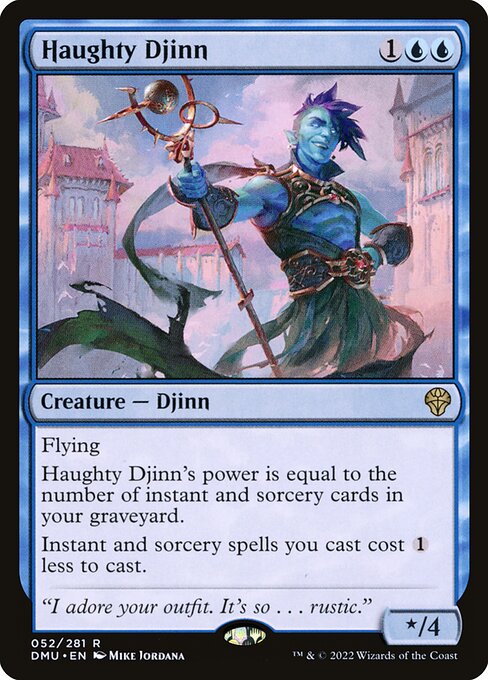
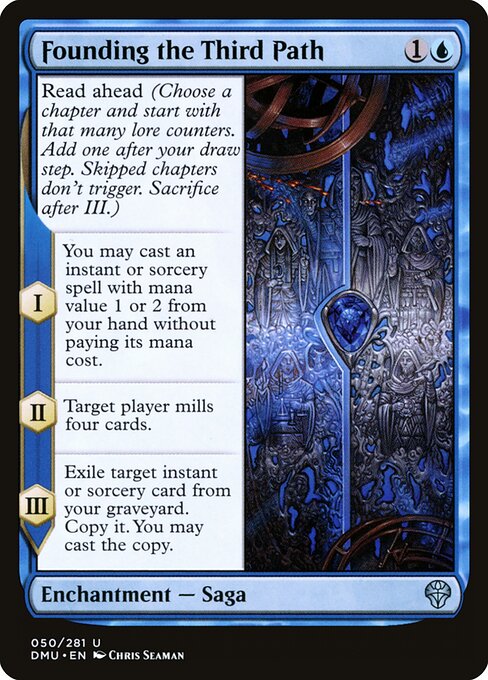
Our last deck that would not exist is Azorius Oculus. While this deck has fallen off a bit from its highs post Duskmourn release, it has continued to be a fringe player. Without Founding the Third Path to fill the graveyard and get value, and Haughty Djinn to finish off games, the deck would be a lot worse for wear.
While there are certainly replacements for those cards, the deck would also be missing several dual lands, making me think the deck would be a lot less popular without the change to rotation.
All Things Considered
With all of that considered we can see the pros and cons of the extended rotation cycle.
The pros are unique decks existing as real players in the format, such as Jeskai Convoke and Azorius Oculus, forcing players to be prepared for a variety of strategies and keep their decks from getting too greedy.
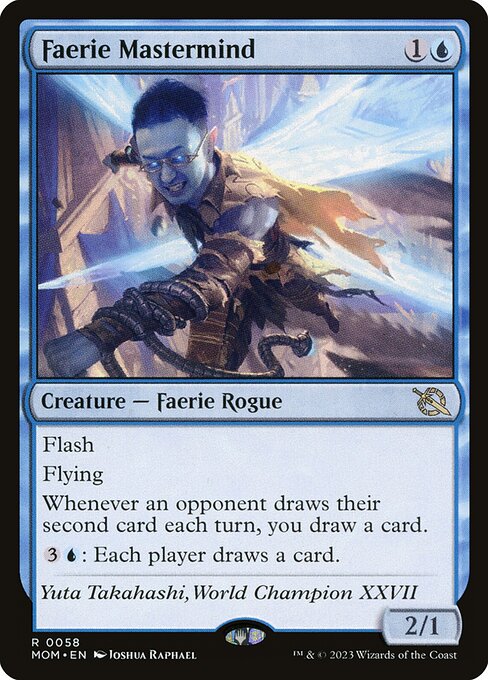
The cons, on the other hand, include old cards keeping new options from seeing play, such as Faerie Mastermind and Sunfall, and cards and strategies getting stale to play against, such as Sheoldred, the Apocalypse.
Another con, in my personal opinion, is the better mana bases. When mana bases are too easy and too good, two color decks just become a given. We see this in Standard with the builds of Mono-Red Aggro that play a ton of Gruul dual lands just for a few green sideboard cards.
Instead of making a tough choice between playing Mono-Red and having great mana but fewer sideboard choices, and Gruul and having slower/worse mana but better sideboard choices, this deck gets the best of both worlds without paying any real cost.
This leads me to think that the results of the change to rotation have been largely negative, as while we may have a few more decks to play with, in general card diversity is lower because of how good some of the cards from that year in Standard are, and mana is way too good for a format like Standard.
And really, it is just a handful of cards from those sets that see play, as most of the cards from those sets have been forgotten or outclassed, meaning that the cards that do see play are just keeping new cards from getting a chance to shine.
I think the one reason that Standard has felt fresh despite this is because of how good the Red creatures from the past few sets have been, making aggro feel completely new, and new cards like Enduring Curiosity and Unholy Annex shaking up midrange builds.
I don’t think that Standard is bad, I think that Standard is quite good, and for now they are still able to shake up the format each set with new and interesting cards. I hope that it continues to be that way, but I am worried that as they add even more sets to Standard starting in 2025, we will start to see the same things more and more.
Wrapping Up
But what do you think? Do you think that Standard rotation has been a positive or a negative for the format? Have you played more Standard or less Standard since the change?
Standard used to be my favorite format because of how impactful each set release felt. Brewing was so fun with a small card pool, and unique and interesting cards got to see play instead of just the most efficient threats and answers.
This is part of why I switched to playing Alchemy a year ago, which lead me to start writing about MTG just a few months later, so I suppose in a way I should be grateful for the changes to Standard rotation for getting me to branch out.
Regardless, I hope this article was helpful in showing the impact of the changes to rotation on the current format, and helpful in getting you to organize your own thoughts. Regardless of what formats you played this year and what formats you plan on playing next year, Happy New Year and I’ll see you all in 2025!
Premium
Enjoy our content? Wish to support our work? Join our Premium community, get access to exclusive content, remove all advertisements, and more!
No ads: Browse the entire website ad-free, both display and video.
Exclusive Content: Instant access to all exclusive articles only for Premium members, at your fingertips.
Support: All your contributions get directly reinvested into the website to increase your viewing experience!
Discord: Join our Discord server, claim your Premium role and gain access to exclusive channels where you can learn in real time!
Special offer: For a limited time, use coupon code L95WR9JOWV to get 50% off the Annual plan!