Heyooooo! Welcome back to Fun & Jank Episode 84. I have quite the doozy for ya this week.
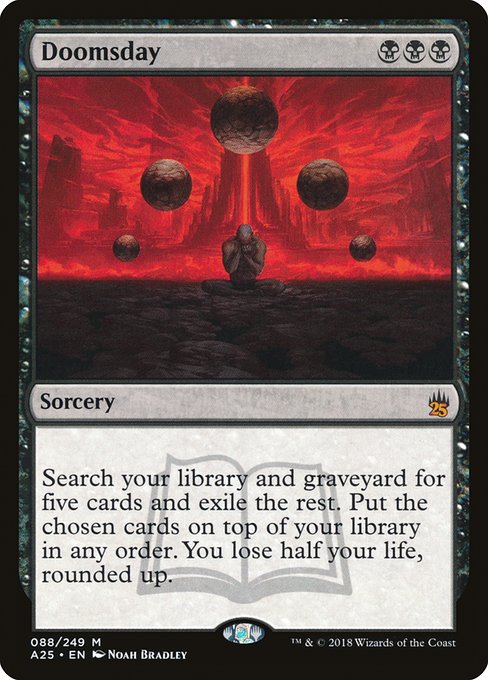
If you haven’t done so already I highly recommend you check out last week’s article. It has some general ideas and philosophy behind how we might make Doomsday work in Historic. Now, I didn’t explore every possible version of the deck. Most notably I didn’t talk about any Storm builds with cards like Culling the Weak or Tendrils of Agony. So instead of doing what any good content creator would do and take you through those versions of the deck, I’m just going to show you an absolute abomination of a deck I brewed this week instead.
While we were testing out some other Doomsday builds on stream last week I had a eureka moment. I was just staring at the UB Frog version and the setup we were running. Jace, Laboratory Maniac, Cantrips, Counter Magic, etc and it just kind of clicked in my head that we we’re basically already 70% of the way to a traditional Tainted Pact build.
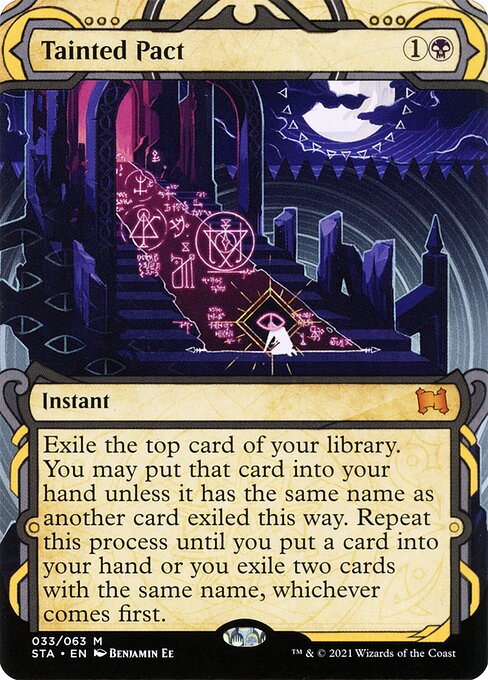
When you strip away the formatting constraints, Doomsday and Tainted Pact are trying to accomplish the exact same gameplan: you stall the board, play defensively, and then resolve a single, high-stakes card that essentially wins you the game (we hope).
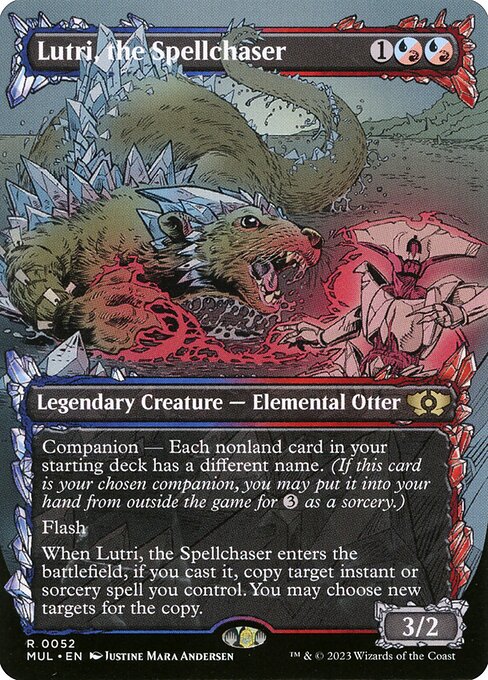
By leaning into a singleton structure to make Tainted Pact work, we naturally unlocked access to Lutri, the Spellchaser as a companion. And since we’re already doing stupid stuff, I decided I might as well play 80 cards because more cards = more fun.
Card Selection
So with all that in mind let’s talk about the deck philosophy. At it’s core, we’re basically a big ‘ol midrange pile. We’re hunting for best-in-slot card quality because playing a singleton deck means we lose a lot of consistency as we no longer get to jam playsets of our best cards. Your only defense is ensuring that every single card you naturally draw is strong on its own or contributes to a specific goal.
So our card selections serve three purposes. We’re looking for cards that are high quality, contribute to a Doomsday pile, or contribute to a Tainted Pact combo. It’s even better if we can find a card that does all three! We want our cards to be pulling double or triple duty because we can’t really afford any dead weight in a singleton list. Our interaction should be combo protection, and our value engines should act as pile crackers.
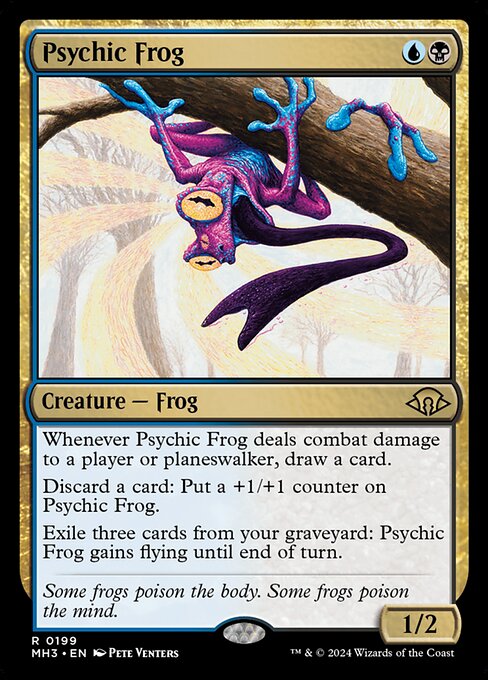
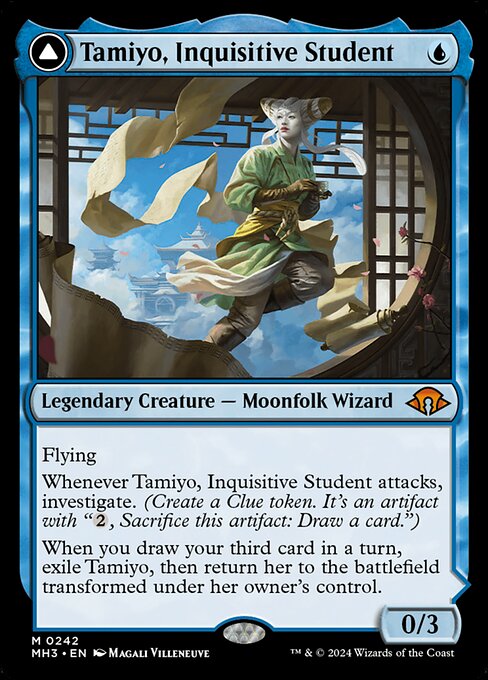
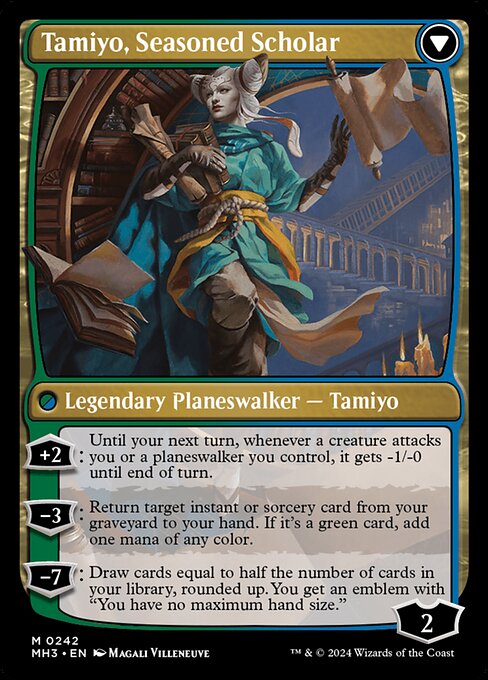
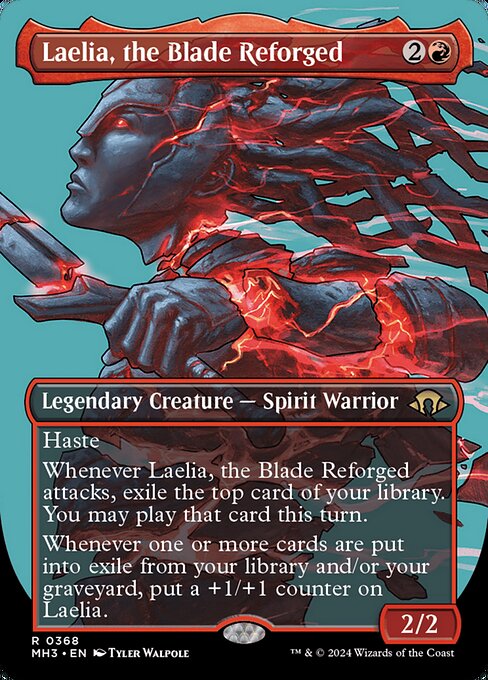
Although our creature suite is rather small, most of them are incredibly powerful by themselves or directly enable a win condition. Cards like Psychic Frog, Tamiyo, Inquisitive Student, and Laelia, the Blade Reforged demand immediate answers. If our opponent respects the combo and holds up countermagic, these cards completely punish them by running away with the board.
The main reason I splashed into White and Red was to gain access to premium interaction and card advantage that can stabilize a messy board state against the current meta decks. It also gives us access to some solid utility.
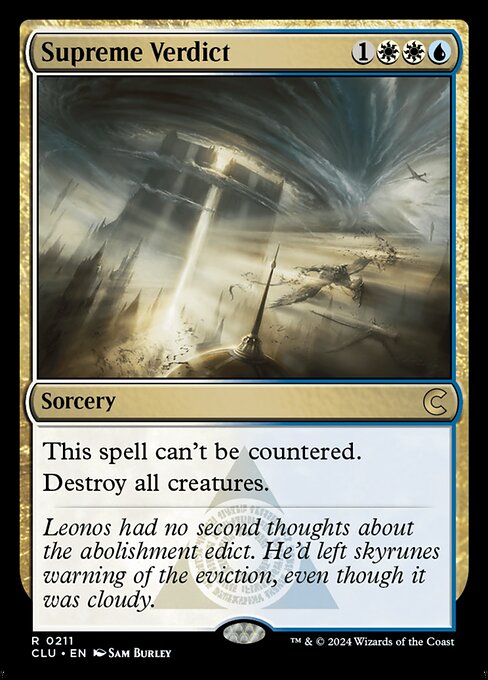
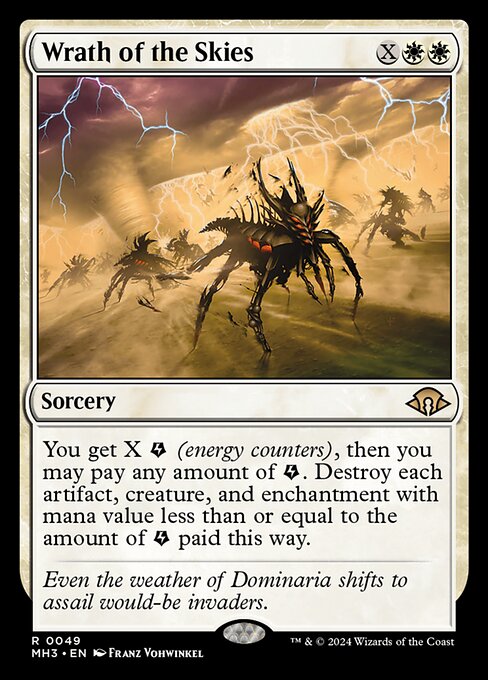
Supreme Verdict & Wrath of the Skies: Un-counterable or hyper-efficient board wipes are a must. There’s plenty of decks that can out-speed a traditional 1-for-1 gameplan.
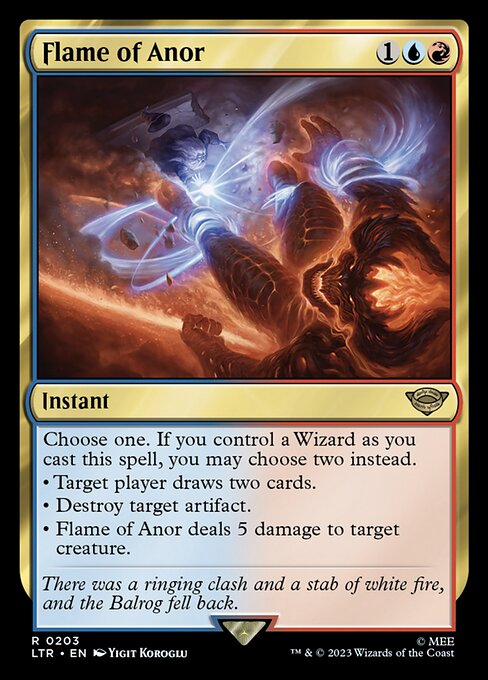
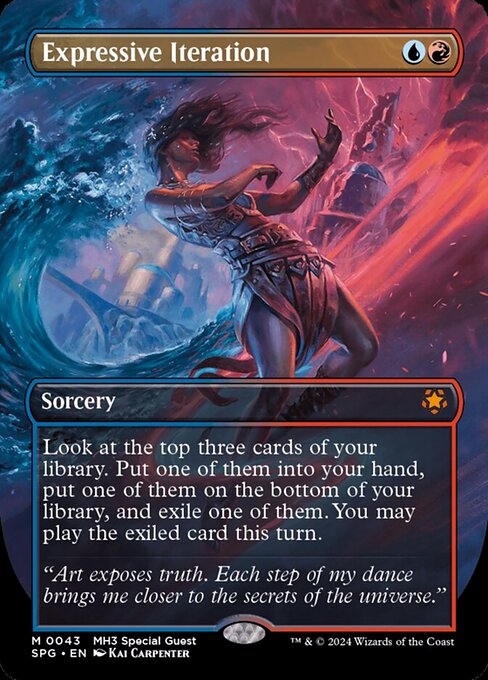
Flame of Anor & Expressive Iteration: Great reasons to be in Red. Expressive Iteration digs deep for our combo pieces, while Flame of Anor acts as a 2-for-1 removal and draw spell thanks to our healthy count of Wizards (like Snapcaster Mage, Jace, and Tamiyo).
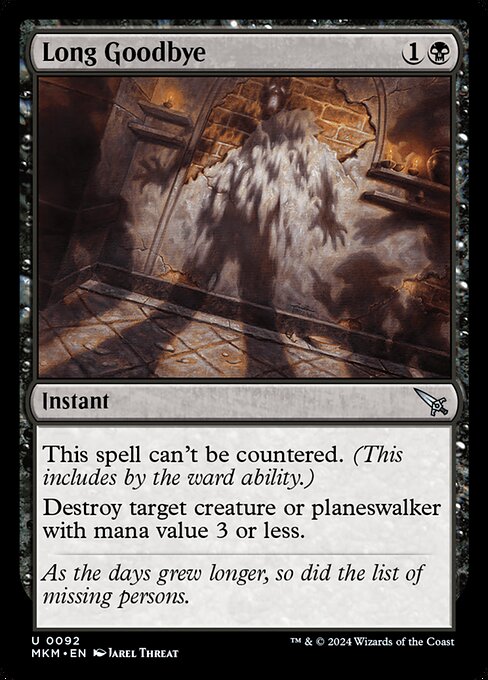
You’ll also notice I’m playing a ton of cheap interaction in form of both counterspells and removal. This is mainly just to deal with the current meta, aka UB Frog and friends. In all our initial testing the problem I ran into the most was a lack of removal for a runaway threat. Frog, Barrowgoyf, Quantum Ridder, Lightpaws, etc. These are all cards I want to be able to interact with early (or late) for cheap so that I can keep pace in both speed and resources against the other grindy decks in Historic.
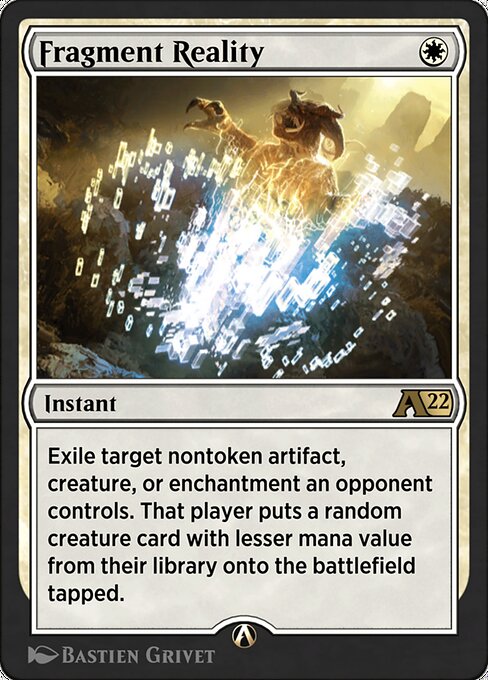
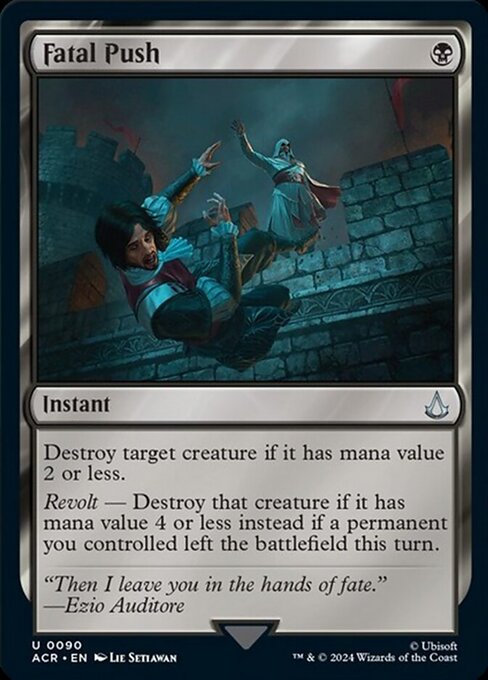
Cards like Erode, Fragment Reality, Fatal Push, and Sheoldred’s Edict are all premium removal spells that I felt I needed in the list to contend with the metagame. The deck was originally just Grixis, but I think access to white removal and board wipes, along with great sideboard options, was necessary to make the deck playable on the ladder.
Interactions and Combo Lines
There’s a lot to cover in this list, but I want to take you through a few piles and combos to give you a general idea of what kind of lines to victory you have at a given moment.
Similar to my last article, I’ll show you some graphics with a short explanation of how they work. However, I’m not going to spend time explaining the starting requirements for each one. Almost all of these are Pass-The-Turn piles unless you have the necessary mana and cards to crack the pile the same turn. Many of the cards in these piles can be substituted for others depending on the situation and what you have in hand.
Let’s start with some Doomsday piles:
1.) Raptor Pile
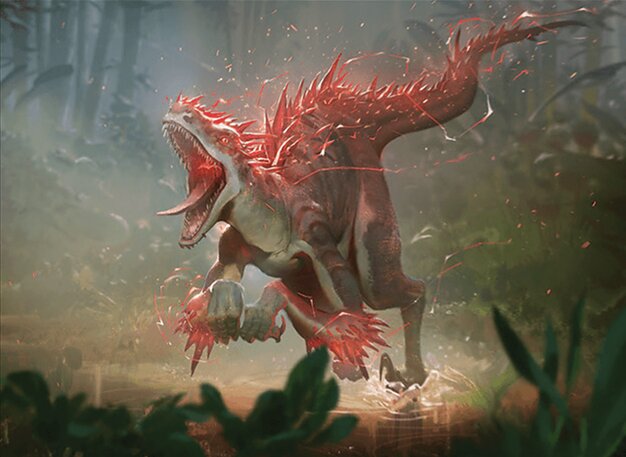
Tune the Narrative gives you two energy and draws you into Raptor. Then you cast Raptor gaining two more energy and spin directly into Jace, casting him for free. Activate his +1 to mill the remaining cards in your deck and win the game.
2.) Emperor of Bones Pile
Cast Thought Scour to mill Emperor and Ulamog and draw into Unearth. Unearth your Emperor of Bones and exile Ulamog with its pre-combat trigger. Then you activate Emperor to give yourself a hastey 17/17 Ulamog, which is usually enough to win.
3.) Treasure Cruise Pile
This would most likely happen later in the game, but is just one example of a pile that also has back up protection.
Cast Treasure Cruise to draw Lab Man, Flame of Anor, and Pact of Negation. Play the Lab Man, then cast Flame of Anor to draw two cards from your library (which has one card left) and win. Pact of Negation acts as protection for the combo.
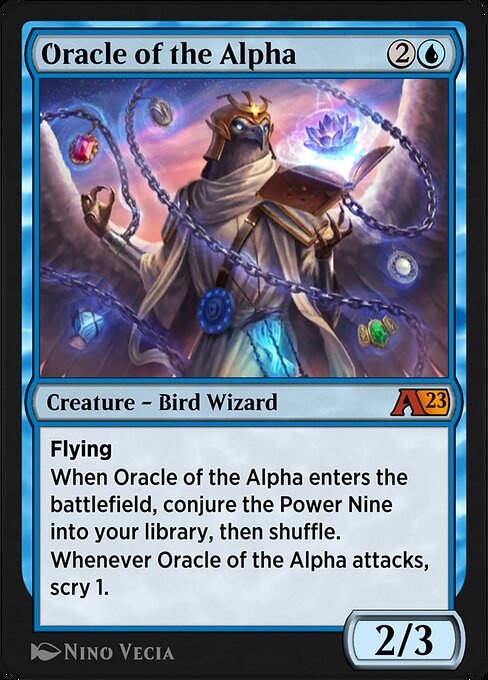
This one is a little different since you need to have casted Oracle of the Alpha before casting Doomsday. Once you do, you simply cast Ancestral Recall to draw Black Lotus, Mox, and Jace. Then use your free mana rocks to cast Jace and +1 to mill and win.
5.) Shelldock Isle Pile
This is simple, but a pile I used often. It’s a bit slower since Shelldock Isle enters tapped. You play the Isle, exiling Emrakul. Then activate it’s ability to cast Emmy for just a single mana on the following turn. I love this one because it plays great against countermagic, and you get an extra turn out of it even if Emrakul doesn’t resolve. Most of the time I’ll throw Pact of Negation, Counterspell, or Jace at the bottom of the pile to make sure Emrakul can stay on the board and close things out, or have an alternate win-con if things don’t work out.
Like I mentioned above, you’ll often change the content of your piles depending on the situation at hand. You’ll swap card draw, counter magic, and win conditions often and I discovered new piles and lines I didn’t even know I had almost every game we played on stream.
Let’s move onto a few lines that come up fairly often with Tainted Pact, which is the other main combo we use in this deck.
This is the classic combo that we’ve seen in Historic before, You cast Tainted Pact, then cast Lutri to copy it. The copy exiles your deck until you find Laboratory Maniac or Jace, Wielder of Mysteries, then the original copy exiles the rest of your deck (or leaving just a few cards) so you can win via Lab Man or Jace.
This is basically the same combo as above, but using Easel to copy Pact instead of Lutri. Easel incorporates UR into Tainted Pact’s casting cost, making it 4 mana total. This has a bit more utility than the version above with Lutri because it also allows you to combo off later on by flashing back your modified Pact with Snapcaster or Jace, Telepath Unbound.
This one is rather straight forward and can offer a quick win under the right conditions. With Laelia on board you can simply cast Tainted Pact and exile a chunk of your deck. Laelia receives a buff for each card exiled. So if you get rid of 17 cards, Laelia becomes 20/20 and can OHKO your opponent if the board is clear.
Funnily enough you can also just use Tainted Pact in a Doomsday Pile:
Just cast it to find Jace, play ’em, and the activate his +1 to win. Neat!
If for some reason you’re having a mental breakdown and decide you want to play this deck, I hope your find it as challenging, rewarding, and fun as I did. It feels so good to find a brand new line to get you out of a tight spot and win from out of nowhere. And the combo possibilities make it an extremely engaging deck to play mentally.
Gameplay
(Note: This is gameplay of an earlier Grixis version of the deck.)
Even in its earlier, more restrictive Grixis iteration, this archetype felt remarkably robust. The primary issue I ran into during that initial testing run was a distinct lack of clean, unconditional answers for threats at any point on the curve. You’ll notice we lost in the “mirror” of UB Frog because they have such consistent and high card quality. For the other decks like Samwise combo (win) and Yawgmoth (loss) you’ll notice how much variation the deck can have with how its answers line up to opposing threats.
That kind of bottleneck is the main reason I went off the deep end and took this into 4 colors. Adding tools like Fragment Reality, Prismatic Ending, and board wipes like Supreme Verdict and Wrath of the Skies improved our speed and resource pacing issues against the other top-tier grindy decks in Historic.
When you watch the gameplay footage, you’ll notice the matches generally follow a very distinct script:
The Early Game: Survive and Distract. Your priority here is simply staying alive and trading resources. You throw out cheap removal and hand disruption to throw the opponent off balance. If you drop an early Psychic Frog or Laelia, you aren’t necessarily trying to combo off yet, you are trying to present a threat to put them on a clock that forces them to react to you while you sculpt your hand.
The Mid-Game: Once the board state chills out or your opponent taps out to deal with one of your midrange threats, you try to pivot. Usually this doesn’t happen the way you plan, and you’ll end trading resources for awhile until you find an opening for Doomsday or Pact.
The End Game: Once the combo resolves, the game state shifts entirely into a solitary puzzle. Even if you made a few sub-optimal choices during pile construction in the heat of the moment, the raw redundancy of having secondary win-cons gives you an absurd amount of leeway to find a victory.
One of the biggest takeaways from the streaming sessions was just how much the singleton structure works to your advantage in real-time matches. Traditional 60-card decks are predictable; once an opponent sees your first few lands and spells, they can guess 95% of your exact main deck.
With this 80-card beast, your opponent has absolutely no idea what is coming next. They have to play around everything and nothing all at once. The sheer psychological pressure of having no idea what we’re about to do is actually quite the advantage. They will hold up mana for counterspells that you can easily ignore, or burn premium removal on temporary distractions.
You’ll also notice that even with the earlier version, Side boarding was sometimes quite difficult. I had to really think and talk through what was good/bad/necessary/dead in a given matchup and cherry pick specific cards I could swap them out for. It felt like it was all about judging the right ratio of interaction to creatures to combo pieces. You really have to think about the most likely (and optimal) ways you’ll win against the opponent’s deck each game and tune the list to get there.
Closing Thoughts
If you are looking for a deck that challenges you mentally every single turn, this is it. Taking this 80-card monstrosity through its paces was a delight. We definitely feel the absence of eternal-format staples. Lacking the raw velocity of free cyclers like Street Wraith or explosive mana acceleration like Lotus Petal means we have to work significantly harder for our wins on Arena. But even with the restriction of relying strictly on Pass-the-Turn (PTT) piles, the strategy feels more than strong enough to compete and catch the ladder completely off guard.
This is still the wild west period of the post-Marvel Super Heroes meta. Over the next few weeks, as more brewers experiment with Doomsday in different packages and discover more functional piles, we will likely start to see a homogenized and standardized set of piles tuned specifically for the Historic format.
Thanks for reading!
As always, feel free to comment and leave any questions you have below. And make sure to come back next week for even more Fun & Jank! If you’re interested in hearing about the other cards I’m excited to play with from MSH, check out a previous article: Historic Brewer’s Review – Marvel Super Heroes
You can also check out more Fun & Jank in standard with The MTG Hero here!
If you want to help me brew, come hang out with me on stream where we test, refine, and have a ton of fun together.
Happy Brewin’!
Premium
Enjoy our content? Wish to support our work? Join our Premium community, get access to exclusive content, remove all advertisements, and more!
No ads: Browse the entire website ad-free, both display and video.
Exclusive Content: Instant access to all exclusive articles only for Premium members, at your fingertips.
Support: All your contributions get directly reinvested into the website to increase your viewing experience!
Discord: Join our Discord server, claim your Premium role and gain access to exclusive channels where you can learn in real time!
Special offer: For a limited time, use coupon code L95WR9JOWV to get 50% off the Annual plan!
Plum is the creator of the Jank Tank.
He started playing at the ripe old age of 12 and immediately fell in love with the infinite possibilities that deck building could lead to.
He truly understands that jank is a mindset, and spends most of his free time brewing and concocting new and exciting deck lists to help inspire and promote creativity within the MTG community.