Welcome back to this week’s episode of Fun & Jank! For the past couple articles we’ve been working a lot on trying to figure out Doomsday in Historic. This week, we’re going to flip the script and talk about a long standing and classic archetype, but one that lacks a presence in Historic.
Burn!
The traditional strategy of just hurling lightning at your opponent’s face until they die has fallen out of favor. While it still pops up from time to time in most eternal formats, there’s a distinct lack of a traditional burn list in Historic. We have Wizards, Gruul Berserk, RDW, etc. but nothing that mirrors the classic shells.
And before we get into how I made it work despite all the hurdles Historic threw at it, let’s discuss a little bit about why I don’t think burn has the chops it needs to be a regular contender on the ranked ladder.
Why Classic Burn Sucks
If you step onto the Historic ladder with a traditional Boros or Mono-R Burn list, you are going to run into a wall very quickly. In my opinion, there’s two major factors leading to its fragility.
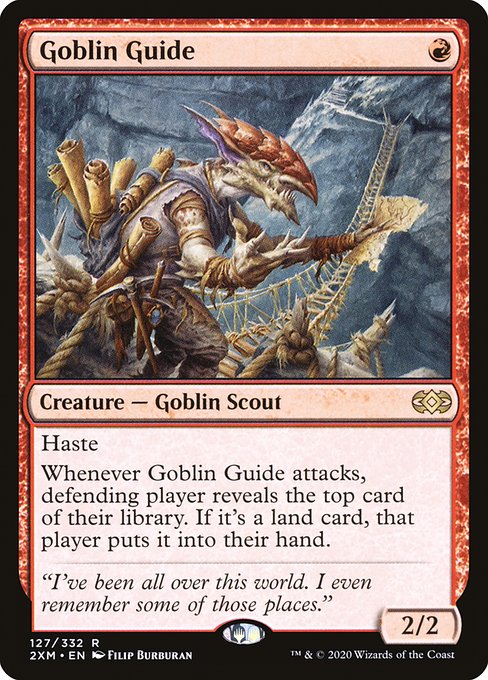
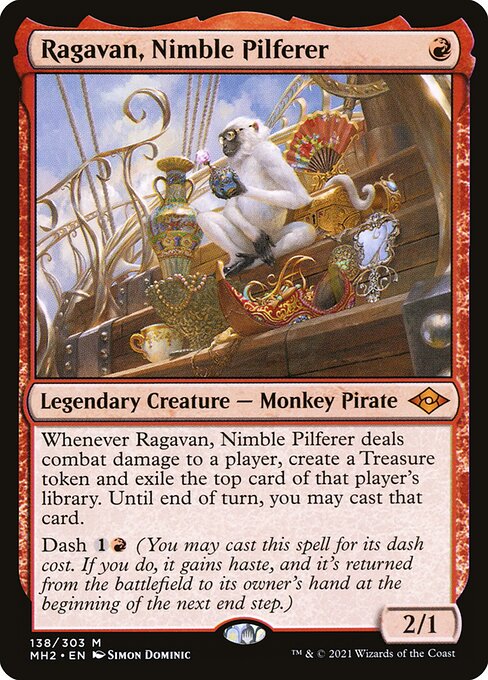
A Severe Lack of Premium Creatures: Beyond Monastery Swiftspear, the options for aggressive, scaling low-drop creatures in Red are incredibly underwhelming. If your opponent handles your turn-one play, you are left playing a fair game against heavily synergistic midrange engines. Goblin Guide (and Ragavan) are the premium one-drops that Modern and Legacy burn have access to, but aren’t there in Historic. Swiftspear and the pseudo-creature Kumano Face Kakkazan can be great, but they don’t hold up to their eternal counterparts.
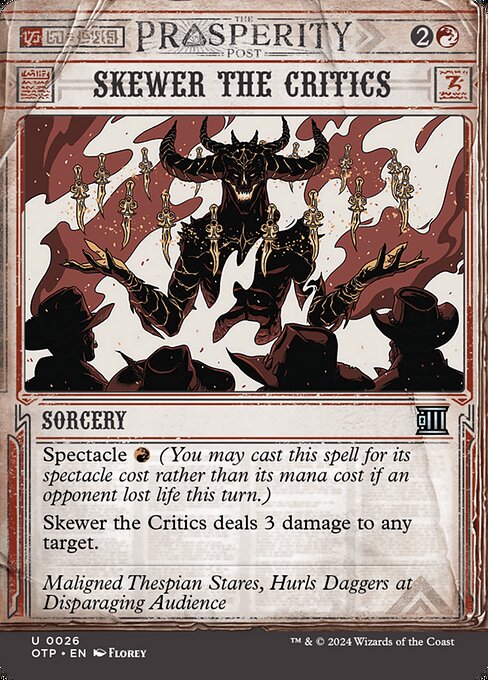
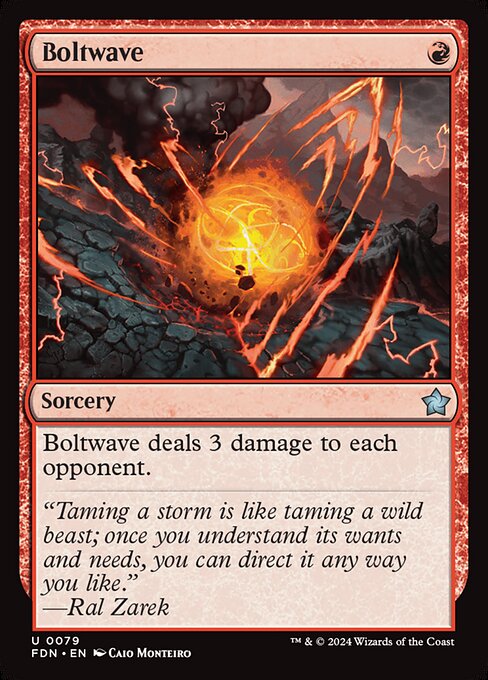
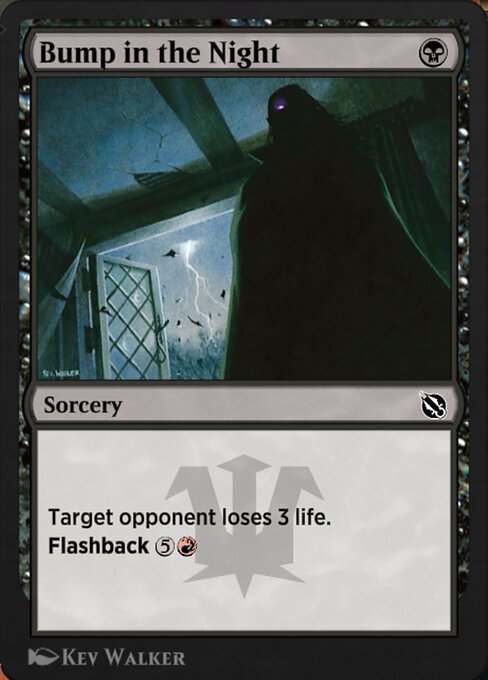
The Card Quality: Classic Burn runs out of steam. If your opponent resolves a single life-gain piece or counters your top-decked spell, you are completely dead in the water. Top-decking a 1-mana spell that deals 3 damage on turn five simply doesn’t cut it when other top-tier decks are drawing cards by the handful. Historic Burn lacks good burn. Sure, we have a variety of Bolt variations like Boltwave, Bump in the Night, or Skewer the Critics, but we don’t have actual Lightning Bolt. Even the lack of Rift Bolt effects the deck’s speed and utility greatly.
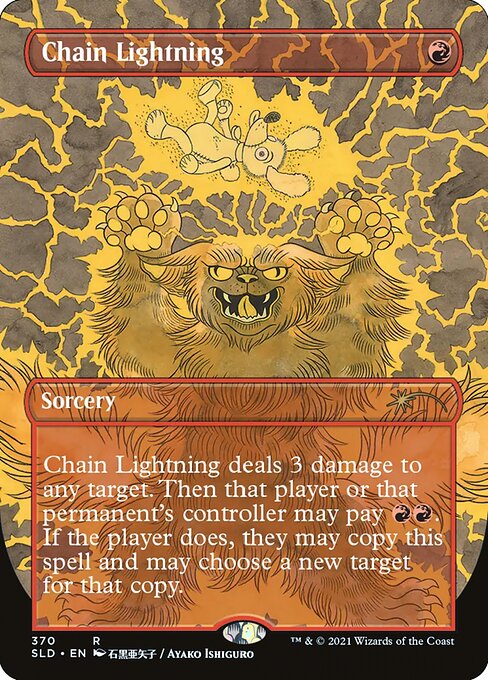
Modern and Legacy burn can use their Burn as Removal and vice versa. The cards mentioned above available to us in Historic don’t have the flexibility. Besides Chain Lightning and Skewer the Critics, all of our one mana Bolts only go to the face. That hinders the ability to play a more controlling game against creature heavy decks.
Even if we look to the much more powerful Legacy lists, you’ll notice they have “hay-makers.” that provide even more damage to help close out games. These have a much stronger effect compared to their cost, such as Price of Progress. That means in format full of a ton of incidental life gain and grindy shells, you’ll often lack the power to fuel to actually finish off your opponent before they can crawl their way back. Your burn spells aren’t strong enough to make up for a lack of quality creatures, and your creatures can’t make up for a lack of quality Burn. We need both to win.
To win with Burn in the current landscape, you can’t just be fast; you have to find a way to maintain card velocity without sacrificing your aggressive low-to-the-ground curve.
Building Historic Burn
My plan to fix these problems came in two parts. First, we’re playing some new tech that was shown to me by discord user Puree, and his name is Stick, Fearless Mentor
I know it doesn’t look like much, but trust me, this card can be absolutely insane. A 2/1 first strike body is decent for an aggressive shell, but I’m mainly after his second ability.
“Whenever a source you control deals damage to you, exile the top card of your library. You may play it until the end of your next turn (triggers only once each turn).”
Basically, every time we deal damage to ourselves, we get an impulse draw. This ability can be triggered twice per turn cycle, and the cards stick around until the end of your following turn. Which is crazy!
And you know what’s a staple in almost every burn deck since it was printed?
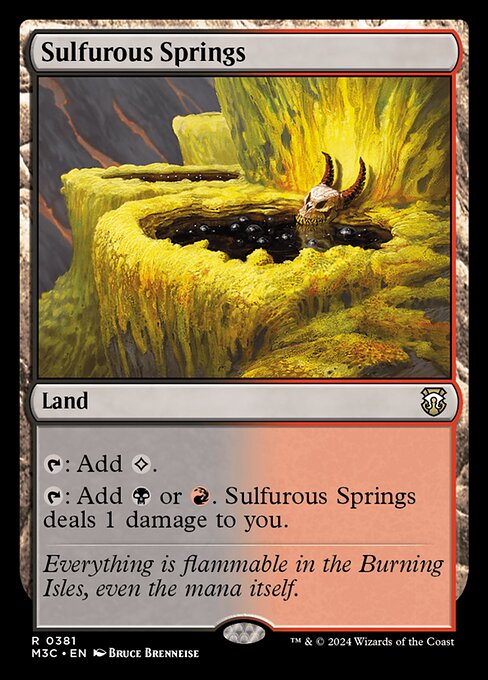
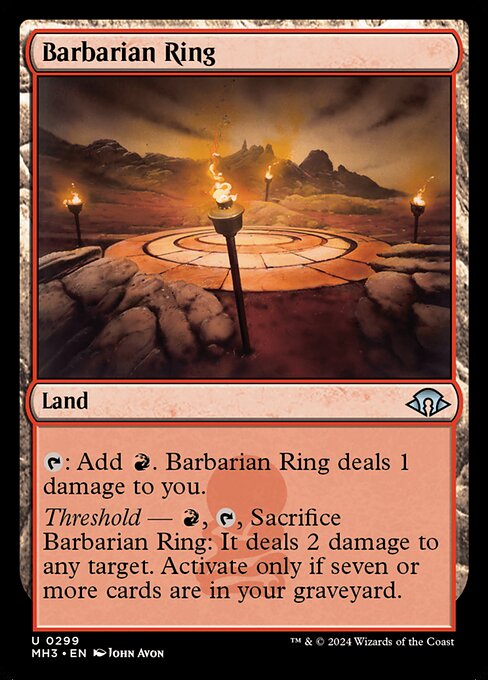
Instead of jumping through complex hoops or playing expensive card-draw spells, Stick turns our own mana base and passive hate pieces into a continuous stream of cards. Tapping a pain land for colored mana on your turn triggers an exile; tapping it again on your opponent’s turn to cast an instant-speed spell yields another card (make sure you set a stop o ruse full control). That means cards we already want to be playing, like Barbarian Ring, can now act as an engine while Stick is on the field.
So with this guy in mind, let me show you the initial build we tested on stream.
This first draft of the deck was rather simple to assemble. I tried to take the most efficient Burn we have available (Lightning Bolt clones) and pair it was a small creature base that also featured Stick, Fearless Mentor.
To make the engine work, the deck required hyper-efficient, 1-to-2 mana burn spells that could easily target the opponent’s face to maintain an aggressive clock:
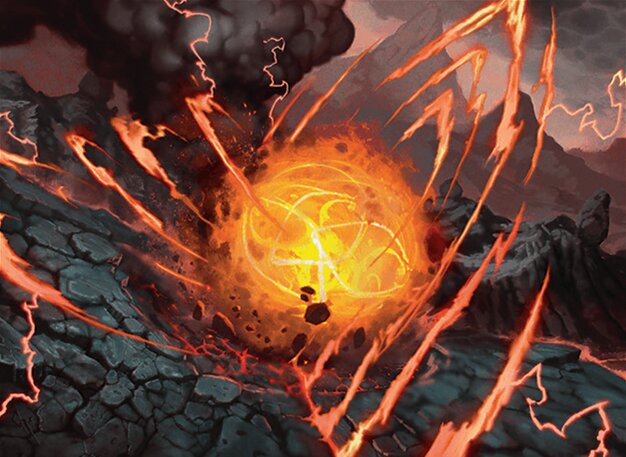
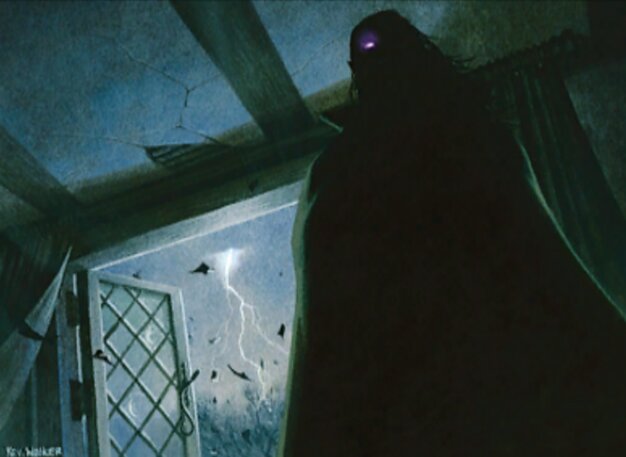
Bolt Clones:Chain Lightning and Boltwave provided the deck with premium, highly efficient reach. Meanwhile, splashing black unlocked Bump in the Night. Not only is Bump an incredibly mana-efficient way to chunk an opponent’s life total, but its Flashback cost gave the deck crucial late-game utility straight out of the graveyard.
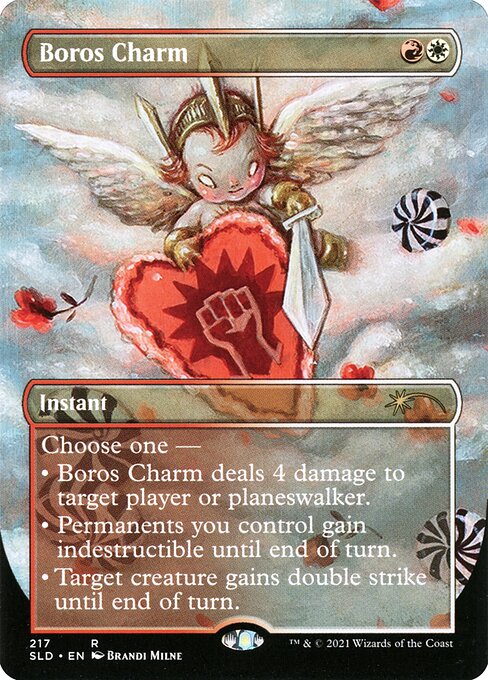
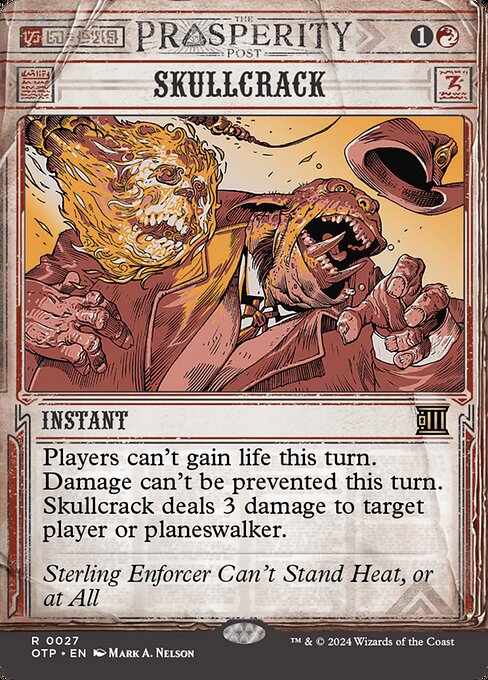
Heavy Hitters: Boros Charm remains one of the absolute best reasons to slide into white, threatening a massive 4-damage chunk at instant speed or providing an indestructible shield for your creatures. And although Skullcrack doesn’t crack for more, the ability to prevent life gain and push damage through proved to be a necessity.
In this initial configuration, the game plan was pretty streamlined. You would lead with an turn-one threat like Monastery Swiftspear or Kumano Faces Kakkazan, drop the opponent’s life total early, and then deploy Stick to get more gas. Using your lands to help “draw” two additional cards each turn cycle proved to be an incredible way to close out games.
Upgrades
Our first of run with deck wasn’t too impressive, but it did confirm a few things we’ve talked about already.
Burn is at least viable, and can win games.
Stick was an incredible form of card advantage.
We need burn spells with a bigger impact to close things out.
While the initial prototype proved that Burn is absolutely viable in Historic, it also highlighted a critical bottleneck: we needed our burn spells to have a much bigger structural impact to close out games against the top tier of the meta. But spinning our wheels with small, efficient pings wasn’t enough when opponents started deploying massive, game-winning threats or stabilizing their life totals.
To crack the upper echelons of the ladder, we needed cards that could swing a match entirely on their own. So I started hunting through the card pool and came across two possiblities.
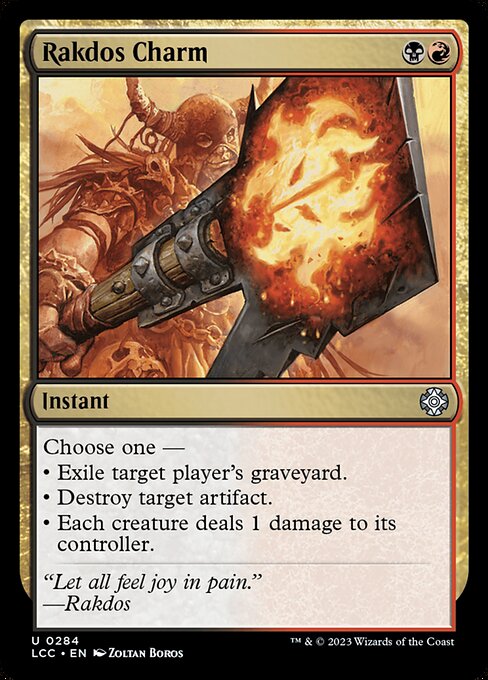
During testing, we initially looked at Rakdos Charm as a flexible silver bullet. Against go-wide creature strategies like Elves that ruthlessly dump their entire hand onto the battlefield, Rakdos Charm’s third mode (“Each creature deals 1 damage to its controller”) promised an incredible damage-to-mana rate, easily chunking opponents for 5+ damage for just two mana. Combine that with its baseline utility as artifact removal or a graveyard wipe, and it seemed like a slam dunk.
And it was good! But there were quite a few matchups where it didn’t do as much as I needed it to. So back to the card gallery I went and that’s when I came across an old favorite of mine.
The Historic meta is absolutely packed with incidental lifegain engines that typically spell doom for a Burn deck, think Barrowgoyf or a creatures with Sheltered by Ghosts attached. But he meta also happens to have some very very heavy hitters and win conditions like reanimated Ulamogs or Goblin Charbelcher.
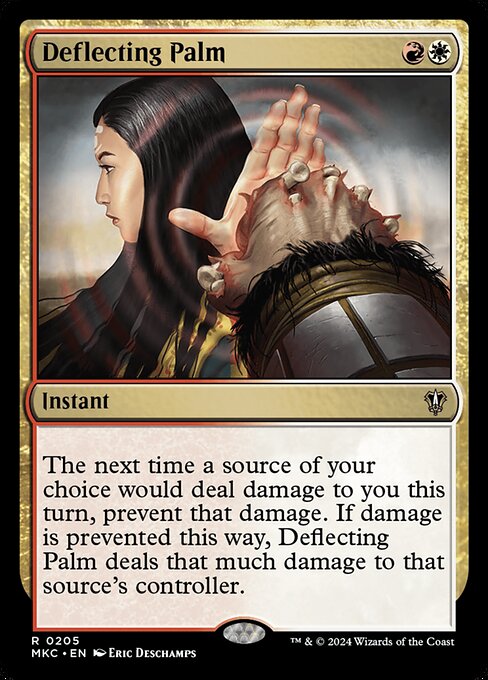
Palm helps against both of these problems. Not only does it prevent damage, meaning the opponent won’t gain any life, it also redirects it.
Let me tell ya, using Deflecting Palm on an opponent’s Goblin Charbelcher activation feels like crack.
The best part is, Palm also gets around Hexproof because it says “choose” instead of “target.” So that giant Lightpaws swinging in for 19 damage with lifelink and ward? It just bounces off and your opponent takes 19 damage instead. The Kappa Cannoneer thats now a 15/15? Nada. Nothing. No Effect. How neat is that?
There was even a couple games where my opponent swung with a 17/17 Ulamog and made me sacrifice my whole board to the annihilator trigger. But I simply floated a couple mana, casted Deflecting Palm on Ulamog, and suddenly they were dead instead of me!
I was impressed by it every time we had it, and it was useful in a variety of matchups that Charm didn’t. So I changed some number around, and ended up with the following:
(note: this list does not display 4x Stick, Fearless Mentor)
Let’s talk about the general changes.
1.) We trimmed the Barbarian Rings and cut Den of the Bugbear entirely. While utility lands are nice, I needed to make sure I could hit the mana requirements for our off-color spells consistently.
2.) I found that Skullcrack was still a necessity even after jamming Deflecting Palm in the mainboard. I ended up with a 3/3 split for each. Palm could handle big threats with lifegain, but we need Skullcrack for Guide of Souls, Ocelot Pride, and other similar cards.
3.) A lot of losses came from combo or one-trick-pony decks (Reanimator, Storm, GR Woodland) just being faster that we were. To account for that I ended up keeping the Roiling Vortexes around, but moved them to the sideboard. Between Vortex, Magebane Lizard, Tokka & Rahzar, and Rest in Peace we had plenty of “hard” counters to the decks we were weak against. Plus, it’s nice that cards like Lizard and Vortex still contribute to our regular game plan, too!
Gameplay
I did my run to Mythic mainly off stream, but ended up at #770 sporting a 61% winrate (a lot of matches we’re also played in Bo1 early on).
A 61% winrate is nothing too crazy(note this is combined across multiple versions), but to me it shows that the deck is at least viable to some degree on the competitive ladder. I had strong win rates against other Red Aggro (12-4), UW High Noon (7-5), and UB Frog (7-3), which are all pretty common on the ladder at the moment.
Besides something like Goblin Guide coming to Arena, I think the biggest upgrade this deck could get is Bolt clones that can actually target creatures. Doesn’t matter if they’re instants or sorceries, just being able to throw a couple spells at problematic creatures early on would vastly improve this deck’s power and flexibility in a ton of matchups.
When you are piloting Matchstick Burn on the ladder, success comes down to a fine art of sequencing. Because this deck operates on such a tight mana curve, maximizing the value of every single point of mana and damage makes a big difference.
As a general rule, you do not want to run Stick, Fearless Mentor out on curve on turn two if you can avoid it. Because he is a must-answer target for removal, dropping him blindly into open mana usually results in a tempo blowout where he dies before doing anything. Instead, you want to treat him like a combo piece: hold onto Stick until you can drop him and immediately trigger a card exile on the exact same turn.
For example, waiting until turn three to play Stick and then immediately tapping a Sulfurous Springs or Battlefield Forge for colored mana guarantees you get an immediate card refund before your opponent even gets a chance to cast a removal spell, and you get a whole extra turn to actually cast it.
The most common exception to the holding rule comes down to your turn-one sequencing with Kumano Faces Kakkazan. If you lead with Kumano on turn one, its second chapter is going to trigger on turn two, forcing a +1/+1 counter onto the next creature you cast this turn. If Stick is the only creature in your hand, I wanted to be as resource efficient as possible and would often drop him just for the power boost.
Every point of damage counts!
Closing Thoughts
Speaking outside of the burn archetype itself, Stick was very impressive every time I played him. I’d say he’s comparable to Dark Confidant, but better. Burn seemed like a natural home for him, but I’m sure we’ll find a home for him somewhere else soon.
As for the archetype as a whole? It works! Takes a little effort to do so, but it’s nice to see a classic deck still have legs in newer formats. Despite being a rather straight forward deck it has a lot of play to it. Sequencing, Burn math, and catching people with their pants down with Deflecting Palm lead to some really fun and challenging games of Magic. I definitely enjoyed playing this deck more than I thought I would.
Not sure if 7 x 3 = 21 is relevant these days, but Burn can still get there.
Thanks for reading!
As always, feel free to comment and leave any questions you have below. And make sure to come back next week for even more Fun & Jank! If you’re interested in hearing about the other cards I’m brewing with from MSH, check out a previous article: Historic Brewer’s Review – Marvel Super Heroes
You can also check out more Fun & Jank in standard with The MTG Hero here! as he talks about Loki Bounce in Standard!
If you want to help me brew, come hang out with me on stream where we test, refine, and have a ton of fun together.
Happy Brewin’!
Premium
Enjoy our content? Wish to support our work? Join our Premium community, get access to exclusive content, remove all advertisements, and more!
No ads: Browse the entire website ad-free, both display and video.
Exclusive Content: Instant access to all exclusive articles only for Premium members, at your fingertips.
Support: All your contributions get directly reinvested into the website to increase your viewing experience!
Discord: Join our Discord server, claim your Premium role and gain access to exclusive channels where you can learn in real time!
Special offer: For a limited time, use coupon code L95WR9JOWV to get 50% off the Annual plan!
Plum is the creator of the Jank Tank.
He started playing at the ripe old age of 12 and immediately fell in love with the infinite possibilities that deck building could lead to.
He truly understands that jank is a mindset, and spends most of his free time brewing and concocting new and exciting deck lists to help inspire and promote creativity within the MTG community.