Plum (and a lot of players from last week's Pro Tour) are having a blast chucking Goyfs at people's faces. Check out his version of Cosmogoyf Fling for Historic!
Welcome back to Episode 87 of Fun & Jank! I’m your host, Plum, and today we’re going to start off by talking about the recent Pro Tour before jumping into some Historic discussion.
If you’ve been keeping up with recent high-level Competitive Magic, you probably saw the variety of sweet decks being played at the Pro Tour this past weekend. Tucked away with all the Boros Energy, Frog builds, and Affinity shells was a really freakin’ cool deck: Cosmogoyf Fling!
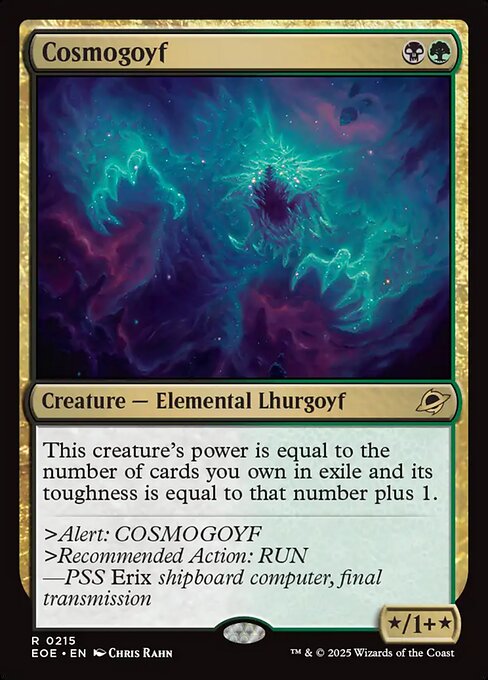
For the uninitiated, the star of the show is Cosmogoyf, a creature whose power and toughness scale directly with the total number of cards you own in exile. In Modern, people realized you didn’t need to play a slow, incremental exile game. Instead, they created this glass-cannon, using all-in exile tutors like Spoils of the Vault, Plunge into Darkness, and Serum Powder.
How does it work? 1.) Use pre-game actions like Devourer of Destiny and Serum Powder to exile chunks of your library for free while searching for combo pieces
2.) Cast a exile-enabling spell like Plunge into Darkness or Spoils of the Vault to exile a large chunk of your library and growing your Cosmogoyf into ~15/15 or bigger!
3.) Play your Goyf and Thud it straight to your opponent’s dome.
It’s fast, it’s fun, and strong enough to have 9 players jam it at the Pro Tour to good success! So naturally, the first thing I asked myself when I saw those coverage feature matches was: How can we play this in Historic?
Preliminary Idea
I probably sound like a broken record at this point, but yet again we’re drawn back to Doomsday (check out a previous article about it here). We’ve tried quite a few versions of Doomsday in Historic over the past few weeks, mainly focusing on a Dimir core. However, there was still an idea we hadn’t explored yet that I had been testing off stream. Jund Doomsday. Which also happened to use Cosmogoyf and a Fling effect to win!
In this case, Doomsday was both our tutor and enabler for our win condition. Once you casted it, you would usually grab the following pile:
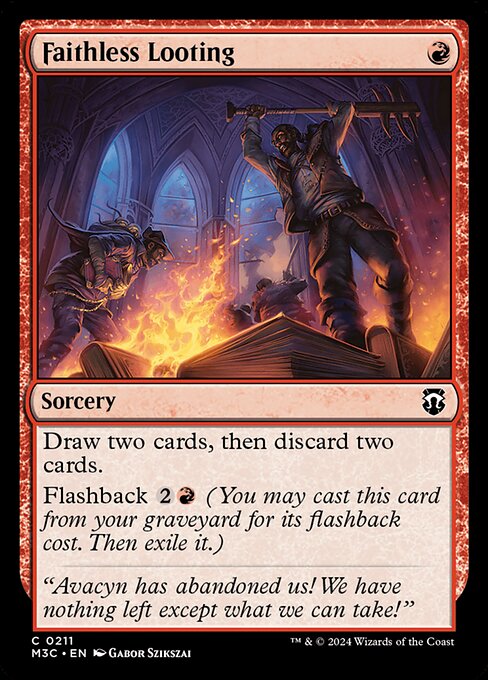
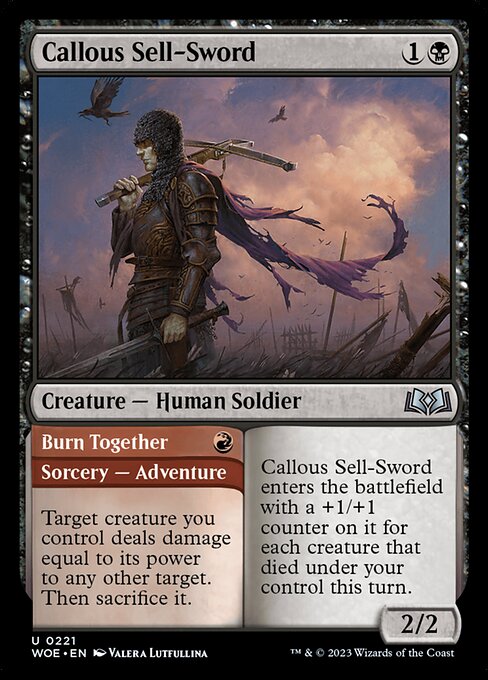
From there, we can cast Faithless Looting to draw into Cosmogoyf + Sell-sword. Then you simply cast Goyf and use Burn Together to throw it at the opponent. Since Doomsday exiles all but 5 cards from your deck, it will usually make our Cosmogoyf somewhere around a 40/40 or larger.
The rest of the deck was redundancy, protection, and tutors to try and pull off this combo as quickly as possible. But after some testing off-stream, I wasn’t happy with where the build was at and ended up dropping it so I can come back to it later with a fresh perspective.
Compared to the Modern counterpart, it lacked a lot of the tools necessary to make Goyf big enough to kill by the second or third turn. Without Spoils, Plunge, or Serum Powder, we have no way of powering up and tutoring for our pieces that would keep up with the pace of Historic.
Because Historic lacks Modern’s hyper-efficient glass-cannon tools, we don’t have a turn-two button that instantly exiles half our library while tutoring up our combo pieces. Trying to play a diluted version of the Modern build left the deck feeling too slow.
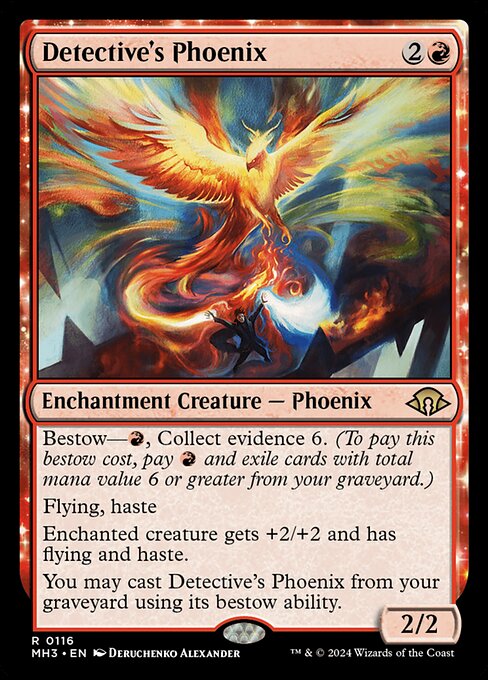
The breakthrough actually came while I was testing a completely different deck: a classic Rakdos Hollow One shell. I was messing around with Detective’s Phoenix, re-reading the fine print on the Collect Evidence mechanic, when the lightning bolt hit (get it?):
Collect Evidence N:Exile any number of cards from your graveyard with total mana value N or greater.
Notice that crucial phrase: any number of cards
If you want to satisfy Collect Evidence 6 to bestow Detective’s Phoenix from your graveyard, you don’t have to exile two 3-mana spells. You can exile any number of cards from your graveyard as long as the total mana value hits 6 or more.
Suddenly, the deck clicked into place:
Dump our deck into the graveyard as fast as possible.
Cast Detective’s Phoenix for its Bestow cost out of the yard, exiling our entire graveyard in a single trigger to satisfy the evidence requirement.
Cosmogoyf instantly grows to massive 15/15+ from all those exiled cards and gets bestowed with Detective’s Phoenix, gaining +2/+2, Flying, and Haste on the spot.
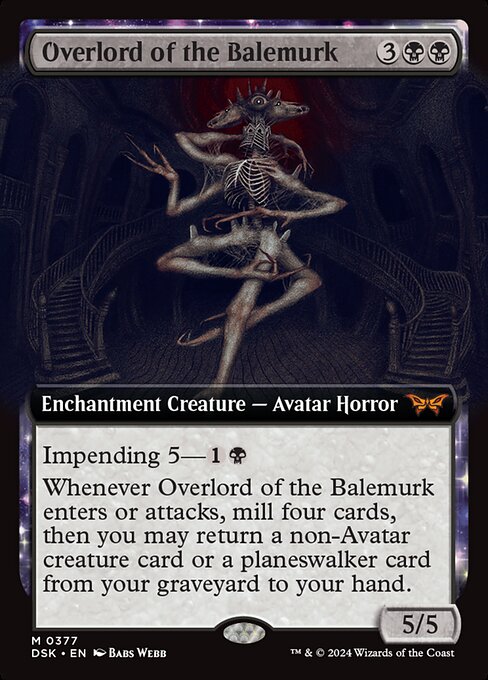
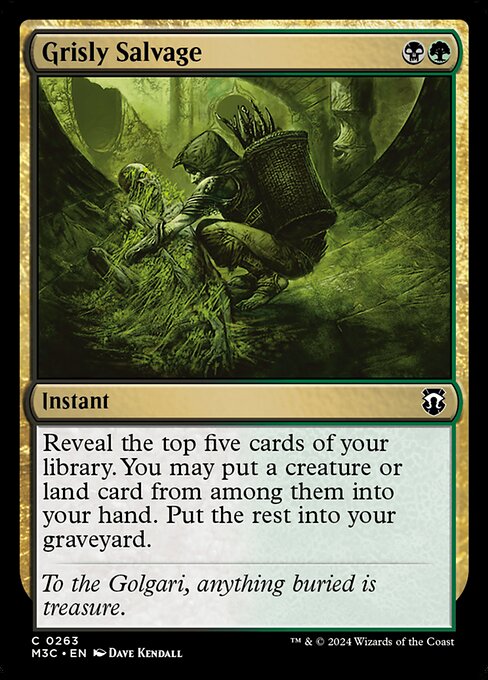
Fortunately for us, Historic actually has an incredible suite of self-mill tools to fill the graveyard in a hurry. Cards like Stitcher’s Supplier, Faithless Looting, Grisly Salvage, and Overlord of the Balemurk give us incredible early speed, dumping a good chunk of our library straight into the yard by turn two or three.
Because Cosmogoyf, Detective’s Phoenix, and Callous Sell-Sword (which is win-condition #2) are all creatures, the main cards we’re using to mill, like Overlord of the Balemurk and Grisly Salvage, can fill the yard and grab one our combo pieces at the same time. We get the added bonus of being able to bestow Detective’s Phoenix from the yard so we often don’t have to worry about having one in hand to win.
While running an all-creature combo package gives our self-mill tools incredible hit rates, it also leaves us vulnerable to a couple things, specifically targeted grave hate like Surgical Extraction (although we’ll talk about sideboard strategies later).
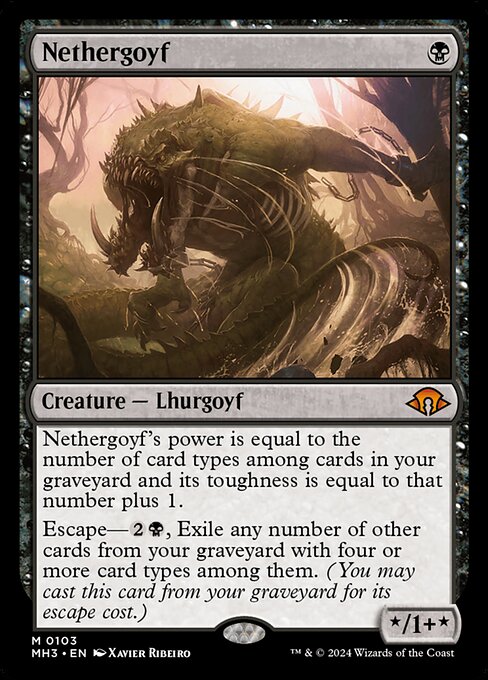
That’s where another trick borrowed from our Rakdos Hollow One testing comes into play: Nethergoyf.
Escape—{2}{B}, Exile any number of other cards from your graveyard with four or more card types among them.
It just so happens that Nethergoyf’s escape ability is a special case compared to things like Kroxa or Phlage. Much like Collect Evidence, Nethergoyf’s Escape cost reads “exile any number of other cards.” As long as you satisfy the baseline requirement of hitting four distinct card types among the exiled cards, you can sweep your entire graveyard into exile in a single cast.
This gives the deck two massive advantages:
Backup Engine: If Detective’s Phoenix gets exiled, targeted, or countered, Nethergoyf acts as a secondary mass-exile button straight out of the graveyard to power up Cosmogoyf.
Early Pressure: Nethergoyf gives us a cheap, efficient 1-mana threat that scales naturally with our self-mill plan, forcing opponents to burn removal early before Cosmogoyf even hits the battlefield.
By combining Detective’s Phoenix and Nethergoyf, we turn what could have been a fragile glass-cannon combo into a resilient, layered graveyard shell that can pivot whenever our primary win-con gets disrupted.
So with alllllll that in mind, let me show you where I’m at.
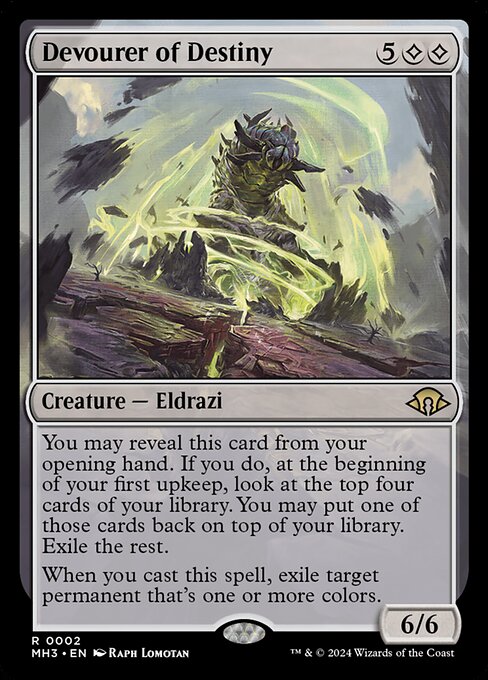
Devourer of Destiny Its opening-hand trigger lets us look at the top four cards of our library and exile one. Not only does this sculpt our early mana or dig for a combo piece, but it also gives Cosmogoyf an instant +3/+3 bump. Plus, if we somehow hardcast it late, it acts as a massive body that cleans up an opposing permanent. Great fodder for Collect Evidence 6 as well.
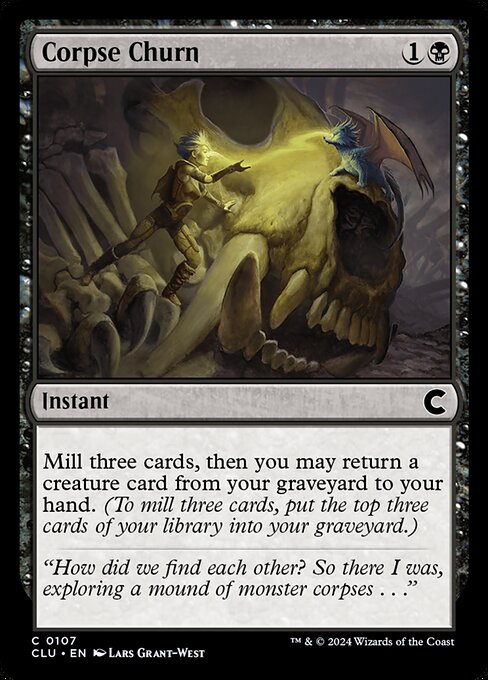
Corpse Churn, Overlord of the Balemurk, Grisly Salvage While Faithless Looting and Stitcher’s Supplier are your classic turn-one velocity plays, these three give us a bit more targeted consistency. Corpse Churn is a more recent addition to the shell, swapped out for Analyze the Pollen. I found that I desperately wanted another way to grab pieces of the combo that we had already milled, instead of having to dig even deeper. Corpse Churn seems to fit the bill so far. Instant speed is great, and although it only mills three, being able to bring back any creature from the yard has proven to be a great tool alongside Overlord.
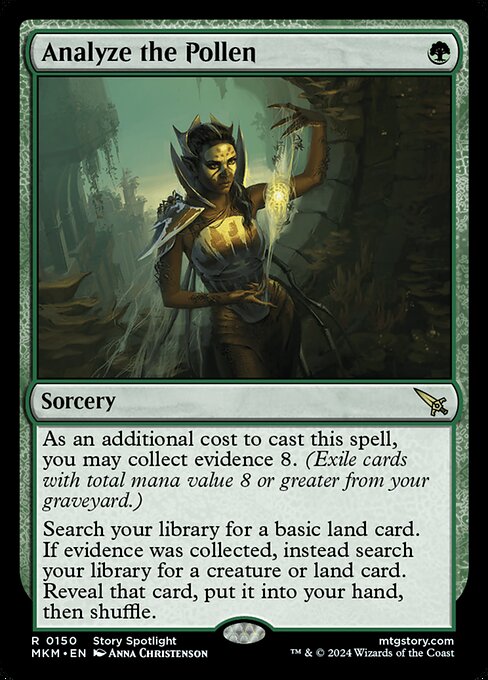
Analyze the Pollen, Inquisition of Kozilek Serves as early mana fixing when needed, but late-game (with Evidence 8), it tutors Cosmogoyf or Callous Sell-Sword directly to our hand for the lethal turn. It also acts as another way to exile the entire graveyard at once if needed.
Inquisition is played in almost every Modern version of the deck I looked at, so I thought it deserved a home here too. It paves the way before our combo turn, stripping instant-speed removal, counterspells, or early graveyard hate out of the opponent’s hand so our Fling lands cleanly.
Because we are heavily reliant on early B/G and B/R combinations, Starting Town and Mana Confluence ensure we never get color-screwed on critical combo turns, backed up by the fast lands.
So overall, this is more of an “all-in” version of the archetype similar to its Modern counterpart. I’ve messed with a variety of other concepts, like trying to slot the package into Jund Goyfs, or even a build playing 12 Delve spells to enable Goyf, but none of them felt as fast or as powerful as this build did.
Gameplay
(Note: this is an earlier build than the one posted in this article)
Between the version in the video, the most recent one, and the earlier builds, I’m sitting at a 32-11 record in ranked Historic Bo3. Which is quite impressive and something I was not expecting.
So just as a reminder, most of the games look like this in a nutshell:
1.) Self mill using Grisly Salvage, Supplier, Overlord, etc. 2.) Get a Cosmogoyf on the field 3.) Collected Evidence using Phoenix/Pollen/or Escape Nethergoyf (you can exile your entire graveyard) to make a giant Cosmogoyf with flying and haste, or use Callous Sell-Sword to fling it at the opponent.
That’s pretty much it! You can watch the video to see some fun games we had on stream with out initial testing. Most our games play out the same, you just have to practice managing your graveyard well to get the most our of your utility before exiling them.
But what I really want to talk about is how to sideboard, because it leads to some very interesting challenges I haven’t faced before.
Sideboarding
Firstly, this deck is resilient because it doesn’t really care about grave hate in games 2 and 3. Which is something I didn’t realize until my opponents started cracking Tormod’s Crypt or casting Rest in Peace making my Cosmogoyfs into 20/21’s or bigger on the regular.
But that also leads to the problem I’m currently trying to solve. Sure, we don’t care about graveyard hate, but it does slow us down. Losing the ability to bestow a Phoenix for the win is tough. We either win through pure beat down, or by flinging a Cosmogoyf.
However, I love a good puzzle and I was excited to try and find a good solution for this one. If my opponent is going to do all the exiling for me, how can I take advantage of that to still win consistently?
Its a question I’m still working on, but I’ve definitely found some intriguing answers to it.
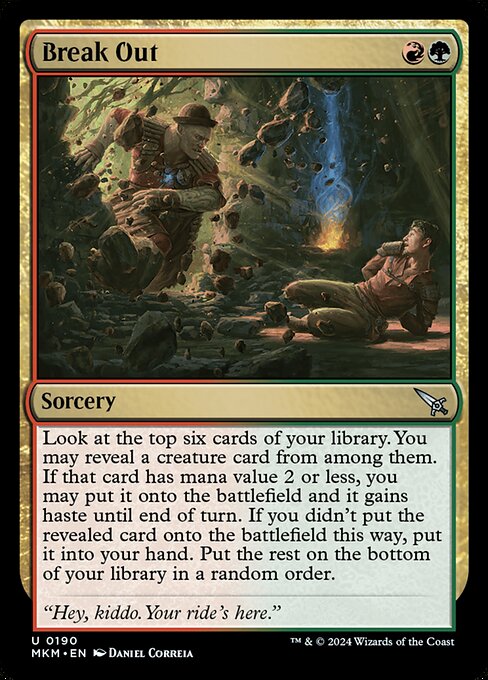
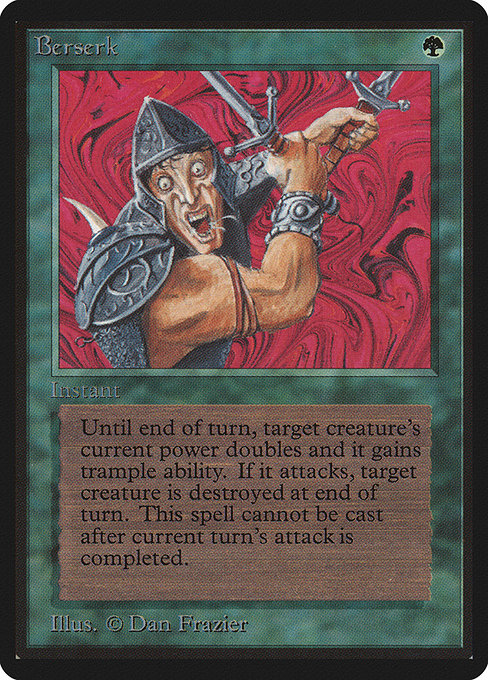
Break Out is some promising tech that I found while browsing Modern lists on MTGTop8. If we know our opp will bring in exile-based hate we can simply just swap all 4 Phoenixes for 4 Break Outs. It digs six cards deep, and if we hit a Goyf (hopefully big because of their aforementioned hate pieces) then we can just flip it onto the field with haste and start swinging. Temur Battle Rage and Berserk can compliment this plan nicely, but take up a lot of sideboard slots.
Besides this, much of the other sideboard tech I found are thing we just don’t have in the Historic pool right now.
Take a look at these:
Chancellors are a common in order to help speed things up in games two and three. Veil of Summer is another particularly strong card we don’t have access to either. Outside of this though, the Historic meta is just so different that I’ve found a lot the possible sideboard cards to be too low impact or straight up useless in our metagame.
Take Cavern of Souls for example. You’d side this in against counter-heavy decks (Frog, Control, etc.). However, the deck that executes that gameplan best at the moment is UW High Noon, which actually doesn’t play that many counterspells. Spell Quller, Aven Interrupter, and Reprieve don’t actually counter your spells, which makes Cavern mostly dead against them (besides Remand).
That’s just one example of Modern answers not lining up with Historic interaction, but there’s a lot more. It’s hard to find catch-alls for a wide variety of matchups. I’ve been diving so deep that one sideboard plan I’m testing looks like this:
It seems like that’s all I can really do for now though. I’ll just have to keep testing and iterating on the sideboard until I find a configuration I’m happy with. But if you have any ideas please make sure to leave them in the comments or stop by stream to brew with me!
Closing Thoughts
I think a massive chunk of this deck’s power comes down to element of surprise and sideboard mind games. In Game 1, opponents frequently misread our opening turns. They see an early Nethergoyf, an Overlord of the Balemurk, and a pile of self-mill, so they burn their cheap removal trying to survive the midrange assault. Then out of nowhere, you untap, drop a massive Cosmogoyf they weren’t expecting and they’re suddenly dead.
Then in games two and three opponents seem to overcorrect. Their own hate cards can backfire and often help grow our goyf while spend our resources finding a Fling without much pressure.
Obviously highly interactive decks like UW High Noon, UB Frog, and Jund can be troublesome, but I think a fleshed out sideboard will be key to improving these matchups. I’m currently boasting positive WR against Frog and Jund so we definitely got some game against them, but I think we can still make it better.
I’ve had fun theory crafting this deck and finding new ways to use abilities that I hadn’t thought of before. Hopefully we get some more tools in future sets and anthologies that can help make these Goyf decks faster, leaner, and more explosive like their Modern counterparts.
Thanks for reading!
As always, feel free to comment and leave any questions you have below. And make sure to come back next week for even more Fun & Jank!
If you’re interested in more Historic content, check out Altheriax’s article on Verdant Dread Yawgmoth
If you want to help me brew, come hang out with me on stream where we test, refine, and have a ton of fun together.
Happy Brewin’!
Premium
Enjoy our content? Wish to support our work? Join our Premium community, get access to exclusive content, remove all advertisements, and more!
No ads: Browse the entire website ad-free, both display and video.
Exclusive Content: Instant access to all exclusive articles only for Premium members, at your fingertips.
Support: All your contributions get directly reinvested into the website to increase your viewing experience!
Discord: Join our Discord server, claim your Premium role and gain access to exclusive channels where you can learn in real time!
Special offer: For a limited time, use coupon code L95WR9JOWV to get 50% off the Annual plan!
Plum is the creator of the Jank Tank.
He started playing at the ripe old age of 12 and immediately fell in love with the infinite possibilities that deck building could lead to.
He truly understands that jank is a mindset, and spends most of his free time brewing and concocting new and exciting deck lists to help inspire and promote creativity within the MTG community.