Alright settle down class, settle down. Please find your seats. Class is in session! Welcome to Jank 101 with me, Professor Plum!
Today we will not only review a brew of mine that went to mythic sporting a 75% win rate, but we’re also going to take a deep dive into one of the concepts mentioned in my previous articles.
So get out your notebooks and grab a pencil, there may be a pop quiz on this next week!
Brewing Concept #1: “Packages”
A “package” has multiple definitions when it comes to deck building. Generally speaking, they’re sets of cards that synergize well with each other. Unlike singular cards that are picked solely to fill a role by themselves, a package (or suite) focuses on the interactions between multiple cards to achieve a certain end result. They will most likely have a common theme amongst them, but they can also just be made up of a group of cards that all have a similar effect. More often than not, these suites of cards can also be modular when it comes to brewing. Your core package might consist of 2-3 cards that can be slotted into different colors, archetypes, or strategies. Let’s take a look a non-exhaustive list of what I believe to be the most common types of packages in MTG.
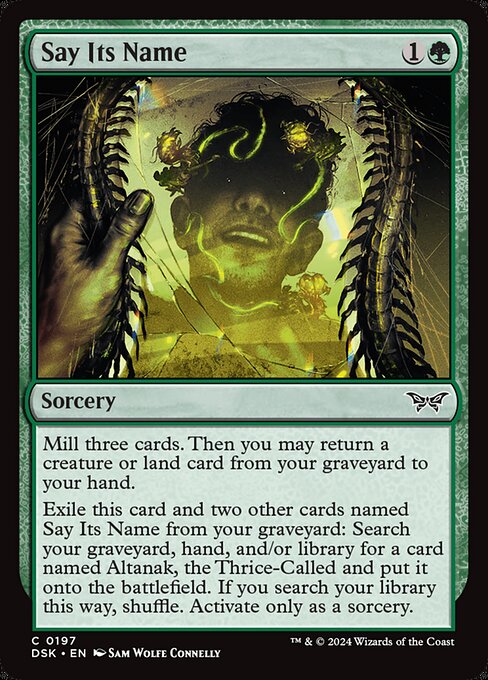
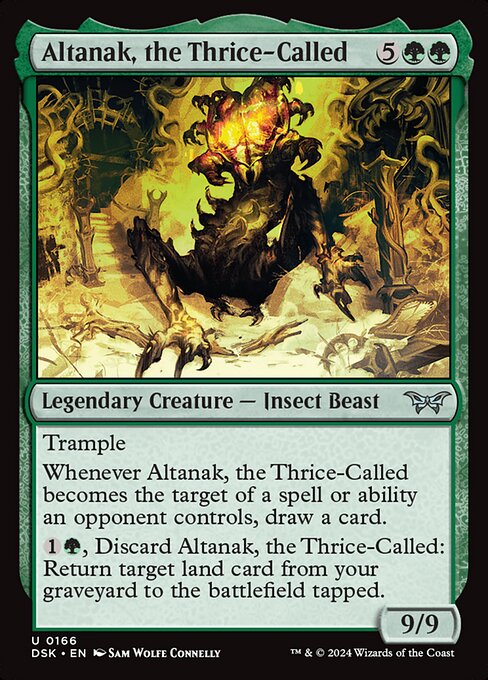
Perfect Packages are sets of cards that are literally made for each other. They’re created to be so codependent that it makes almost no sense to play one without the other. These are what I would call “no brainers.” You don’t have to spend time finding the perfect card, your choices are already made for you. Say its Name and Altanak, the Thrice-Called are a clean example of this from Duskmourn. They’re both green, one card finds the other, and it has a small footprint taking up only 5 slots in your list. It’s easy to put this package in a variety of decks based on how you want to play.
Other such examples include the Tron Lands (WOW F….) and Bogbrew Witch and friends.
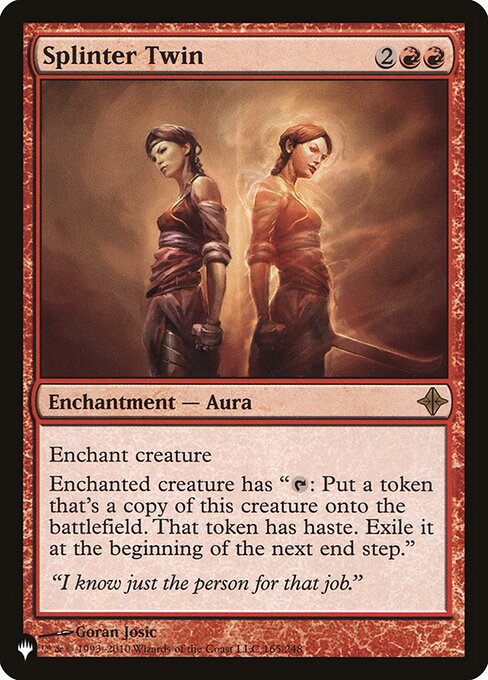
A combo package uses a two or more cards specifically designed to work together to create a powerful effect or win condition. I think the most iconic example here would be Splinter Twin Combo. Before it was banned (wizards please I’m begging you) there were all sorts of flavors of the deck running around. Izzet, Jeskai, Temur. You name it and I’m sure someone played it. With the package being only 2 cards that created an infinite effect, it was a powerful and popular choice. When it comes to brewing decks with combo packages your supporting cards will play a bigger role in determining the colors and shell you want to slot it into.
Now not every combo is an infinite one. Some require you to play a set of cards in a certain sequence such as Storm, or one might set up the other, like Doomsday.
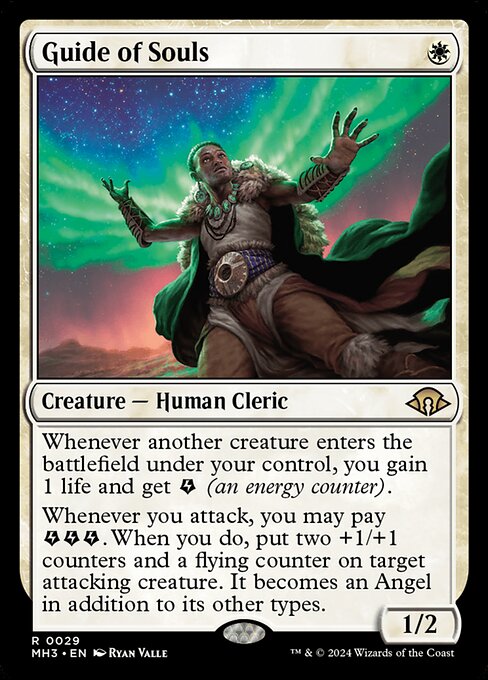
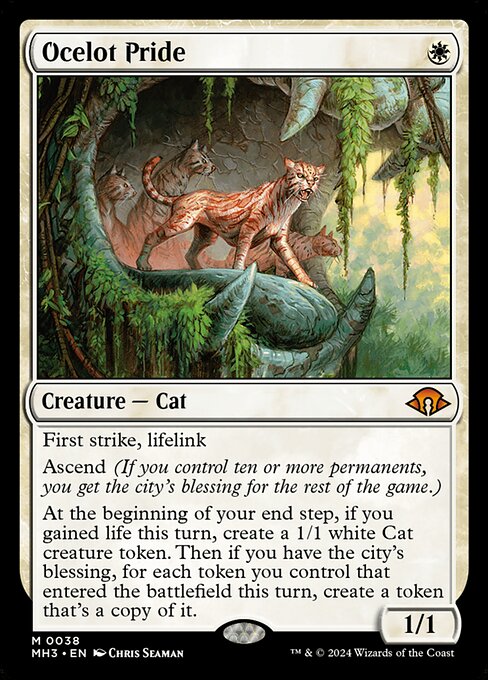
Value packages are a little more broad. My mindset about them comes down to the common saying, “where there’s smoke, there’s fire.” These cards have so much synergy that if you see one of them, its highly likely that you’ll see the others. Guide of Souls and Ocelot Pride are a great example because not only do they share similar themes. colors. and costs, they also fuel one another. Ocelot making cats triggers Guide of Souls, and the life gained from Guide helps you make more cats. These packages usually contain cards that are not only good in a vacuum, but can take over a game when played together.
Now premier packages don’t follow the trend of the previous ones. They have nothing to do with combos or synergy. When I say “premier” what I really mean is “best in slot.” These are groups of cards that kind of act as a default choice when deck building. Auto-includes, if you will.
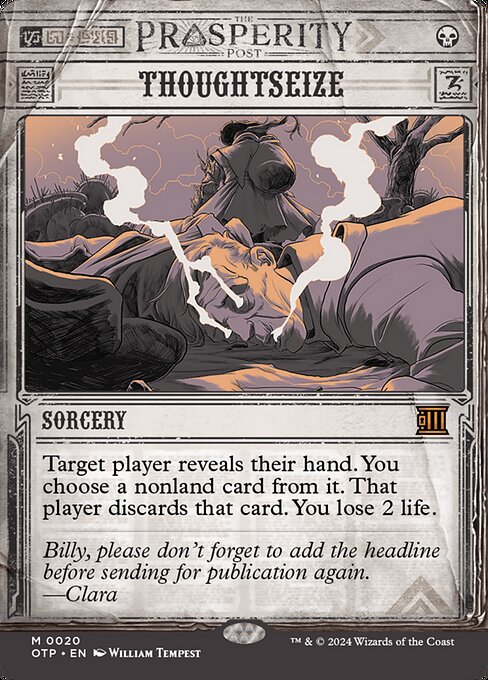
Thoughtseize and Inquisition of Kozilek are often referred to as a “discard package”. They are the best at what they do, and if you’re deck requires these kinds of effects, you should most likely be playing these over other cards.
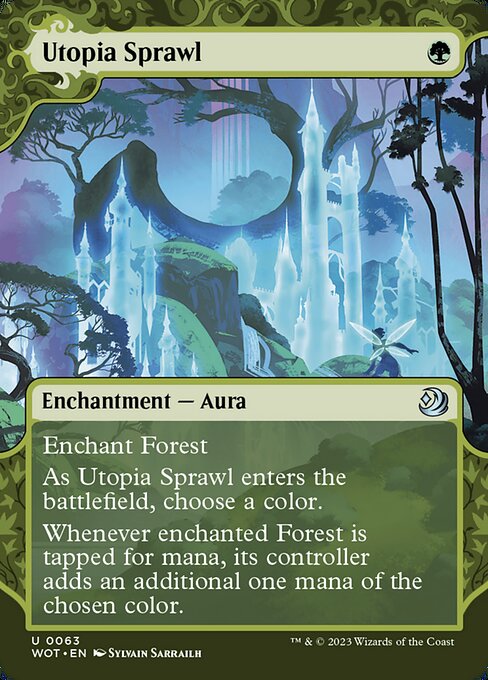
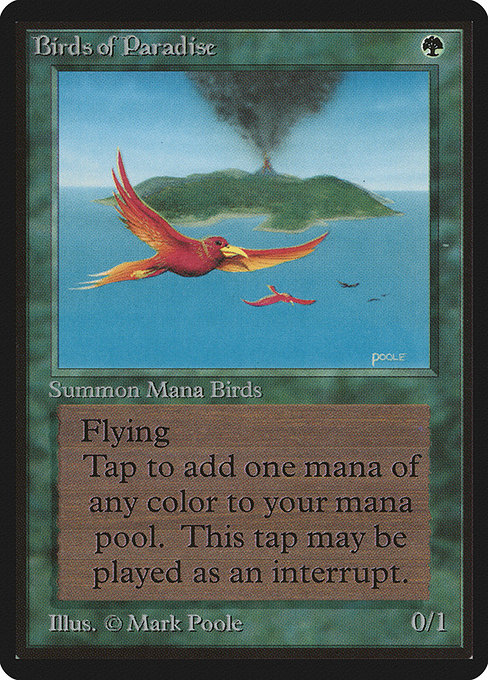
Utopia Sprawl and Birds of Paradise are part of a “ramp package.” The idea mentioned above applies here too. If you’re playing green and your goal is to ramp into high mana value plays, it’s very likely you should slot these cards into your deck.
Now, there’s too many premier packages to mention here. Removal, Ramp, Counter Spells, etc. But if you look at tournament results or different deck lists from the same archetype it should be relatively easy to see what packages are being used.
We touched on 4 different examples of packages and their place in deck building, but by no means did I hit them all. The more you play the more you’ll find, and one of the best parts of playing jank is finding packages of cards that nobody even thought to put together. Now that we have this brewing concept in mind, I want to explain our deck this week, Mono Blue Stax, using what we’ve talked about.
The Deck
Gameplay of Blue Stax can be found here from fellow content creator Takobyte
If you read Episode 5 of our series, you may remember another concept I mentioned called “Bottom Up” brewing. This is when you have some cards that you want to play in mind, but need to find a shell with a cohesive plan to put them in. Since I’m constantly working on ideas for decks, its common that I come across packages that spark my interest, but I was more focused on something else at the time. I like to put a pin in these ideas to revisit at a later date. It just so happened that I had a small collection of cards I wanted to mess around with that shared a similar strategy and color.
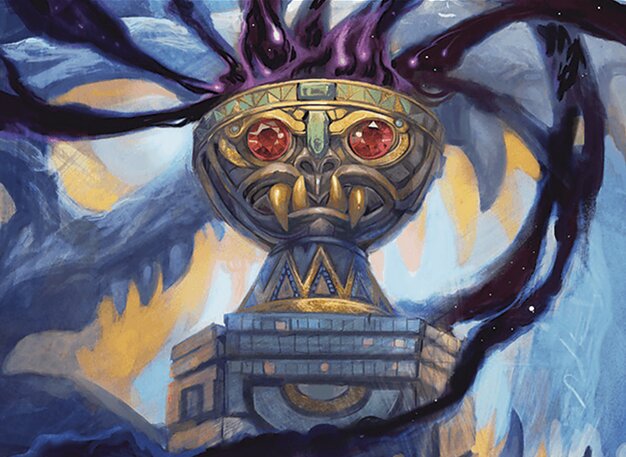
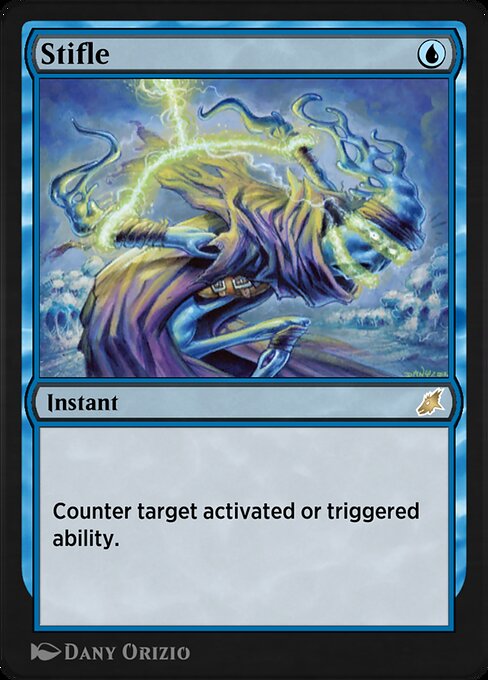
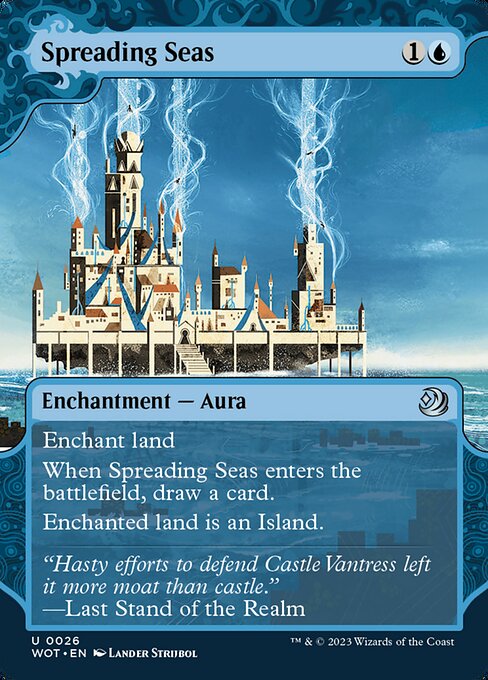
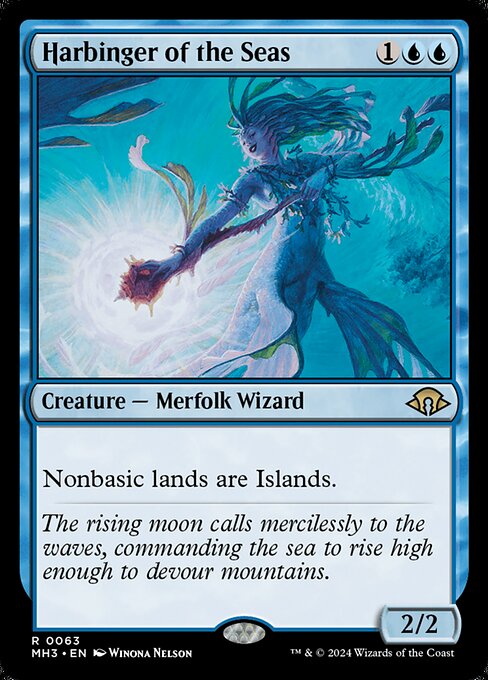
I had tried to brew an Eminent Domain style list in Timeless a little while back. Focusing on a land denial strategy. The goal was to Stifle fetches and turn our opponents’ lands into islands to slow them down or lock them out of the game. It was never quite good enough, but the card suite intrigued me and I thought it had some promise.
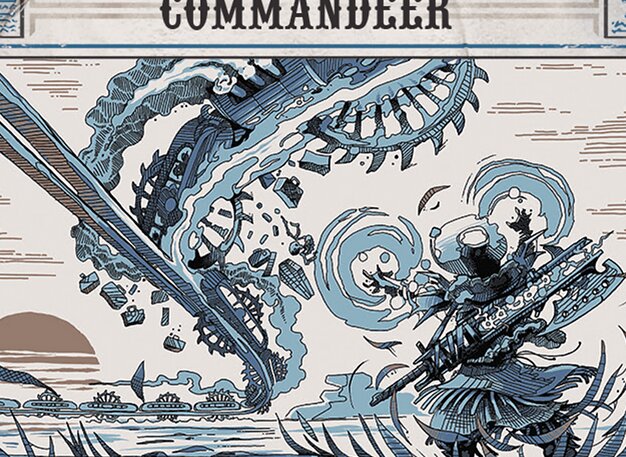
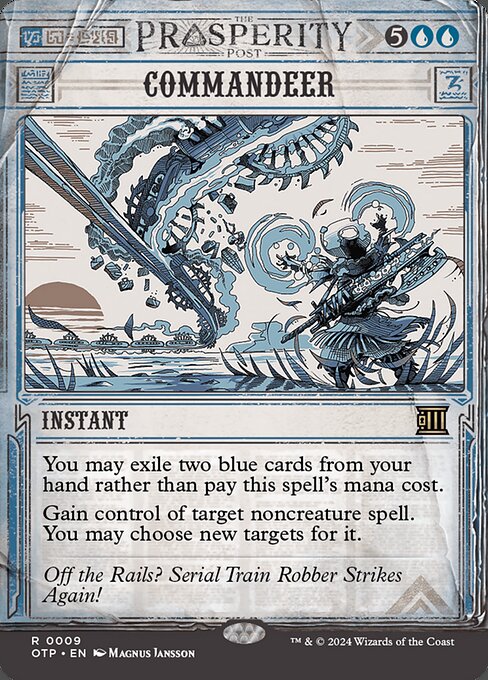
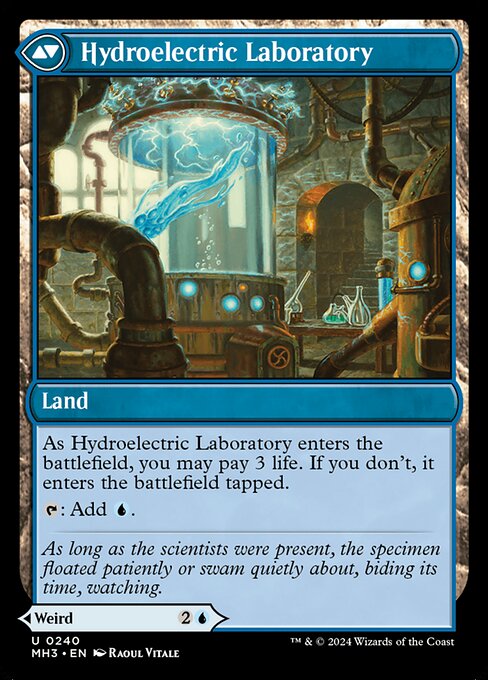
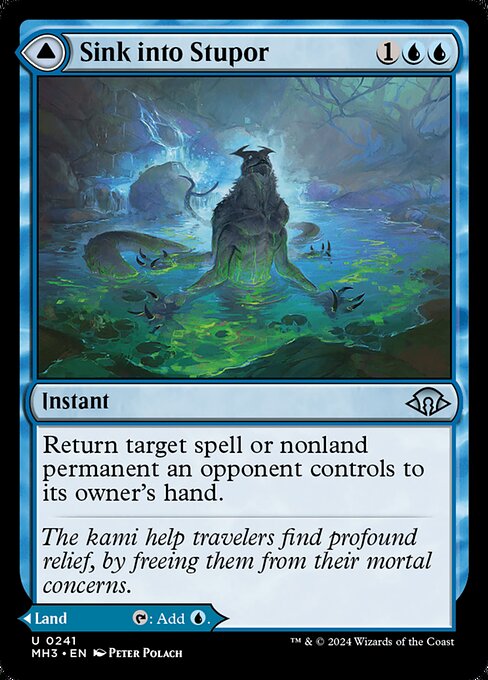
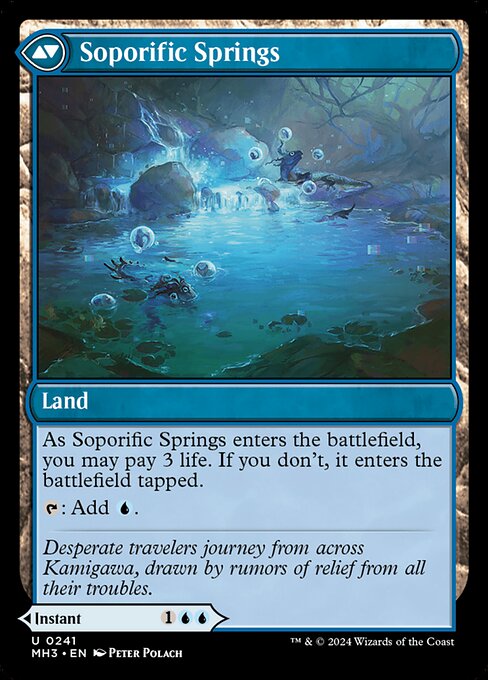
Around this time I also watched Ali Aintrazi (check him out, he’s got some sweet brews) win a Timeless event with Mono-U Belcher. Although the deck was playing some powerful spells like Omniscience with Show and Tell, the card that really caught my attention was Commandeer. Along with the newest MDFC lands it was very easy to have blue cards in hand to cast Commandeer for free. Ali was repeatedly able to put a wrench in his opponents’ plans on turn 1 or even when he was tapped out. It had utility in every match up.
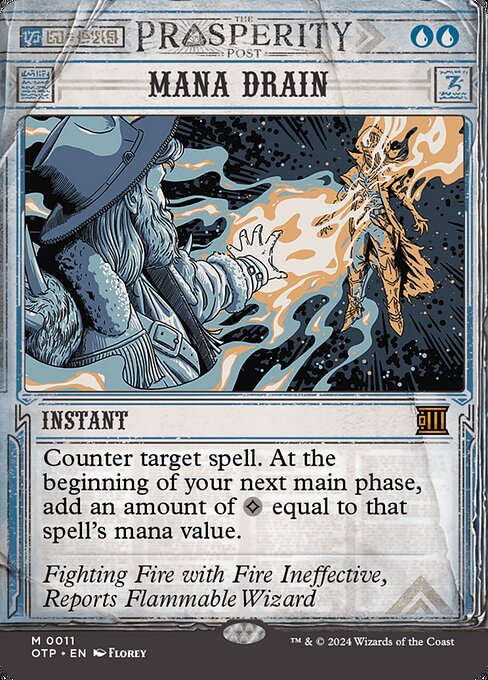
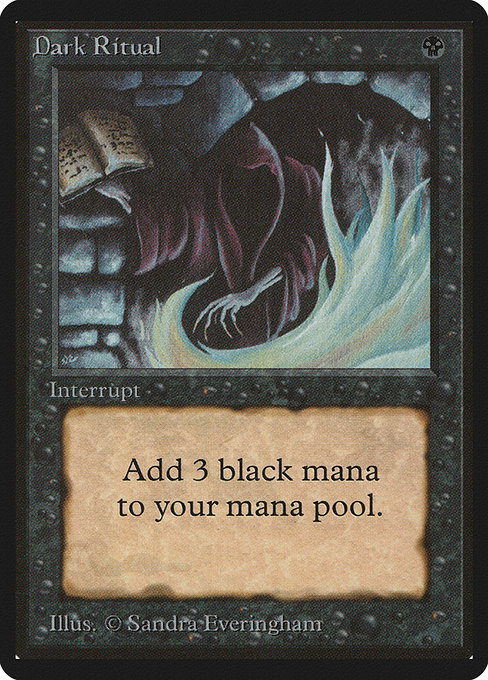
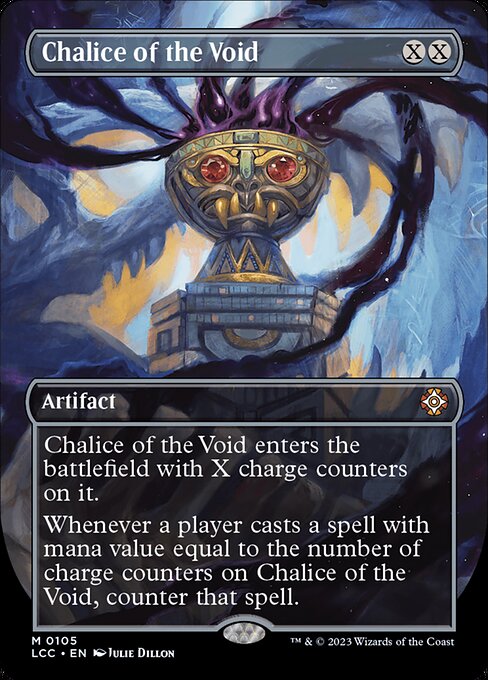
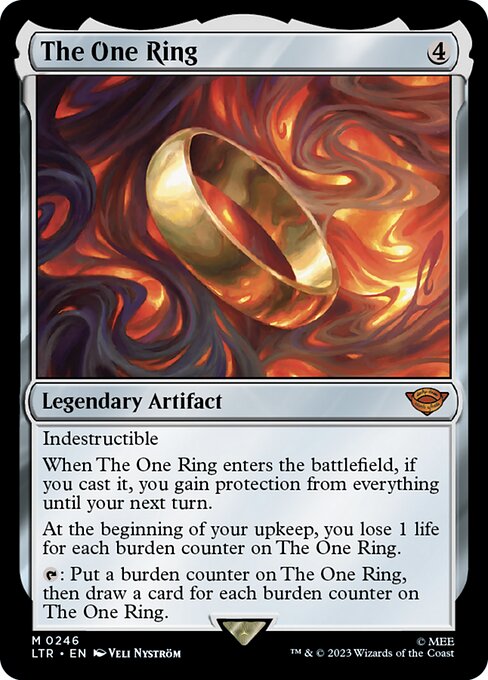
The final package I revisited was one from a wonky Taking Turns list I worked on. The idea was to use Mana Drain and Dark Ritual as our ramp to power out Time Warps, The One Ring and early Chalice of the Voids for x=1 or x=2. Yet again, I loved this package during testing, but a Taking Turns list didn’t quite feel like the right home for it.
At this point I had three different packages, all sharing similar colors and a game plan of trying to use attrition to pull ahead of the opponent. So I grabbed my Elmer’s Glue (not sponsored) and some tape and I just stuffed them into a trench coat. That’s all Blue Stax is. Just 3 packages in a trench coat. Its a real Magic deck doing legitimate Magic deck things. I promise.
But the brewing process for this list is exactly what I’m talking about when it comes to “Bottom Up” brewing. We took a few different packages that hadn’t succeeded on their own. Yet they came together to form a cohesive deck list, and a powerful one at that.
Closing Thoughts
When it comes to brewing, jank included, not everything has to be an original idea. There’s hundreds of thousands of Magic players playing with the same cards you are. That’s countless hours of testing to see what works and what doesn’t. Some cards are just bad, others are suboptimal, and sometimes it’s just not worth the extra brain power to try and find something new and exciting. Good cards are exactly that, good cards. It’s a-okay to play the same removal package as a tier-1 list you saw online. Nobody is going to call you a filthy net-decker for doing so. These packages give you flexibility across archetypes while also elevating the overall performance of the deck. They’re not just tools for building decks, they also act as a foundation on which new strategies can be found. So as you continue brewing, remember to explore and experiment with different packages to see what you can come up with.
Thanks for reading.
As always feel free to comment and leave any questions you have below! Make sure to come back next week for even more Fun & Jank!
Happy Brewing!
Premium
Enjoy our content? Wish to support our work? Join our Premium community, get access to exclusive content, remove all advertisements, and more!
No ads: Browse the entire website ad-free, both display and video.
Exclusive Content: Instant access to all exclusive articles only for Premium members, at your fingertips.
Support: All your contributions get directly reinvested into the website to increase your viewing experience!
Discord: Join our Discord server, claim your Premium role and gain access to exclusive channels where you can learn in real time!
Special offer: For a limited time, use coupon code L95WR9JOWV to get 50% off the Annual plan!
Plum is the creator of the Jank Tank.
He started playing at the ripe old age of 12 and immediately fell in love with the infinite possibilities that deck building could lead to.
He truly understands that jank is a mindset, and spends most of his free time brewing and concocting new and exciting deck lists to help inspire and promote creativity within the MTG community.